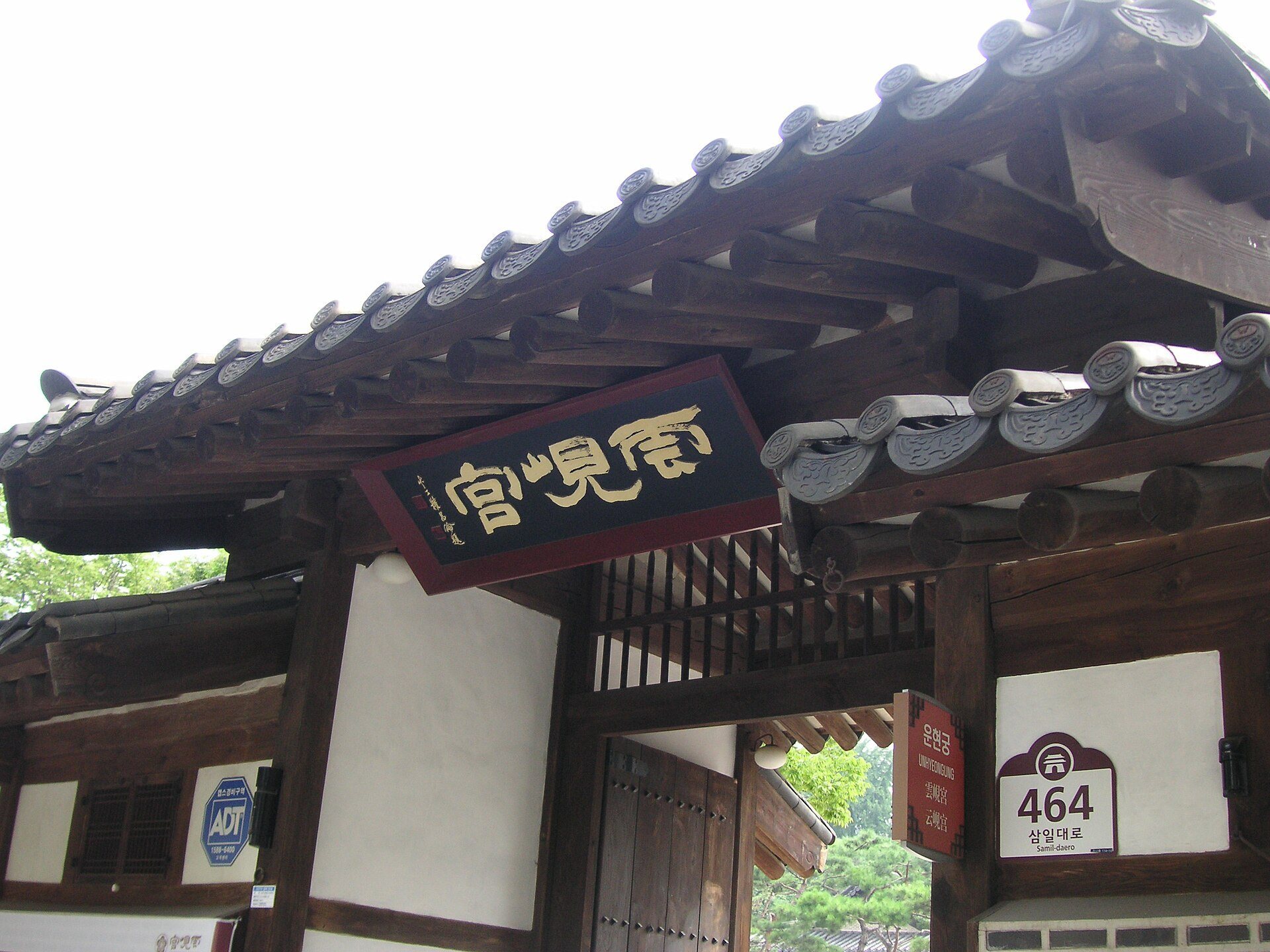
Unhyeongung: A Former Joseon Royal Residence in Seoul
Site at a Glance
- Rating
- 4.4
- Popularity
- Medium
- Country
- South Korea
- Primary era
- Modern
- External website
- Open
- Eras represented
- Medieval, Modern
- Civilizations
- Joseon
- Site type
- Domestic
- Remains
- Palace
On this page11 sections
History
Unhyeongung is a former Joseon royal residence in Seoul, South Korea, on a site dating from the fourteenth century. Joseon was the Korean dynasty that ruled from the late fourteenth century until the late nineteenth century. Early buildings were damaged or destroyed during the sixteenth-century Japanese invasions of Korea, although parts of the earlier construction survived.
A nineteenth-century royal residence
In the nineteenth century, Unhyeongung was the residence of Heungseon Daewongun, the father of King Gojong. Heungseon Daewongun exercised governmental authority as prince regent while Gojong was still young. Gojong lived at the residence until he was 12, when he assumed the throne.
Under Queen Mother Jo, a senior Joseon royal woman who held the title of queen mother, the residence was enlarged and reshaped into a more extensive complex with four gates. The work made extensive use of wood and created the setting for the royal household associated with Heungseon Daewongun and his family.
Unhyeongung hosted the wedding of Gojong and Myeongseong on March 21, 1866. Myeongseong, later known as Empress Myeongseong, was Gojong’s wife. This was the last royal wedding ceremony held at Unhyeongung, and the residence continued to be associated with the ceremonies and domestic life of the Joseon court.
Confiscation, return, and restoration
During Japanese colonial rule, the residence was confiscated from the descendants of Heungseon Daewongun. It was returned to the family in 1948 and sold to the Seoul government in 1993. The government then carried out a three-year renovation intended to restore the complex’s earlier appearance.
The present complex is smaller than its former extent. Part of the original grounds is now occupied by Duksung Women’s University, Unhyeon Kindergarten, Byeolhadang hanok guesthouse, and other small businesses. Unhyeongung now functions as a museum and is open to the public. It was designated Unhyeongung Palace, Seoul, as Historic Site No. 257 of South Korea on November 22, 1977.
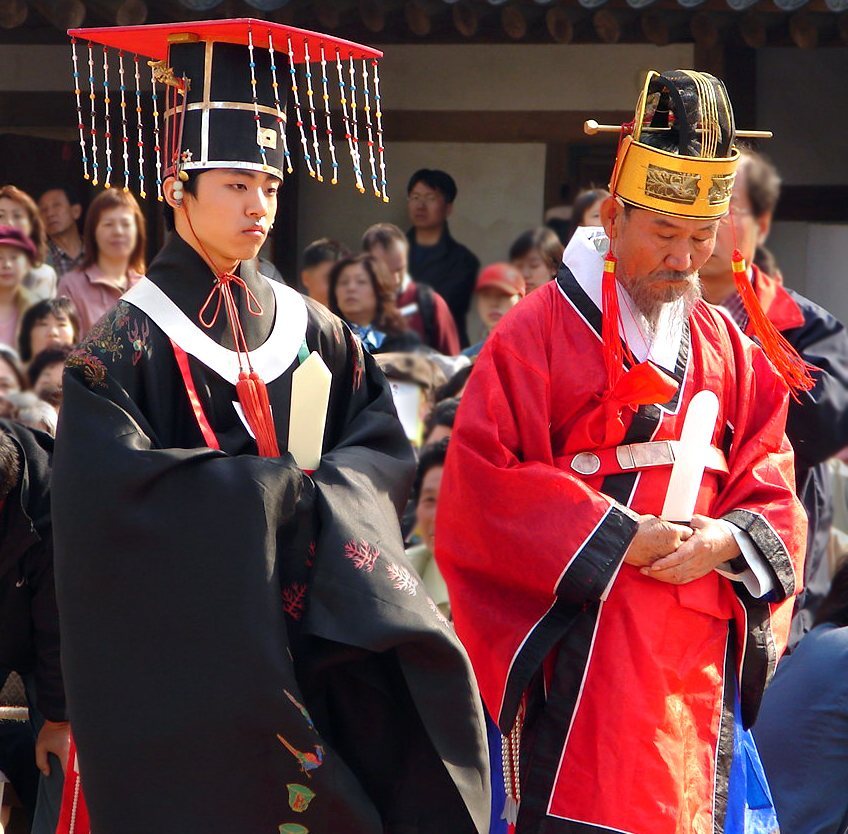
A historically researched reenactment of the 1866 royal wedding takes place at Unhyeongung in spring and autumn. It presents royal clothing, the ceremony, and aspects of life at the Joseon court.
Remains
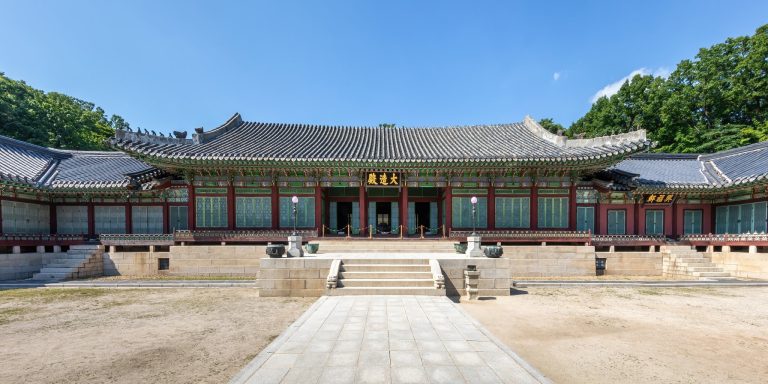
The surviving complex consists of several halls, residential and service spaces, refurnished interiors, and a small museum. Mannequins represent clothing and social roles in Korean history. The buildings preserve the arrangement of a royal residence with separate spaces for women, men, household personnel, and important ceremonies.
Residential and ceremonial halls
Norakdang
Norakdang is the largest building in the complex and one of its two women’s residences. Completed in 1864, during the first year of Gojong’s reign, it contains 13 rooms. Its kitchen was probably used to prepare food for important events. The hall hosted birthday celebrations and related ceremonies, as well as the 1866 wedding of Gojong and Myeongseong.
Noandang
Noandang was the men’s residential and leisure hall. Completed in 1864, it was where Heungseon Daewongun received guests and conducted official business. The building contains nine rooms and has a roof covered with traditional Korean tiles. Its architecture reflects nineteenth-century characteristics, and precious relics belonging to Heungseon Daewongun are kept inside.
Irodang
Irodang is the second of the complex’s two women’s residences. Completed in 1869, it was occupied by Heungseon Daewongun’s wife. It was also regarded as the most important hall in the complex.
Service spaces and surviving boundaries
Sujiksa
Sujiksa is a small row of rooms on the right side of the entrance. It housed servants, guards, and other personnel who managed the residence. Clothing used by these staff members was also kept there.
Gates and early construction
The complex formerly had four gates. Despite the damage and destruction caused by the sixteenth-century Japanese invasions of Korea, some early construction remains within the surviving grounds. These remnants form part of the physical continuity between the older site and the expanded nineteenth-century residence.