Tully Castle: A Plantation-Era Castle in County Fermanagh
Site at a Glance
- Popularity
- Medium
- Country
- United Kingdom
- Primary era
- Early Modern
- Eras represented
- Early Modern
- Civilizations
- English
- Site type
- Military
- Remains
- Castle
On this page7 sections
History
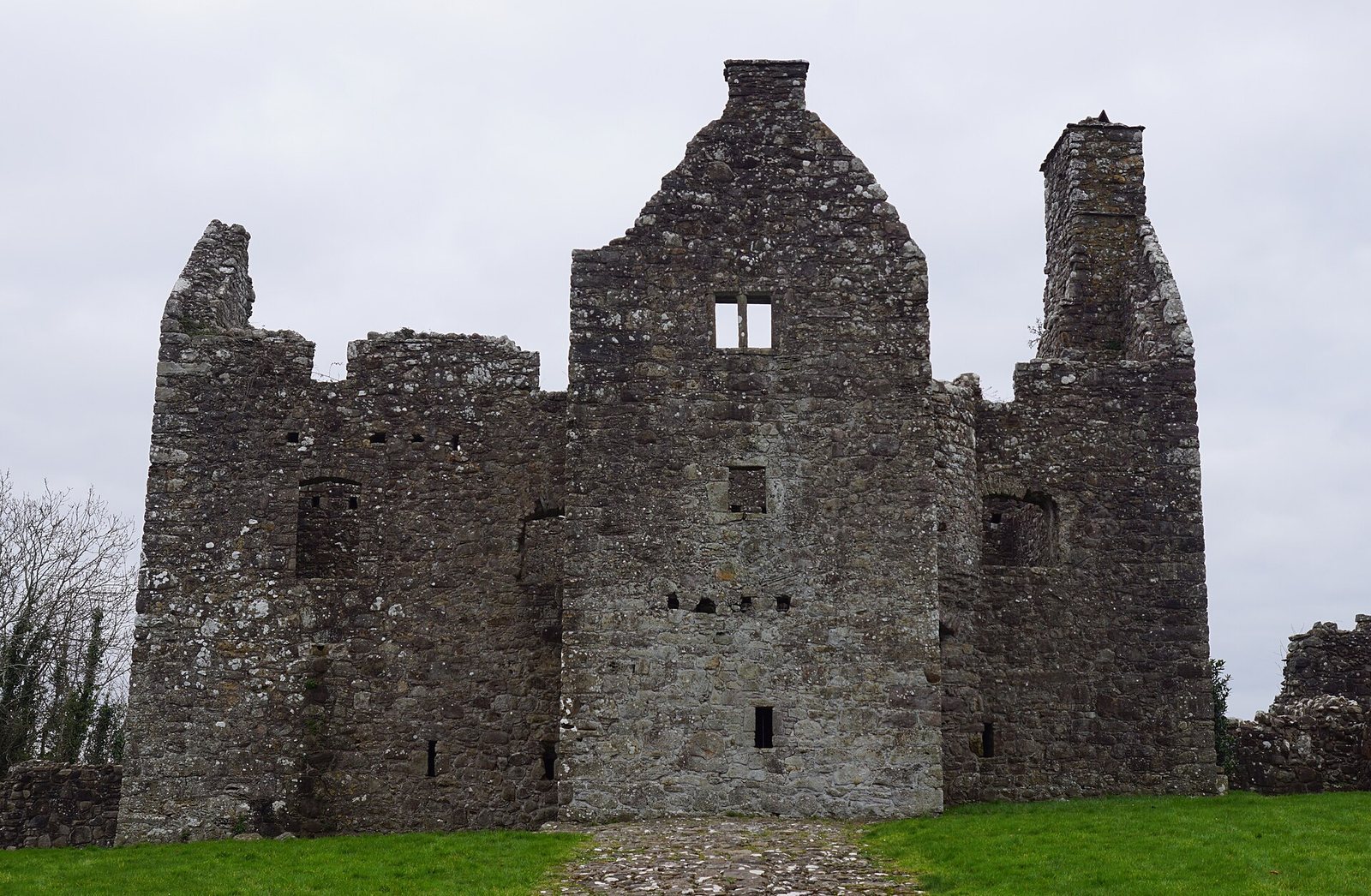
Tully Castle is a ruined castle in County Fermanagh, Northern Ireland, built for Scottish settler Sir John Hume in 1619 during the Plantation of Ulster. It is one of the surviving castles associated with English plantation settlement in the county.
Plantation settlement and construction
The Plantation of Ulster was an English-sponsored programme that brought settlers from Britain to Ireland and transferred land from Irish inhabitants. Hume established the nearby village of Church Hill between 1610 and 1619 for 24 Scottish families. The settlement took place amid the displacement of Irish people from their land, homes, and livestock. Religious division between Catholic Irish communities and Protestant settlers added to the hostility surrounding the Irish Rebellion of 1641.
The attack of 1641
On 24 December, Rory Maguire, a Gaelic Irish leader seeking the return of his clan’s ancestral lands, arrived at the castle with 800 men. Few soldiers remained to defend it, as most were away, and civilians, including women and children, were inside. Lady Mary Hume surrendered, believing that doing so would secure safe passage for those under her care.
On 25 December, about 75 Protestant prisoners, roughly 15 men and 60 women and children, were killed. Members of the Hume family, including Lady Mary, were spared. Captain Patrick Hume later testified that the prisoners had spent the night under guard in the castle cellars. He said Lady Mary, Alexander Hume, John Grier, and their families were taken to John Goodfellow’s barn, where they were led to expect that they would be transferred to Monea Castle.
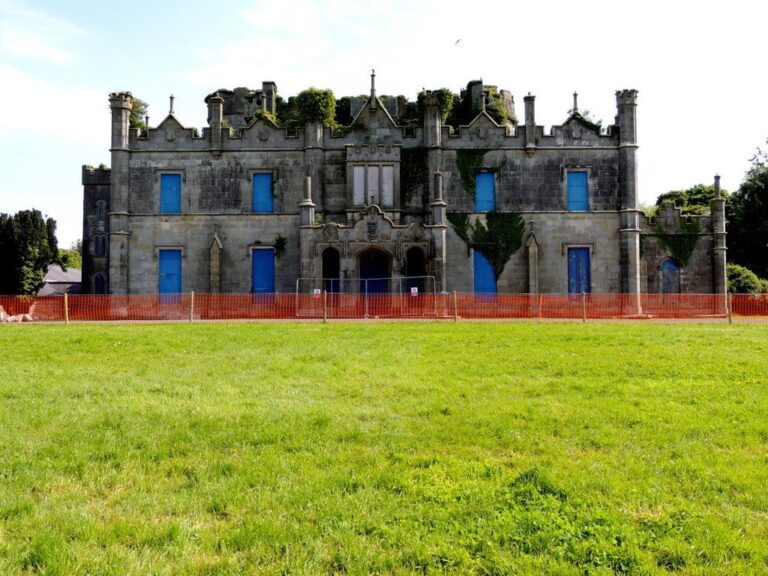
After the killings, the castle was looted and burned. The Hume family did not return and later settled at Castle Hume Hall, a new family residence. Tully Castle and its site are now protected as State Care Historic Monuments, places held under state care and protection.
Remains
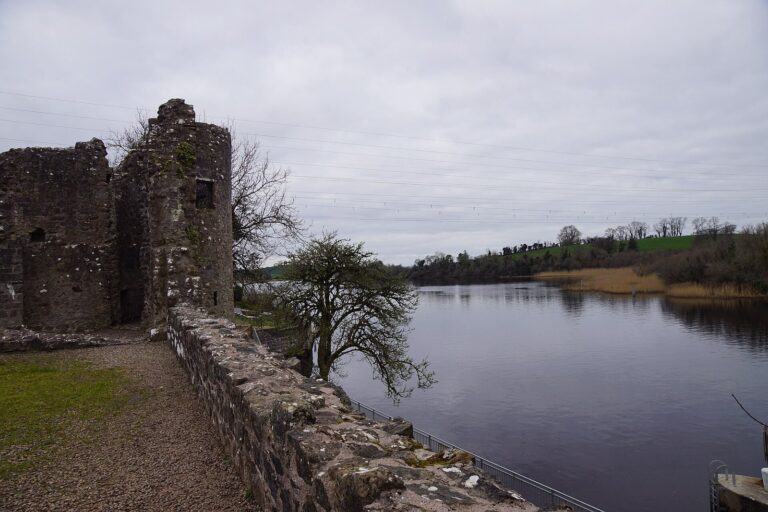
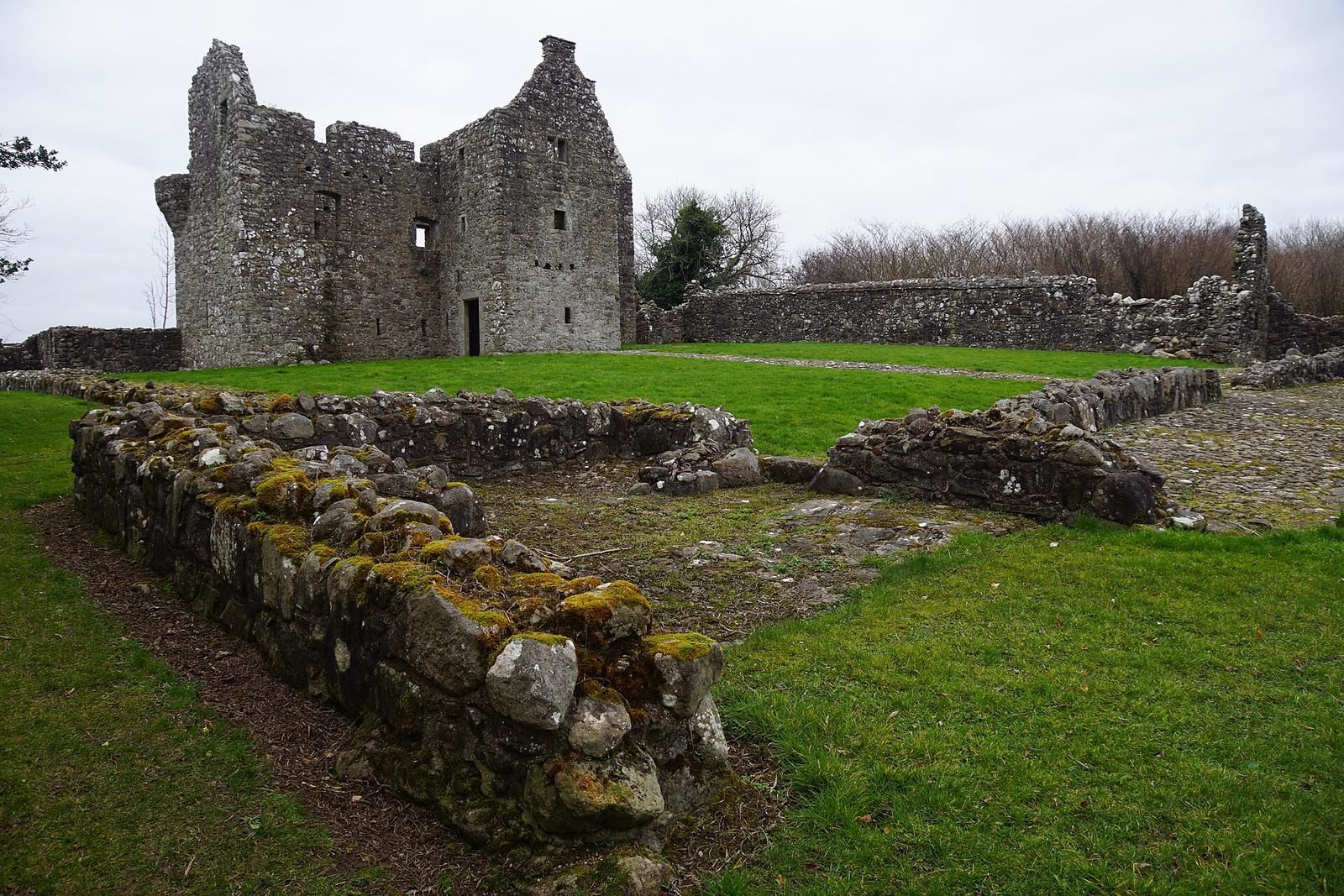
The uninhabited ruin stands on elevated Tully Point, overlooking Lower Lough Erne near Blaney on the lake’s southern shore. Its roughly square enclosure contains the castle on the north side, with the courtyard entrance on the south. The complex is described as covering 30.5 square metres.
Enclosure and castle
Bawn and courtyard
A rectangular bawn, or fortified courtyard, surrounds the enclosure. Its walls are 4.3 metres high, and a rectangular building with narrow defensive openings called loopholes stands at each corner. The courtyard entrance is on the south side, opposite the castle.
Castle and interior
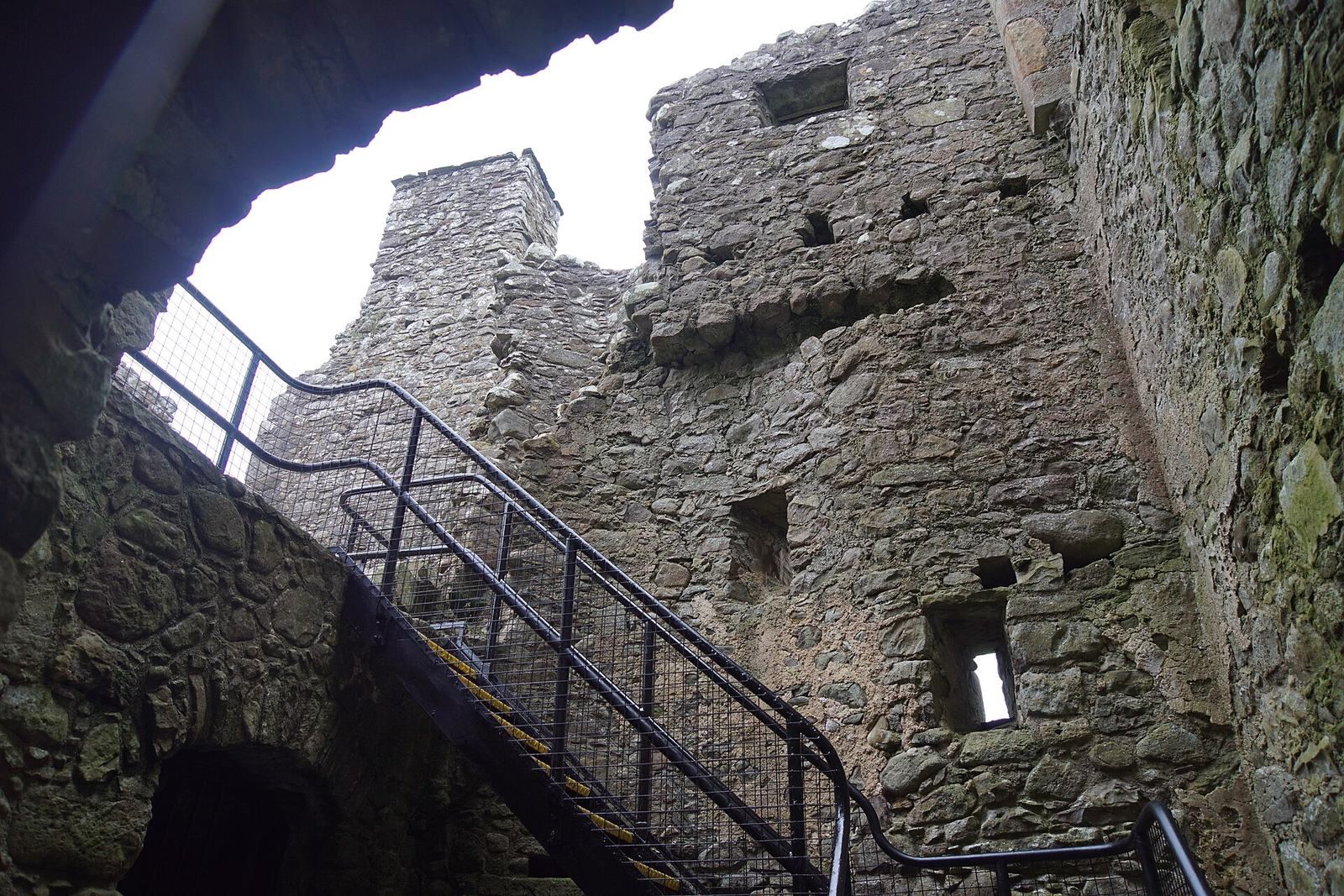
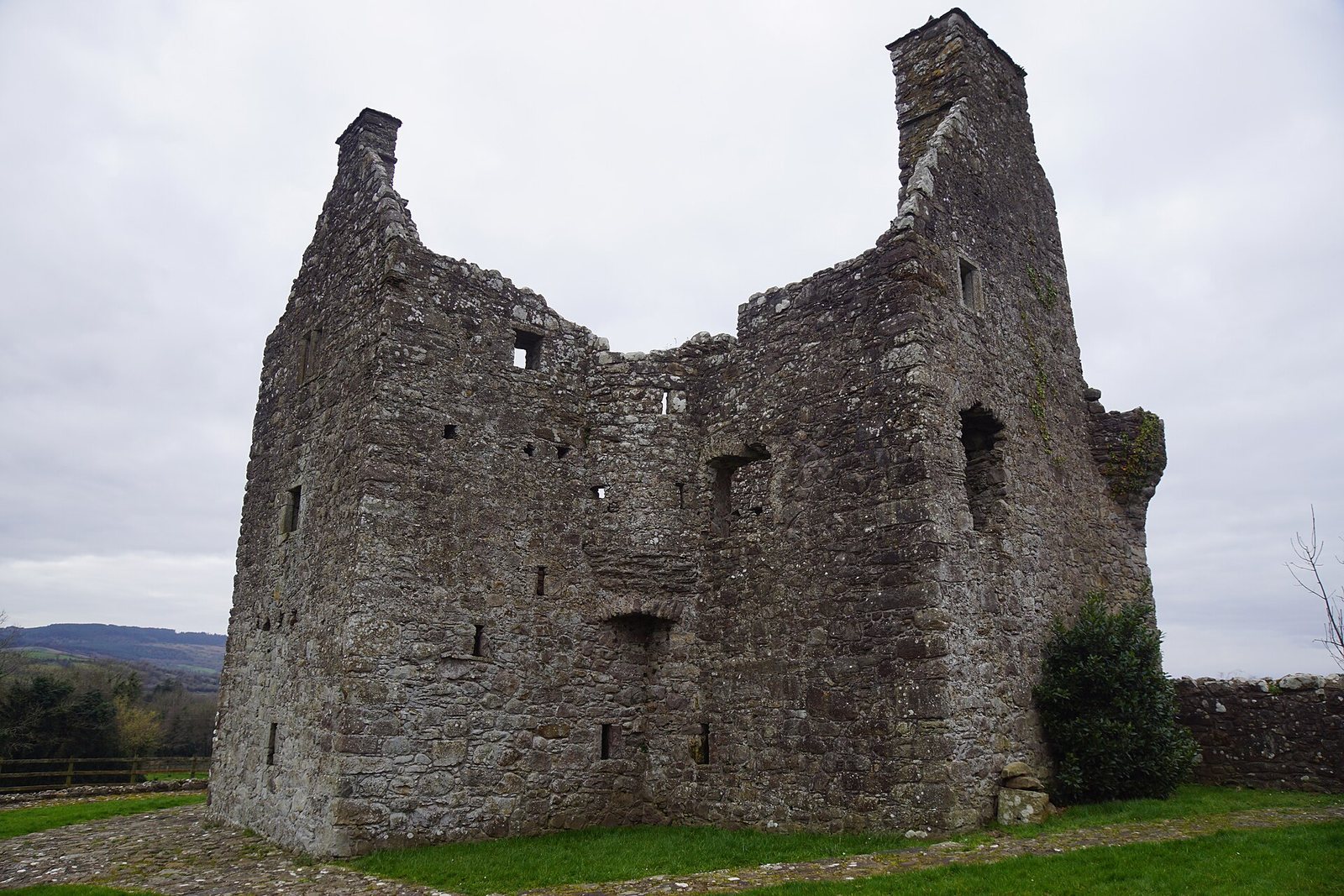
The castle has a T-shaped plan, with a main block measuring 15.2 by 6.4 metres. Its entrance lies on the west side of a square projection at the centre of the building’s south wall. A spiral staircase in this projection leads to the first floor, where two private chambers each have a fireplace. Windows on that floor face south and east; those on the east look onto the courtyard.
A second spiral staircase rises from the first floor to the uppermost floor inside a corbelled turret, a projection supported by masonry courses extending outward, at the southeast corner of the projection. The ground floor measures 14.6 by 4.6 metres and has a vaulted ceiling, formed as an arch. A fireplace and large chimney occupy its east side.