Belle Isle Castle: A Historic Estate and Hotel in County Fermanagh



Site at a Glance
- Rating
- 4.8
- Popularity
- Low
- Country
- United Kingdom
- Primary era
- Early Modern
- External website
- Open
- Eras represented
- Early Modern
- Civilizations
- Irish
- Site type
- Domestic
- Remains
- Castle
On this page8 sections
History
Origins and eighteenth-century expansion
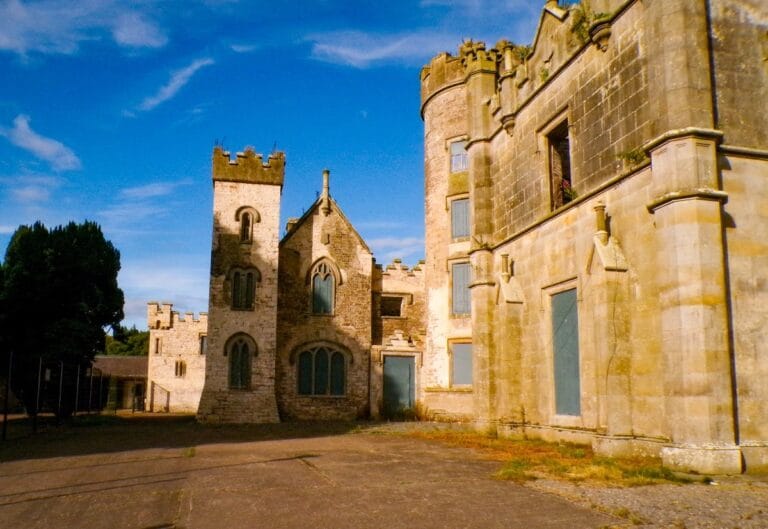
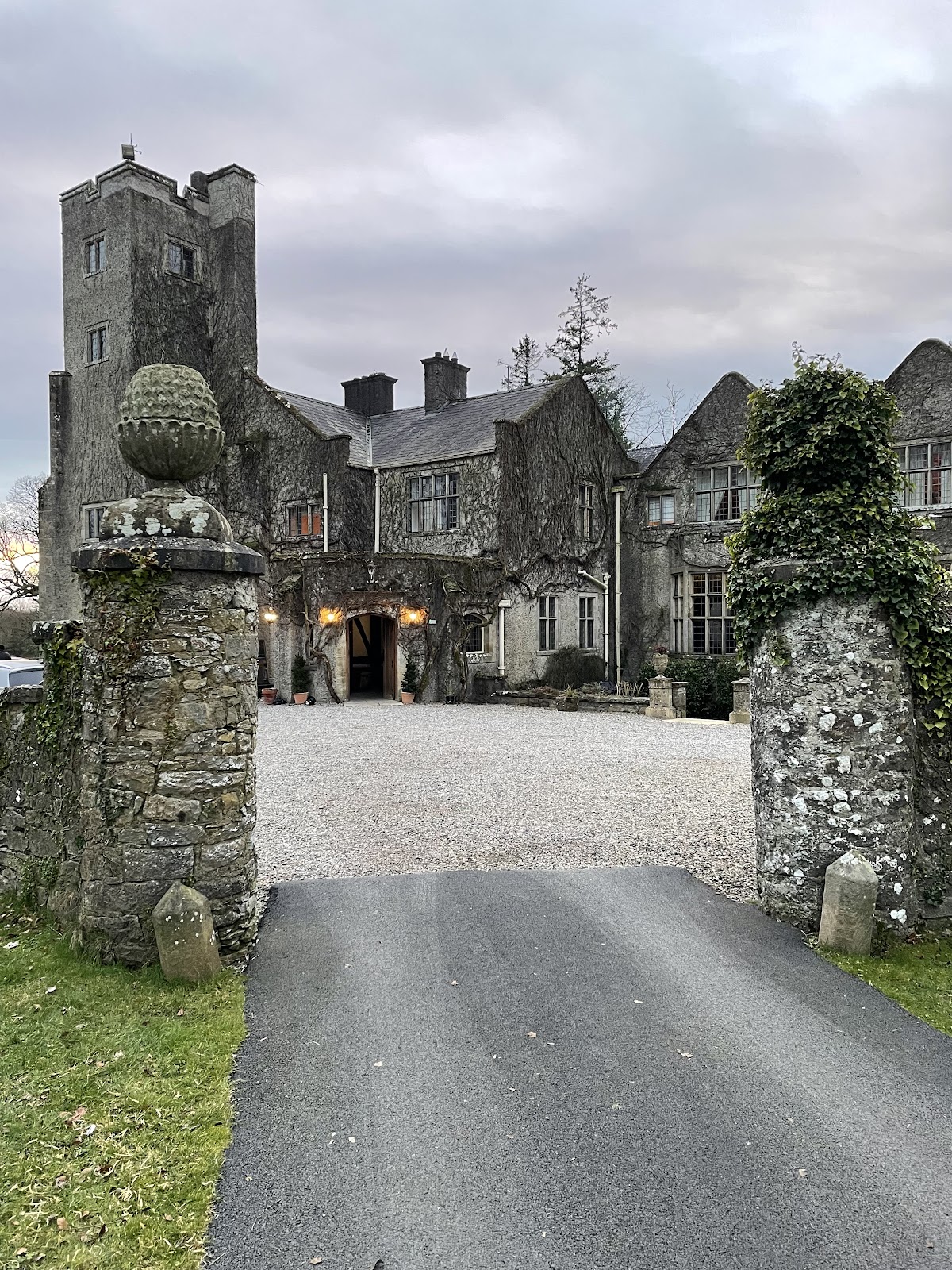
Belle Isle Castle is a historic estate complex on Belle Isle near Lisbellaw in the United Kingdom. It originated as a single house around 1700, after Sir Paul Gore, 1st Baronet, acquired the island. Sir Ralph Gore, 4th Baronet, commissioned and occupied the house, which later became the birthplace of his grandson, Sir Ralph Gore, 6th Baronet and later 1st Earl of Ross, in 1725. A baronet was a hereditary British title ranking below a baron, while an earl was a higher-ranking peer.
During his lifetime, Sir Ralph Gore expanded and improved the property with the help of Thomas Wright, an eighteenth-century British designer associated with landscape and garden design. The work added cottages and a tower, while the garden and park were extended toward the shore of Lough Erne, a connected system of lakes in County Fermanagh.
Inheritance and ownership
After Ralph Gore died in 1801, the estate passed to his only surviving child, Lady Mary Hardinge, who was married to Sir Richard Hardinge, 1st Baronet. Following their deaths in 1824 and 1826, respectively, the property passed to their nephew, Rev. Sir Charles Hardinge, 2nd Baronet, of Tonbridge in Kent. Charles Hardinge had little interest in Belle Isle and sold the castle and estate in 1830 to Rev. John Grey Porter of Kilskeery for £68,000.
Porter’s descendants retained the property until 1991. During that period, the castle grew beyond its original form through the addition of office wings, farm buildings, rooms, cottages, and other structures. In 1991, Porter descendant Lavinia Baird sold the estate to James Hamilton, 5th Duke of Abercorn, who acquired it for his younger son, Lord Nicholas Hamilton. The Hamilton family extensively refurbished and restored the castle that year and reshaped the estate as a hotel and wedding venue.
Public use and present role
The estate had been open to the public since 1760, when it began hosting events. Its present use continues that long connection with public gatherings, while the wider property also includes a cookery school opened in 2004. Belle Isle Castle and its estate are legally protected as a historic and architectural monument. The estate covers approximately 470 acres, equivalent to 190 hectares.
Remains
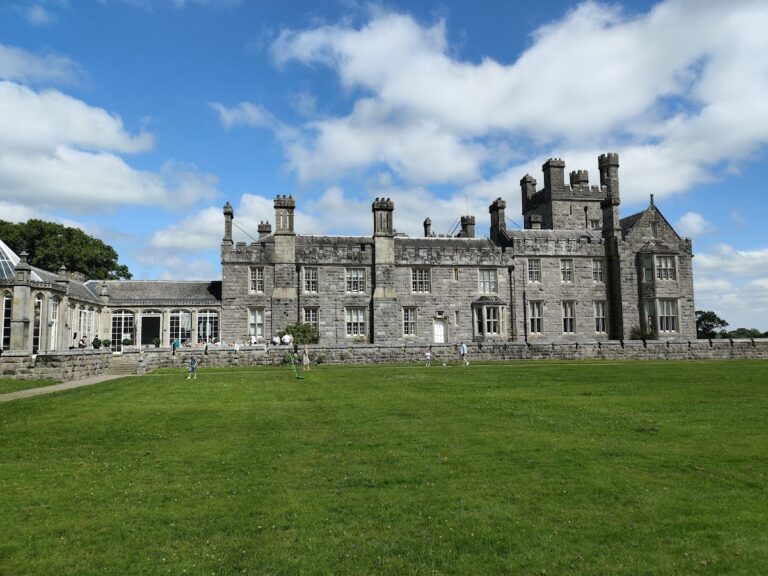
Main house and landscaped grounds
The physical complex developed from a single house into an expanded estate arrangement containing a gallery, an overlook tower, a courtyard, and a grand banquet hall. Its eighteenth-century growth included additional cottages and a tower, together with a garden and park reaching around the estate toward the shore of Lough Erne. A garden established in the eighteenth century remains part of the grounds, linking the house and its associated buildings with the surrounding landscape.
Associated estate buildings
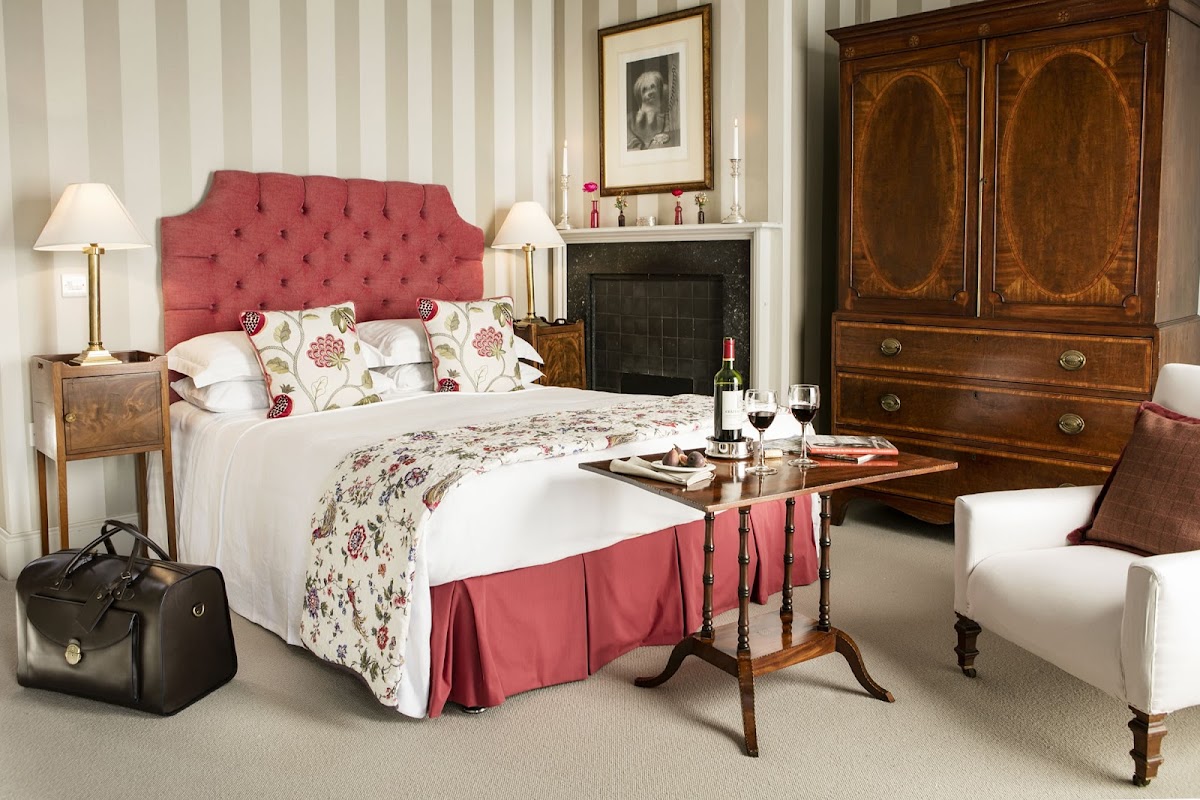
Coach houses, farm buildings, office wings, cottages, and other associated structures form part of the estate complex. Coach houses were traditionally used to store carriages and house horses, and those at Belle Isle have been adapted for guest accommodation. Cottages have also been converted for accommodation, with rooms arranged in different styles.
Interiors and later landscape management
The interiors contain Irish and English furnishings, a large open fireplace, and paintings by Russian, Irish, and English artists. Artistically finished windows and ceilings contribute to the interior decoration, while a floor-to-ceiling panoramic window overlooking the garden was installed in the eighteenth century. Pine martens were reintroduced to the grounds from 2018 to help control the grey-squirrel population, adding a later ecological intervention to the estate’s continuing management.