Transfiguration Church of Chișinău: An Orthodox Church and Former Planetarium
Site at a Glance
- Popularity
- Medium
- Country
- Moldova
- Primary era
- Modern
- Eras represented
- Modern
- Civilizations
- Russian
- Site type
- Religious
- Remains
- Church
On this page9 sections
History
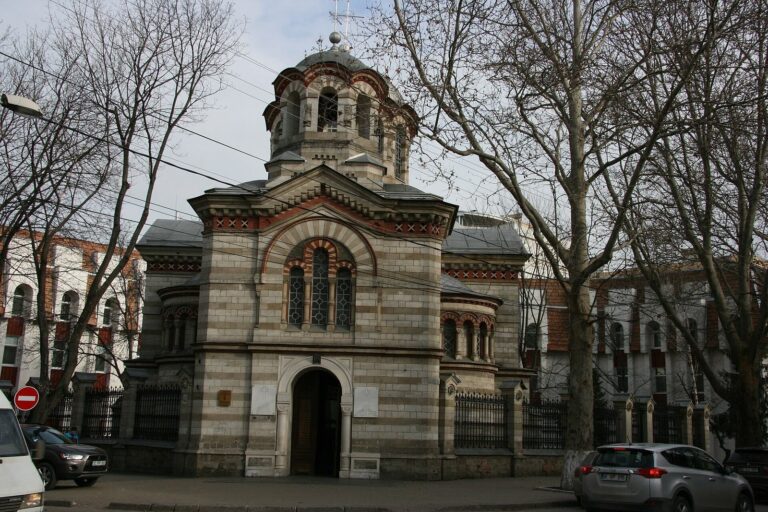
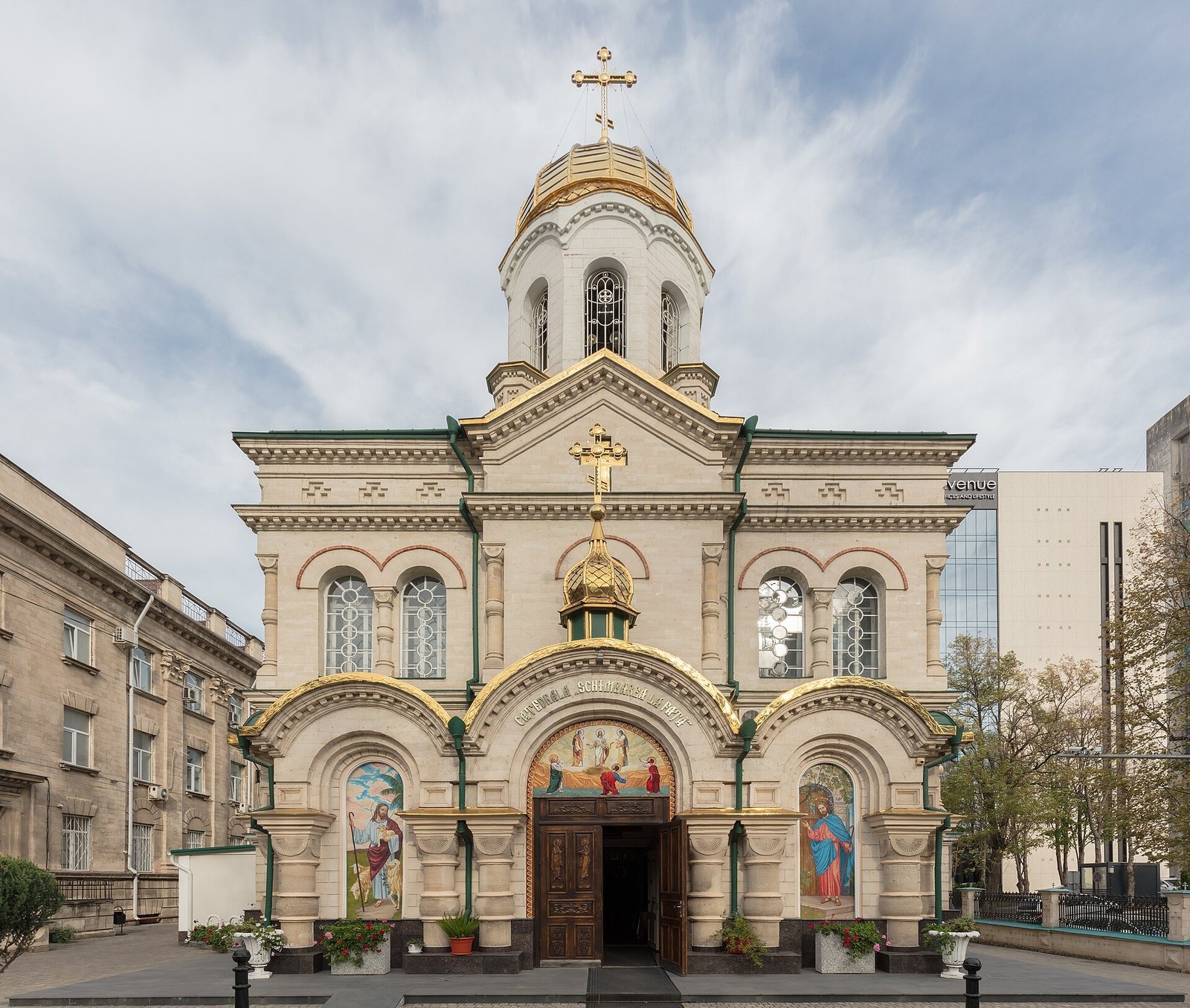
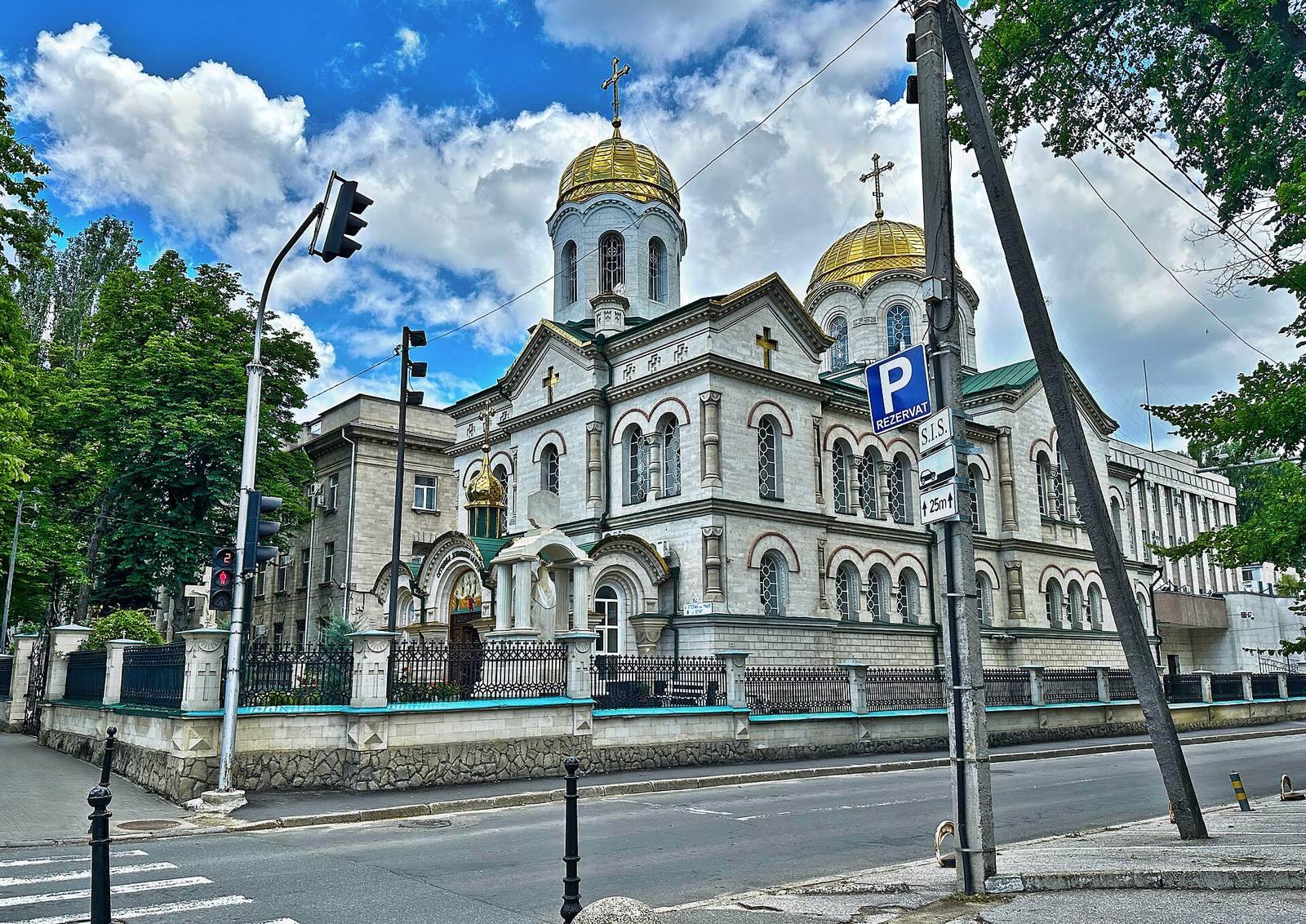
The Transfiguration Church of Chișinău is an Eastern Orthodox parish church in Moldova, built in 1899–1902 in the Russo-Byzantine style, which combines Russian and Byzantine forms. It belongs to the Moldovan Orthodox Church and the Chișinău diocese. Its present dedication is the Transfiguration of the Lord, a Christian feast recalling Christ’s manifestation in glory to his disciples, commemorated on 6/19 August.
Foundation and dedication
The church began as a chapel for the nearby No. 2 boys’ gymnasium, a secondary school. Teacher and philanthropist Constantin A. Namestnik initiated the project with the school’s director, Nikolai Alayev. Namestnik led the fundraising, while Chișinău Eparchy architect Mihail Seroținski and architect Vladimir Cyganko designed the building. It was originally dedicated to Saints Constantine and Helena, revered Christian figures: Constantine was a Roman emperor, and Helena was his mother.
The building committee first had 15,000 rubles. The allocation later rose to 35,589 rubles and 11 kopecks, allowing the founders to build a freestanding church. Construction began in 1899, and the church was consecrated on 19 May 1902, when its first Divine Liturgy, the principal service of Orthodox worship, was celebrated. Namestnik died in 1905 and, as he had requested, was buried in the crypt beneath the church.
School use and the planetarium
During the interwar years, the church continued to serve the school, which had become a military high school. In 1941, during its retreat from Bessarabia, the Soviet army destroyed the school building. The church survived the Second World War without damage. It was closed from 1940 to 1942, then reopened.
Soviet authorities closed the church in 1962 and converted it into a planetarium, reflecting both anti-religious policy and the expansion of planetariums after Yuri Gagarin became the first person to travel into space in 1961. The institution presented astronomy and also promoted atheism.
Return to worship and protection
The planetarium closed permanently on 24 October 1991, and the building returned to the Orthodox Church that year. The church was reconsecrated on 3 September 1998 under its present dedication.
The church is recognized as an architectural monument of national importance. It is also listed in Chișinău’s register of historic and cultural monuments and Moldova’s register of state-protected monuments.
Remains
Church form and successive interiors
Plan and exterior
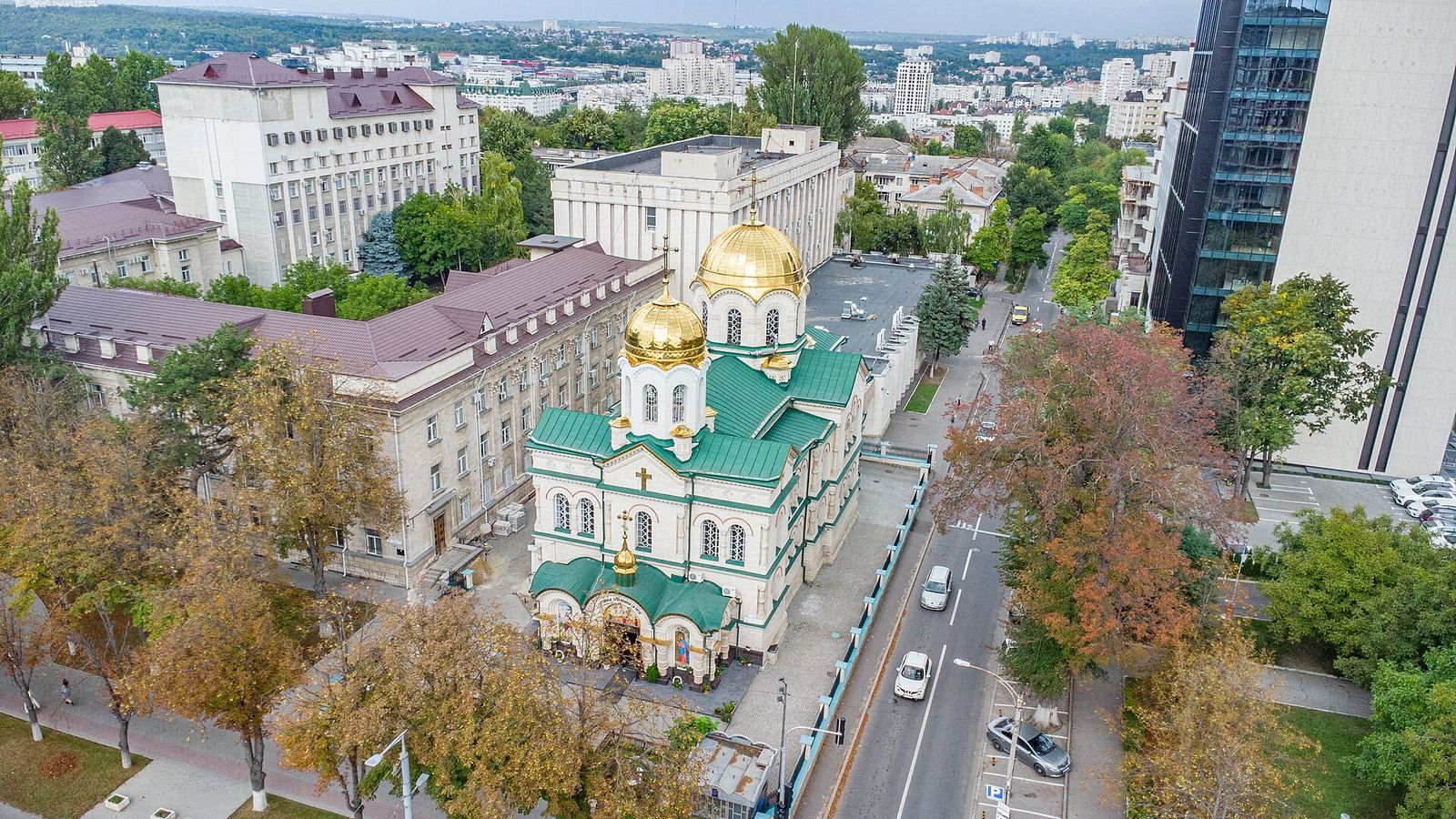
The brick church has an inscribed Greek-cross plan, with four arms arranged within a square around a central space. Four pillars support a circular drum, the structure beneath the central dome. The building has one nave and two domes. Its bell tower rises above the entrance vestibule and carries the smaller dome; a porch with sturdy columns stands in front of the entrance.
Worship furnishings
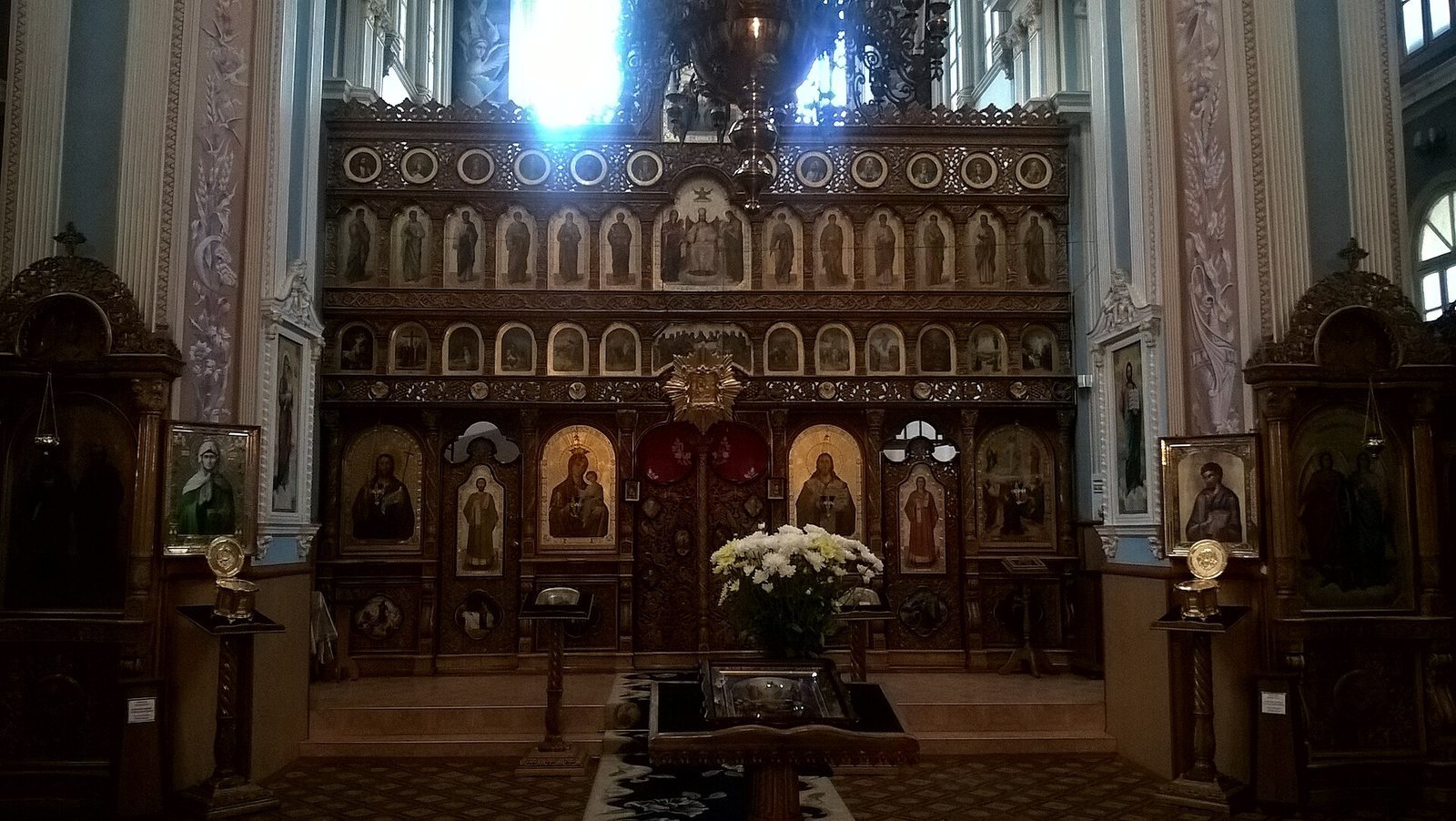
The original interior included a four-tier wooden iconostasis, a screen of icons separating the sanctuary from the main worship area. It was gilded and made by S. Kirilov. Kyiv icon painter Ivan Mishchenko painted the icons and frescoes, wall paintings made on wet plaster. At the founders’ request, the images followed works by Viktor Vasnetsov, Mikhail Nesterov, and Pavel Svedomsky for Kyiv’s St. Vladimir’s Cathedral. The church bells were cast in Yaroslavl. The original furnishings were destroyed during the building’s use as a planetarium.
Planetarium alterations and restoration
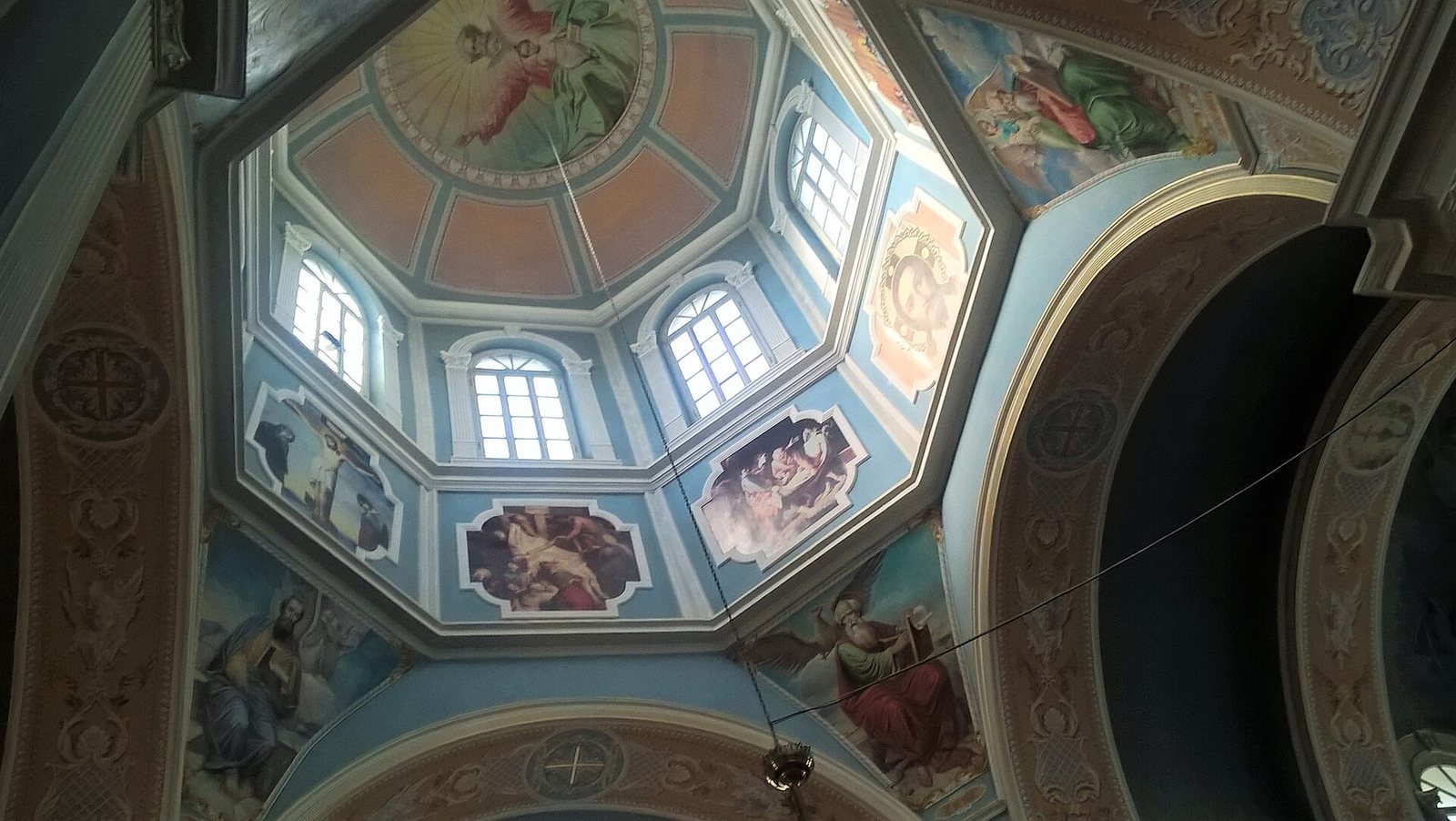
The planetarium’s equipment included constellations painted on the entrance-hall ceiling, a two-metre-wide globe, a model of the Moon, a life-size model of the first artificial satellite, and a copy of a Soviet lunar rover. Its main projector cast images upward onto the church dome. A fire in 1990 caused the dome to collapse and destroyed the projection equipment.
Restoration for religious use began in 1991. From 1992, a replacement iconostasis and side icons were installed. In 2010, a team led by Aurica Modarca began work on new frescoes.