Chapel of Our Lady of Salvas: A Marian Sanctuary in Sines
Site at a Glance
- Popularity
- Low
- Country
- Portugal
- Primary era
- Early Modern
- Eras represented
- Medieval, Early Modern
- Civilizations
- Portuguese
- Site type
- Religious
- Remains
- Church
On this page8 sections
History
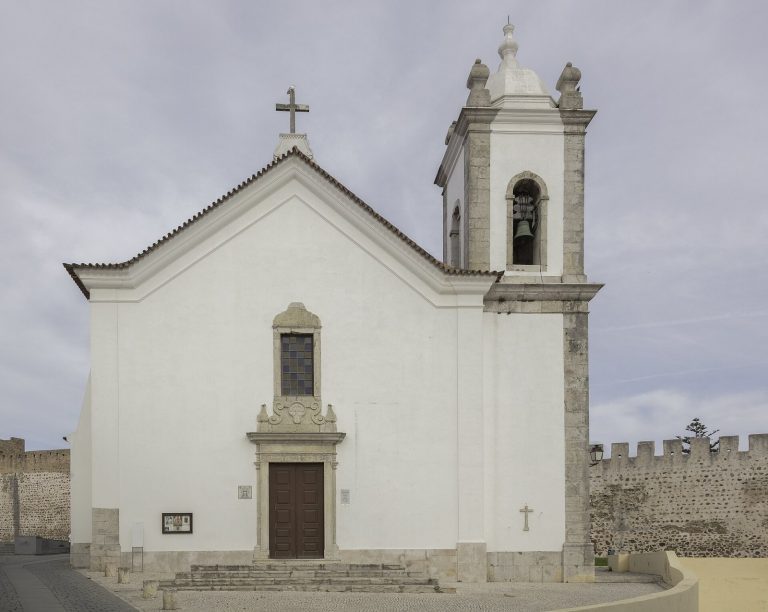
The Chapel of Our Lady of Salvas is a Marian church in Sines, Portugal. Vasco da Gama commissioned its larger sanctuary in the fifteenth century, and it was consecrated in 1529. Its limestone portal is Manueline, a Portuguese late Gothic style. The church became an important center of devotion to the Virgin Mary, especially for people whose work was connected with the sea.
The foundation tradition
Tradition places the first chapel here in the late thirteenth or early fourteenth century and attributes its foundation to the Greek princess Betaça Lescaris. According to the story, she vowed during a storm at sea to build a chapel to the Virgin Mary at the first port she reached, and to give a fragment of the True Cross to the nearest castle, at Santiago do Cacém. She had come to Portugal to serve Isabel, who later became the wife of King Dinis.
Vasco da Gama’s sanctuary
In the fifteenth century, Vasco da Gama ordered a larger sanctuary near the old hermitage, which had fallen into ruin. His successful voyage to India may have prompted the project. The Order of Santiago, a religious and military order, opposed the construction. Its master, Jorge de Lencastre, tried unsuccessfully to halt it and directed that the original hermitage be enlarged instead. The church was consecrated in 1529 and underwent major alterations during the sixteenth century.
Later alterations and devotion
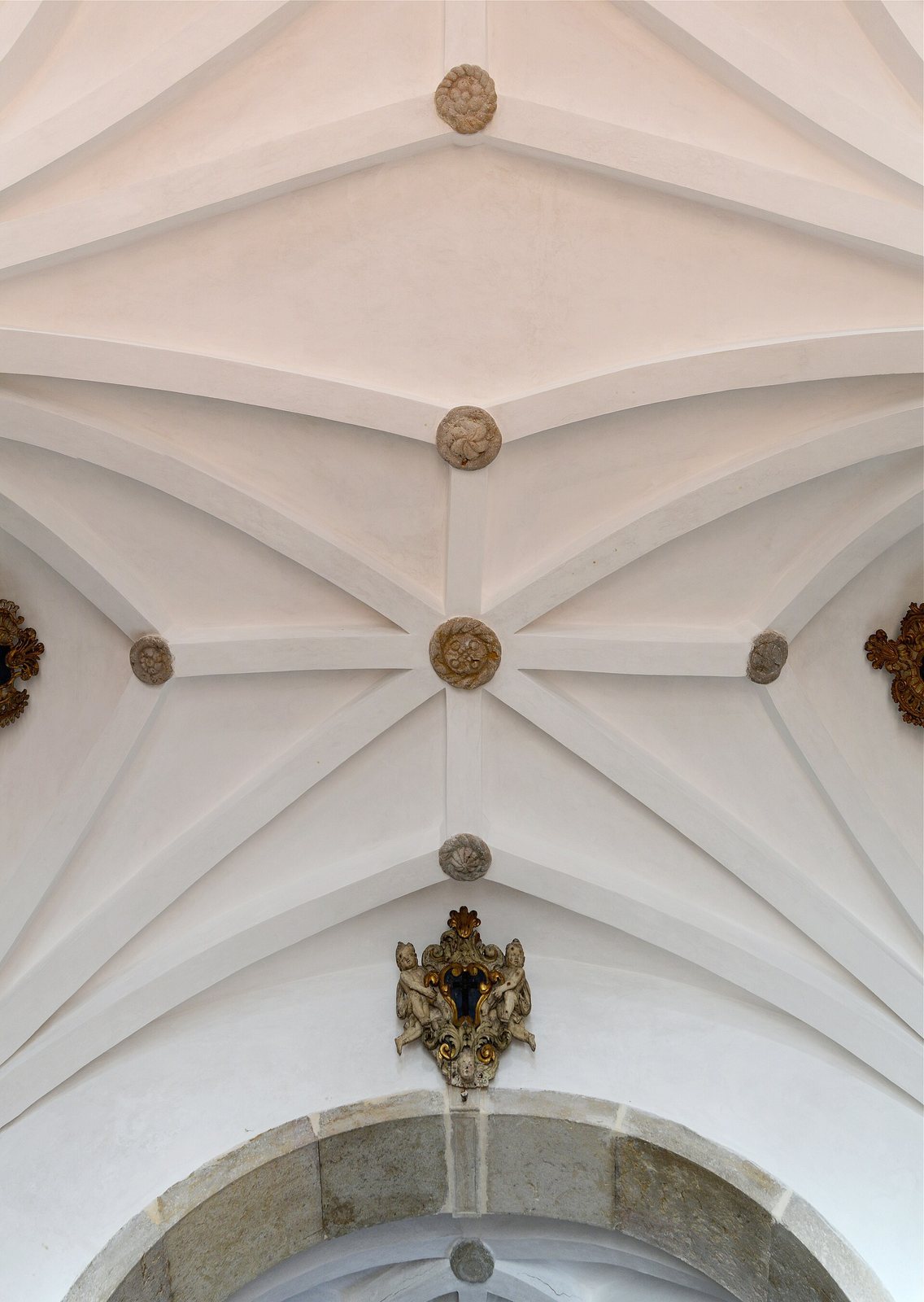
Work around the turn of the seventeenth and eighteenth centuries included installing the main altarpiece. The 1755 earthquake damaged the church, and subsequent repairs and decoration affected the main façade and the first section of the vaulted ceiling. In the 1770s, workers tiled the interior and added Rococo decoration, an elaborate style with curved ornament.
The church’s August celebration includes processions on land and at sea. Shipwreck survivors once brought ex-votos, offerings made in gratitude for deliverance, crediting Our Lady of Salas with their rescue. The names Salas and Salvas have several proposed origins: they may refer to fish-salting works near the port, the rescue of the princess and her companions, or salutes fired by Vasco da Gama’s ships as they passed Sines. In the nineteenth century, local interest increasingly presented da Gama as a national hero. In the 1830s, Jacinto Falcão Murzello de Mendonça commissioned an oil portrait of him from Auguste Roquemont. The custom of giving dresses to the Virgin’s image may have begun with da Gama’s mother, Isabel Sodré.
The church was classified as a National Monument in 1922, and a special protection zone was defined in 1979. Work around the building in 1961–62 included demolishing the pilgrims’ houses and a hermit’s house. Restoration began in the 1990s. The Treasury of Our Lady of Salvas museum unit opened inside the church in 2006, as the sixth unit in the Museum Network of the Diocese of Beja.
Remains
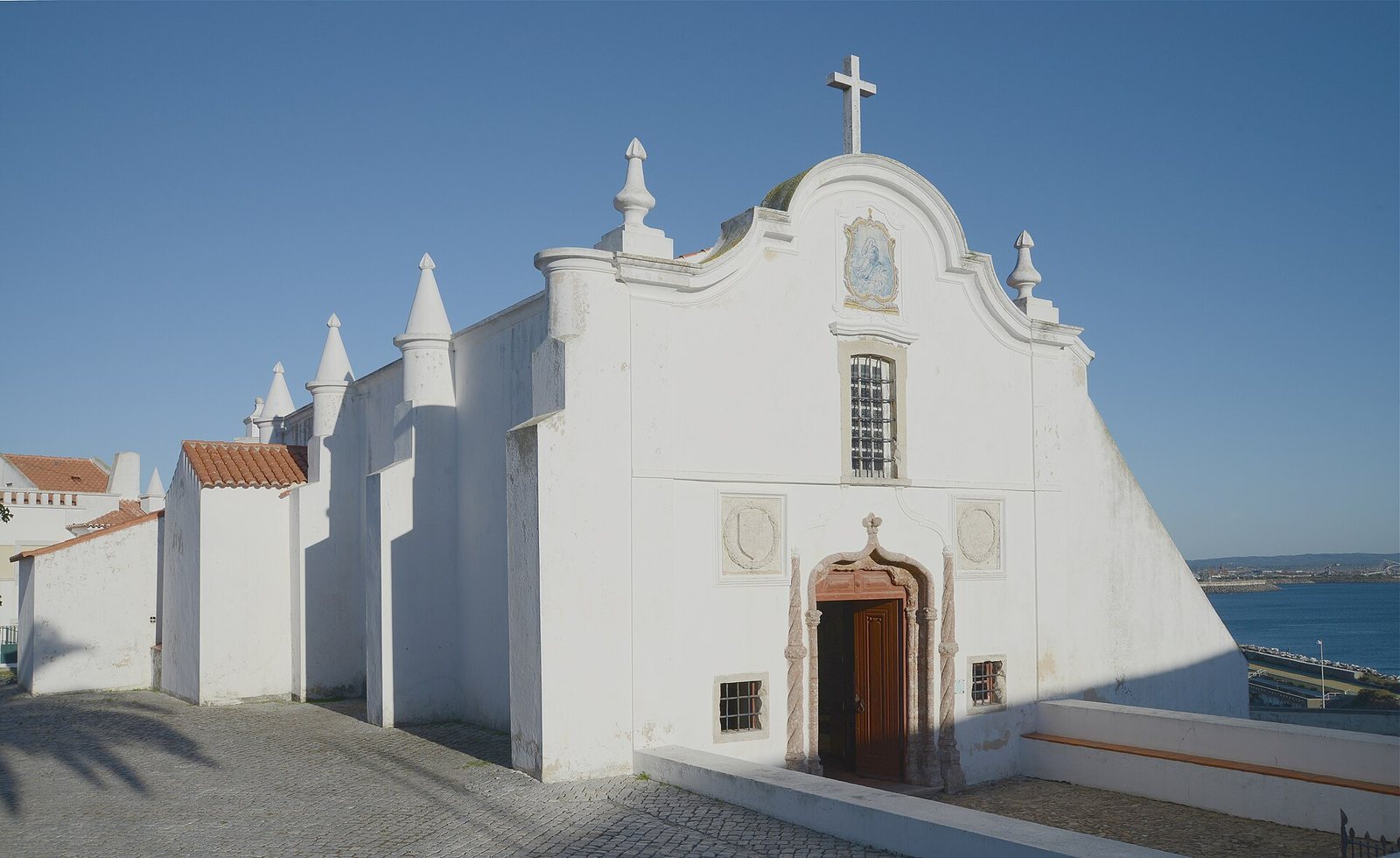
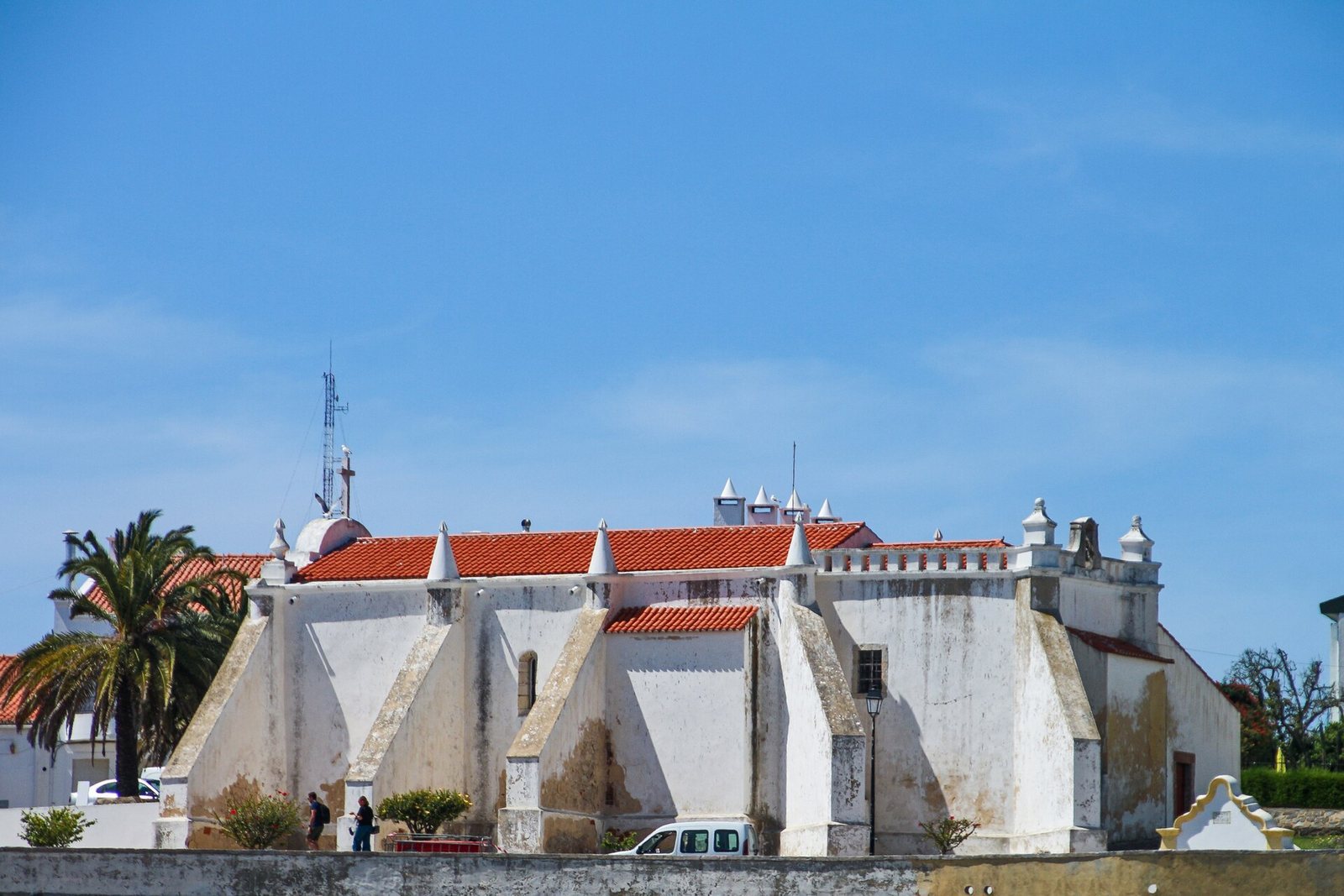
The present church stands in Largo de Nossa Senhora das Salas in Sines. Its physical features include a limestone entrance portal, a decorated main façade, and an interior with glazed tiles and altarpieces. The earlier hermitage stood nearby.
The earlier hermitage
The original hermitage was a simple building with a single nave and a holy spring inside. It stood close to the present church, probably near the spring associated with Fonte de Dona Betaça.
Portal and façade
The church’s limestone portal is in the Manueline style. Two plaques beside it display the Gama family arms and an inscription naming Vasco da Gama as the church’s builder and identifying him as Count of Vidigueira, Admiral and Viceroy of the Indies. A frame on the main façade contains an image inspired by a painting by Rubens.
Interior and collection
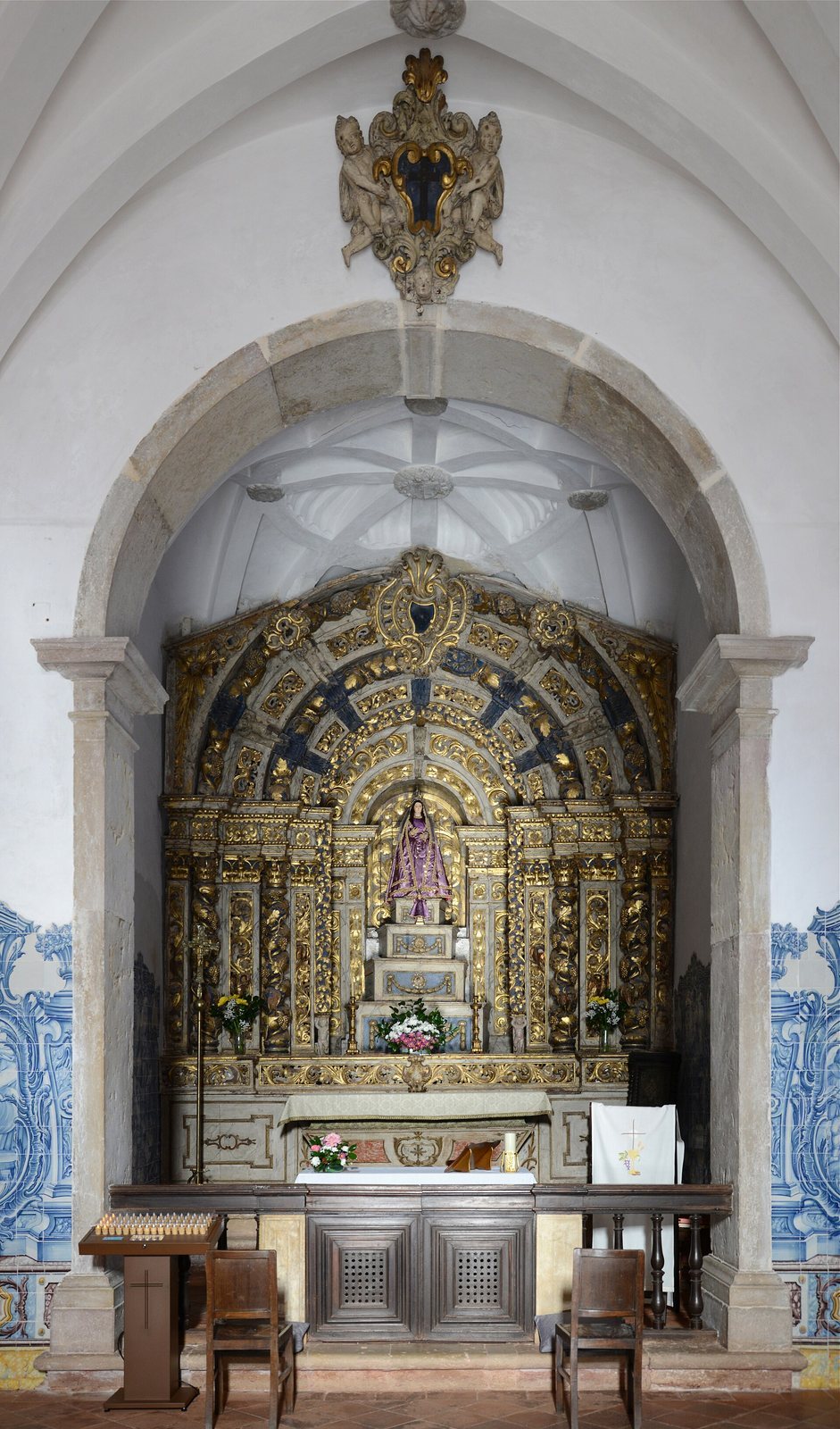
Eighteenth-century glazed tiles cover parts of the interior walls and depict episodes from the life of the Virgin Mary. The main altarpiece has gilded carving and Rococo details, with an image of Our Lady of Salas above the high altar. Another altarpiece is dedicated to the Lord of Victory.
The museum collection inside the church includes religious furnishings, jewelry, and embroidered dresses given over time to the Virgin’s image. Silver furnishings, earrings, rings, and tremblers, ornaments with movable elements, illustrate changes in Portuguese jewelry from the eighteenth to the nineteenth century. Other objects came from Christian sanctuaries in the municipality, including the former Hermitage of Saint Catherine and Convent of Saint Anthony. The collection also includes Roquemont’s oil portrait of Vasco da Gama, commissioned in the 1830s.