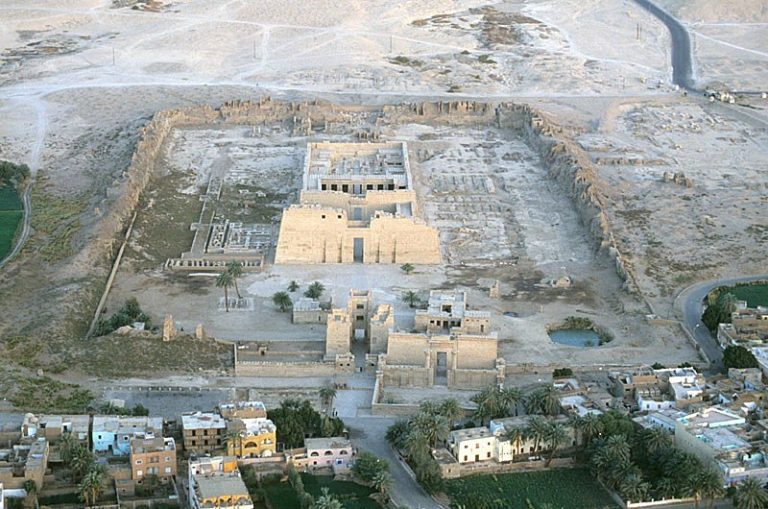
Mortuary Temple of Merenptah: A Royal Cult Complex in Ancient Egypt
Site at a Glance
- Rating
- 4.2
- Popularity
- Very Low
- Country
- Egypt
- Primary era
- Bronze Age
- Eras represented
- Bronze Age
- Civilizations
- Egyptian
- Site type
- Religious
- Remains
- Temple
On this page6 sections
History
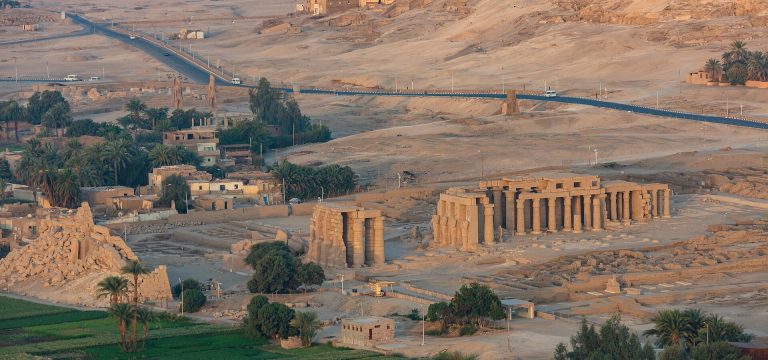
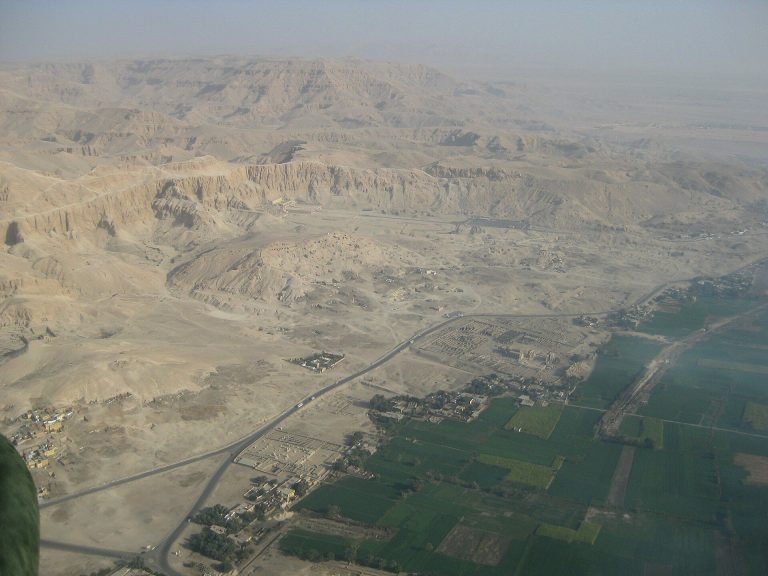
The Mortuary Temple of Merenptah was an ancient Egyptian royal cult complex in Al Qarna, on the west bank of the Nile in Egypt, opposite modern Luxor. Built around 1210 BC during the Nineteenth Dynasty, it served Pharaoh Merenptah, son and successor of Ramesses II, and was intended to maintain offerings and religious rites for the king after death. Such a complex, known as a temple of millions of years, helped preserve the deceased pharaoh’s cult and support the immortality of his soul.
Construction and reuse
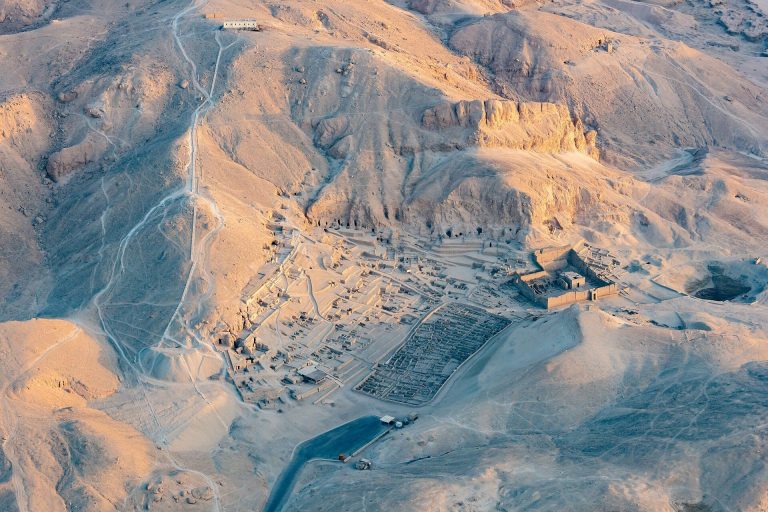
Construction took approximately five years. The temple stood in the Theban Necropolis beside the mortuary monuments of earlier and later rulers, and its design was modelled on the Ramesseum, the mortuary temple of Ramesses II. It lay along the processional route of the Beautiful Festival of the Valley, a Theban religious festival in which a divine image was carried between temples on the east and west banks of the Nile.
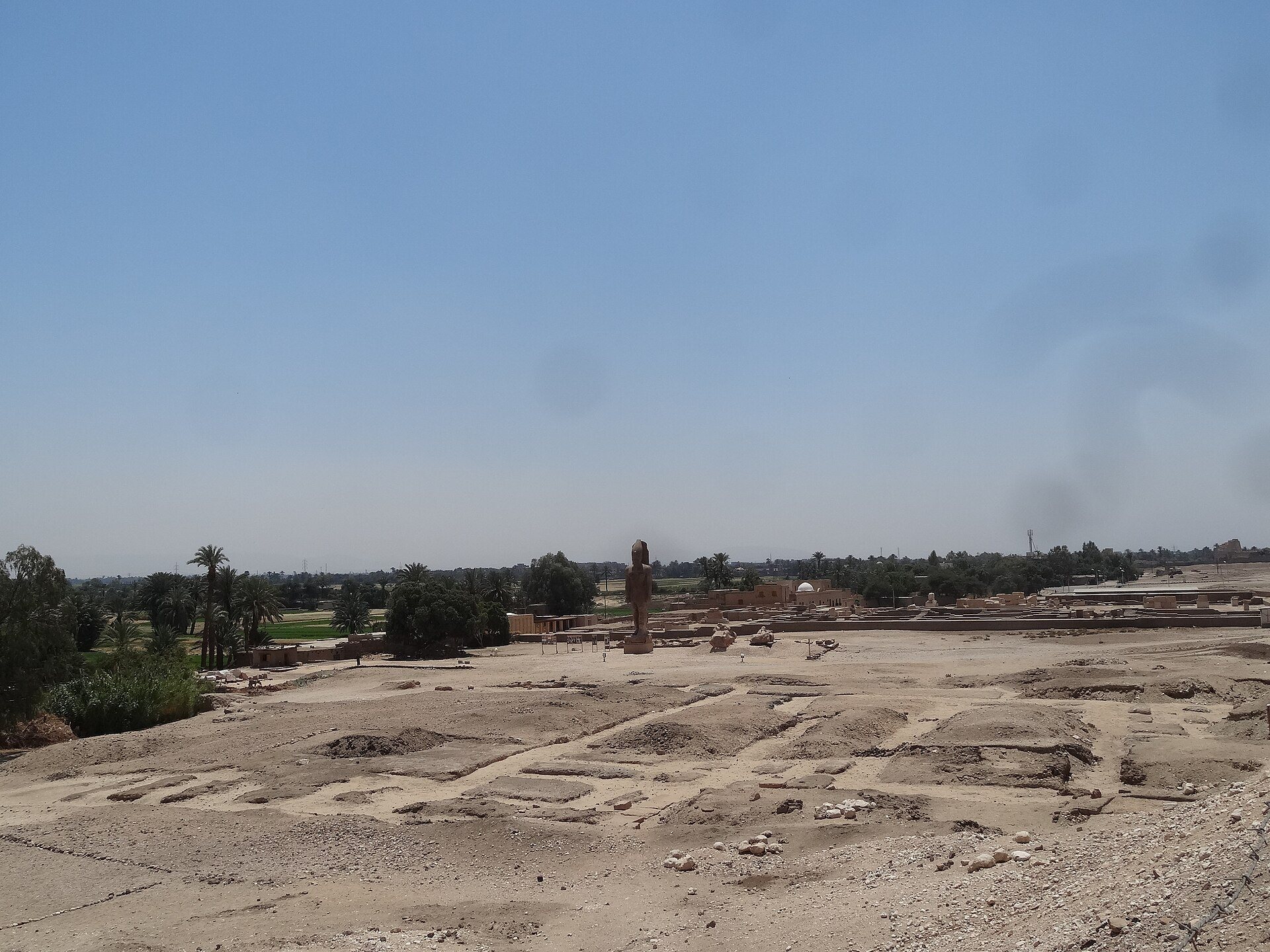
Merenptah’s builders combined new materials with a large quantity of material dismantled from the nearby mortuary temple of Amenhotep III. That earlier New Kingdom temple had been built roughly 150 years before and was already largely ruined during Merenptah’s reign, probably following a major earthquake. Its stones, mudbricks, stelae, and statues were systematically reused. Some pieces were plastered and recarved, while the previously unused backs of stelae received new inscriptions.
The date of the temple’s destruction is uncertain, but the monument had been ruined before the Ptolemaic period. During the Ptolemaic dynasty, its remains were quarried for limestone. Other blocks were later incorporated into the mortuary temple of Ramesses III, and some battle accounts carved there may reproduce texts that originally decorated Merenptah’s temple.
Rediscovery and restoration
French scholars visiting the Theban Necropolis during Napoleon’s Egyptian campaign of 1798 to 1801 found the temple completely ruined. Local inhabitants were quarrying its remains for lime, and the extensive presence of material from Amenhotep III’s temple initially led scholars to attribute the ruins to that earlier pharaoh.
Flinders Petrie first studied the temple in 1896. He had intended to excavate Amenhotep III’s mortuary temple, but that excavation concession had been assigned to Jacques de Morgan, director of Egypt’s Antiquities Service. Petrie instead cleared and excavated the smaller neighboring monument, identified it as Merenptah’s temple, studied its remains, and prepared plans.
The Swiss Institute for Architectural and Archaeological Research on Ancient Egypt later undertook a seventeen-year programme of study and restoration under Horst Jaritz. The work lasted from 1971 to 2002, and the monument was officially opened to the public in April 2002.
Remains
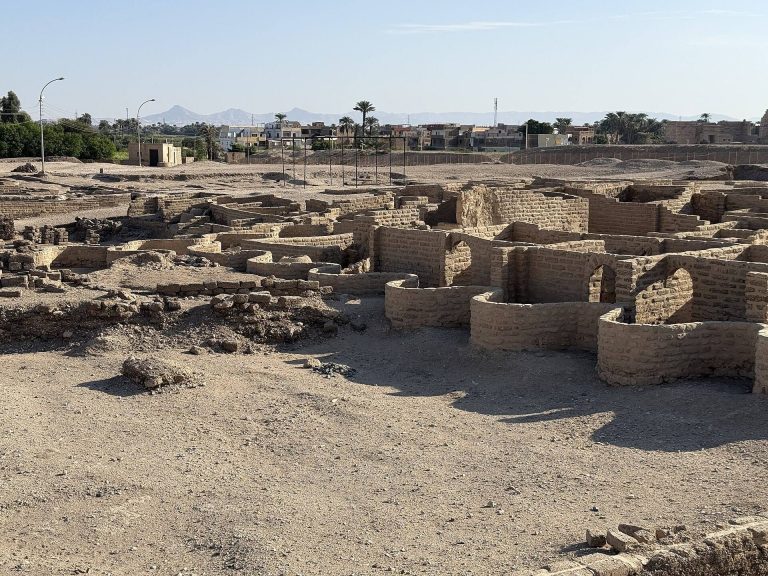
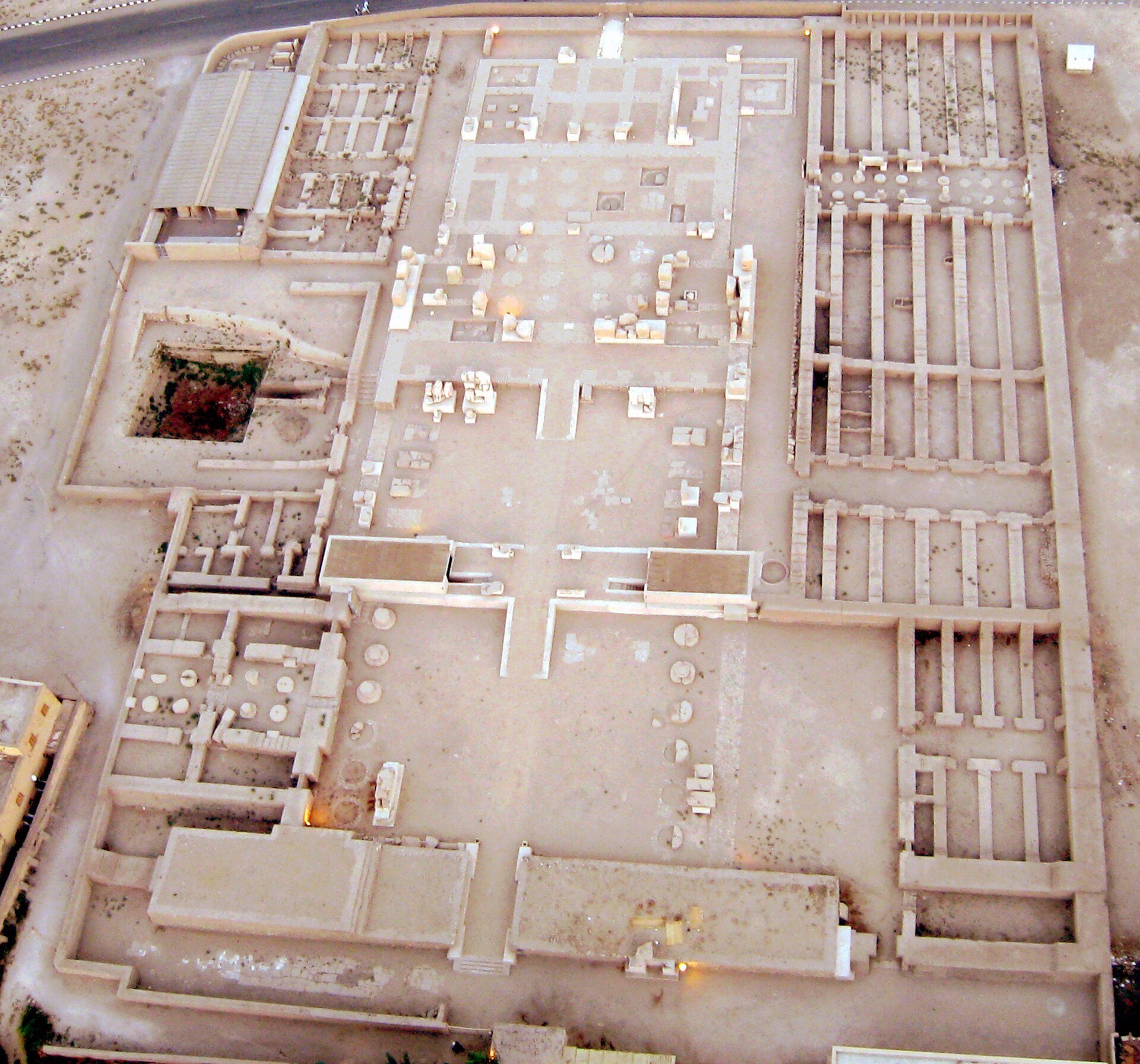
The complex occupied the northwestern corner of Amenhotep III’s mortuary temple and extended into its enclosure. It measured approximately 120 metres from north to south and 100 metres from east to west. The principal structures were built mainly of limestone and sandstone, while mudbrick was used for the palace, storage and service rooms, annexes, and enclosure walls.
Layout and surviving fabric
The main temple followed a conventional sequence. A pylon, the monumental gateway formed by two massive tapering towers, opened onto a courtyard. A second pylon led into another courtyard, followed by two successive hypostyle halls, or rooms whose roofs were supported by columns, and then the sanctuary. The surrounding mudbrick areas contained the palace, storage rooms, service spaces, annexes, and enclosure walls. The monument is now almost entirely destroyed, but stones from Amenhotep III’s temple that were reused in Merenptah’s foundations remain particularly well preserved and retain their original decoration and reliefs.
Excavated finds and inscriptions
Petrie recovered fragments of sphinxes, divine and royal statues, jackal effigies, stelae, ostraca, and pottery. Ostraca are inscribed pieces of pottery or stone used for writing, drawing, or administrative records. The excavation produced more material from Amenhotep III’s temple than was recovered from that monument itself during de Morgan’s excavations.
Among the most important finds was the Victory Stele, a granite monument originally taken from Amenhotep III’s temple and reused at Merenptah’s complex. During Merenptah’s reign, its previously blank reverse was inscribed with an account of the pharaoh’s military victories. The text may include one of the earliest references to Israel, although that interpretation remains widely debated.