The Commandery: A Medieval Hospital and Royalist Headquarters in Worcester
Site at a Glance
- Popularity
- Medium
- Country
- United Kingdom
- Primary era
- Medieval
- Eras represented
- Medieval, Early Modern
- Civilizations
- British, English
- Site type
- Civic
- Remains
- Hospital
On this page15 sections
History
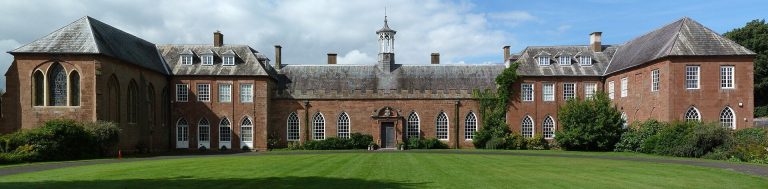
The Commandery is a historic complex in Worcester, United Kingdom, with a surviving building supported by a timber frame and rooted in a medieval hospital. Rebuilt in the 15th century, it later served as the Royalist headquarters during the Battle of Worcester in 1651.
Chapel and hospital
A chapel dedicated to St. Gudwal stood on the site by the 950s. Around 1085, Bishop Wulfstan of Worcester ordered a hospital to be built around it. The institution served as an almshouse and hospice for people in poverty, pilgrims, and those who were terminally ill.
The hospital was probably renamed for Wulfstan after his canonization, the formal recognition of a deceased person as a saint, in 1203. Its earliest written account appears in The Miracles of St. Wulfstan, compiled in 1240. The text tells of Thomas of Eldersfield, who was blinded and castrated after losing a judicial duel, a court-ordered contest used to settle a legal case. A lay sister named Ysabel cared for him, and the story credits a miracle with his recovery. The legal case reached royal justices in 1221, confirming that the hospital existed by then and leaving open the possibility that its buildings dated to the 12th century.
Hospital management and reform
Walter de Wredens was the first known master, or head, of the hospital. He held the position until his death around 1290 and may previously have fought in the Crusades with either the Knights Templar or the Knights Hospitaller, medieval religious-military orders. An unconfirmed tradition connects the name The Commandery with Walter supposedly keeping the military title Commander and a successor adopting it too.
A record from 1294 places 22 people, all described as sick, in the infirmary. By the late 14th century, the hospital also granted corrodies, arrangements that exchanged a person’s property for lifelong shelter and food. In 1403, Ralph and Alicia Symondes received a house and money instead of places in the hospital, reflecting its growing commercial activity.
In 1441, Bishop Bourchier of Worcester restricted the institution to providing weekly bread to poor people and caring for sick inmates. He set its management at one master, two chaplains, five brethren, and two sisters. The hospital was rebuilt around 1460-1470, and the revised arrangement continued until its dissolution in 1540.
Dissolution and private ownership
Richard Morysyne purchased the hospital and chapel in 1539. Henry VIII dissolved the institution in 1540 as part of the suppression of monastic establishments in England. The Commandery was among the last such institutions dissolved in the country. Morysyne, its final master and a member of the king’s private household, appears to have been appointed to settle its affairs. The property’s ownership after dissolution is uncertain: it may have been granted to him for £14, or he may have surrendered it to the king, who then gave it to Christ Church, Oxford. The former hospital became a residence, while the chapel was stripped of valuables and fell into ruin.
Thomas Wylde, a Worcester clothier, leased the building in 1541 and bought it outright in 1545 for £498. His family later supported Charles I and Charles II.
Royalist headquarters
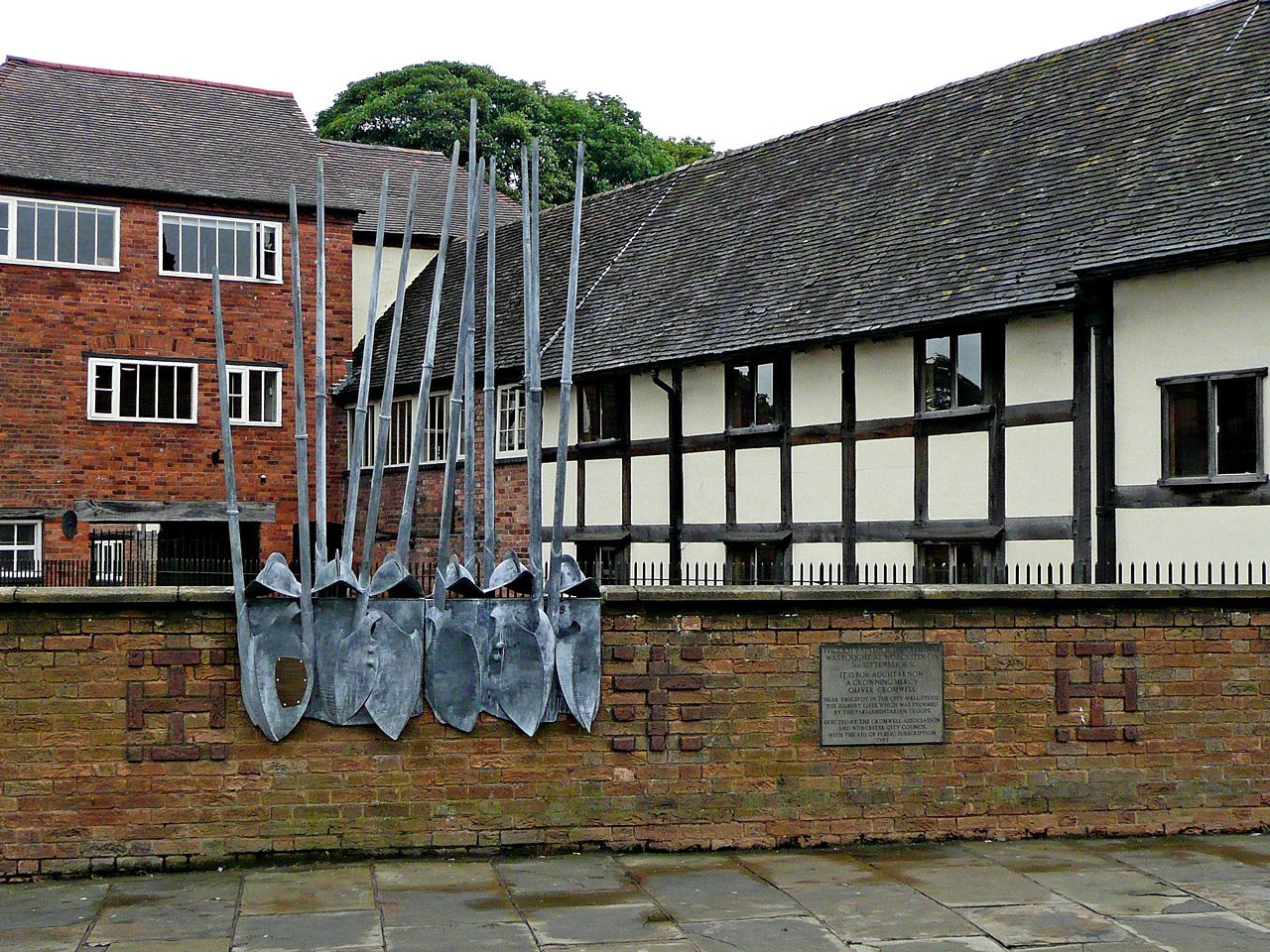
During the English Civil War, the conflict between supporters of the monarchy and Parliament, the Commandery became the Royalist army’s headquarters for the Battle of Worcester on 3 September 1651. The Parliamentarian victory forced Charles II to flee. William Hamilton, a Scottish nobleman and Royalist commander, died at his lodgings in the Commandery on 12 September. Exhausted and suffering from an injured leg, he had refused a Parliamentarian surgeon’s offer to amputate it.
Later uses and preservation
The chapel’s last remains were probably demolished in the 18th century. John Dandridge, a lawyer and land developer, bought the property from Thomas Wylde in 1764. In 1786, John Adams and Thomas Jefferson visited the Commandery, drawn to Worcester by their view of the battle as a struggle over Britain’s constitutional liberties.
In the mid-19th century, Richard Mugg-Mence acquired the building and removed original material and wood panelling from the great hall, damaging it. From 1866 to 1887, the Mence family leased the Commandery to Worcester College for Blind Sons of Gentlemen. Its first headmaster, the Reverend Robert Hugh Blair, advocated formal education and professional opportunities for blind boys. His successor extended scholarship opportunities to boys from poorer families and planned a similar school for girls.
Joseph Littlebury bought the Commandery in 1888 and established the Littlebury & Company printworks there, while his family lived in another wing. The works produced newspapers, glossy magazines, railway timetables, and town guides. They closed in 1973 when the last owner retired.
Worcester City Council bought the property and opened it as a museum in 1977. For a time, it was England’s only museum devoted exclusively to the Civil Wars. After the building was judged unsafe to enter in 1985, work to repair and restore it followed. Excavations took place from 2004 to 2006. After further restoration and a broader interpretation of the site, the museum reopened in May 2007. The Commandery became a Grade I listed building in 1971, the highest category of listed-building protection in England, and remains owned by Worcester City Council.
Remains
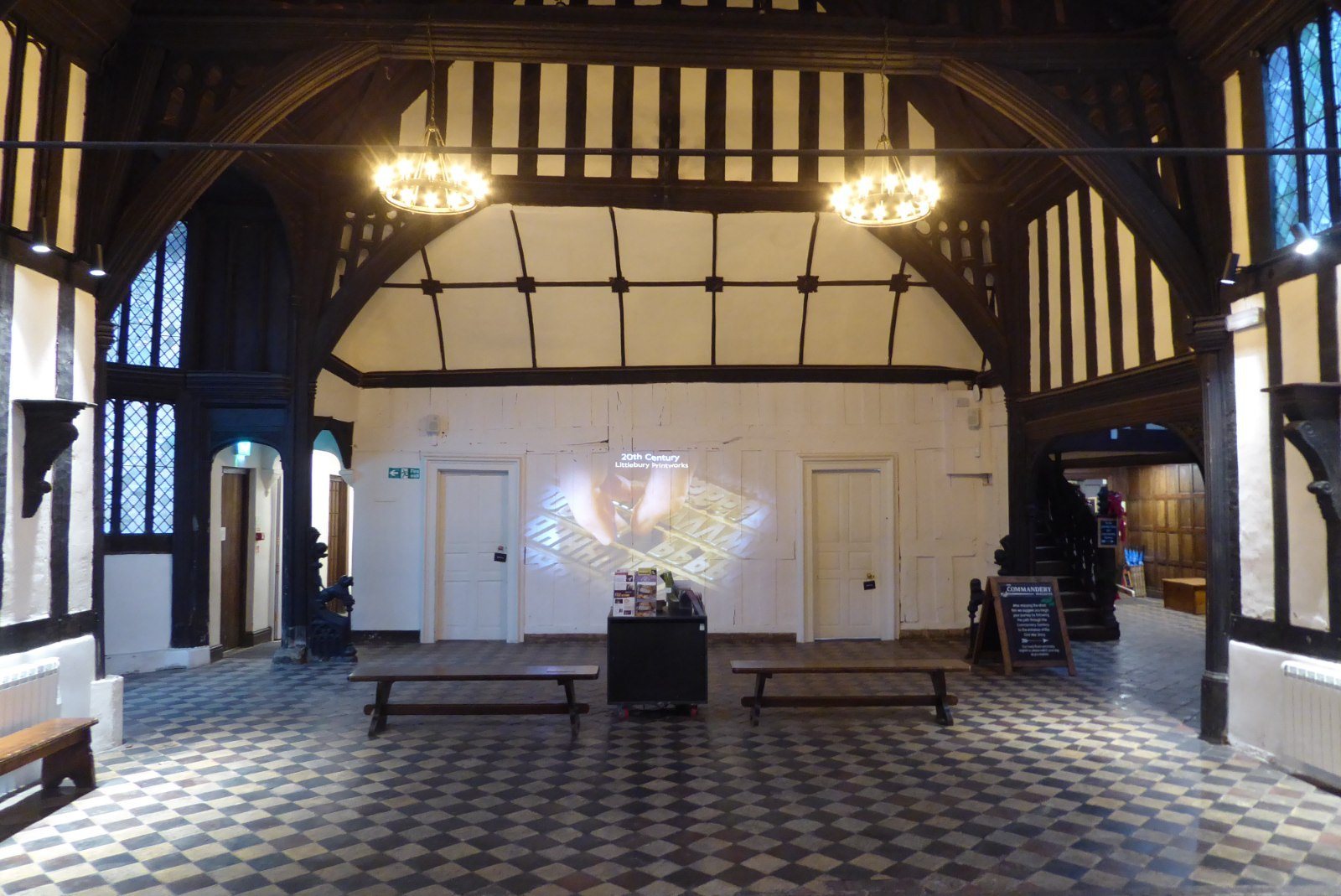
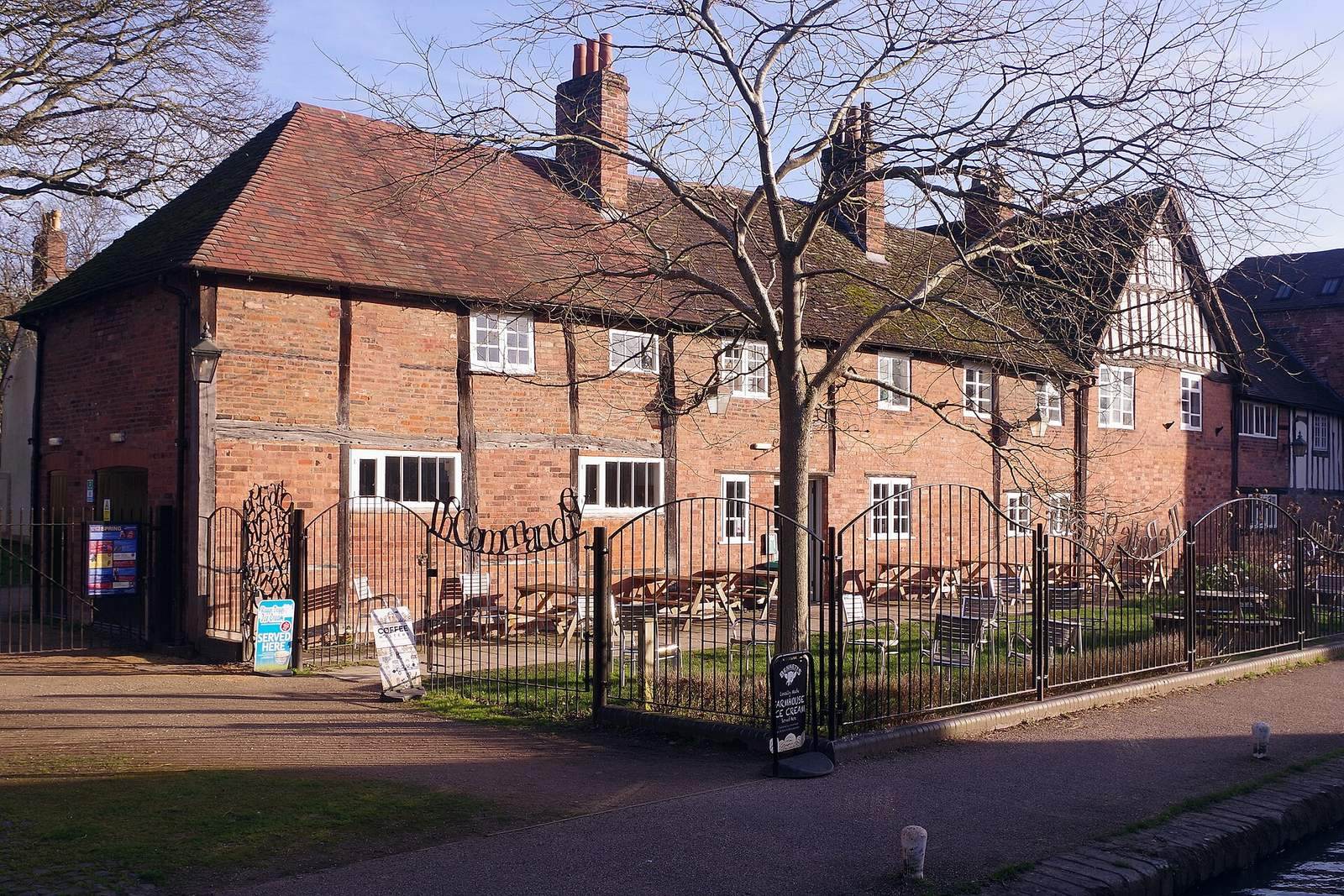
The complex has a two-storey core with a structural frame of timber, along with later ranges and a courtyard. Its 15th-century rebuilding may have arranged the buildings around two courtyards. The surviving features include the great hall, a painted chamber, later domestic additions, and archaeological remains in the grounds.
Building and later rooms
Great hall
The hall range belongs to the 15th-century rebuilding, and the roof dates to 1491. Some of the hall’s timber was replaced in 1987.
Painted chamber
Wall paintings in one chamber are thought to date from around 1475-1490. They show religious figures, including Catholic saints, and may have been created to give dying patients a place to pray, with imagery relating to the life to come. The paintings were covered with whitewash around the time of the hospital’s dissolution. A decorator found them beneath it in 1935, and the whitewash was removed.
Eastern ranges and Wylde overmantel
The eastern front dates to 1708. Before 1791, the Dandridge family added domestic wings on the east side, including a house at the northeast corner. An overmantel, a decorative feature above a fireplace, was made around 1594. Its arched panels carry Wylde heraldry, and it was later moved to the northwest room of the garden wing.
Grounds and excavated features
Courtyard and former house
A three-storey house dating to the 16th century once stood on the property. It was demolished in 1843, and its former location is now within the Commandery’s courtyard.
Fort Royal Hill
An old mound in the grounds was used to defend Sidbury Gate in 1646 and fortified in 1651. It is now known as Fort Royal Hill.
Chapel site and burials
Excavation in 2006 identified the site of the former Chapel of St. Gudwal. Two buried skeletons had been discovered in 2004.