Tlapacoya: A Prehistoric Archaeological Complex in Mexico
Site at a Glance
- Rating
- 4.3
- Popularity
- Medium
- Country
- Mexico
- Primary era
- Iron Age
- External website
- Open
- Eras represented
- Iron Age
- Civilizations
- Unclassified
- Site type
- Religious
- Remains
- Sanctuary
On this page9 sections
History
Tlapacoya is an archaeological complex in Ixtapaluca, Mexico, on the eastern edge of the former Lake Chalco near Tlapacoya Hill. Its 18 open-air sectors preserve a long sequence of human activity, from debated Late Pleistocene occupations to a regional center of the Preclassic period, the broad Mesoamerican era before the rise of Classic-period cities. The settlement was shaped by communities associated with the Tlatilco cultural tradition, although the original name and language of its inhabitants are unknown.
Early occupation and settled life
Two sectors may preserve evidence of some of the earliest hunter-gatherer and fishing activity in the Basin of Mexico. Proposed dates include approximately 24,000 ± 4,000 and 21,700 ± 500 years before present. In archaeological dating, “before present” uses 1950 as its conventional reference point. These dates belong to the Late Pleistocene and Early Holocene, but their interpretation remains disputed.
Between about 6000 and 4500 BCE, the inhabitants became more sedentary. During the Preceramic period, before pottery was widely produced and used, communities began developing incipient agriculture in the Playa 1, Playa 2, and Zohapilco phases, between about 5500 and 3500 BCE. Tlapacoya preserves what has been described as the earliest known human modification of the natural environment in the Valley of Mexico.
Growth during the Preclassic period
Between about 1800 and 1300 BCE, Tlapacoya developed into a small regional center. Its connections extended beyond the Valley of Mexico, and its first ceramics show influence from western Mesoamerica, including the site of El Opeño. Tlatilco traditions and western cultural influences both contributed to the development of the local society.
The settlement began urbanizing during the Middle Preclassic, especially between about 600 and 100 BCE, and eventually covered approximately 25 hectares. Olmec influence is present between about 1000 and 800 BCE, when the pyramid platform was built. Tlapacoya flourished during the Ticomán phase, approximately 400 BCE to 200 CE, before declining around 200 CE. The site is therefore generally placed between the Preclassic period and the beginning of the Classic period.
Tlapacoya was an important center of the Tlatilco cultural tradition and is associated with an ancient sanctuary dedicated to water deities. It has been described as the earliest place devoted to the worship of water in the Basin of Mexico. The sanctuary attracted pilgrimages from western Mesoamerica, linking religious activity at the site with wider regional networks.
Name and later investigations
“Tlapacoya,” or “Tlapacoyan,” is a later Nahuatl place-name applied during the Late Postclassic by Acolhua, Cuitlahuaca, and Chalca groups. The name means approximately “place where one washes.” It does not preserve the original name of the ancient settlement.
The site was discovered in 1954, after which Mexico’s National Institute of Anthropology and History began guarding and investigating it. Construction of the Mexico City to Puebla highway led to further investigations but also destroyed or obliterated much of the archaeological complex. Between 1965 and 1973, Lorena Mirambell and José Luis Lorenzo used radiocarbon dating, stratigraphy, and obsidian hydration to investigate the earliest occupations. Their findings proposed human presence before 15,000 to 11,500 years before present and challenged chronologies associated with the Clovis tradition. Claims for dates as early as 50,000 to 40,000 years before present remain controversial.
In 1969, Christine Niederberger excavated the related settlement of Zohapilco on Tlapacoya Hill and identified a settlement approximately 4,200 years old. Her work recovered two clay figurines, including the oldest currently identified in Mexico. Beatriz Barba’s 1955 master’s study, Tlapacoya: A Preclassic Transitional Site, examined the social and religious development of the Tlatilco culture, as well as the community’s economic and political life, trade, and relations with other groups.
Human remains have also shaped interpretations of Tlapacoya’s early history. Radiocarbon tests conducted between 2003 and 2006 dated one skull, known as Tlapacoya I, to 10,200 ± 75 years before present. Another published date for a Tlapacoya skull is 9,730 ± 65 years before present. These results have been presented as evidence for Paleoamerican occupation, a term for the earliest human populations and archaeological evidence associated with the initial peopling of the Americas. Other arguments for very early occupation cite black-bear bones, bones from two deer species, hearths dated to around 22,000 years before present, and a curved obsidian blade, although the earliest dates remain disputed.
Remains
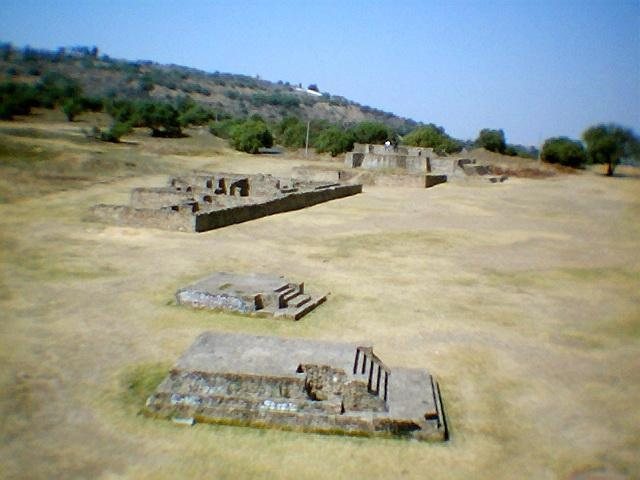
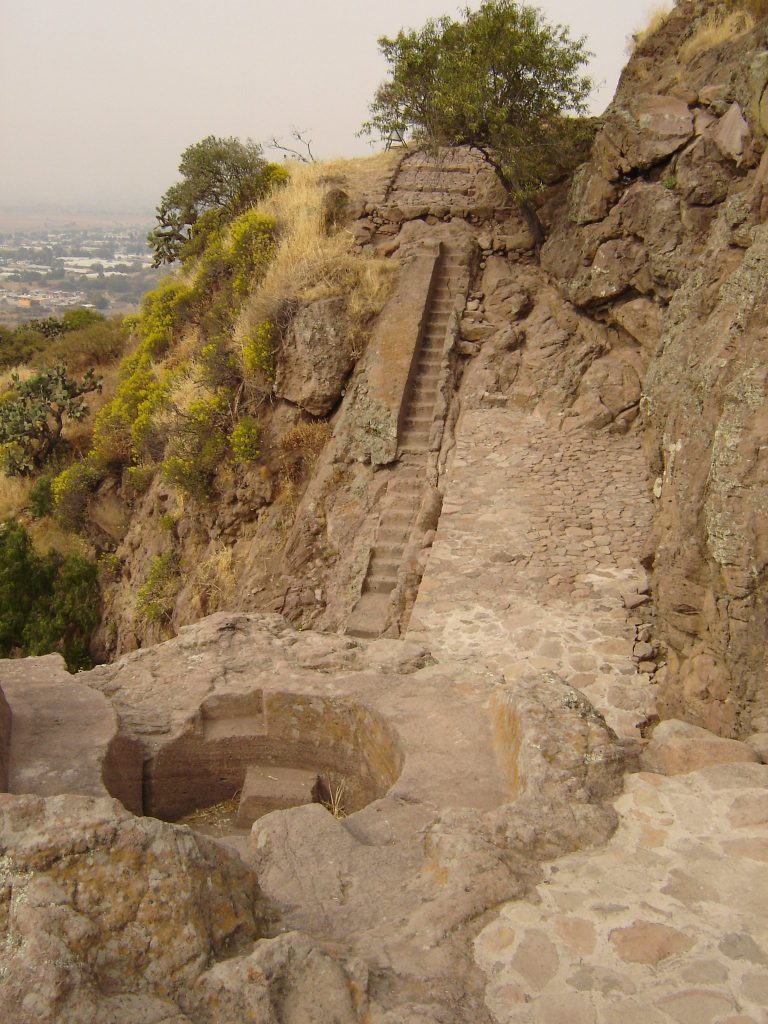
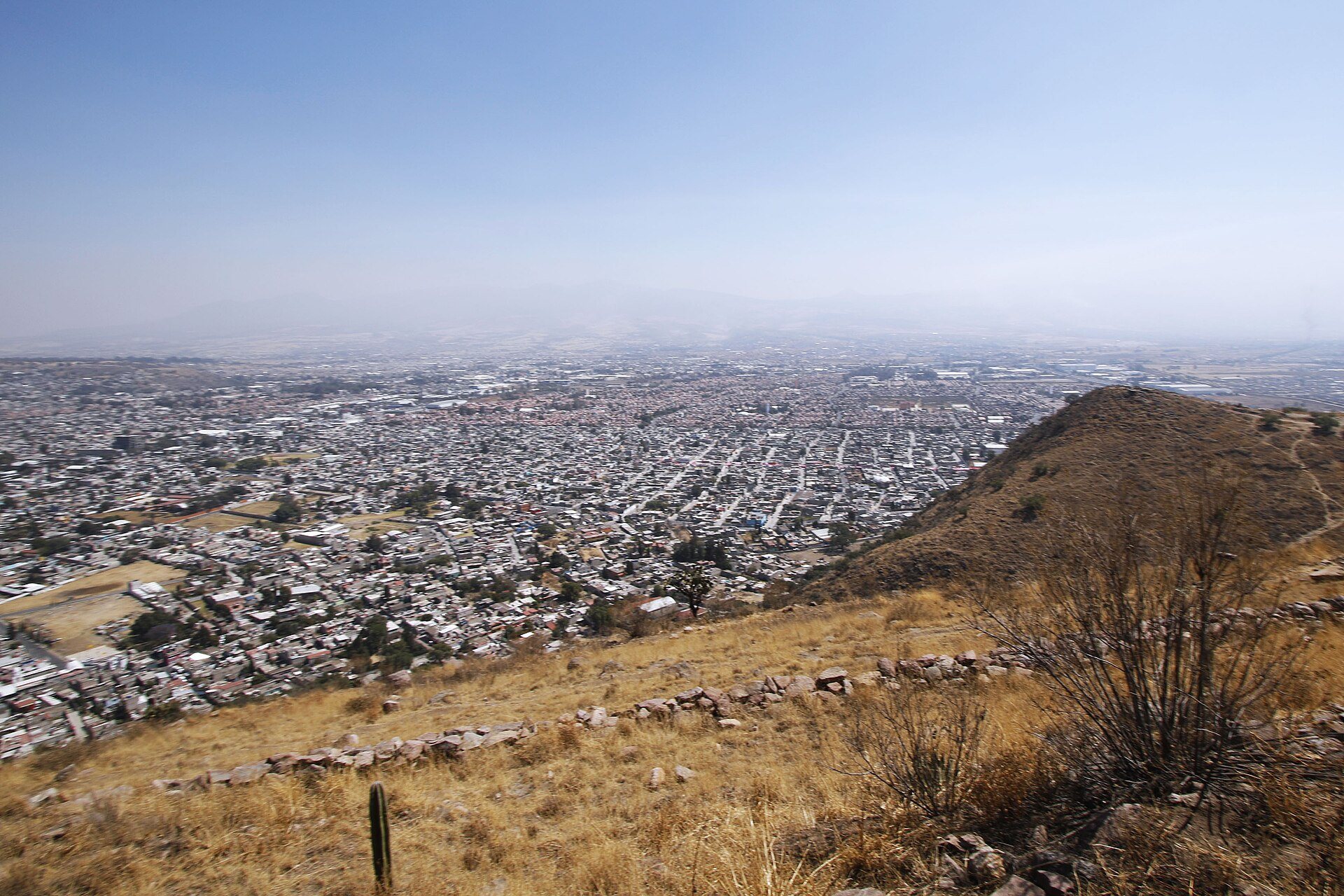
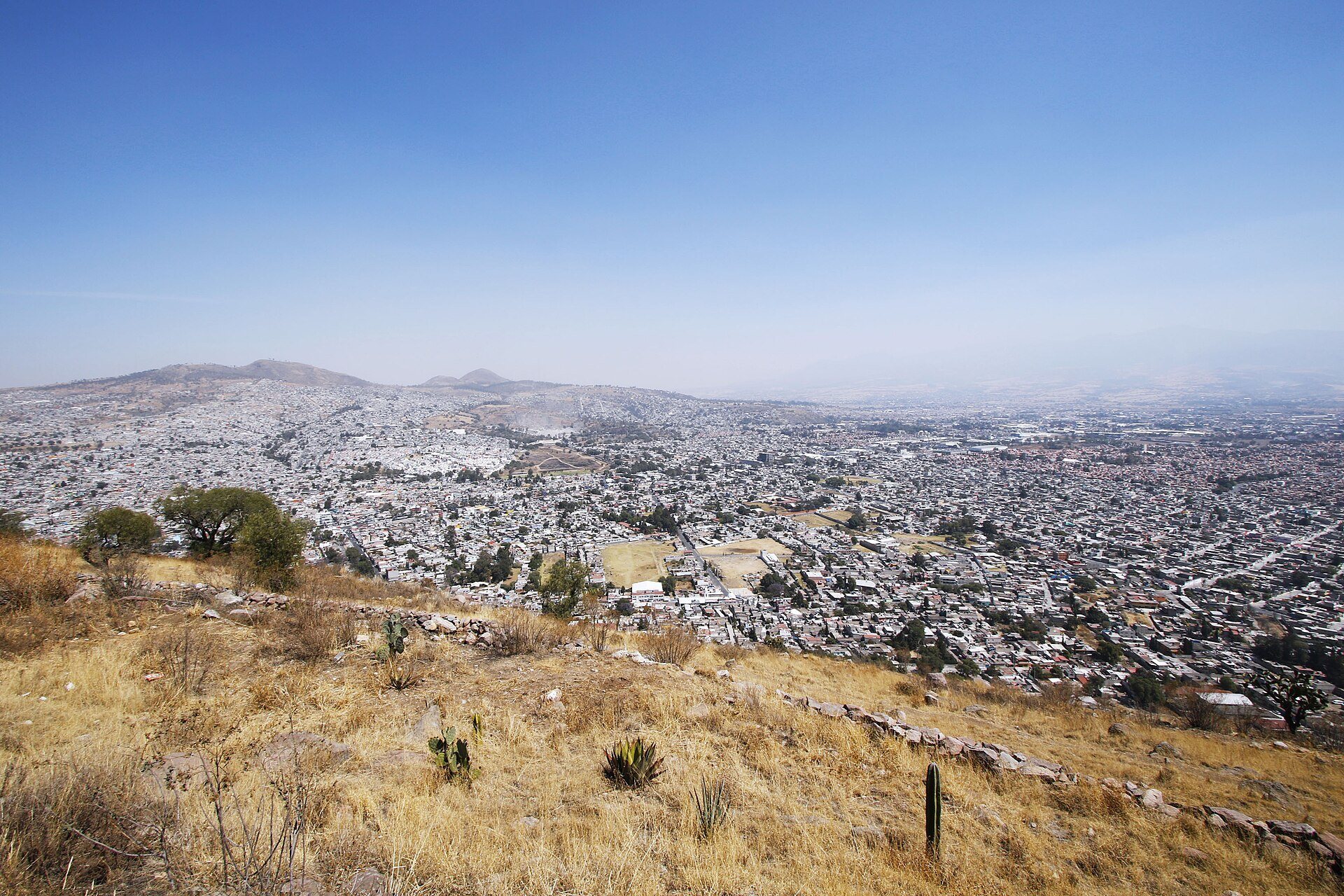
The archaeological zone occupies the lower slopes of Cerro del Elefante, also called Tlapacoya Hill, beside the former shore of Lake Chalco. Its 18 excavated sectors are open-air areas spread across the volcanic hillside. Pleistocene lake beaches and caves supported temporary, seminomadic occupation, while later deposits record a gradual shift toward more settled communities. Until the early twentieth century, fluctuations in Lake Chalco continued to affect the area before the lake was finally drained.
Early settlement areas
Sectors Tlapacoya I Alpha, Tlapacoya I Beta, and Tlapacoya II produced rough stone tools and animal bones associated with proposed dates of approximately 22,000 ± 4,000 to 19,700 ± 500 years before present. Additional trenches to the north yielded stone material used to establish the site’s Archaic chronology. Human and animal remains from the deposits include two human skulls, black-bear bones, and bones from two deer species.
A curved obsidian blade was found beneath a buried tree trunk dated to approximately 24,000 ± 1,000 years before present. Obsidian-hydration analysis, a method based on the hydrated layer formed on a freshly broken surface, assigned the blade an estimated date between about 21,250 and 25,000 years before present. Environmental conditions can affect this method, so the proposed age remains part of the wider debate over early occupation.
Preclassic monumental center
Pyramid platform and water sanctuary
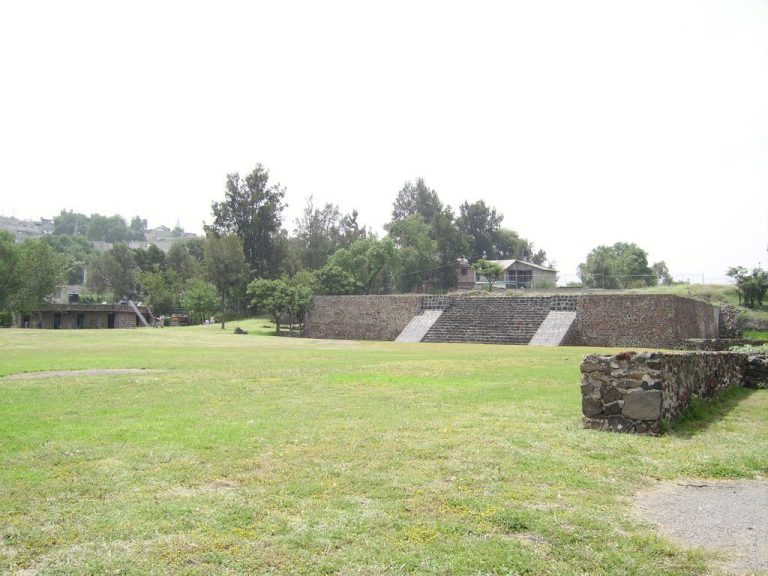
The principal monumental feature is an unusual pyramid platform made from cut stone. A temple once stood on its summit, and three tombs were built within the platform. Decorated vessels bearing religious motifs connected with water worship were recovered from the tombs. The platform’s form and associated vessels support its interpretation as a sanctuary dedicated to water deities.
Figurines and ceramics
Zohapilco, on the eastern side of the hill, was an archaeologically related settlement with similar chronological phases. It produced the oldest reported clay figurine from Mexico, dated to approximately 2300 ± 110 BCE. The beige-gray Preceramic object has a slightly flattened cylindrical body, recessed rectangular eyes, a small forehead, a T-shaped nose and brow arrangement, a navel, and two short bulbous legs. It has no mouth or arms, and its function and identity, human or divine, remain unknown. The figurine is displayed at the National Museum of Anthropology.
Tlapacoya is also associated with “Tlapacoya-style” figurines, generally dated to about 1500 to 300 BCE. The known examples include female figures with tall headdresses or hairstyles, a male ballplayer, female figures linked with fertility, and a seated child. Their forms range from early Middle Preclassic ceramics to Late Preclassic red ceramics.
Another characteristic ceramic group is known as the “Dragon Pots.” These are flat-bottomed, cylindrical bowls with white or buff surfaces incised with nearly abstract Olmec-style designs, including images that often depict were-jaguar faces. Together with the figurines, western-influenced ceramics, stone tools, human remains, and animal bones, they illustrate the range of activities and cultural connections represented in the surviving deposits.