Tangean Kofun: A Fifth-Century Elite Burial Mound in Japan
Site at a Glance
- Rating
- 3.3
- Popularity
- Very Low
- Country
- Japan
- Primary era
- Classical
- Eras represented
- Classical
- Civilizations
- Unclassified
- Site type
- Burial
- Remains
- Burial Mound
On this page6 sections
History
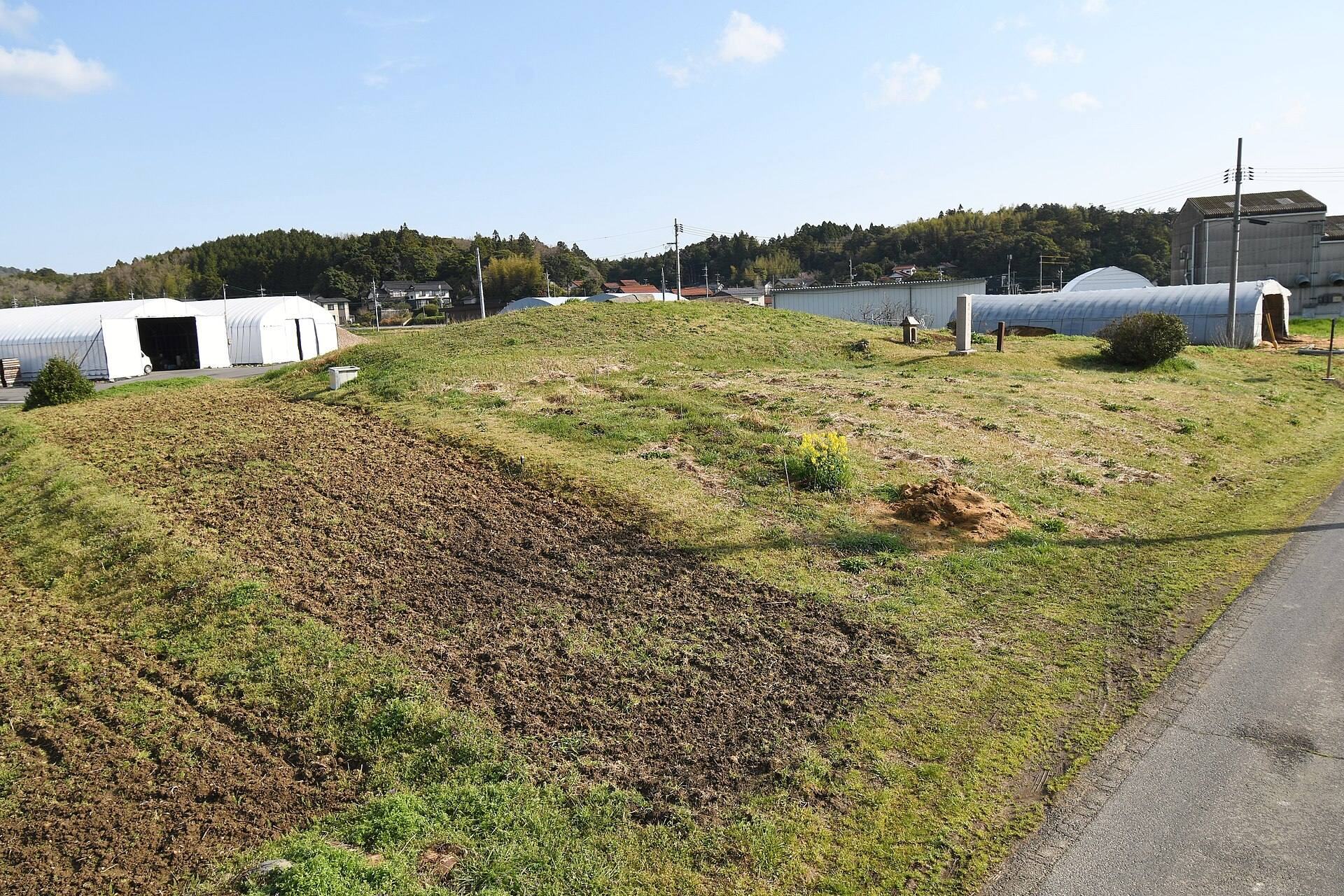
Tangean Kofun is a burial mound in Japan, located in Matsue, Shimane, that was built during the latter part of the fifth century, in the middle Kofun period. This era, conventionally dated from about the third to the sixth centuries, was marked by the construction of large burial mounds for members of the elite. Tangean Kofun stood on the western edge of the Sada Lowland in eastern Shimane and formed part of a group of medium-sized elite mounds with Kososhi Otsuka No. 1 and Kososhi Otani No. 1.
Political connections in the middle Kofun period
The mound is especially important for its strongly Kinai-influenced burial facility. Kinai was the historical core region around the ancient capitals in central Japan, particularly present-day Nara and its surrounding area. Tangean Kofun’s long, chest-shaped stone coffin is regarded as the only typical example of this type in the historical region of Izumo, which broadly corresponds to eastern Shimane. Its adoption provides evidence for political circumstances linking the local elite with developments in central Japan during the middle Kofun period.
Discovery and protection
The stone coffin had become exposed by the Meiji period. During the Taisho period, the mound was excavated, measured, and photographed, and the results were reported in 1925. The site was presented to an academic society in 1930 and designated a National Historic Site of Japan on February 28, 1933.
Further surveys of the mound and coffin lid were reported in 1963. The Shimane Prefectural Ancient Culture Center, a prefectural research institution concerned with the region’s ancient cultural heritage, carried out another survey in 1997, with the results reported in 1998.
Remains
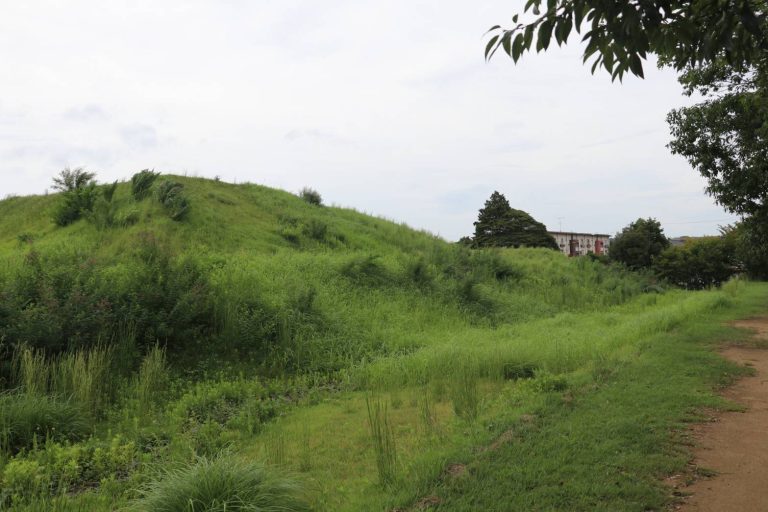
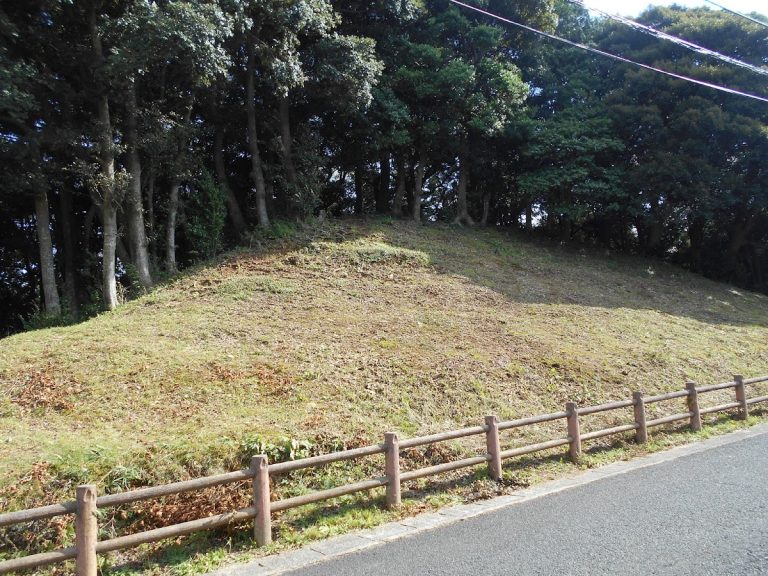
Tangean Kofun is a square, two-stage mound measuring approximately 45 by 49 meters in its current surveyed dimensions and standing about 3.5 meters high. Before the 1997 survey, it was generally described as approximately 47 meters on each side. Stone coverings known as fukiishi cover the mound surface, while fired clay haniwa, including morning-glory-shaped examples, were placed on or around the mound.
The mound and surface features
The mound’s square plan and two-stage construction remain central to its physical form. Fukiishi provided a stone covering or revetment across the mound surface, and fragments of cylindrical haniwa have been collected. These clay objects were made for placement on or around burial mounds and include examples shaped like morning-glory flowers.
The stone coffin
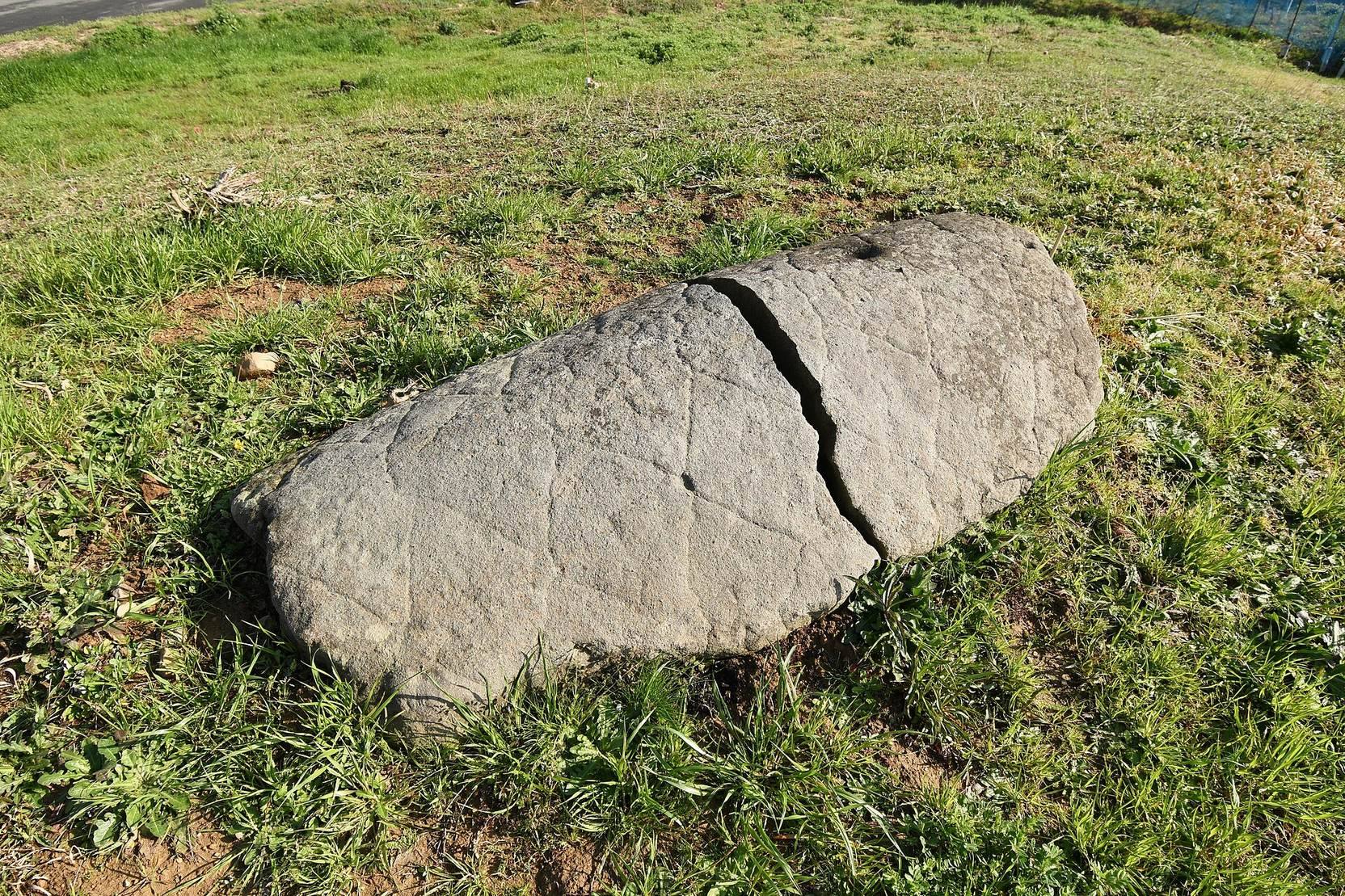
Directly beneath the summit lies a long, chest-shaped stone coffin, a type of stone sarcophagus particularly associated with powerful middle Kofun-period burial mounds. It was placed without a separate burial chamber and was made from tuffaceous sandstone. Six stones form the coffin: one base, two long sides, two short ends, and one lid. The complete structure is approximately 1.2 meters high.
The base stone measures 2.58 meters long, 1.0 meter wide, and 0.26 meter thick. Rope-holding projections extend from both ends. The single lid stone was hollowed into an arched form, and its two outer sloping surfaces carry two bands of incised sawtooth decoration separated by a raised band. The lid is currently exposed.
The coffin was robbed, but two iron swords, three iron blades, and fragments of a triangular-plate, leather-laced cuirass were recovered, along with pieces of a neck guard and shoulder guards. Haniwa fragments were also collected. These materials are held by the Archaeology Laboratory of Shimane University.