Stauf Castle: A Medieval Fortress in Eisenberg, Germany

Visitor Information
Google Rating: 4.3
Popularity: Low
Country: Germany
Civilization: Medieval European
Site type: Military
Remains: Castle
History
Stauf Castle is a medieval fortress built by the Germanic peoples near the village of Stauf in Eisenberg, Germany. Its origins date back to before the year 1000, making it one of the earliest recorded castles in the Palatinate region.
The castle first appears in historical documents around 1012 under the name “castellum Stoufenburc.” Early ties link the site to the Salian dynasty, particularly Duke Conrad I of Carinthia, who held power until 1011. His son, Duke Conrad II, managed several territories in the region but faced a significant uprising that led to the destruction (known as “slighting”) of many castles, possibly including Stauf. This event ushered in a two-century period during which the castle fades from written records.
Ownership resurfaced in the late 12th century with figures such as Godfrey of Staufen and later the counts of Eberstein. Through marriage alliances, notably with Kunigunde of Eberstein, the castle passed to Count Eberhard III and then to Eberhard IV, who is remembered for founding the nearby Rosenthal Abbey, a Cistercian monastery, linking the castle to significant ecclesiastical developments.
In the 13th century, the barony and the abbey came under control of the Saarbrücken-Zweibrücken family through Agnes III of Eberstein’s marriage to Henry II. Their daughter Kunigunde became the first abbess of Rosenthal and formally established its affiliation with the Cistercian Order. By 1282, jurisdiction over Stauf Castle shifted to the Electorate of Trier, indicating its integration into the broader political landscape of the region.
The late 14th century saw the castle acquired by Count Henry II of Sponheim-Bolanden, who lived there until his death in 1393. Shortly afterward, inheritance transferred the property to Count Philip I of Nassau-Saarbrücken. The House of Nassau retained ownership of Stauf Castle until the late 1700s.
The castle’s active use ended tragically during the German Peasants’ War in 1525, when it was destroyed amid widespread unrest. After the Peace of Westphalia in 1648, local villagers repurposed the ruined structure as a source of building stone for reconstructing the nearby village of Stauf. Preservation efforts began much later; from 1871, the ruins were overseen by a historic association before being handed to Eisenberg’s municipal authorities in 2000. Since 2009, a dedicated local group has maintained the remains.
Remains
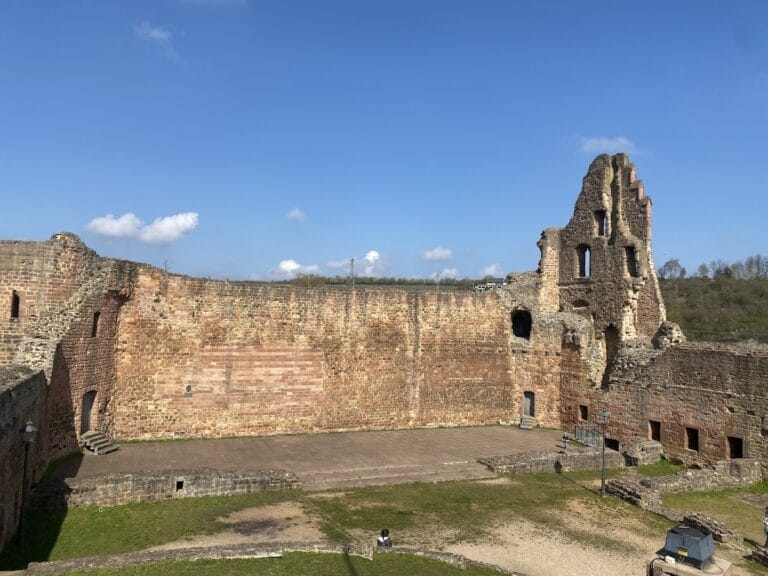
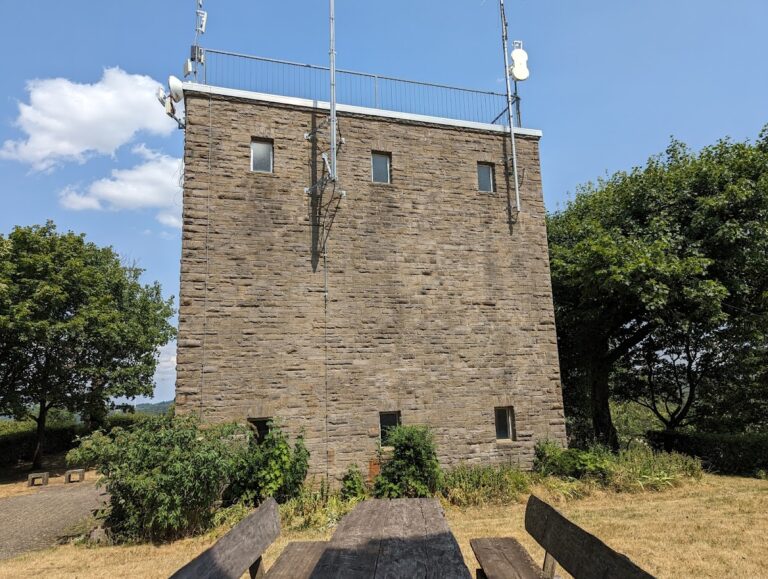
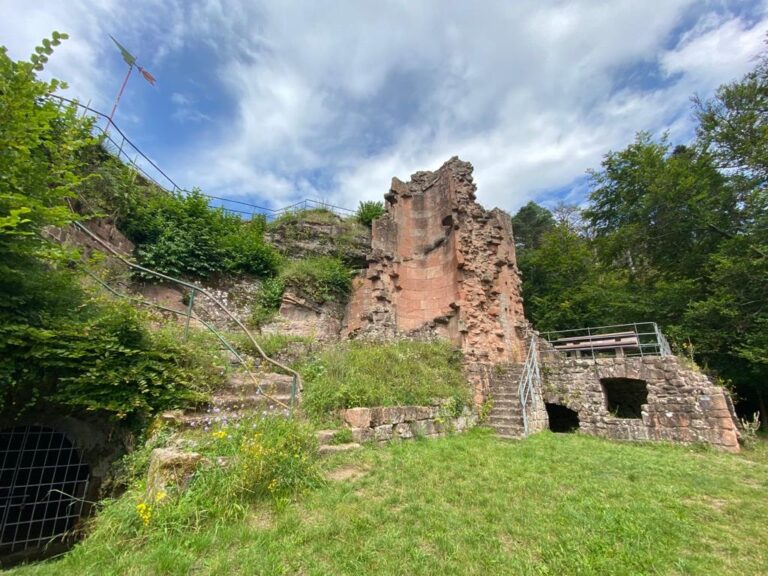
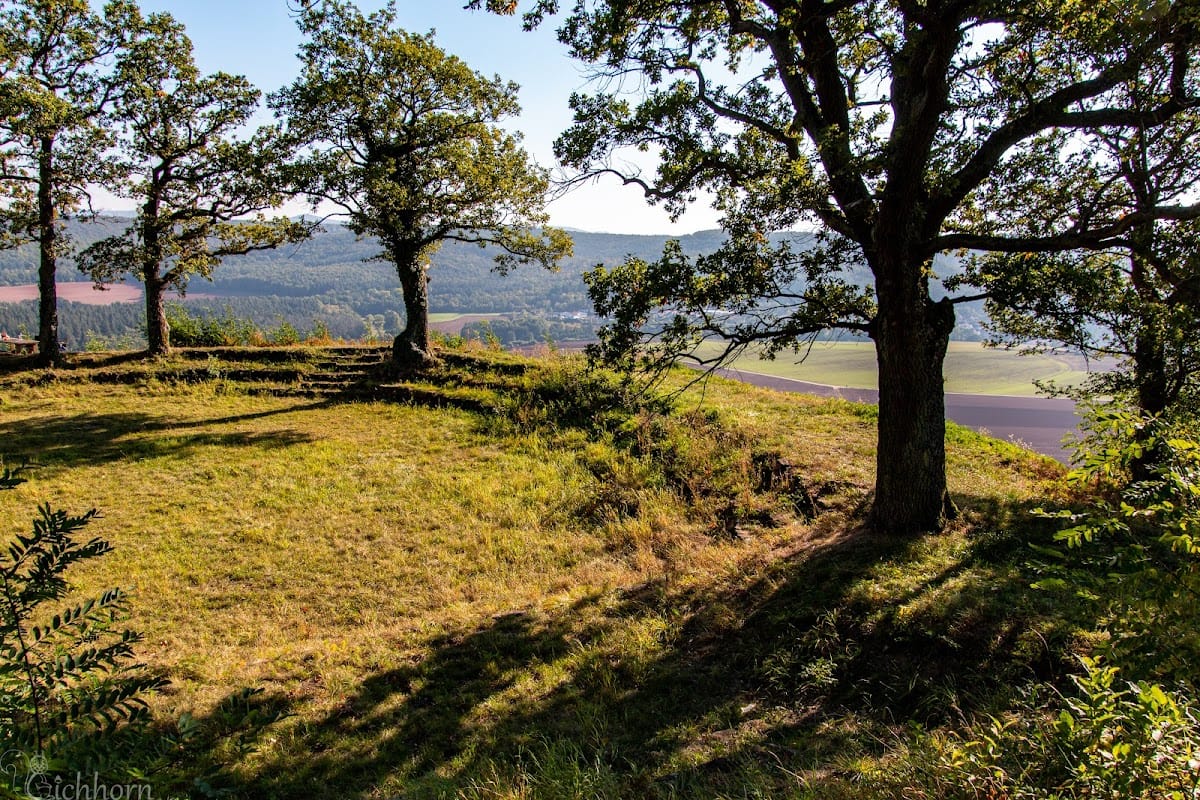
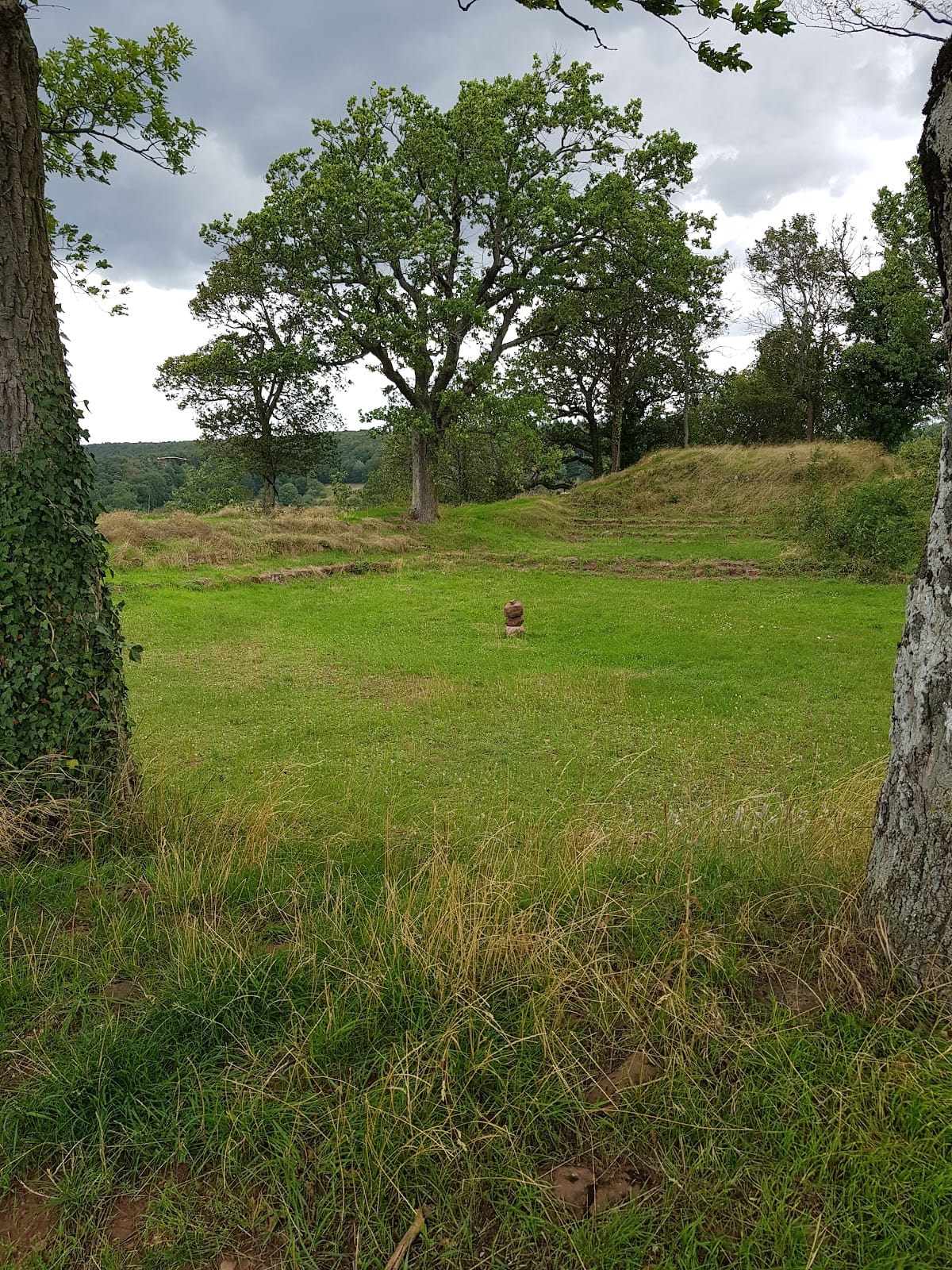
Perched on a hill ridge about 327 meters high, the ruins of Stauf Castle trace the outline of a classic medieval spur castle, built to take advantage of the natural elevation above the Eisbach valley. The castle’s layout features three distinct enclosed areas arranged along the ridge: an outer bailey to the south, a middle bailey, and an inner bailey towards the north, each forming a line of defense and habitation.
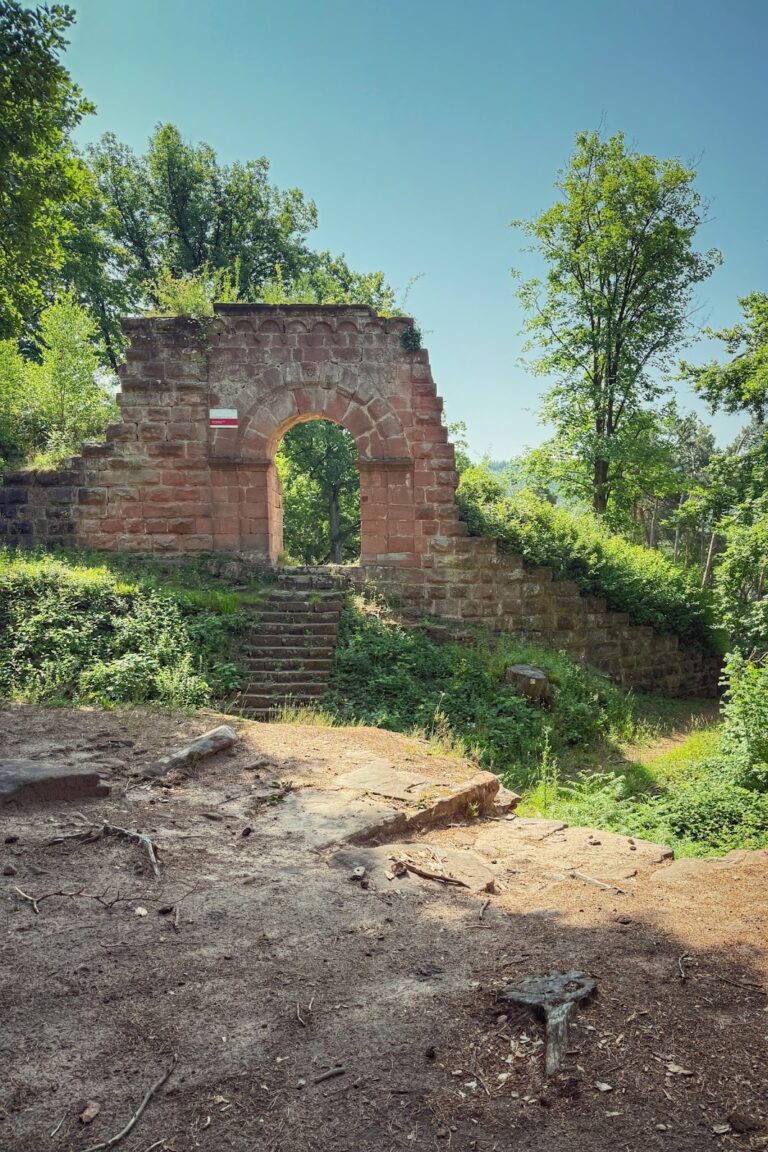
Although much of the original stonework was removed to serve as a quarry, archaeological investigations confirm the presence of these three baileys, each likely surrounded by defensive walls and gateways during their time of use. The layering of separate baileys suggests a complex design accommodating various functions, such as housing soldiers, storage, and administrative activities, consistent with medieval fortification practices.
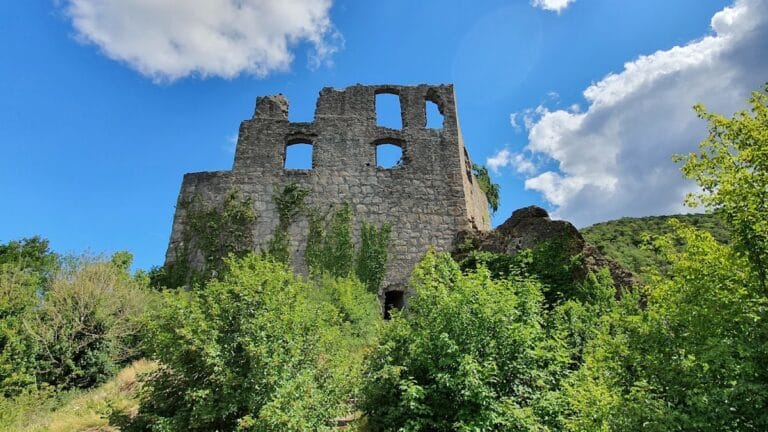
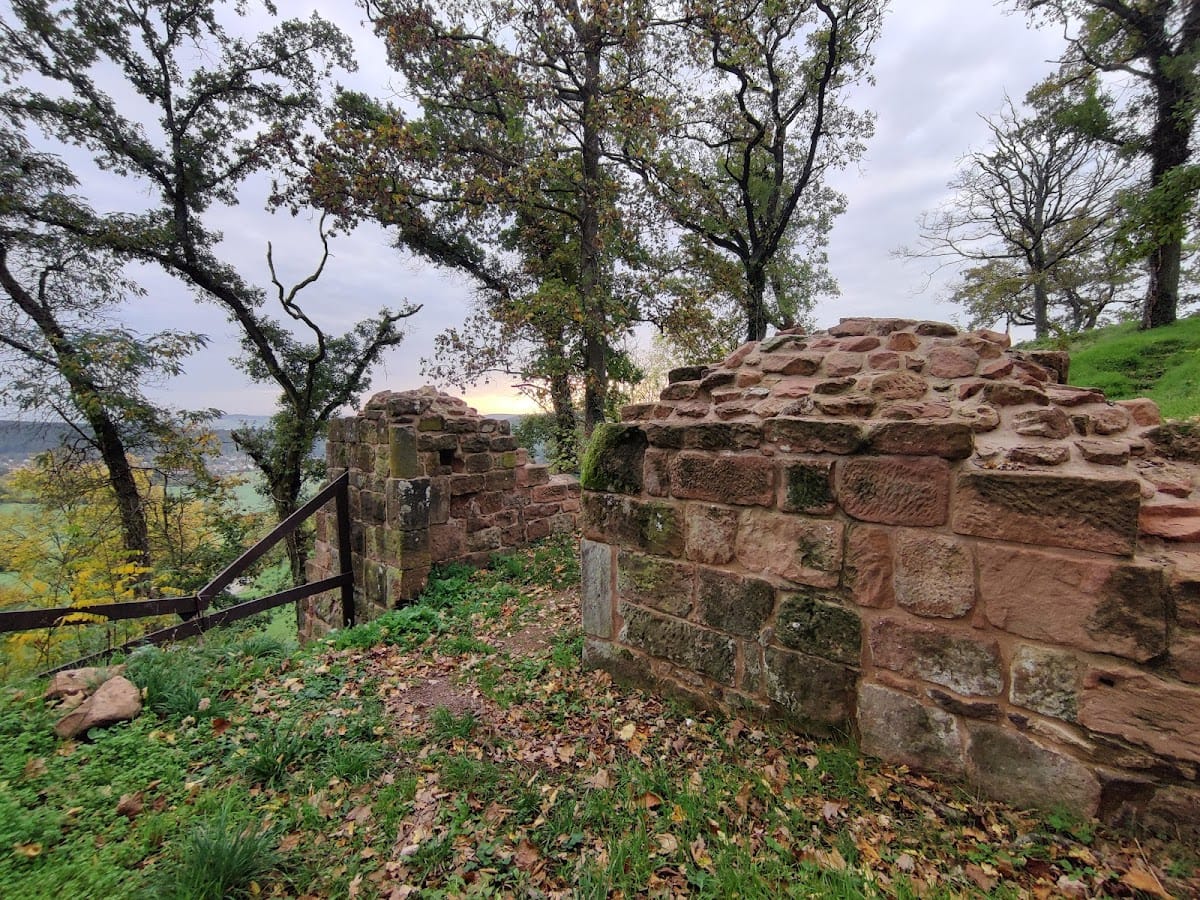
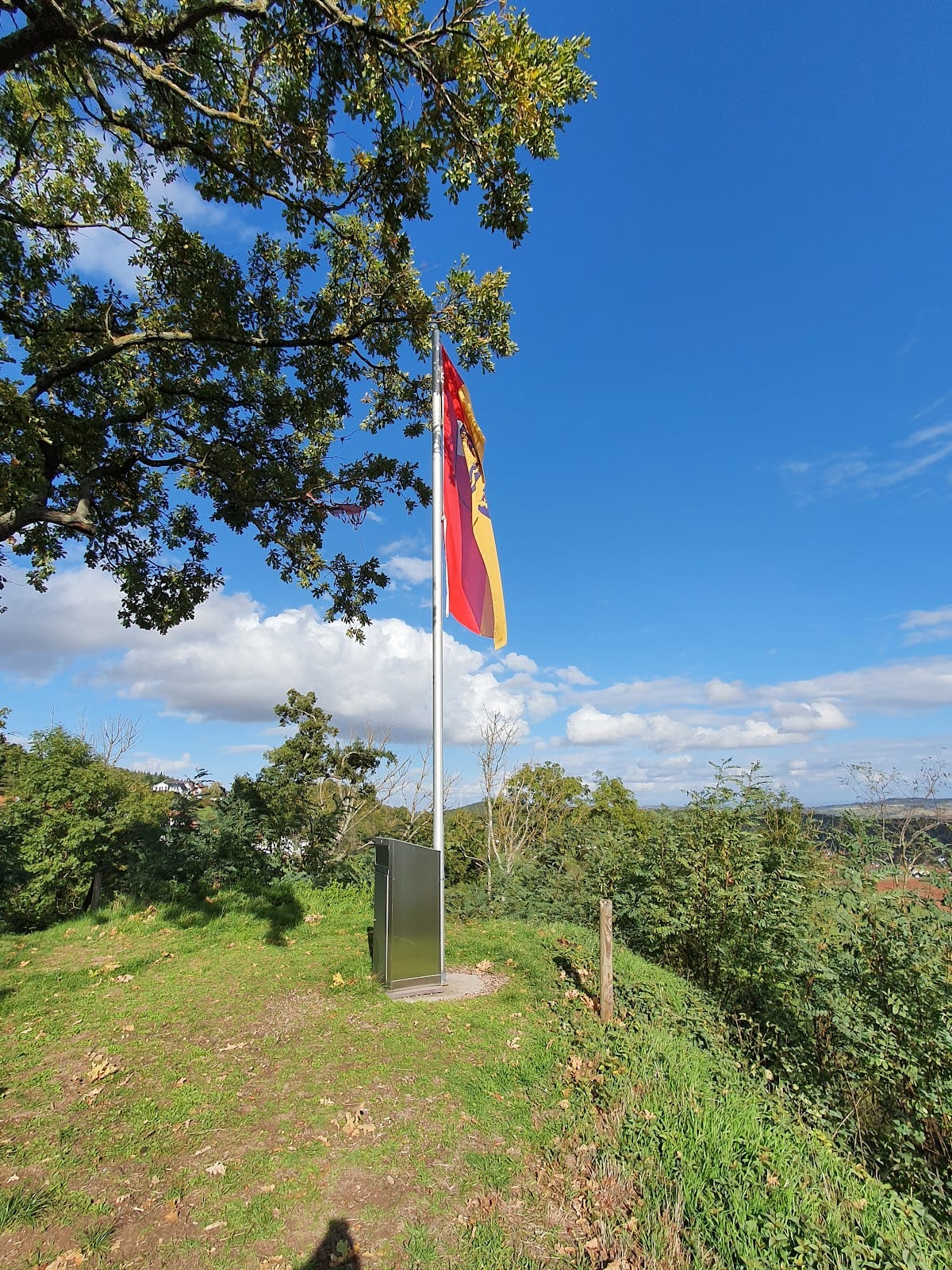
Today, the site exists as fragmentary ruins, preserved mainly through conservation efforts by the local association. The original structures have suffered extensive loss but remain in situ, allowing visitors to discern the castle’s former footprint. Woodland paths provide access to the hilltop, where the castle’s ruins silently mark centuries of regional history.
Nearby sites