Stadtkirche Buttstädt: An Evangelical Lutheran Church
Site at a Glance
- Popularity
- Low
- Country
- Germany
- Primary era
- Early Modern
- Eras represented
- Early Modern
- Civilizations
- Electorate of Saxony, Holy Roman Empire
- Site type
- Religious
- Remains
- Church
On this page12 sections
History
Stadtkirche Buttstädt, dedicated to Saint Michael and also known as St. Michaelis, is an Evangelical Lutheran church in Buttstädt, Germany. Construction began in 1501.
Construction and expansion
A stone tablet dates the laying of the choir’s first stone to the second day of Pentecost in 1510, the day after Pentecost Sunday. A tower was added in 1586, and the nave and tower were probably built within a short interval.
Music and later work
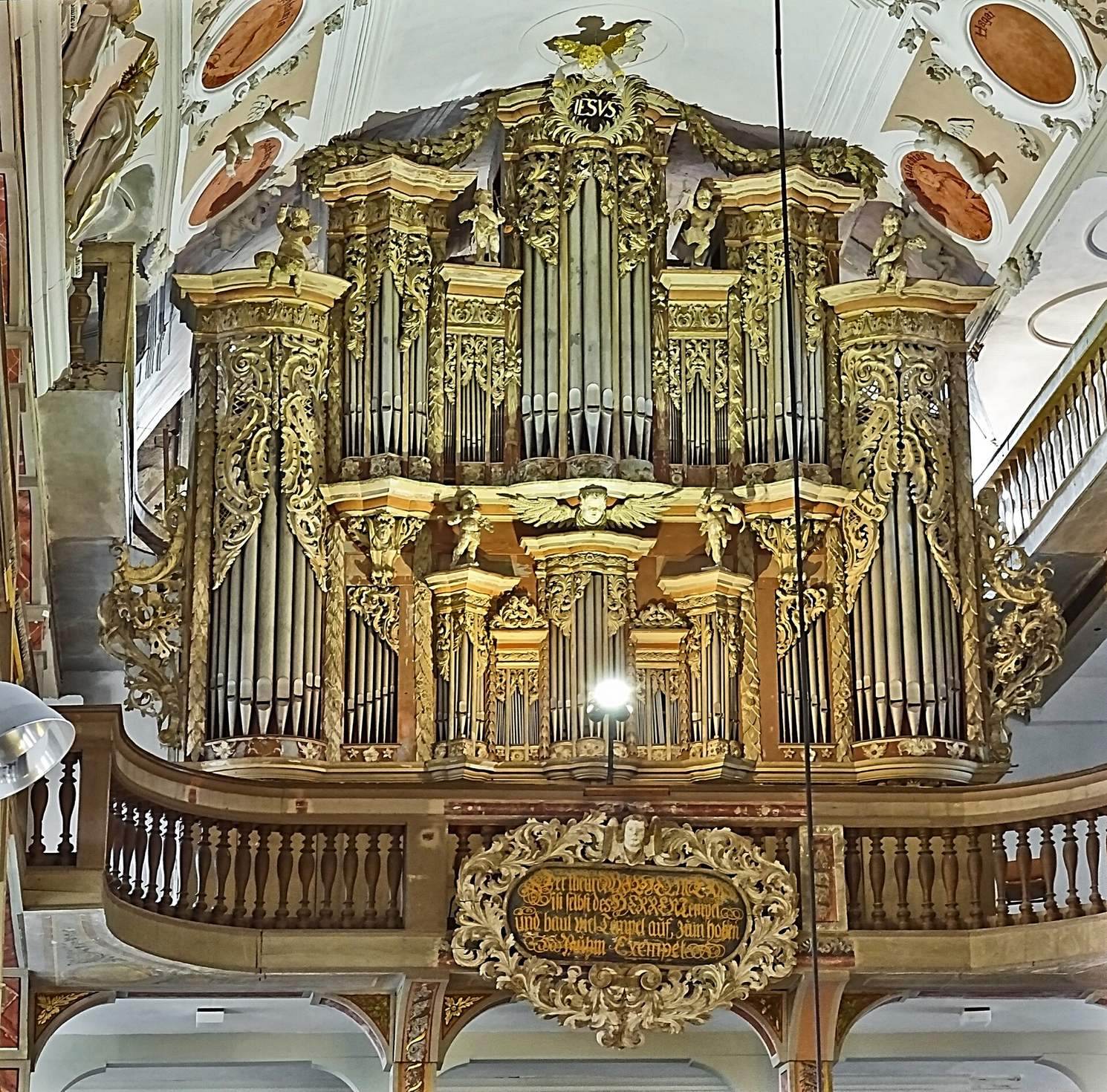
Peter Herold of Apolda began building the church organ in 1696. After Herold died, Johann Georg Fincke completed it in 1701. From 1721, Johann Tobias Krebs served as organist and cantor, having previously studied with Johann Sebastian Bach, the German Baroque composer and organist.
Extensive structural stabilization and renovation began in 1978.
Remains
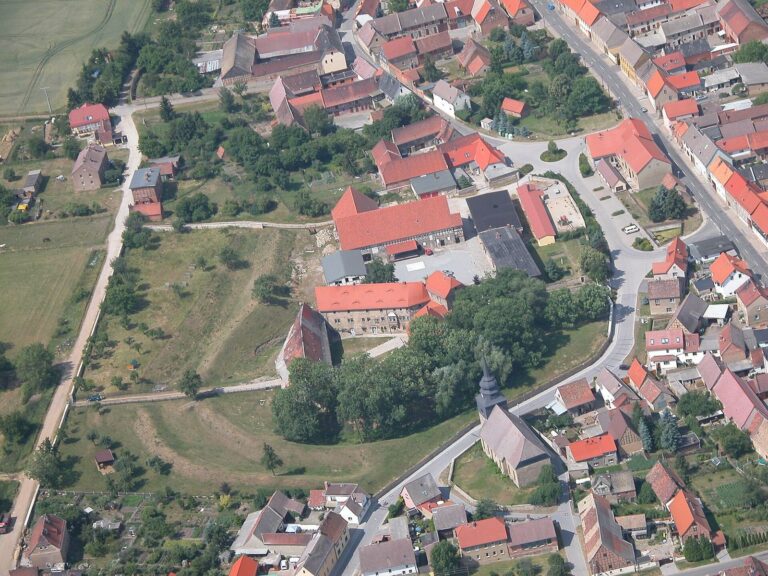
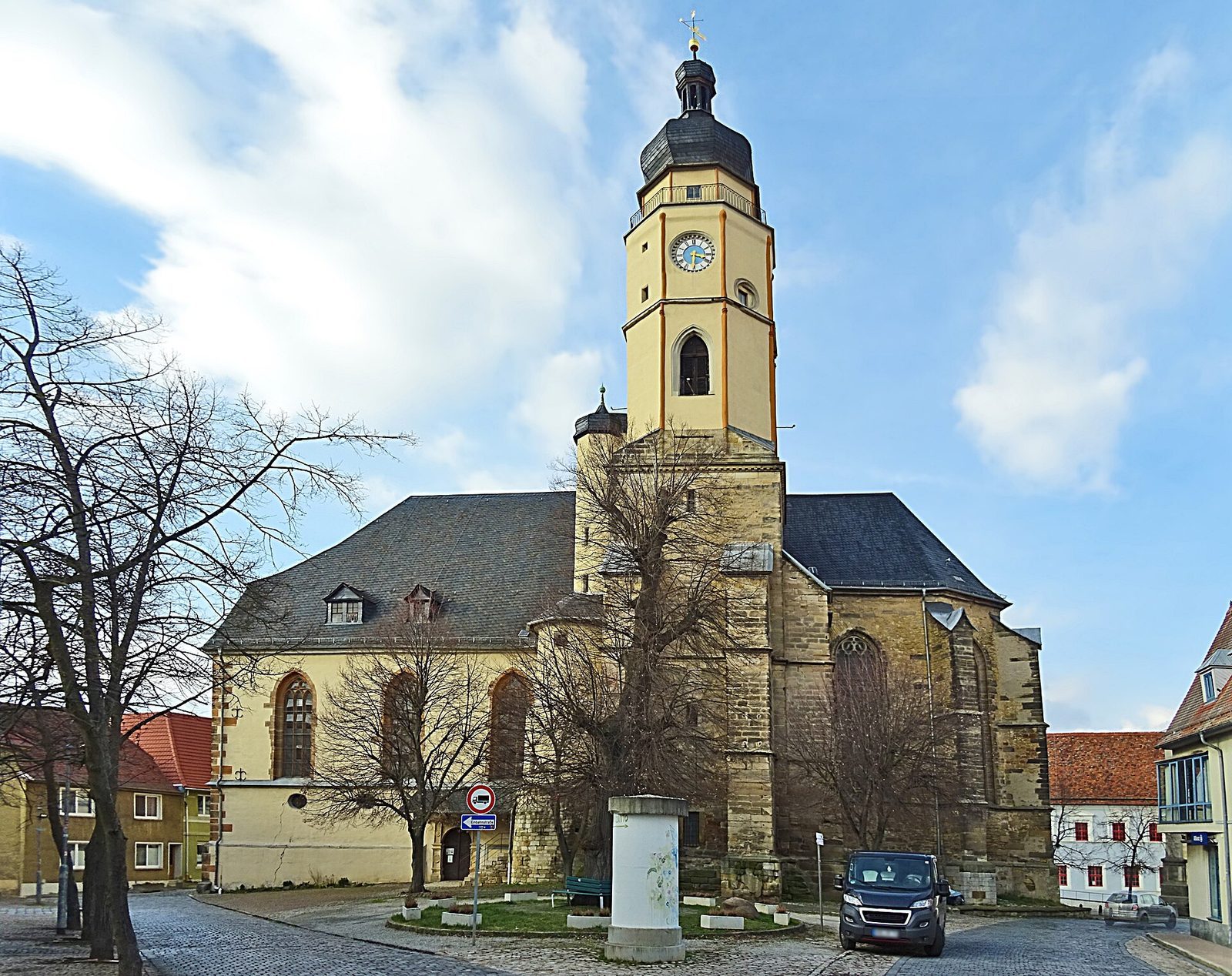
The church has a large single nave, a recessed choir and a tower on its south side. It stands beside Buttstädt’s historic town hall, and the tower forms part of the town’s silhouette.
Exterior and tower
Choir and windows
The two-bay choir ends in a five-sided polygon, and its buttresses project prominently from the walls. Pointed-arch windows divided into three sections punctuate the exterior; much of their patterned tracery has been renewed.
Portals
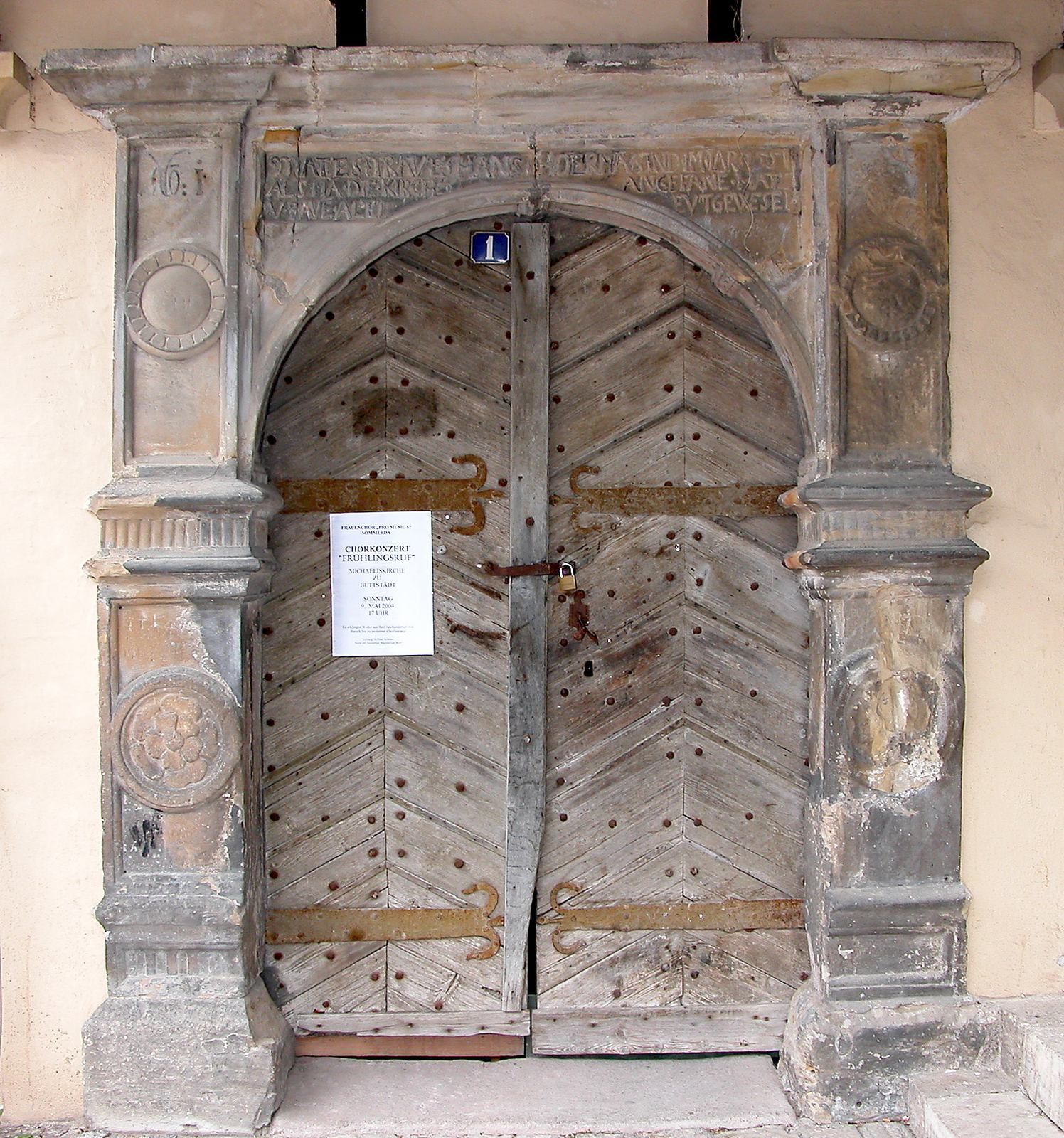
The north and west entrances have shallow, round arches and moulded surrounds. A stairway leads to the pointed-arch gallery entrance, whose installation in 1551 is identified by an inscription.
Tower and bells
The tower leans out of vertical and has not stood upright since 24 October 1690. A malfunction caused the bell dated 1684 to swing unexpectedly, changing the tower’s structural stability. The bells hang in the small spire and are connected to the tower clock. The larger bell, once used as a storm bell, now strikes the hour; a smaller one marks the quarter hour. A third bell cracked, and its fragments were removed in 1904.
Interior and furnishings
Galleries and ceiling
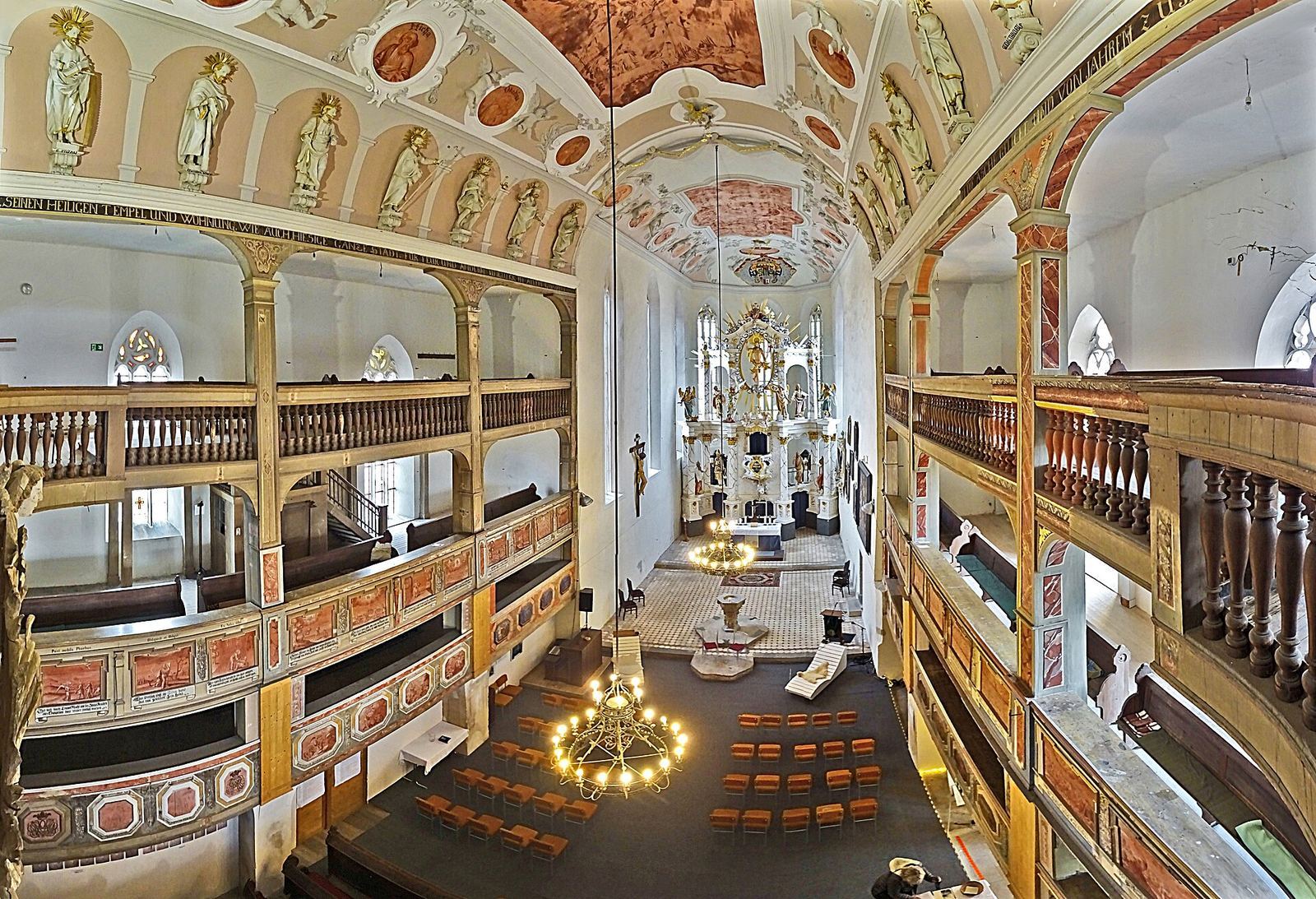
A three-storey gallery runs along three sides of the church. Monochrome paintings of New Testament scenes decorate the lower gallery fronts. A wooden barrel vault, a continuous arched ceiling, covers the central nave and the choir. In 1720 it received rich stucco decoration and paintings of New Testament scenes.
Pulpit altar and other furnishings
The wooden pulpit altar, which combines an altar and a pulpit, was made in 1727 by court sculptor Friedrich Phillipp Puppert. Fourteen life-size figures adorn it, and an angel supports the pulpit basket at its center. The church also contains a large crucifix from the 17th century and a portrait of Martin Luther, a central figure in the Protestant Reformation, painted in 1695.
The baptismal font dates to the early 17th century. Its eight-sided bowl rests on four angels and is decorated with fruit garlands and coats of arms.
Organ
The organ has 24 stops, each controlling a group of pipes, operated through two hand keyboards and a foot-operated pedal. Its keys and stops work mechanically.