St Hilary Church, Cornwall: An Early English Parish Church in Penzance
Site at a Glance
- Popularity
- Medium
- Country
- United Kingdom
- Primary era
- Medieval
- Eras represented
- Classical, Medieval, Modern
- Civilizations
- British, English, Roman
- Site type
- Religious
- Remains
- Church
On this page9 sections
History
Medieval foundation
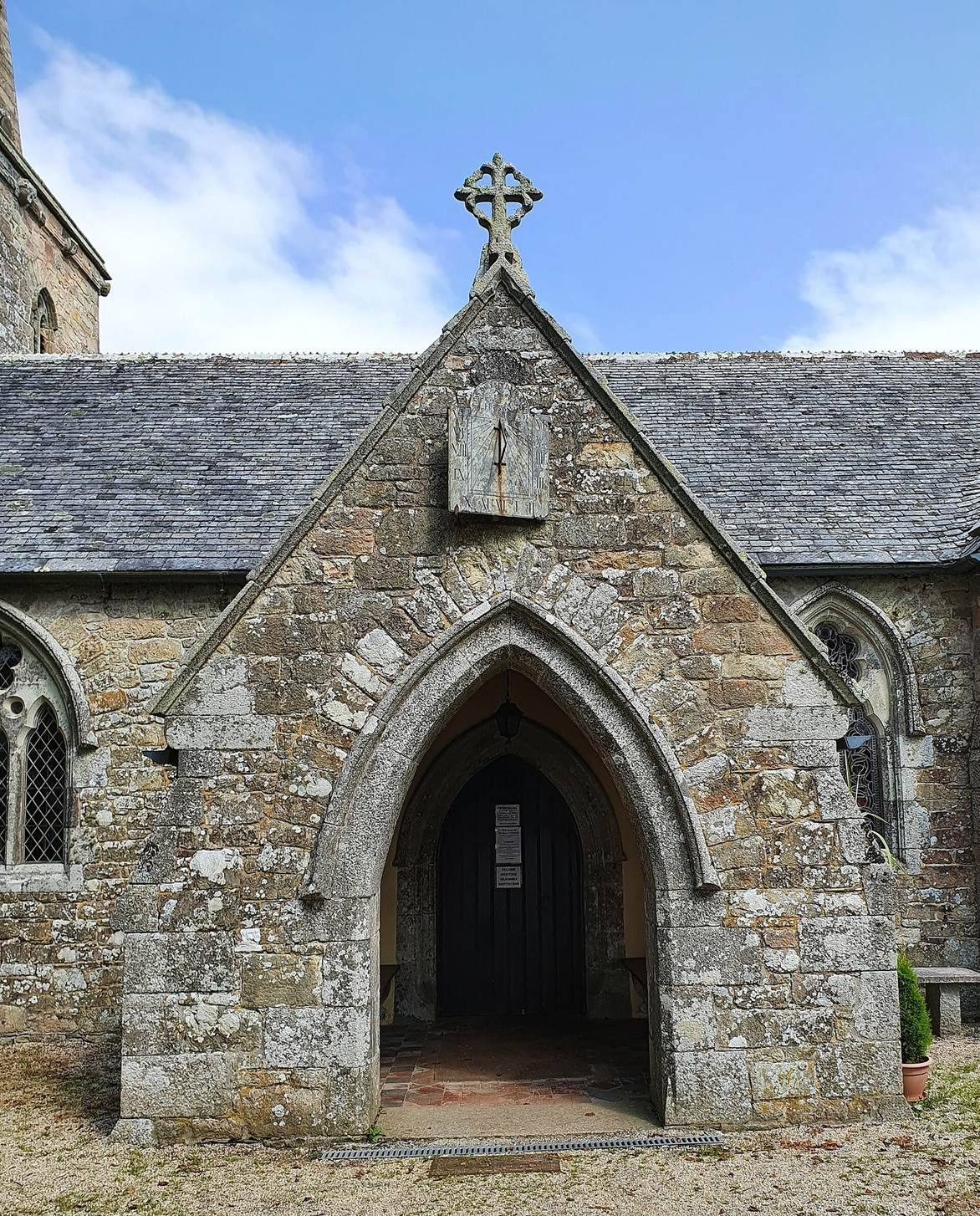
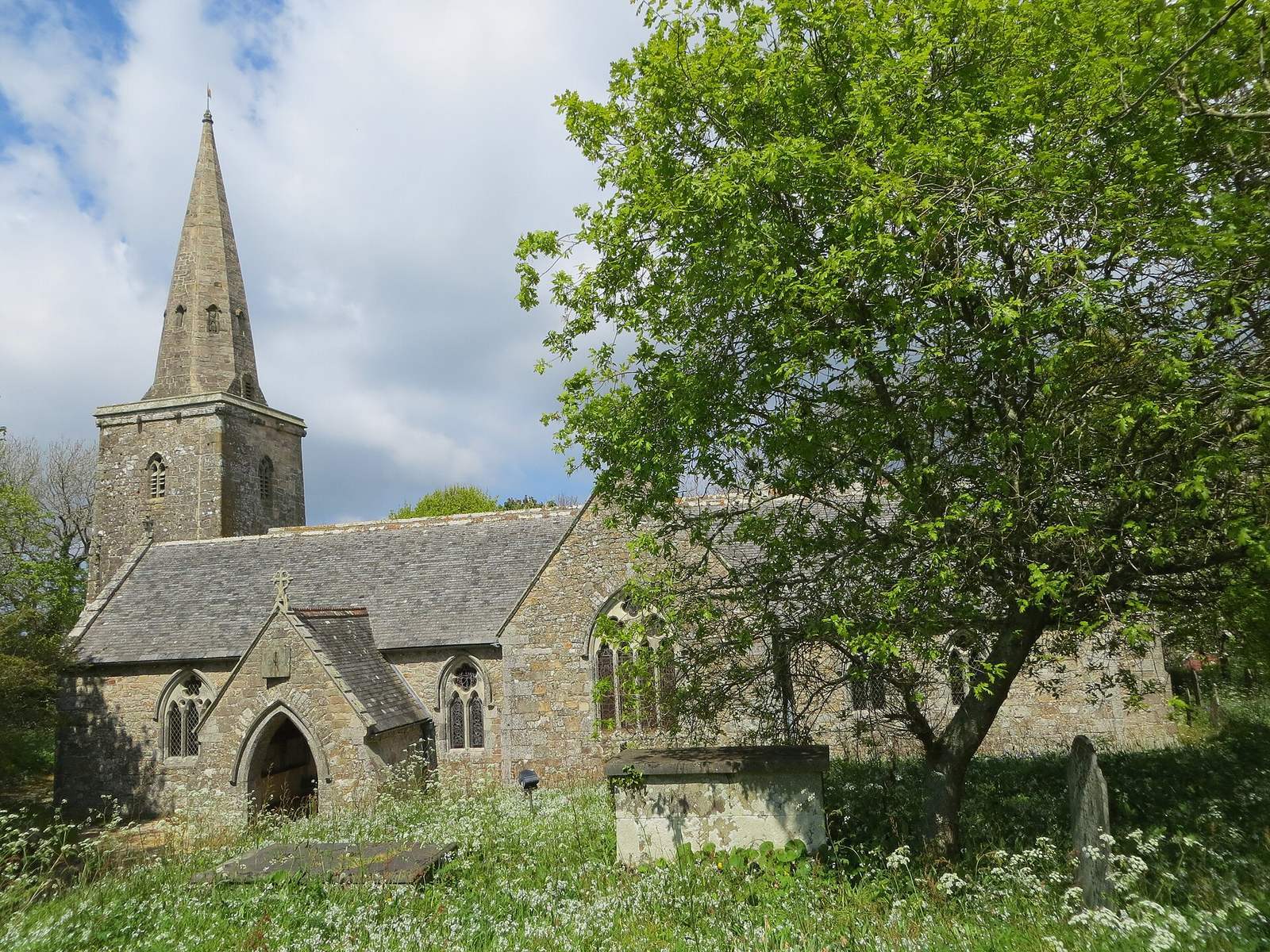
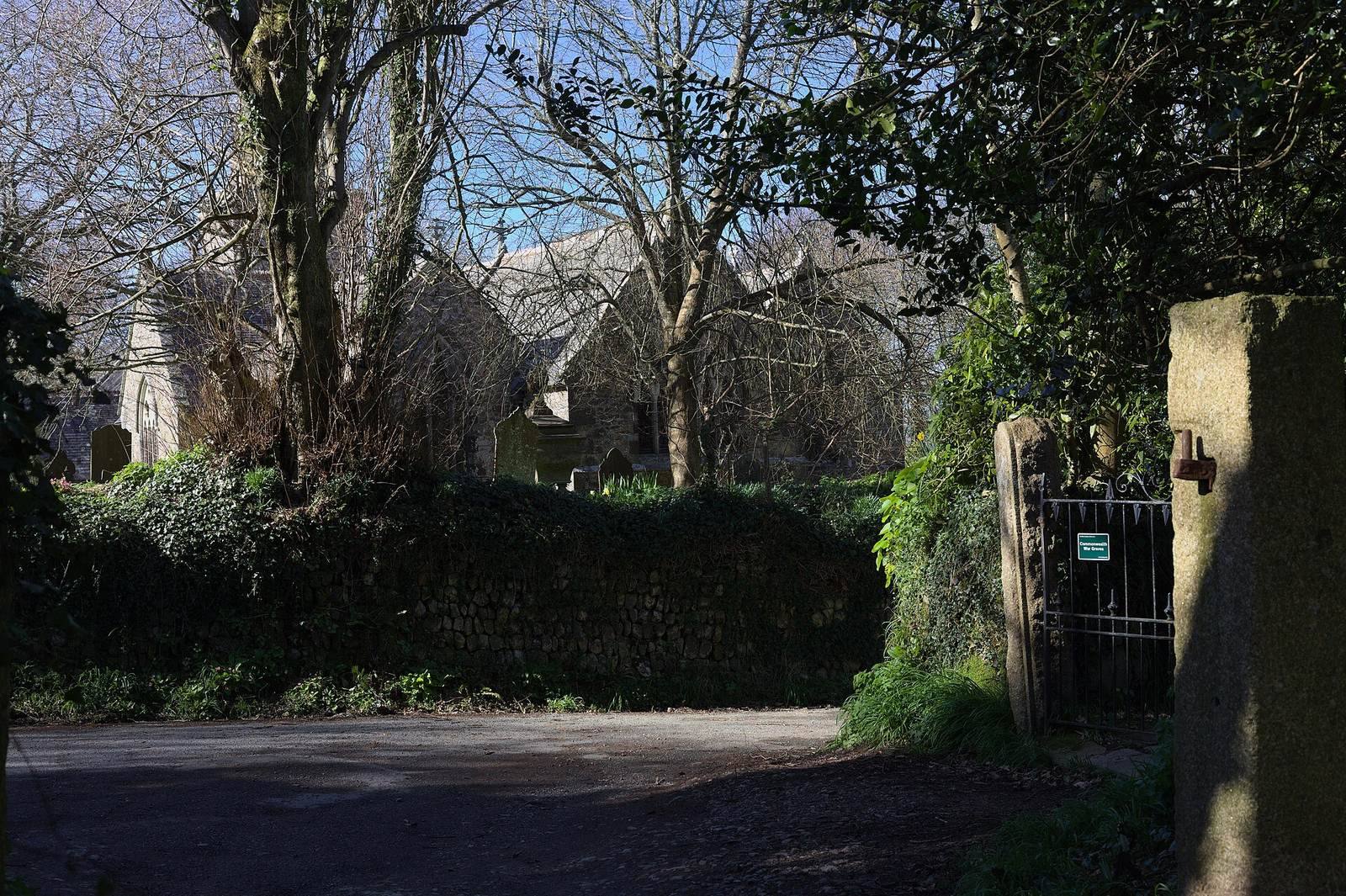
St Hilary Church, Cornwall, is a Church of England parish church in Penzance, United Kingdom, founded in 1250 in the Early English style, an early phase of English Gothic architecture. It is dedicated to St Hilary of Poitiers, a fourth-century bishop and Christian theologian. The church follows a High Church, or Anglo-Catholic, tradition that emphasizes formal liturgy and sacramental practice.
Fire and rebuilding
A fire damaged the church in 1853. William White, an English architect, rebuilt the remaining parts in 1855.
Walke’s decorative programme
After the rebuilding, the interior lacked decoration. Bernard Walke became vicar in 1912 and served as a priest from 1913 to 1936. He and his wife, Annie, commissioned a decorative programme with artist friends, including members of the Lamorna Group, a circle associated with the Newlyn School, a community of artists based in Cornwall. The Procters, Harveys, Knights, Garstins and Walkes took part, and some of the works depicted Cornish saints.
On 8 August 1932, Protestant agitators from Plymouth and elsewhere broke into the church and removed or destroyed many of the fittings and furnishings installed during Walke’s tenure. Some were later restored, and the church’s devotional character was reinstated. On 10 June 1954, it was listed at Grade I under the official name Church of Saint Hilary; its distinctive decorative scheme was among the reasons for the designation.
Remains
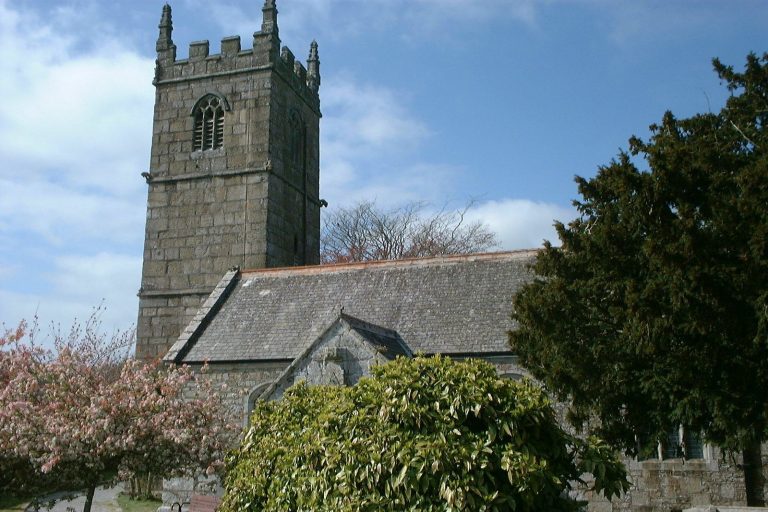
The surviving site includes the church’s 13th-century tower, a decorated interior and a churchyard with stone crosses. Within the building, works and furnishings are placed around the south door, pulpit, altar area, choir seating and north wall.
Interior decoration
Annie Walke’s painting of Joan of Arc, the fifteenth-century French military leader and Catholic saint, is just inside the south door. Ernest Procter made a work for the pulpit depicting St Mawes, St Kevin and St Neot, and a decorative structure behind the Altar of the Dead, used for devotional observances related to the dead. Paintings on the fixed choir seating were made by Annie and Dod Procter, Ernest Procter, Gladys Hynes, Alethea and Norman Garstin, and Harold Knight. Phyllis Yglesias, known as Pog, made the crucifix on the north wall, near Roger Fry’s decorative work behind an altar. At age 12, Joan Manning Saunders painted pictures for a screen separating the chancel, the area around the altar, from the main body of the church.
Roman milestone
A Roman milestone, a stone marker used to indicate distances along a Roman road, was found in the church’s foundations in 1854 and is now fixed in the south aisle. Its inscription refers to Constantine the Great, a fourth-century Roman emperor.
Churchyard crosses
The churchyard contains British and Roman crosses. One Cornish cross has a Latin cross on each face, and a further cross stands on Trewhela Lane.
St Hilary Heritage Centre
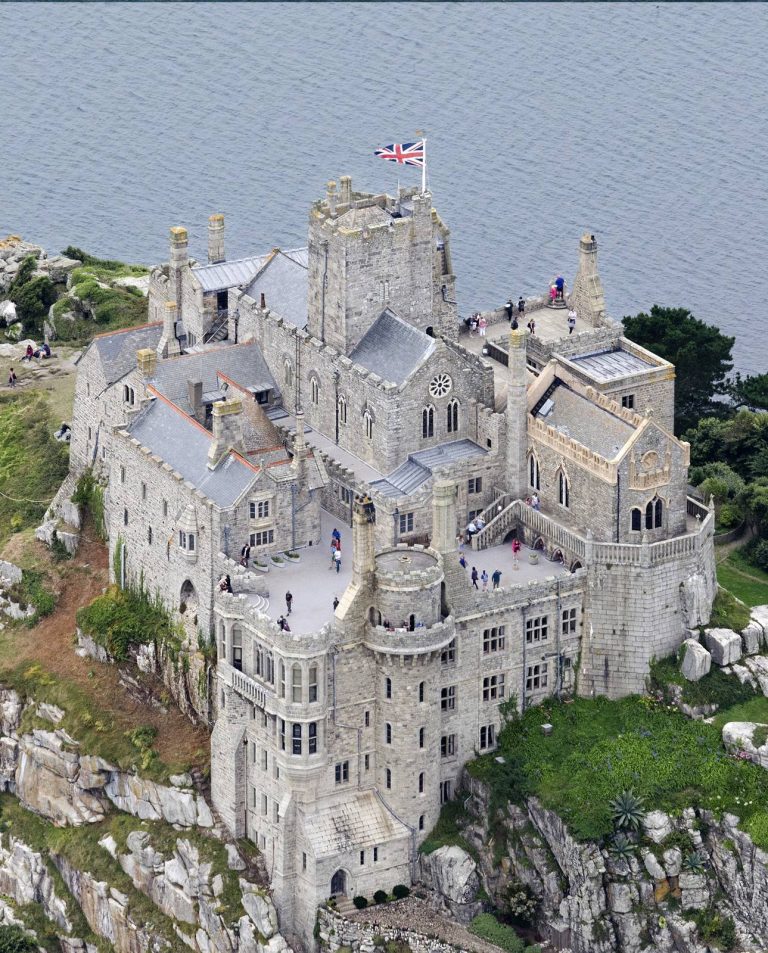
The St Hilary Heritage Centre is housed beneath the school room. Its displays cover local history from the Roman era onward, including mining, emigration, Newlyn School paintings, the Cornish language and the history of the church. They also present the church’s historical links with St Michael’s Mount, a tidal island off the coast of Cornwall.