Acton Castle: A Castellated Mansion and Botanical Research Site in Cornwall
Site at a Glance
- Rating
- 4.6
- Popularity
- Very Low
- Country
- United Kingdom
- Primary era
- Early Modern
- External website
- Open
- Eras represented
- Early Modern, Modern
- Civilizations
- British
- Site type
- Domestic
- Remains
- Castle
On this page7 sections
History
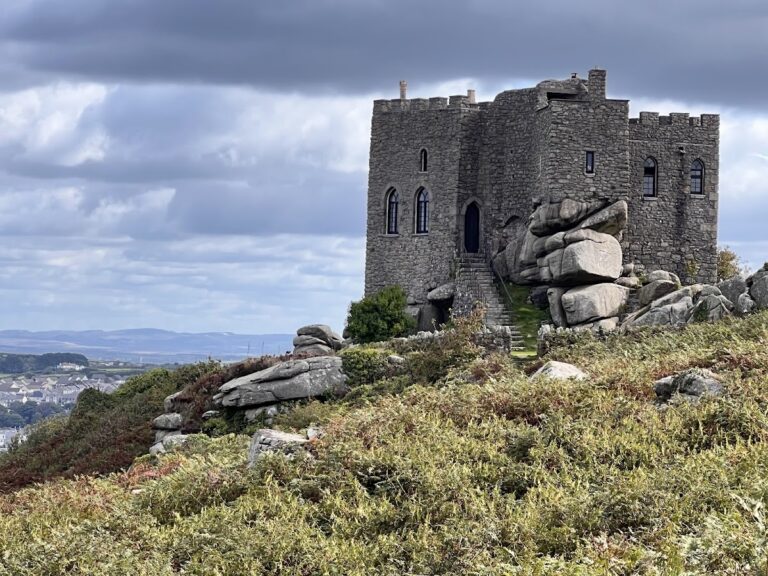
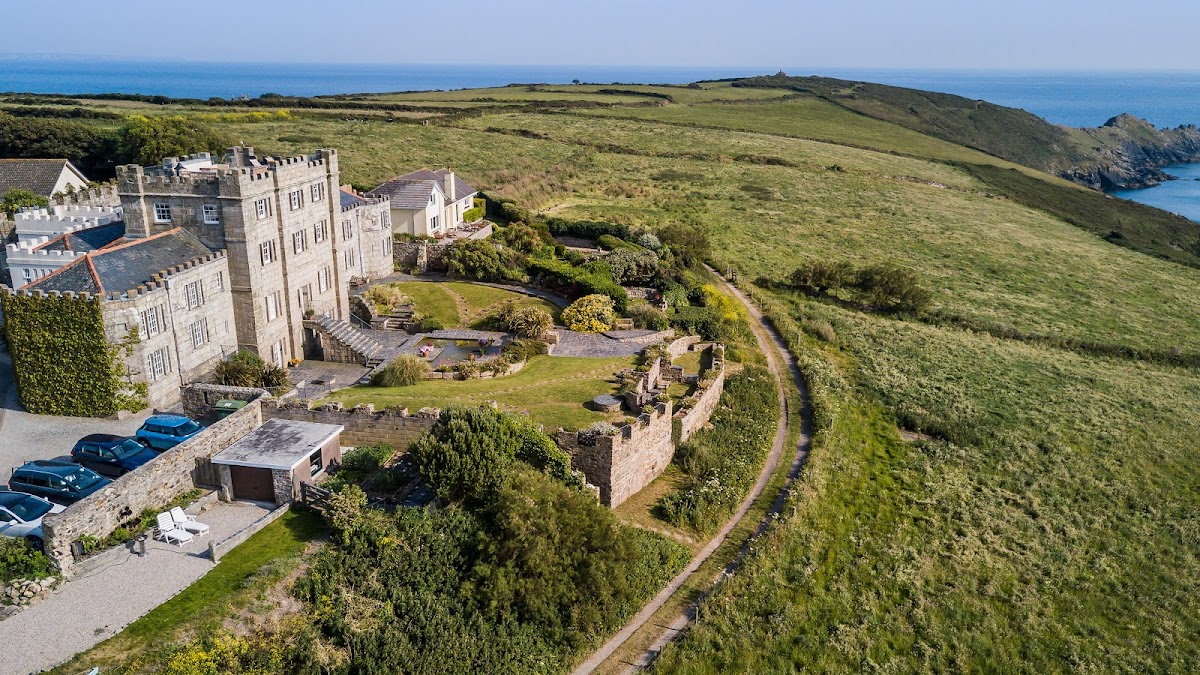
Acton Castle is a small castellated mansion in the United Kingdom, near Perranuthnoe in Cornwall. It was built around 1775, although a date around 1790 is also associated with its construction, and was created by the botanist John Stackhouse chiefly as a place to study marine algae.
John Stackhouse and the castle’s origins
Stackhouse was interested in marine plants and in the botanical writings of Theophrastus, an ancient Greek philosopher and naturalist whose work influenced later plant study. His research at Acton Castle and the nearby coast contributed to Nereis Britannica, an illustrated work on marine algae published in 1797. The building took its name from Stackhouse’s wife, Susana, who was born into the Acton family and was the heiress of Edward Acton of Acton Scott.
Ownership and local smuggling
Shortly before his death, Stackhouse sold Acton Castle to Bulkeley Mackworth Praed, son of William Mackworth Praed. Bulkeley Mackworth Praed died at the castle on 6 October 1852. The property then passed to his sister, who sold it to Thomas Field. Field lived there for several years before selling it to Richard Lanyon in 1861. After Lanyon’s death, his widow continued to live at Acton Castle until her own death in 1899.
During the Stackhouses’ ownership, their tenant John Carter used the castle and the nearby cove as a base for smuggling when the family was rarely in residence. Carter was known as the “King of Prussia,” and his activities gave Prussia Cove its name. He also concealed his brother Harry at the castle after Harry escaped from prison. Local tradition attributes tunnels linking the castle grounds with Stackhouse Cove to Carter, although this remains a legend rather than an established feature.
Hotel and later use
In the mid-twentieth century, Acton Castle was converted into a country hotel. The hotel closed during the 1980s because it did not attract sufficient business, and the building was subsequently divided into luxury apartments. Acton Castle has been protected as a Grade II* listed building since 9 October 1987. In England, this designation is applied to buildings of particular importance that are especially significant.
Remains
The castellated building
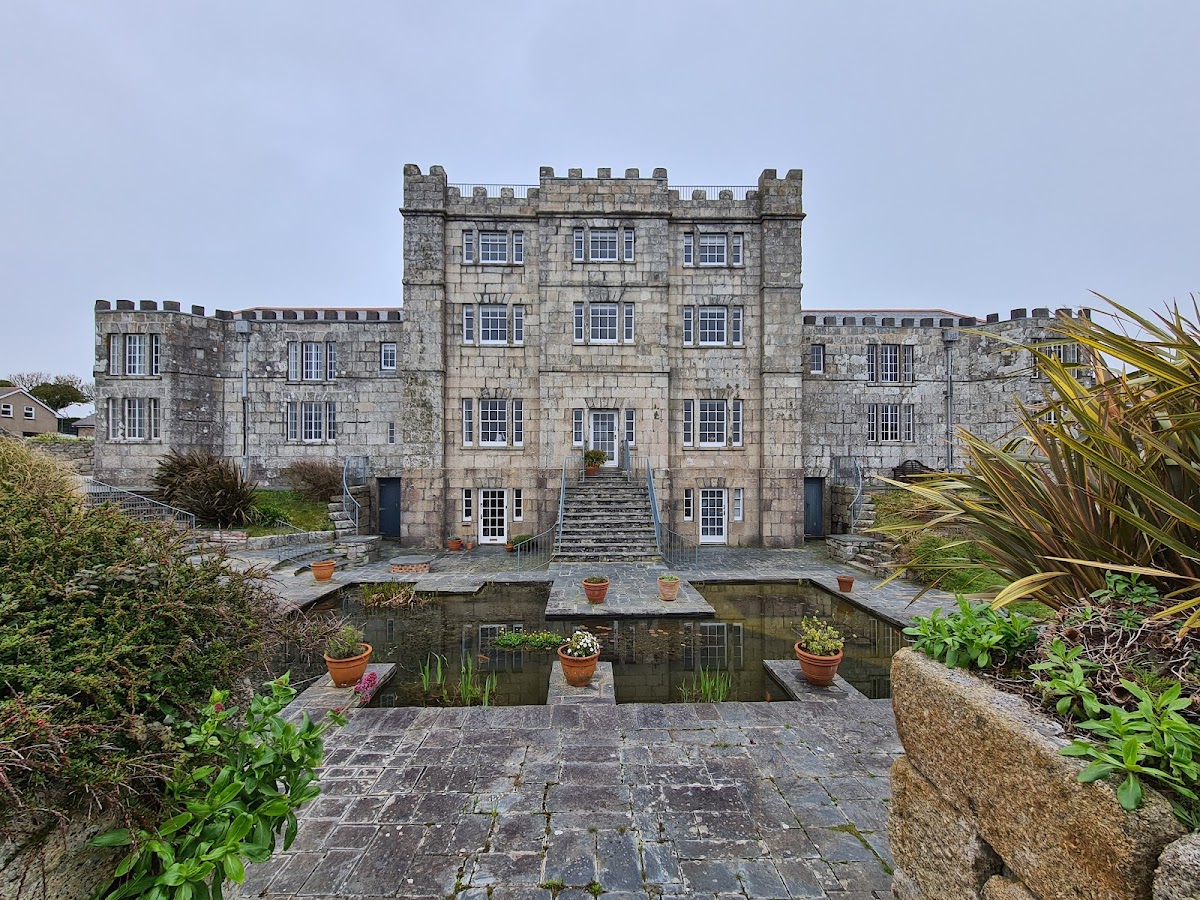
Acton Castle is built principally from granite. Dressed granite forms the facade and chimneys, while the roof is described as grouted. Embattled parapets, formed by alternating raised sections and openings along the wall tops, give the mansion its castle-like appearance. Two-storey wings with tripartite windows were added at the beginning of the twentieth century during the conversion to a country hotel. These windows are divided into three sections.
Stackhouse Cove and the research grounds
Stackhouse Cove lies below the castle and provided the coastal setting for Stackhouse’s investigations into marine algae. The grounds retain the remains of several large tanks that were formerly used to hold seaweed for his research. Together, the cove and these surviving tanks preserve the physical connection between the mansion and Stackhouse’s botanical work.
Nearby sites