Pengersick Castle: A Late-Medieval Fortified Manor House in Cornwall

Site at a Glance
- Rating
- 4.8
- Popularity
- Very Low
- Country
- United Kingdom
- Primary era
- Medieval
- External website
- Open
- Eras represented
- Medieval, Early Modern
- Civilizations
- English
- Site type
- Domestic
- Remains
- Castle
On this page7 sections
History
Foundation and enlargement
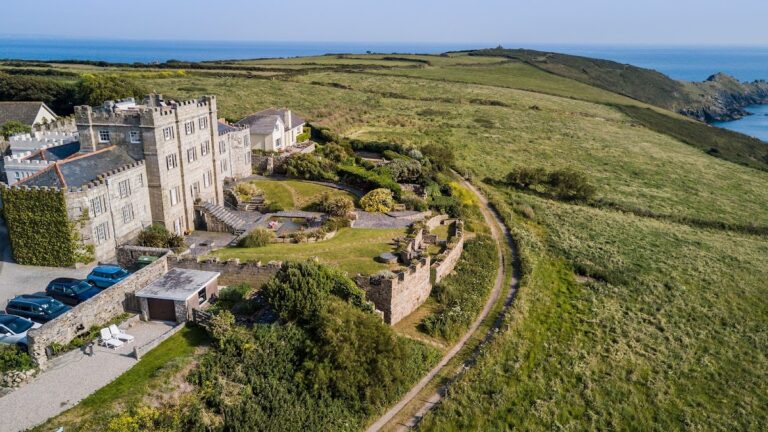
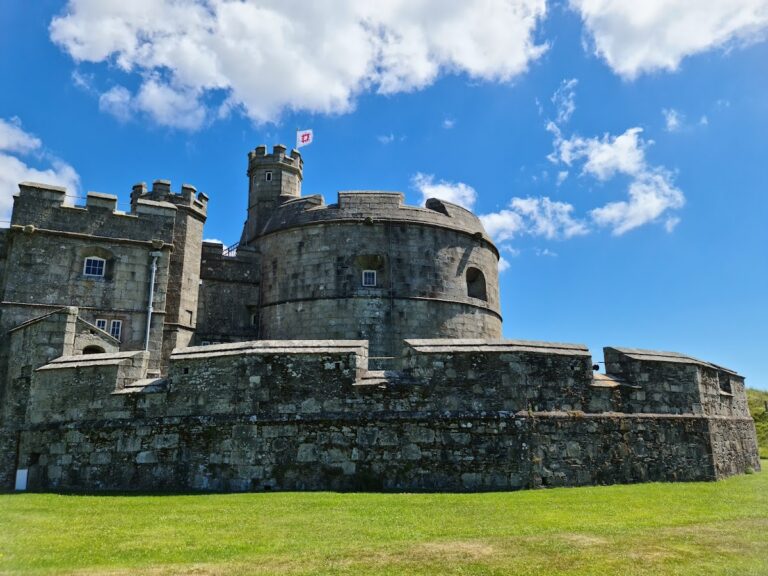
Pengersick Castle is a late-medieval fortified manor house in the United Kingdom, built around 1510 and centered on a tower house. It stands in the civil parish of Breage, Cornwall, between Germoe and Praa Sands. William Worth constructed the building, and his family originated at the manor of Worth in Washfield, Devon.
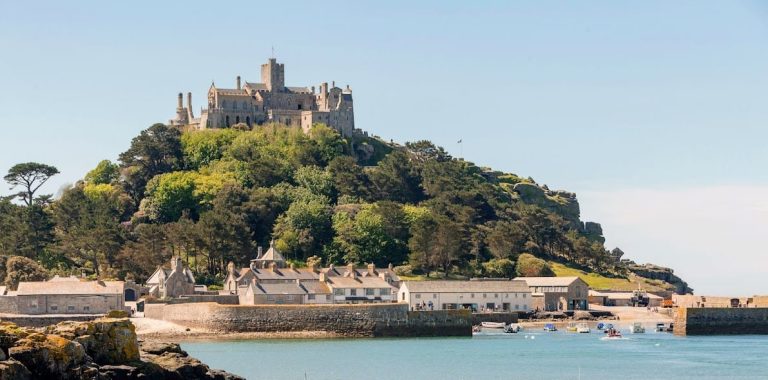
The Militon family, also from Devon, later inherited or acquired Pengersick and enlarged the property. Around 1530, it was improved as a fortified manor house. Tradition attributes the money for this work to proceeds from the wreck of a valuable Portuguese ship, although the story belongs to the castle’s traditional history rather than its securely established building record. John Milliton of Pengersick Castle later served as High Sheriff of Cornwall, the Crown’s senior traditional representative in the county, with ceremonial, judicial, and administrative responsibilities. In 1547, Job Militon, who was associated with Pengersick Castle, became governor of Saint Michael’s Mount, the official responsible for overseeing that tidal island fortress off Cornwall’s south coast.
Later use and traditions
The castle’s later history includes a period of agricultural use. By 1814, its principal rooms served as granaries and hay-lofts. Pengersick Castle was designated a Grade I listed building on 10 July 1957. Grade I is England’s highest category of statutory protection for buildings considered to have exceptional architectural or historic interest.
Stories about Pengersick include ghosts and alleged devil-worship, meaning supposed service or veneration of the Devil. One legend says that John Milliton tried to poison his wife, but that the pair exchanged goblets and were both taken to Hell by the Devil. Milliton died in 1570, while his wife died in 1579. Other parts of the supernatural tradition have been challenged: no monks were murdered at the castle, although Henry Pengersick assaulted one monk; the supposed plague pits shown in the television programme Most Haunted were elsewhere in the building; and the Black Dog story is described as a nineteenth-century smugglers’ myth intended to keep people away. Cornish wrestling tournaments for prizes have also been held at Pengersick Castle.
Remains
Tower house and interior spaces
Fortified tower
Pengersick is a late-medieval tower house, a building form represented by relatively few preserved towers of its type in Britain. Parts of the structure date from the early sixteenth century. The principal surviving element is the tower house incorporated into the wider fortified manor complex, linking the building’s defensive character with the enlargement carried out during the Militon period.
Panelled room
One room was described in 1814 as nearly entire, with panelled wainscot. Wainscot is wood panelling applied to the lower, or sometimes broader, interior surfaces of a room. The upper part of this panelling carried paintings accompanied by verses and proverbs written in text hand, a formal medieval and early-modern style of manuscript lettering. The room’s survival provides a detailed glimpse of the interior finish that remained while other principal spaces were being used for storing grain and hay.
Nearby sites