St German’s Church: An Anglican Gothic Revival Church in Cardiff
Site at a Glance
- Rating
- 4.4
- Popularity
- Low
- Country
- United Kingdom
- Primary era
- Modern
- Eras represented
- Modern
- Civilizations
- British
- Site type
- Religious
- Remains
- Church
On this page6 sections
History
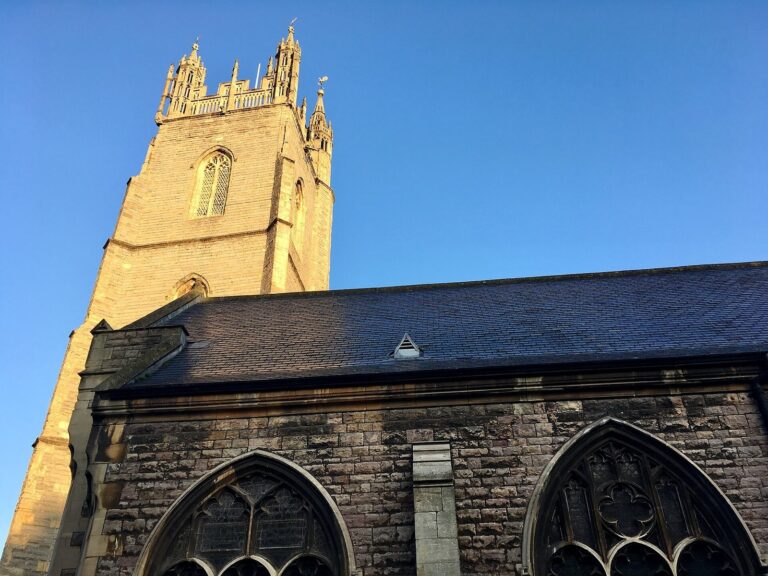
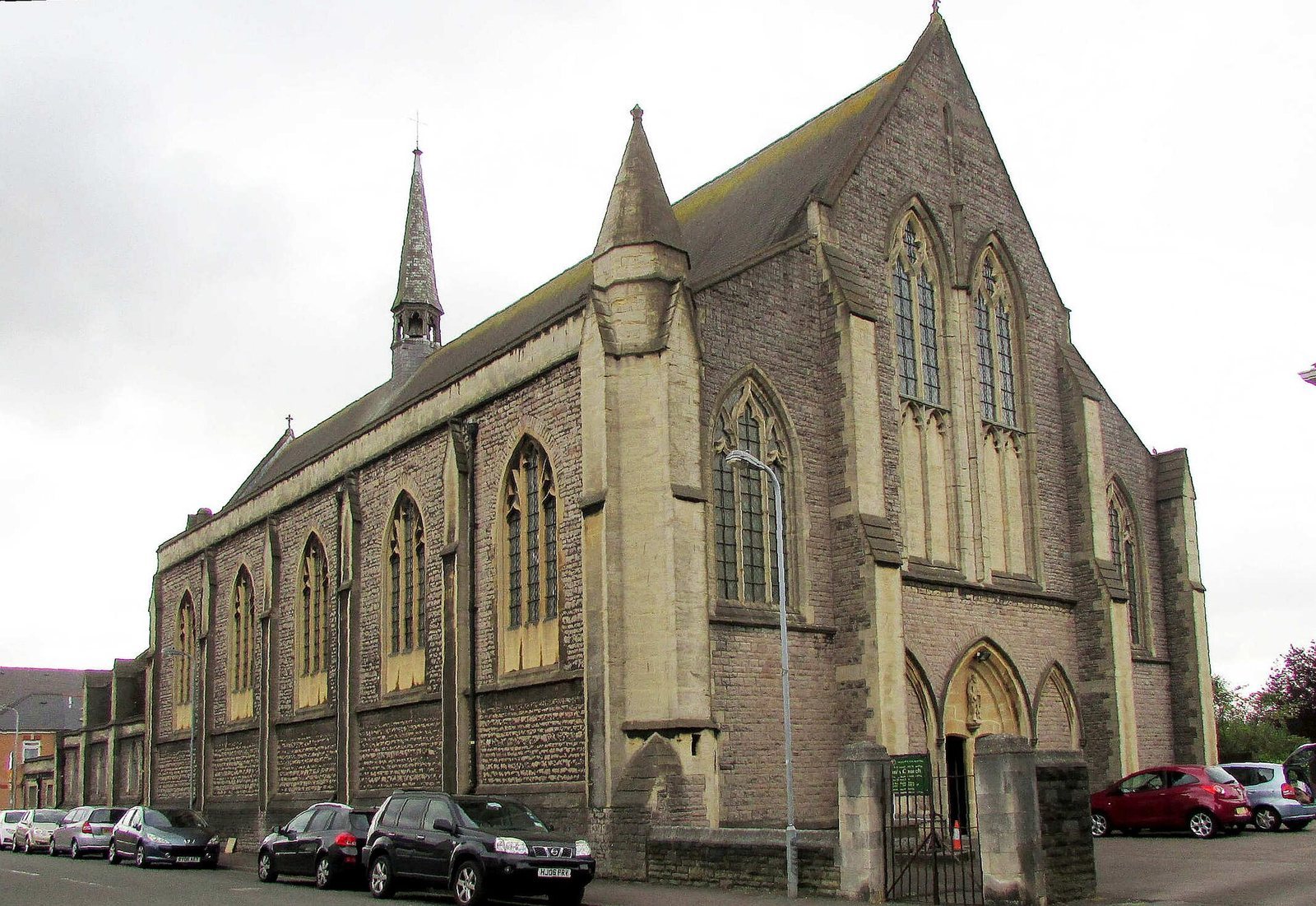
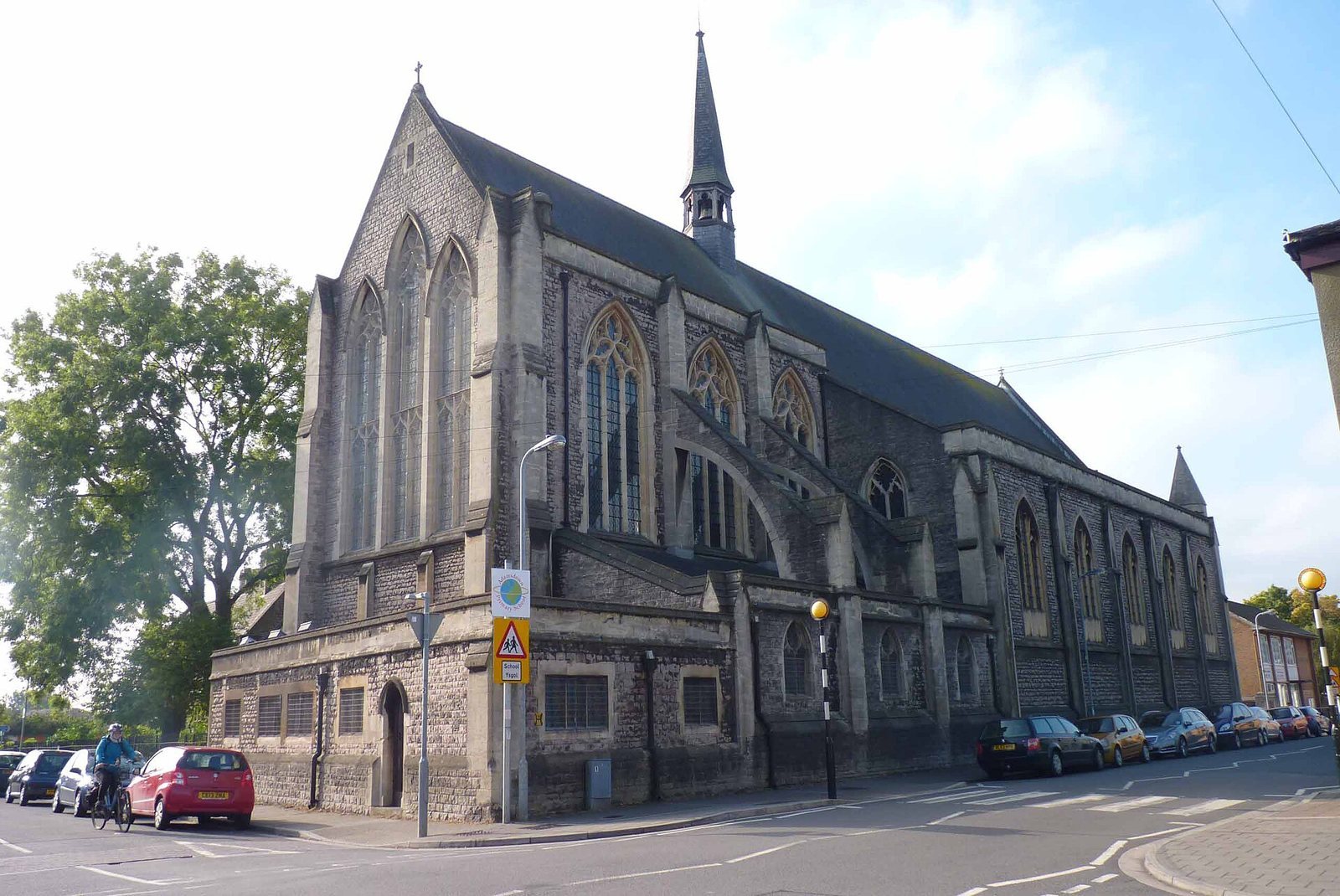
St German’s Church is an Anglican church in Adamsdown, Cardiff, Wales, United Kingdom, built from 1881 to 1884 in the Gothic Revival style. George Frederick Bodley and Thomas Garner designed it. It is regarded as one of their masterpieces and credited with introducing late Victorian Gothic to South Wales.
From chapel to new church
The locality’s first church opened in 1857 in a converted barn, under the names Splott Chapel and Christ Church. As the population increased, the congregation replaced it in 1874 with a second-hand iron building. That, too, soon became too small, prompting plans for a larger church.
The parish raised £5,000 for the new building, which cost the same amount. Lord Tredegar, the title held by Welsh landowner Godfrey Morgan, donated the land and laid the foundation stone in April 1882.
Parish and recognition
The church is dedicated to St Germanus of Auxerre, a fifth-century bishop in Gaul venerated as a saint. Garmon is the Welsh form associated with him. The church was consecrated in March 1886, when the parish of St German was established. It belongs to the Church in Wales, the Anglican church in Wales, and follows the Anglo-Catholic tradition, which incorporates elements of historic Catholic worship and liturgy.
In 1952 the church was listed Grade I, the highest level of listed-building protection in Wales. The designation recognised it as an exceptionally distinguished nineteenth-century Welsh religious building by an influential architect.
Remains
The large church occupies the corner of Star Street and Metal Street. A school and clergy house were built next door at the same time as the church, by the same architects.
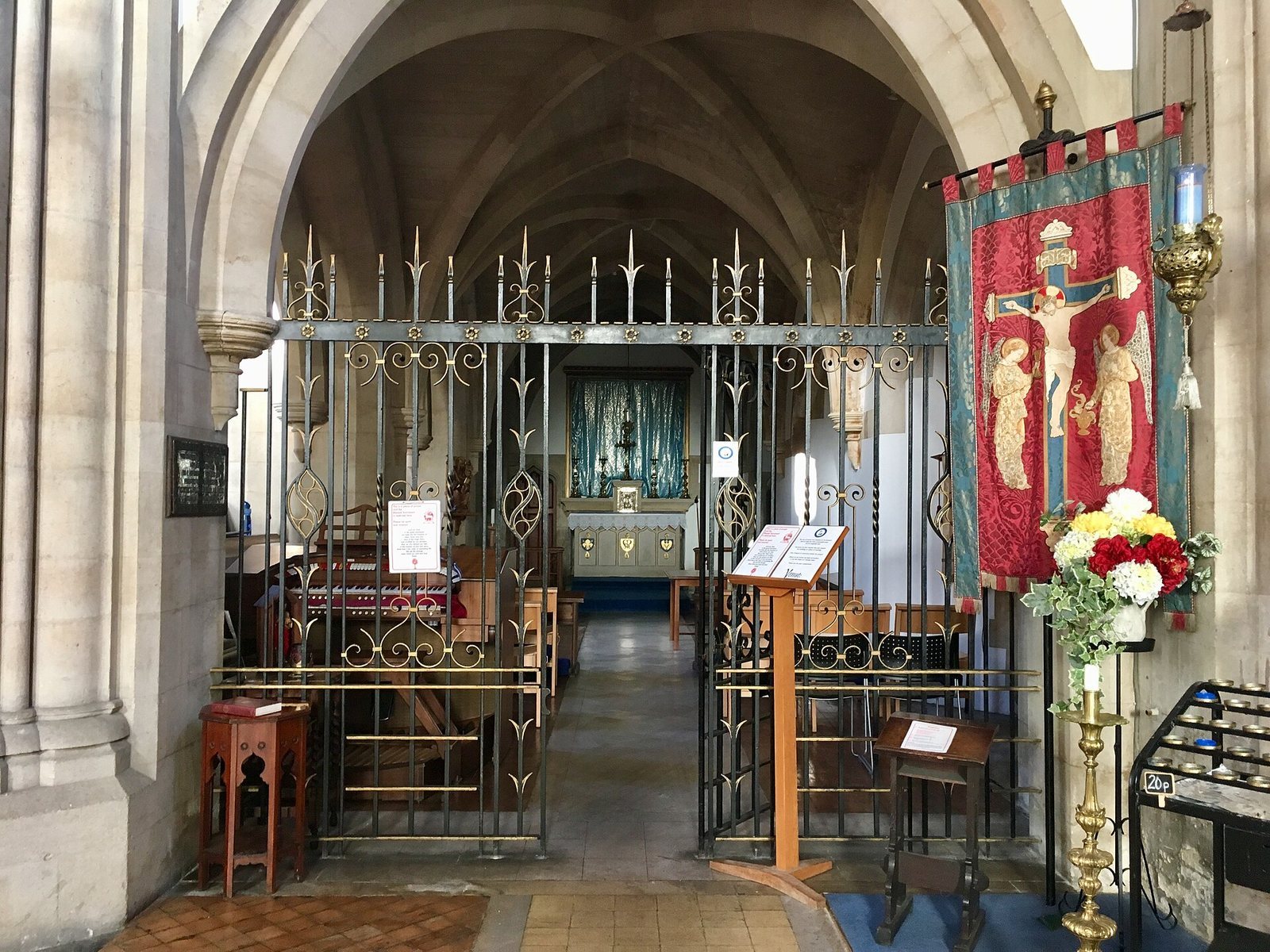
Nave and chancel
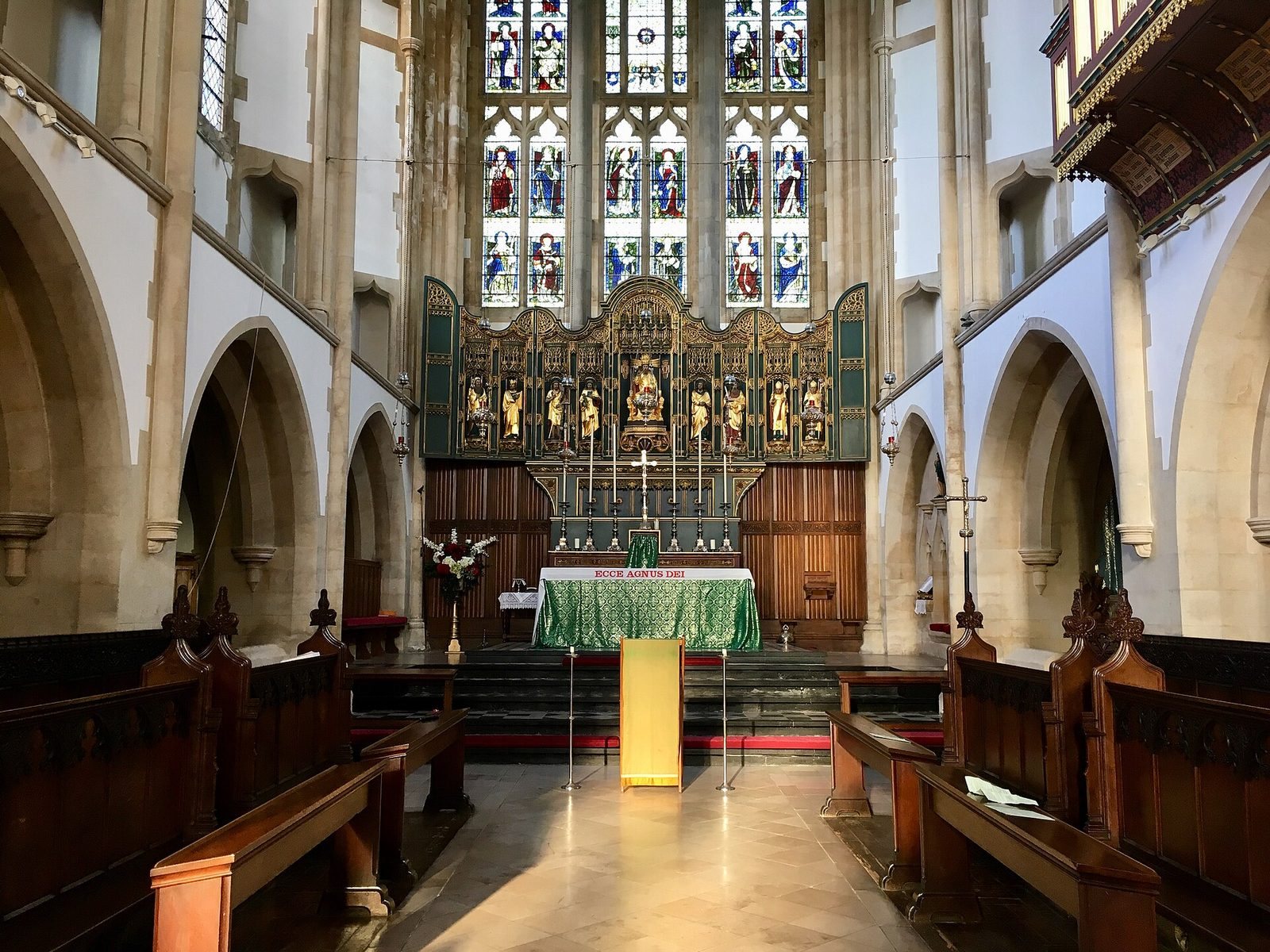
Arches run along both sides of the nave and rise almost to the ceiling, creating an open interior. The arrangement recalls churches in which the central nave and side aisles are of similar height, giving the space a unified, hall-like character. Architectural historian Newman described the church as tall, spacious and elegant, and noted its influence in the locality.
Organ case
A finely carved and painted organ case is positioned high on the south wall of the chancel. The Rev. Francis Edward Nugee gave it to the church, and it has since undergone careful restoration.