Skänninge Abbey: A Dominican Convent for Women in Sweden
Site at a Glance
- Popularity
- Medium
- Country
- Sweden
- Primary era
- Medieval
- Eras represented
- Medieval
- Civilizations
- Swedish
- Site type
- Religious
- Remains
- Monastery
On this page8 sections
History
Foundation and endowment
Skänninge Abbey was a Dominican convent for women in Skänninge, Sweden, founded in 1272 by Ingrid Elofsdotter. The Dominican Order was a Catholic religious order that included friars and nuns. Before the Reformation, the abbey was one of only two Dominican convents for women in Sweden. Ingrid established it after she was widowed and had made several pilgrimages to Rome. It was formally inaugurated on 12 August 1281, and Ingrid became its head.
The convent was first formally known as St. Martin’s Priory, named for Martin of Tours. By the late Middle Ages, people often called it St. Ingrid’s Priory. Ingrid’s brothers, Johan and Anders Elofsson, gave the community estates at Nyckelby and Medhamra and land on Öland; her sister Kristina also made donations. The siblings belonged to the high aristocracy, and their family held other estates on Öland.
In 1282, King Magnus III granted the convent royal protection and privileges. Ingrid died on 2 September that year. Although she was never formally canonized, she came to be venerated as a saint, and pilgrims who came to Skänninge helped the convent prosper.
Growth and late medieval standing
The convent grew wealthy and rivalled Skänninge’s Dominican friary. Affluent families chose its cemetery for burials and made substantial gifts in connection with them. In the fourteenth century, Bridget of Sweden placed her daughter Cecilia Ulvsdotter in the convent. In 1353, King Magnus Eriksson gave it the royal estate of Bjälbo.
Around 1505, the Dominican women’s community in Kalmar moved to Skänninge, bringing its property, other assets, and privileges. In 1507, with papal permission, Ingrid’s remains were ceremonially placed in a shrine. This enshrinement was celebrated with great ceremony and was regarded as one of the Dominican Order’s last major celebrations in Sweden before the Reformation.
Reformation and closure
King Christian II issued the convent’s last royal charter of protection in 1521. The Swedish Reformation began in 1527, as the country shifted from Catholicism to Lutheranism and the Crown took control of church property. Convents could no longer accept new members; existing nuns could leave or stay with royal support, while Catholic convents were taken over by the Crown.
A fire apparently damaged the convent in 1531. That year, the king offered the nuns the option of moving to Vadstena Abbey, but they refused. In 1544, King Gustav Vasa ordered them to relocate to Vreta Abbey. The move was forced and ended the convent’s institutional life in Skänninge.
Remains
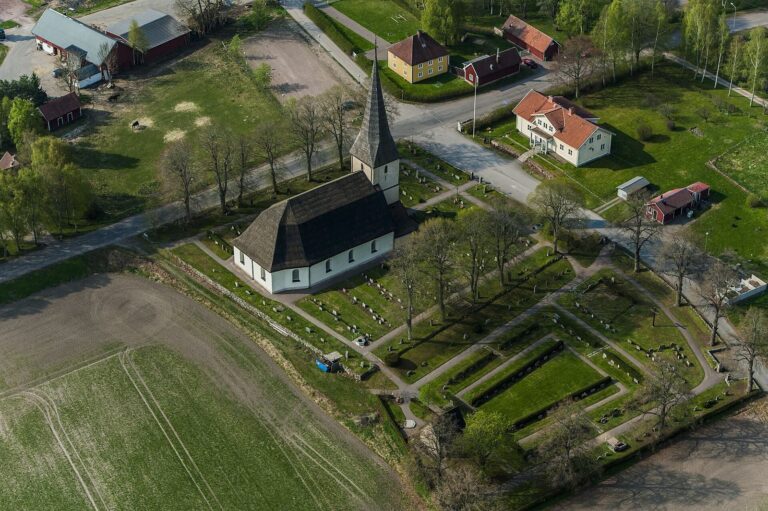
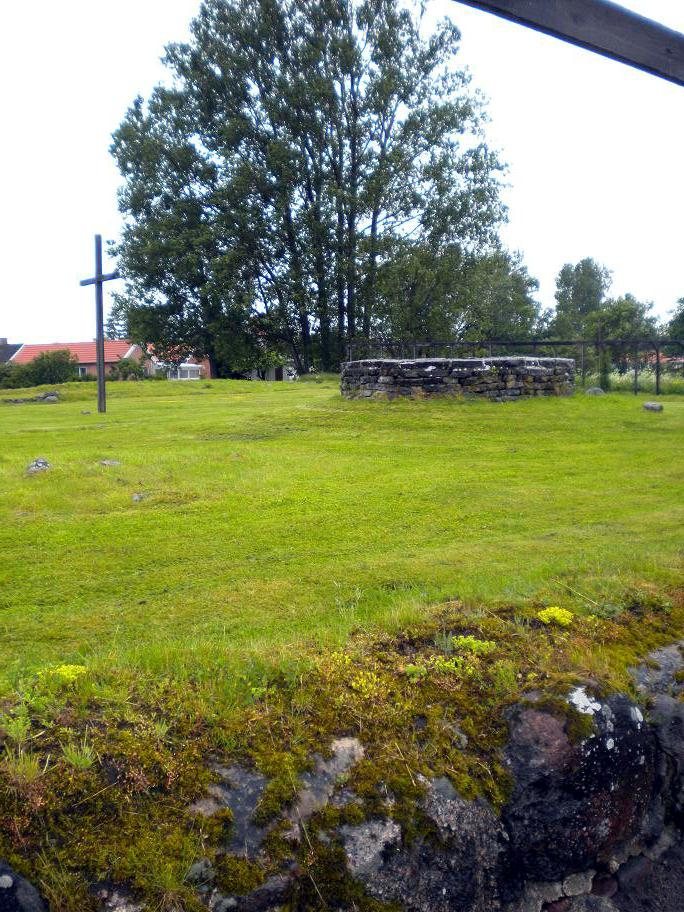
The convent stood northwest of the Skena River, beside the church of St. Martin, which became the chapel within the complex. Its surviving features include excavated wall remains and a well in the convent courtyard.
Buildings and excavated features
St. Martin’s church
The church was incorporated into the convent and used as its chapel. It may previously have served as a parish church.
Walls and courtyard well
Remains of the convent walls were excavated during the 1920s, 1930s, and 1940s. The well in the courtyard has been partially reconstructed.