Shōrin-in Temple: A Tendai Buddhist Temple and Center of Buddhist Chant in Kyoto
Site at a Glance
- Rating
- 4.2
- Popularity
- Low
- Country
- Japan
- Primary era
- Early Modern
- External website
- Open
- Eras represented
- Early Modern
- Civilizations
- Tokugawa
- Site type
- Religious
- Remains
- Monastery
On this page9 sections
History
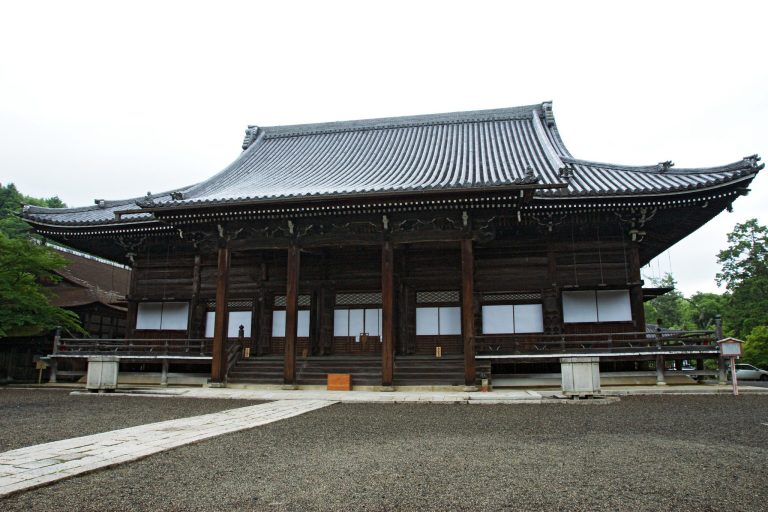
Shōrin-in Temple is a Tendai Buddhist temple in Kyoto, Japan, traditionally founded in 835 during the Heian period and attributed to Ennin, a Japanese Tendai monk who studied Buddhist liturgical chant in Tang China. Its formal name is Gyozan Daigenji Shōrin-in, and its principal image is Amida Buddha. The temple is also known as the Temple of Debate and the Hall of Proof, names associated with episodes that shaped its religious identity.
Foundation and the Ohara Chant Tradition
The earlier Ohara-dera institution later declined, but Jakugen revived it in 1013 as Shōrin-in. This date is also regarded as a possible foundation date. Jakugen established the temple as a place for the study and practice of Buddhist liturgical chant, the musical recitation of scriptures and ritual texts.
In 1109, the Tendai monk Ryonin founded Raigo-in. An upper temple centered on Raigo-in and a lower temple centered on Shōrin-in were then established. Together they were called Gyozan Ohara-dera, while the name Ohara-dera was also used more broadly for Ojōgokuraku-in, Shōrin-in, Raigo-in, and their subtemples. The chant tradition transmitted in this area became known as the Ohara or Gyozan tradition and later influenced chant practices in Pure Land Buddhism and Jōdo Shinshū.
The Hall of Proof and the Ohara Debate
In 1020, Jakugen invited Kakuchō and Henkyū, monks from Enryaku-ji, the major Tendai monastery on Mount Hiei, to Shōrin-in’s main hall for eight lectures on the Lotus Sutra. A miraculous sign attributed to the principal image astonished those present. The image thereafter became known as the Amida of Proof, and the hall acquired the name Hall of Proof. Later generations referred to the event as the Ohara Discourse.
Shōrin-in was also the setting for the Ohara Debate in 1186. At Kenshin’s invitation, Hōnen debated Pure Land doctrine there for an entire day and night with Meihen, Shōshin, Jōkei, Chikai, Chōgen, and others. The discussion addressed twelve objections. Hōnen argued that reciting the Buddha’s name enabled anyone to be reborn in the Pure Land, Amida Buddha’s realm, understood as a favorable setting for liberation.
According to the tradition surrounding the debate, the Amida image emitted light and confirmed Hōnen’s position. The audience then recited the Buddha’s name continuously for three days and nights. The following day, Chōgen adopted the formula Namu Amida Butsu, an expression of devotion to Amida Buddha, as his style and became Hōnen’s disciple.
Decline and Restoration
In 1352, a Zen monk known as Sodon Shuza seized control of Ohara-dera. The monks resisted and dispersed, after which the institution declined and its monastic residences fell into ruin. Restoration was later led by a grand prelate of Shōrin-in who was also the first grand prelate of Ohara-dera. With the support of Ashikaga Yoshimitsu, the third shogun of the Muromachi shogunate and a major patron of religious institutions, he restored the institution and maintained a teacher–disciple relationship with Yoshimitsu. He transmitted the Ohara chant tradition to the shogun.
From this period, monks from Ohara also became central participants in imperial memorial services for former emperors. Their involvement strengthened the district’s position as a center of Buddhist chant.
Edo Period and Later Institutional Change
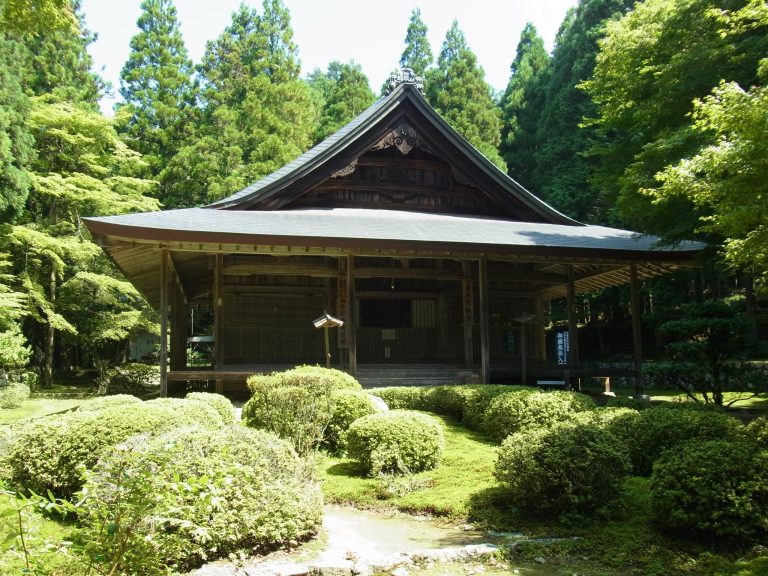
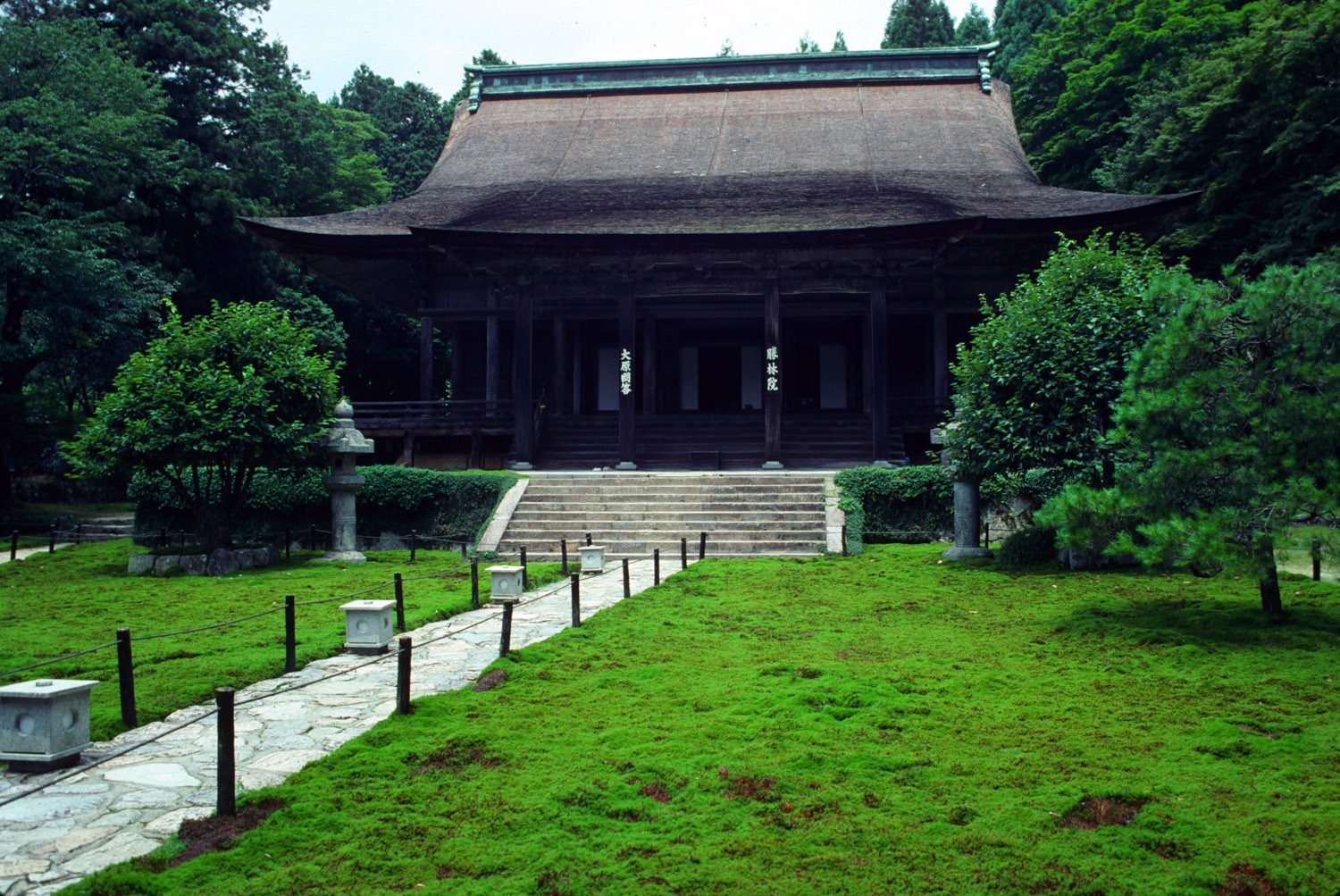
During the early Edo period, under the third shogun Tokugawa Iemitsu, the main hall was rebuilt at the request of Kasuga no Tsubone to commemorate Oeyo, also known by her Buddhist name Sōgen-in. A fire in January 1736 destroyed the hall, which was rebuilt in 1778.
At the end of the Edo period, Shōrin-in had four subtemples, Rikakubō, Jikkōbō, Hōsenbō, and Fugenbō. These declined after the Meiji Restoration, and Hōsen-in and Jikkō-in are the two that remain. Shōrin-in’s abbot is appointed on a three-year rotation from the abbots of these subtemples.
Shōrin-in remains formally affiliated with the Tendai school. It is the twenty-first site on the Twenty-Five Sacred Places of Hōnen pilgrimage route and stands north of Sanzen-in. Its stone hōkyōintō, a Buddhist reliquary pagoda used to enshrine or commemorate sacred relics or texts, and its temple bell are Important Cultural Properties. Kyoto City designates the main hall and bell tower as tangible cultural properties.
Remains
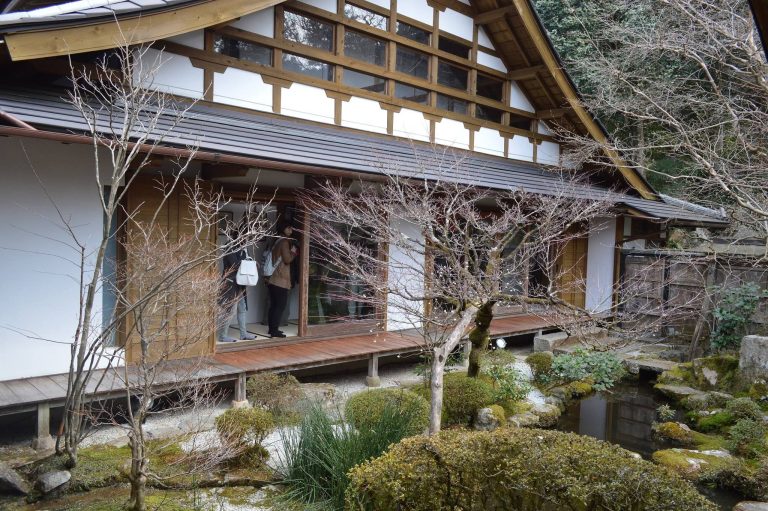
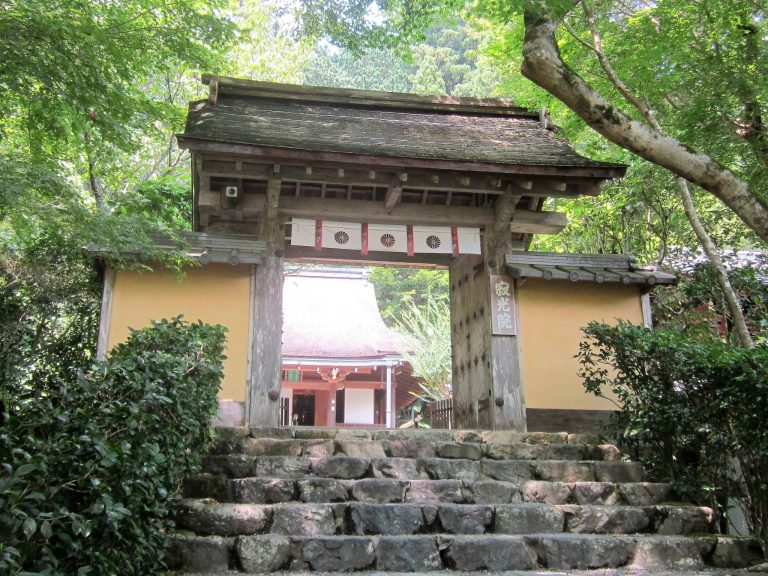
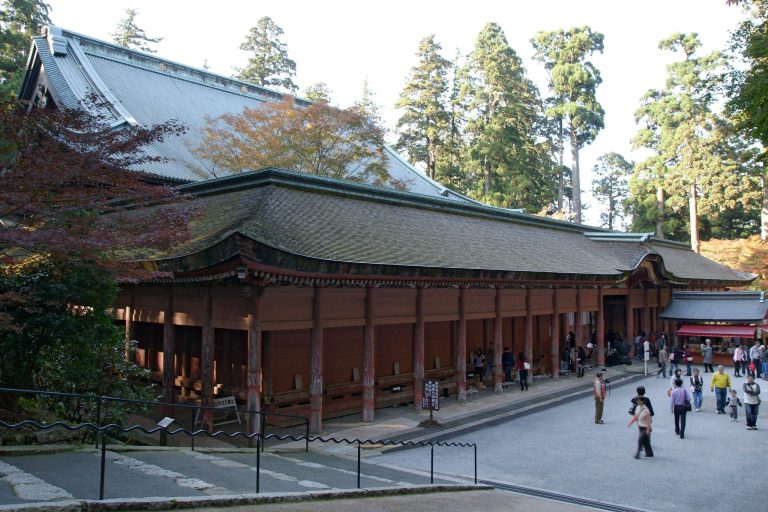
The surviving precincts include the main hall, bell tower, treasure repository, Kannon hall, Sannō shrine, Benzaiten shrine, stone hōkyōintō, Hōsen-in and Jikkō-in subtemples, and Hōnen’s Sitting Stone in front of the precinct entrance. Together these features preserve the temple’s principal worship space, dependent institutions, religious structures, commemorative monument, and historic objects.
Main Hall and Bell Tower
The main hall, rebuilt in 1778 after the earlier hall was destroyed by fire, survives as a Kyoto City-designated tangible cultural property. The bell tower is likewise protected by Kyoto City and contains the temple bell, which is an Important Cultural Property. The stone hōkyōintō is also an Important Cultural Property.
Principal Image of Amida
The principal image is a wooden seated statue of Amida Buddha. Tradition attributes the original statue to the sculptor Kōshō. A fire during disturbances in August 1490 damaged the image, and repairs were completed about two years later. An investigation undertaken for the temple’s thousandth anniversary established that the present head dates from that repair.
The statue and main hall were damaged again by flooding in July 1544 and were subsequently repaired. An inscription placed inside the statue, the Record of the Amida of Proof’s Interior, describes this event. The image suffered further damage in the January 1736 fire, and the present statue was consecrated in September 1737.
Subtemples and Commemorative Features
Hōsen-in and Jikkō-in survive within the temple’s institutional network as dependent subtemples. Other precinct features include the treasure repository, Kannon hall, Sannō shrine, and Benzaiten shrine. Hōnen’s Sitting Stone stands in front of the precinct entrance, linking the physical setting with the temple’s association with Hōnen and the Ohara Debate.