Shionjiyama Kofun: A Fifth-Century Keyhole Burial Mound in Japan

Site at a Glance
- Rating
- 4.2
- Popularity
- Low
- Country
- Japan
- Primary era
- Classical
- External website
- Open
- Eras represented
- Classical
- Civilizations
- Yamato
- Site type
- Burial
- Remains
- Burial Mound
On this page8 sections
History
Shionjiyama Kofun is a large burial mound in Yao, Osaka, Japan, built around the beginning of the fifth century during the middle Kofun period. A kofun was a monumental Japanese burial mound used chiefly between the third and seventh centuries, and this one is regarded as the tomb of a powerful local lineage that controlled the surrounding area.
Early History
The mound was constructed during an era when powerful regional elites built large burial monuments. Its position at the western foot of the Ikoma Mountains and its substantial size reflect the resources available to the lineage associated with it. The mound remained almost intact until the modern period.
Asuka-Period Temple
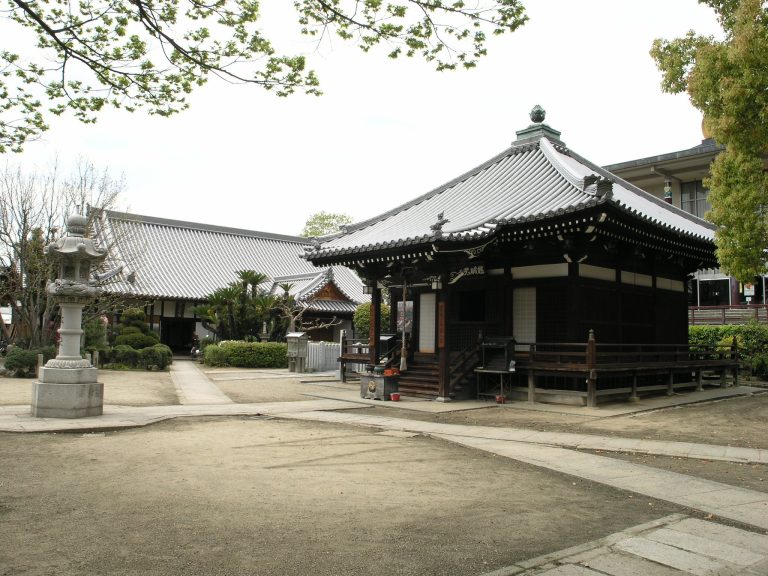
During the Asuka period, an era of major political and religious change associated with the spread and institutional development of Buddhism, the Buddhist temple Shingo-ji was established on the western side of the mound. The temple later disappeared. Its name is thought to have changed in pronunciation over time, giving rise to the present name Shionjiyama.
Protection and Investigation
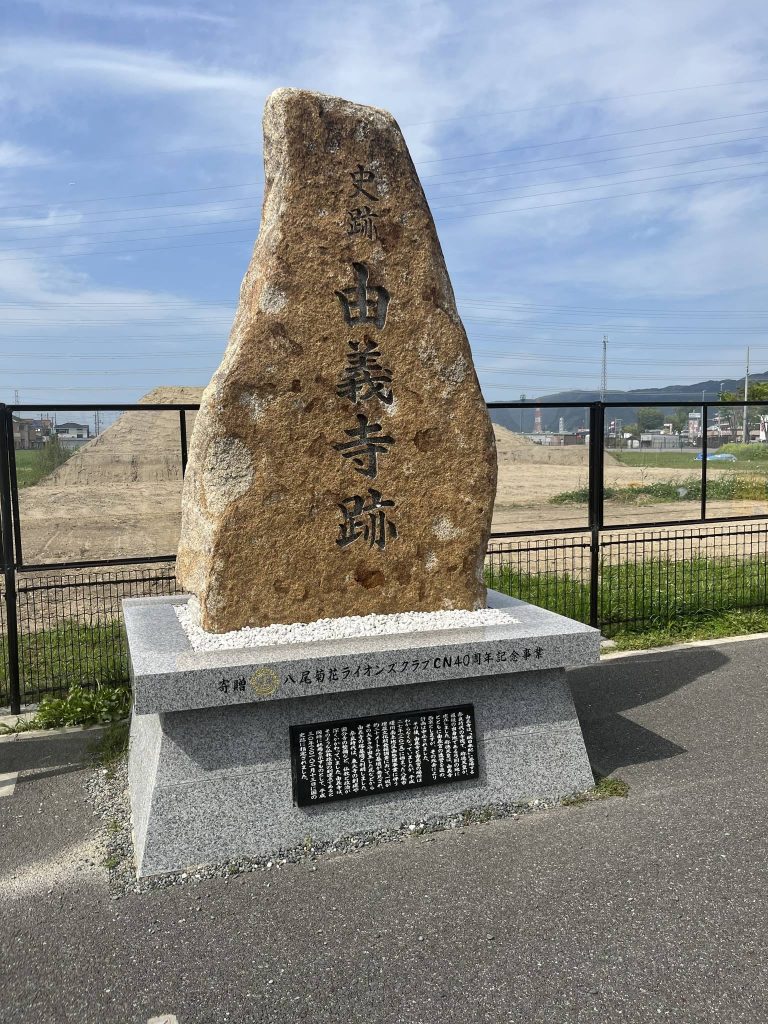
Shionjiyama Kofun became a National Historic Site of Japan on February 25, 1966, and the protected area was expanded in 1978. Full-scale archaeological investigations began in 1993 as part of a historic-site improvement project, with ten investigations carried out through 2003. Improvement works took place from 2001 to 2005. The mound and its surroundings are now maintained as an archaeological park, while burial goods recovered during the investigations are displayed at the Yao City Shionjiyama Kofun Learning Center beside the mound.
Remains
Shionjiyama Kofun is a large keyhole-shaped mound, a form combining a square front section with a circular rear section when viewed from above. It measures approximately 160 metres from north to south. The front section faces south, the rear section lies to the north, and the mound stands at an elevation of about 30 metres on a natural slope at the western foot of the Ikoma Mountains. Its builders followed the slope’s contour lines, creating a three-tiered earthwork.
Mound and Stone Covering
The rear circular section is about 92 metres in diameter and 13 metres high, while the front square section is approximately 90 metres wide and 12 metres high. The sloping surfaces were entirely covered with stone revetment, protecting and reinforcing the earthwork. Two large paulownia trees growing midway up the rear section were retained during the improvement works rather than felled.
Burial Facilities and Goods
A square platform was identified at the centre of the summit of the front section, with one burial facility beneath it. Three clay-lined burial facilities of different lengths were found at the summit of the rear circular section, and a wooden coffin was confirmed in the western facility. Bronze mirrors, including a Kui-feng mirror, magatama beads, armour, large swords, iron swords, and iron spearheads were excavated around the burial facilities.
Haniwa and Surrounding Features
The level areas of the three tiers held approximately 3,000 cylindrical haniwa, clay objects placed around or on burial mounds, arranged in a regular scheme. Equipment-representing and other figurative examples, including morning-glory-shaped haniwa, were also present. Replicas of the cylindrical haniwa now line the tiered surfaces. A platform-like projection called a tsukuridashi extends from the western side of the constricted central area, and various haniwa are thought to have been placed on it.
The surrounding moat was divided by embankments on its north and south sides, producing different water levels to the east and west. This arrangement is considered unusual. An enclosure-shaped haniwa from Shionjiyama Kofun has a structure similar to a board-fence feature discovered at the Akitsu archaeological site in Gose, Nara Prefecture, a comparison that has attracted attention.