Shibi Shrine: A Mountain Guardian Shrine in Satsuma, Japan
Site at a Glance
- Rating
- 4.1
- Popularity
- Very Low
- Country
- Japan
- Primary era
- Medieval
- External website
- Open
- Eras represented
- Medieval
- Civilizations
- Unclassified
- Site type
- Religious
- Remains
- Sanctuary
On this page12 sections
History
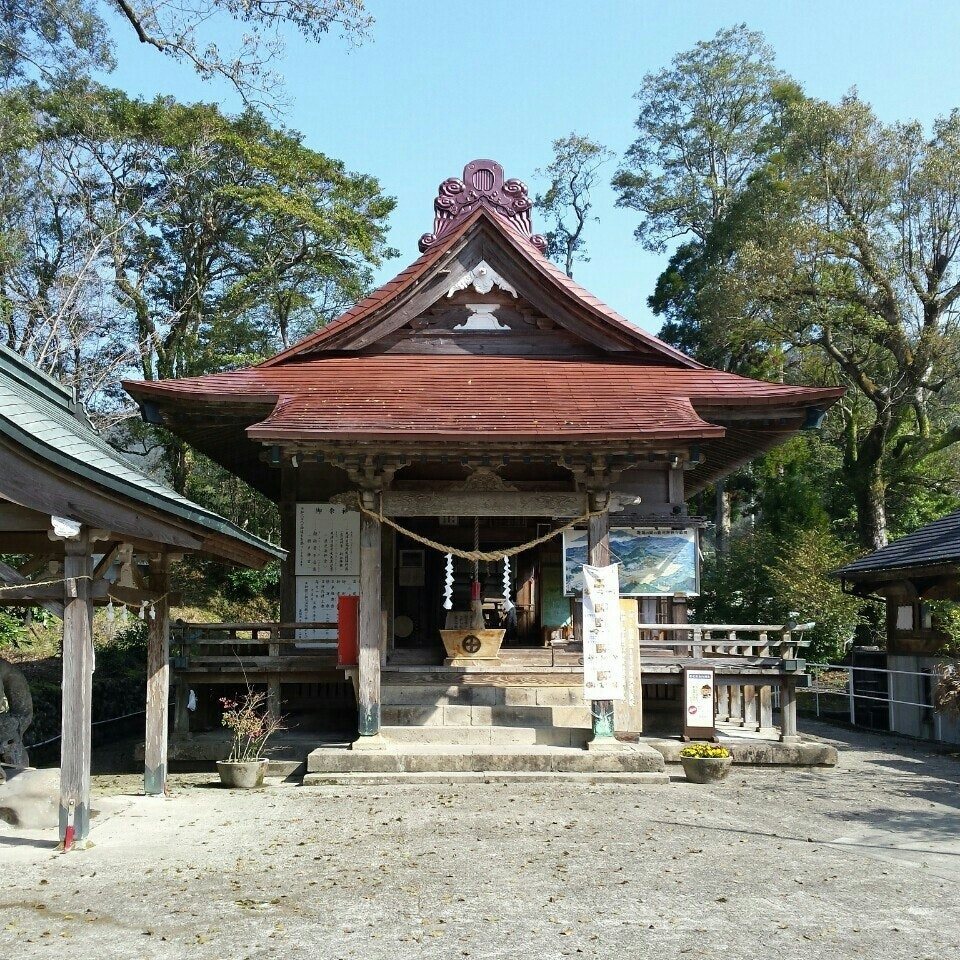
Shibi Shrine is a historic mountain sanctuary in Japan, located at the foot of Shibisan in Shibi, Satsuma. Formerly known as Shibisan Sansho Gongen and Shibi Sansho Gongen, it was revered as the principal shrine of the seven districts of Kedoin, a historical regional grouping that included Yamazaki, Omura, Kuroki, Sashi, Imuta, Miyanojo, and Tsuruta. Some traditions expanded the number to nine by adding Iriki and Nagano. The shrine was also regarded as the chief guardian sanctuary of northern Satsuma.
Early traditions and court recognition
Shibi Shrine is considered one possible location of the Satsuma sanctuary called Shibi-no-kami in the Veritable Records of Three Reigns, a ninth-century court chronicle covering the reigns of three emperors. An entry dated April 7, 866, raises the deity from Senior Sixth Rank, Upper Grade, to Junior Fifth Rank, Lower Grade. A similar entry dated March 8, 868, concerns a shrine with the same name at Karasakigi in Takaono. The two records have sometimes been treated as repetitions, but the earlier entry is assigned to the shrine in present-day Satsuma, while the later one is associated with Karasakigi.
Two foundation traditions place the shrine in Japan’s legendary and early historical past. One says that Shibisan was opened during the reign of Emperor Kogen and that Kumano Gongen was enshrined on the summit. Kumano Gongen was a medieval form of worship that combined Buddhist and Shinto traditions. Another tradition places the foundation during the reign of Emperor Keitai, traditionally dated to AD 522. In this account, the monk Kukaku Shonin received a divine message in a dream while practicing on the mountain, then established the foothills as sacred ground and founded Shibisan Sansho Gongen.
Upper and Lower Palace traditions
The Kukaku tradition states that a small sanctuary called Upper Palace Gongen was built near the summit, while Shibisan Kedoin Jinko-ji was established at the foot of the mountain. The mountain consequently became known both as Shibisan and as Upper Palace Mountain. Another tradition says that the original summit sanctuary was repeatedly damaged by violent winds and was difficult to use for religious rites. It was therefore divided into two foothill sanctuaries, including Shibi Shrine and the shrine of the same name at Karasakigi. These were called Lower Palaces. When Old Shibi Shrine at Kashiwabara is counted as the Lower Palace, the present sanctuary is instead called the Middle Palace.
These accounts reflect a foundation in mountain worship centered on Shibisan. Shibi Shrine is sometimes regarded as the foothill counterpart of Upper Palace Shrine near the summit. The direct relationship remains unclear, however. Upper Palace Shrine is served by a hereditary shrine family from the Takemoto area of Izumi, and its connection with the Upper Palace Gongen attributed to Kukaku Shonin has not been confirmed.
Medieval practice and later patronage
In the medieval period, Shibisan Kedoin Jinko-ji maintained lodging for attendant monks at the mountain’s foot. Many mountain ascetics visited the sanctuary and trained there in Shugen, a form of religious practice conducted in mountainous environments. Shibisan was described as the “Koyasan of the western region” and the “Omine of the western provinces,” reflecting its reputation as a major center for mountain-entry practice.
The Kamakura and Muromachi shogunates were traditionally said to have venerated the shrine. During the Edo period, the Shimazu family, the ruling house of the Satsuma domain in southern Kyushu, patronized it as a regional guardian sanctuary. The family donated shrine estates and supported repairs to the buildings.
The gold-mine tradition and modern status
In the middle of the seventeenth century, traditionally near the end of the Kan’ei era, a divine oracle associated with Shibi Shrine led to the discovery of the Nagano gold mine. The belief that the shrine housed the deity who had revealed the mine attracted visitors connected with mining.
Shibi Shrine is classified as a former prefectural shrine, a rank within the state-supported system of Shinto shrine classifications that existed before 1945. It is also regarded as a claimant to a shrine mentioned in Japan’s national histories. Its former names, mountain-worship traditions, and long association with regional rulers underpin its historical standing in northern Satsuma.
Remains
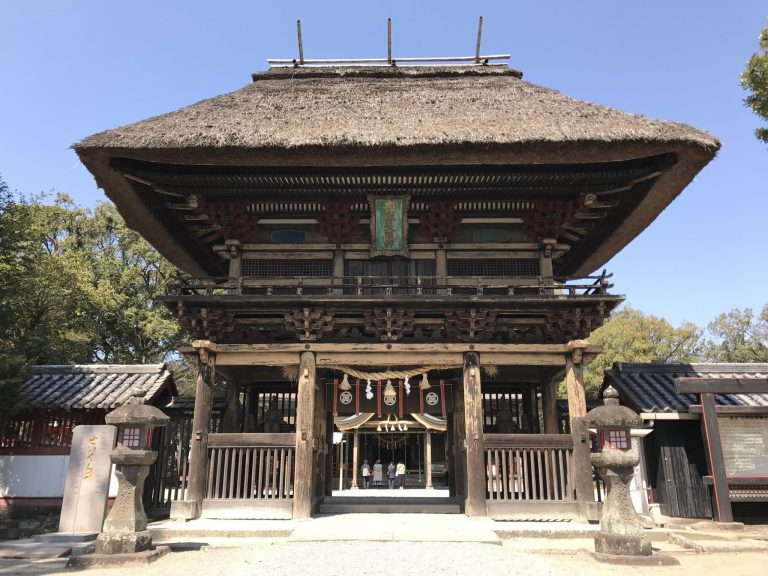
Shibi Shrine occupies the foothills of Shibisan, while traditions associated with the site extend upward toward a summit sanctuary. The physical and religious landscape is therefore understood through the relationship between the present foothill shrine, the spring beneath its worship hall, the summit area, and the former temple at the mountain’s base.
Foothill sanctuary
Worship hall and sacred spring
The worship hall stands above a spring that rises beneath the building. Known as the “God’s Bath,” the spring is identified with the source of Shibi Hot Spring. Its position directly below the hall gives the water a central place in the shrine’s sacred setting.
Shibisan Kedoin Jinko-ji
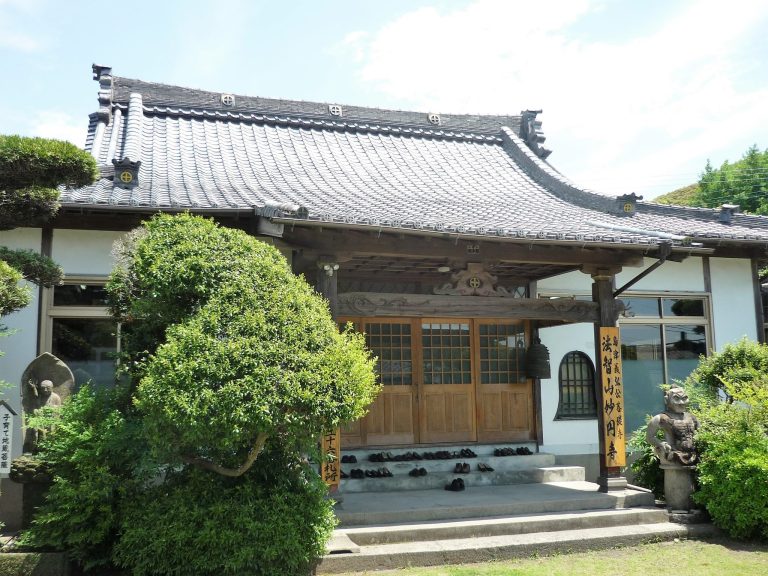
Shibisan Kedoin Jinko-ji was established at the foot of the mountain as the temple associated with the shrine. In the medieval period, its monastic lodging accommodated attendant monks connected with the sanctuary. The temple formed part of the religious complex that supported worship and mountain ascetic practice at Shibisan.
Summit traditions and sacred objects
Upper Palace Gongen
A small sanctuary called Upper Palace Gongen was traditionally located near the summit of Shibisan. The foundation account identifies the earlier summit sanctuary with the three deities of Kumano Gongen, while the foothill foundation was known as Shibisan Sansho Gongen. A present Upper Palace Shrine also stands near the summit, but its physical and historical continuity with the former sanctuary remains uncertain.
Sacred mirrors and enshrined deities
Three large mirrors serve as the shrine’s sacred objects. Tradition attributes their offering to Minamoto no Sanetomo, the third shogun of the Kamakura shogunate, which ruled much of Japan in the early thirteenth century. The principal enshrined deities are Ninigi no Mikoto, Hikohohodemi no Mikoto, and Ugayafukiaezu no Mikoto. An alternative tradition identifies the former deities with Izanami, Kotosakao, and Hayatamao, the three figures associated with Kumano Gongen.