Myōen-ji Temple: A Soto Zen Temple in Hioki, Japan


Site at a Glance
- Rating
- 3.9
- Popularity
- Very Low
- Country
- Japan
- Primary era
- Medieval
- External website
- Open
- Eras represented
- Medieval, Modern
- Civilizations
- Ashikaga shogunate, Japanese, Shimazu
- Site type
- Religious
- Remains
- Monastery
On this page12 sections
History
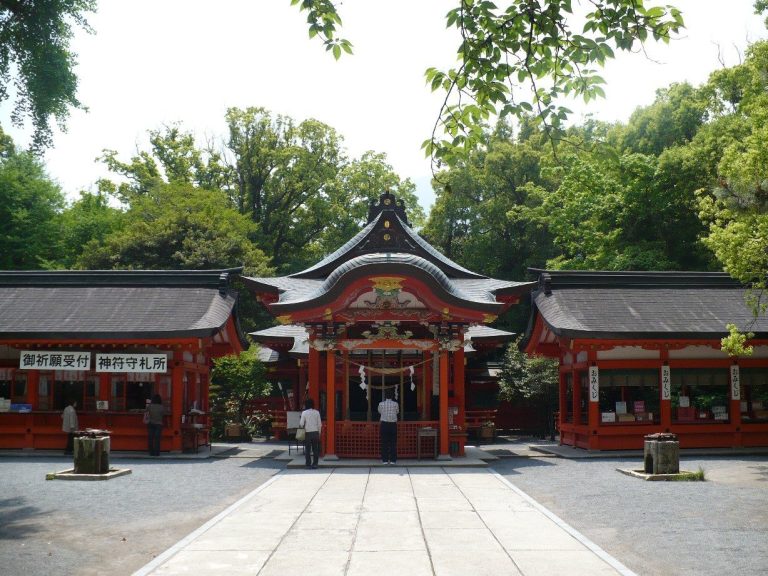
Myōen-ji Temple is a Soto Zen Buddhist temple in Hioki, Japan, traditionally founded in 1390 during the Muromachi period. Soto is one of the major schools of Zen Buddhism. The temple was established to provide memorial rites for a daughter of Ōuchi Yoshihiro, the leading military governor of Chōshū, and later became closely associated with the Shimazu family, the historical ruling house of Satsuma in southern Kyushu.
Foundation and early restoration
One tradition attributes the foundation to the eleventh son of Ijūin Tadakuni. Another holds that Shimazu Motohisa invited the founding monk to the area in 1387 or 1390 and established Myōen-ji northeast of Ijūin Castle. The monk later founded Fukushō-ji in 1394 at Motohisa’s command. Myōen-ji was regarded as Fukushō-ji’s senior sibling temple, while its founder had previously studied and trained at Kōsai-ji under his elder brother, who became that temple’s founder.
By 1470, Myōen-ji was close to abandonment. The sixth abbot of Fukushō-ji restored the institution by transferring essential equipment, reinstalling Buddhist images, redecorating its Buddhist halls, and reviving its religious life. He is remembered as the temple’s restorer.
The Shimazu mortuary temple
The successive heads of the Shimazu family revered Myōen-ji, and Shimazu Yoshihiro, a Satsuma warlord, showed particular devotion to it. He designated the temple as his bodhi temple, an institution responsible for memorial rites and the preservation of a deceased person’s religious memory. During his lifetime, he invited the Kyoto sculptor Kōgen to carve a wooden image of him. He instructed the monks to perform memorial rites before the image as though he were still alive and endowed the temple with 500 koku, a historical measure of rice and land revenue.
Myōen-ji consequently became the mortuary temple of Yoshihiro and his wife and one of the leading Zen temples in the Satsuma domain. The institution named in the pilgrimage known as Myōen-ji-mairi was originally this temple. Yoshihiro’s wooden image was also treated with exceptional formality. A diary covering New Year’s Day to September 23, 1867, records authorized samurai from Ijūin District offering New Year’s greetings before the image through the same formal procedure used by warriors in the domain capital when greeting the lord of Kagoshima Castle. A record compiled in 1843 places the temple’s estate at 375 koku.
Fires, destruction, and revival
Myōen-ji suffered fires in January 1625 and on June 14, 1750. The temple burned completely in 1835. Yoshihiro’s wooden image was then moved temporarily to the temple serving as his mother’s bodhi temple. After Myōen-ji was rebuilt, the image returned in a procession modeled on a smaller daimyo procession, a formal procession for a major feudal lord accompanied by retainers.
In 1869, Myōen-ji was destroyed during haibutsu kishaku, the nineteenth-century anti-Buddhist movement associated with the government-backed separation of Buddhism and Shinto. Its abbot escaped with Yoshihiro’s mortuary tablet and other treasures. Local supporters rebuilt the temple in 1880 near its former grounds, although treasures that had passed into the ownership of Tokushige Shrine were not returned.
Myōen-ji was one of the few temples closely connected with the Shimazu family to be successfully revived after the anti-Buddhist movement. Its post-revival grounds covered about 600 tsubo, a traditional Japanese unit of area, making the restored precinct relatively compact. Fukushō-ji, Nisshin-ji, and Ichijō-in remained unreconstructed or were revived only at other locations.
Commemoration and continuing religious life
In 1936, Shimazu Tadashige, the thirtieth head of the Shimazu family and a duke, donated a stone monument commemorating the founding monk. Army General Machida Tsuneo wrote its inscription. The temple continues the religious identity associated with the site through its annual Setsubun festival, described as attracting one of the largest numbers of worshippers in Kagoshima Prefecture.
Its sixty-first abbot, Ito Kenichi, maintained exchanges with Zen temples in Korea and attended a memorial service for deceased Korean forced laborers at Tōkoku-ji in October 2010. Myōen-ji also established and manages the Taniyama Great Kannon facility in Kagoshima. The image was produced in Taiwan and transported by ship. The Kannon statue, representing the Buddhist bodhisattva associated with compassion, was erected in the early 1990s, and surrounding buildings were developed later.
Remains
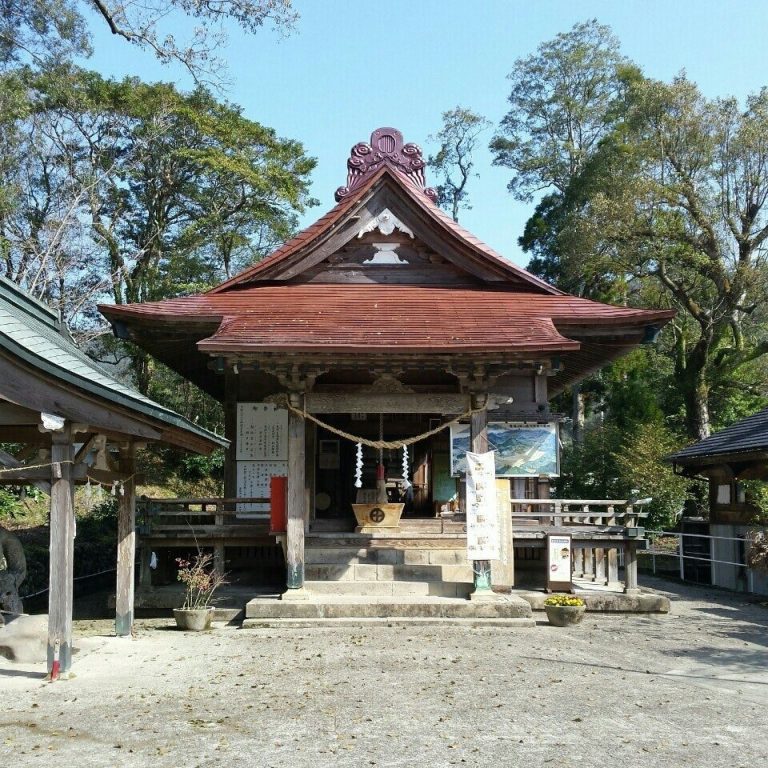
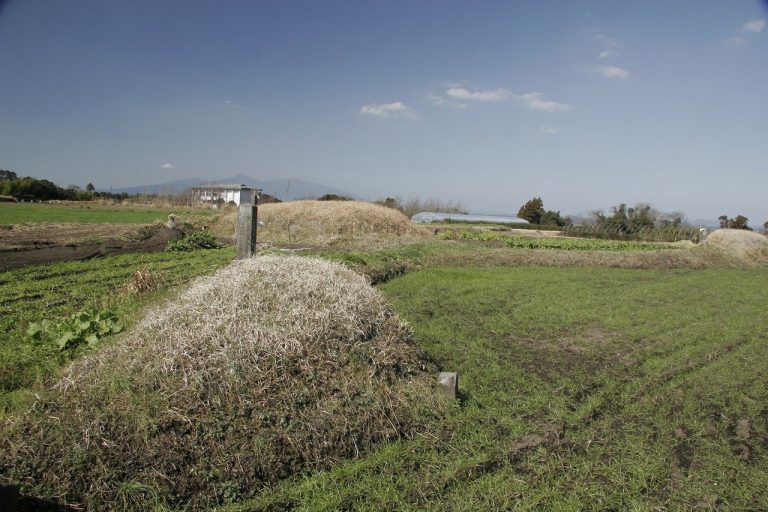
The present Myōen-ji occupies a reduced precinct of approximately 600 tsubo near the former temple grounds. Historical descriptions and illustrations show a guardian shrine within the temple precinct. The grounds also contain the burial place of Shimazu Yoshihiro and his wife, connecting the rebuilt institution with its former role as the family’s mortuary temple.
Temple memorial features
Yoshihiro’s wooden image
The wooden memorial image of Yoshihiro was carved by the Kyoto sculptor Kōgen. It was kept at Myōen-ji until the complete destruction of the temple by fire in 1835, when it was transferred to the temple that served as Yoshihiro’s mother’s bodhi temple. It later returned to the rebuilt Myōen-ji in a procession modeled on a smaller daimyo procession. The image was subsequently enshrined at Tokushige Shrine.
Founding monk monument
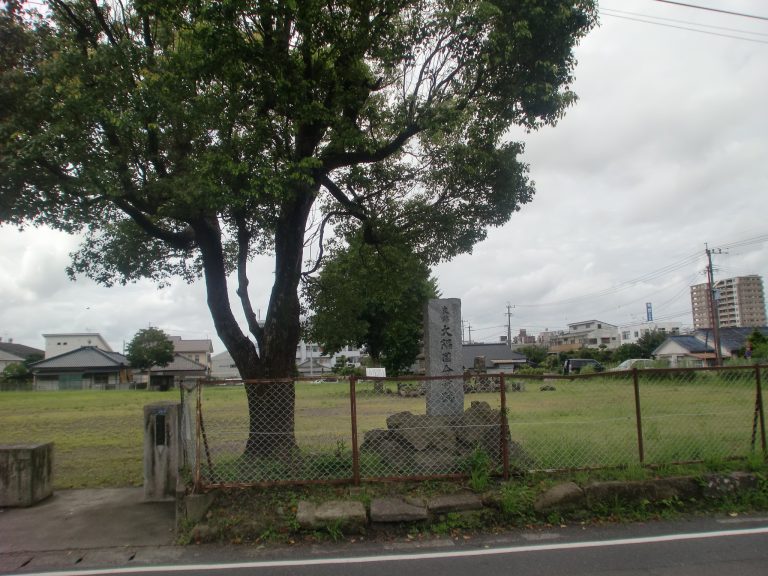
A stone monument commemorating the founding monk stands within the grounds. Shimazu Tadashige donated it in 1936, and its inscription was written by Army General Machida Tsuneo.
Taniyama Great Kannon facility
Great Kannon and ossuary
The Taniyama Great Kannon is a gold-colored statue measuring 33 meters. Beneath its pedestal is an ossuary building, a structure for housing cremated remains. Eight white Buddhist statues stand on the front of the building. Graves distributed by Myōen-ji and numerous Jizō statues line its right side. Jizō is a Buddhist protector especially associated with travelers, children, and the dead.
Prayer building and site interpretation
A prayer building with an offertory box stands beside the ossuary. The entrance area provides information about the ossuary and a nearby historic site containing rock-carved Buddhist images. The facility was formerly labeled a Myōen-ji branch office. Its entrance sign now identifies it as the Seisen-ji Kannon Hall, while the office and ossuary building are labeled the Seisen-ji office and Seisen-ji Great Kannon Hall. These names refer to Seisen-ji, which was believed to be defunct.