Viehofen Castle: A Medieval Castle in St. Pölten, Austria
Site at a Glance
- Rating
- 4.5
- Popularity
- Medium
- Country
- Austria
- Primary era
- Medieval
- Eras represented
- Medieval
- Civilizations
- Duchy of Austria, Holy Roman Empire
- Site type
- Domestic
- Remains
- Castle
On this page5 sections
History
Medieval castle and lordship
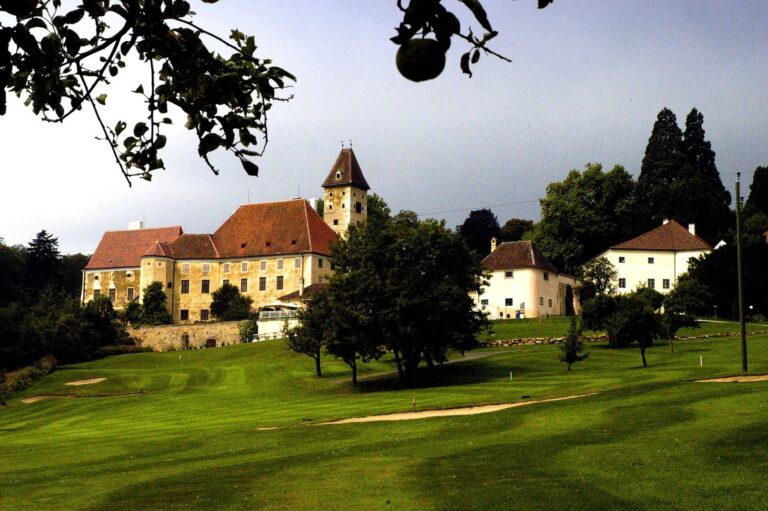
Viehofen Castle is a historic castle in the Viehofen district of St. Pölten, Austria. Göttweig Abbey, a Benedictine monastery in Lower Austria, first mentions it in 1130, although it is considered older. In 1179, Pope Alexander III confirmed the ownership rights of the Diocese of Passau, a church district governed by a bishop. A document from 1248 placed both the castle and its chapel under the Monastery of St. Pölten.
The Viehofner family, part of the medieval service nobility, is associated with the castle in the 12th and 13th centuries. In the early 14th century, Reinprecht von Wallsee held the lordship, a landed domain, as a fief. The Wallsee family retained it until the end of the 15th century.
Early modern owners
After a series of short-term owners, the lordship passed to Bernhard von Kirchberg in 1508. The territorial ruler who gave him the castle had acquired it from the bishops of Passau in 1491. The Kirchberg family held the property until about 1640. It later passed from the lords of Wuschletitsch to the Counts of Herberstein in 1665, then to the Wellenstein family in 1712. The Counts of Kuefstein took possession in 1745 and retained the castle until 2003.
Parish use and twentieth-century decline
Until a church opened in Viehofen in 1898, the castle chapel served as the parish church for the then-independent municipality. The castle remained habitable and furnished until 1945, when Soviet occupation forces used it as a munitions depot. After they left, local people ransacked the complex. It deteriorated over the following decades. In 2003, Josef Figl bought it from a bankruptcy estate and began renovation.
Remains
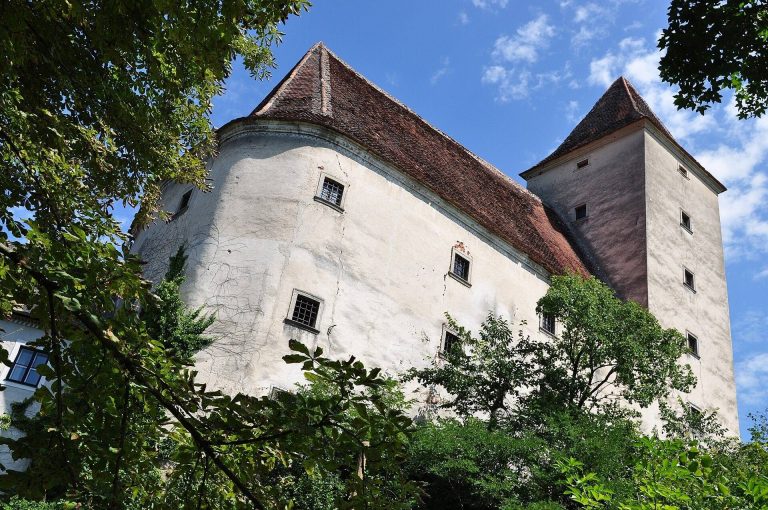
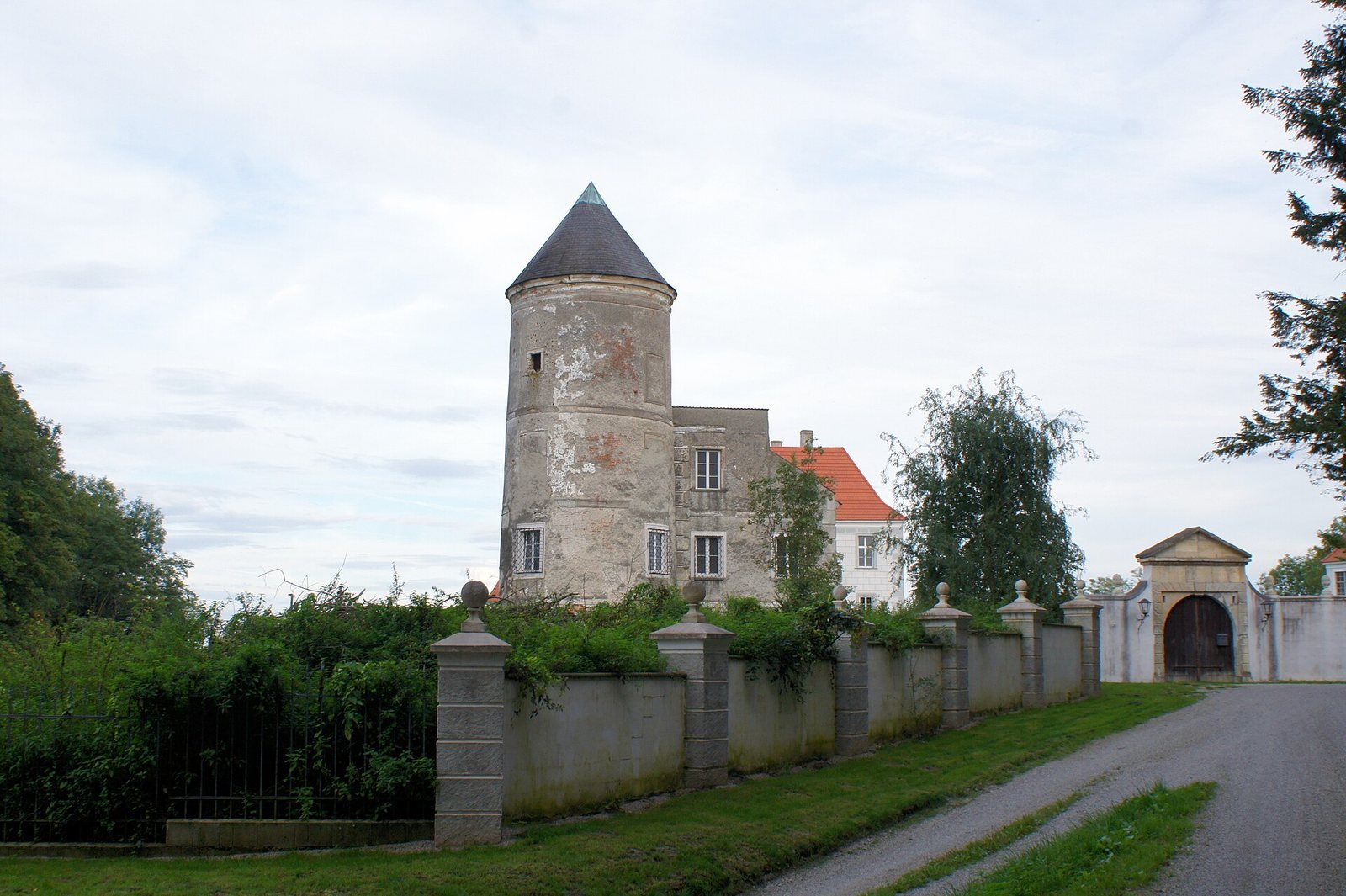
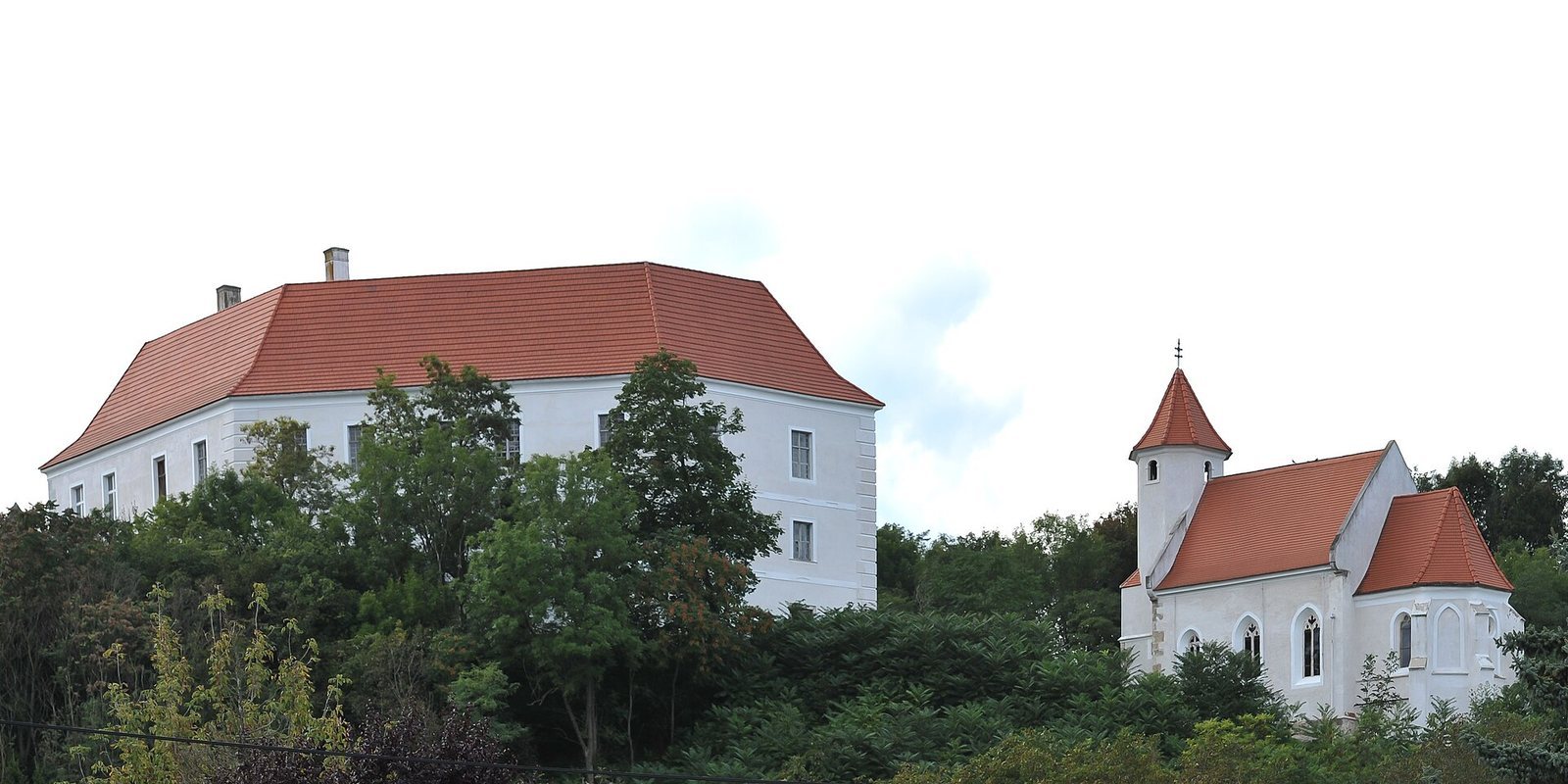
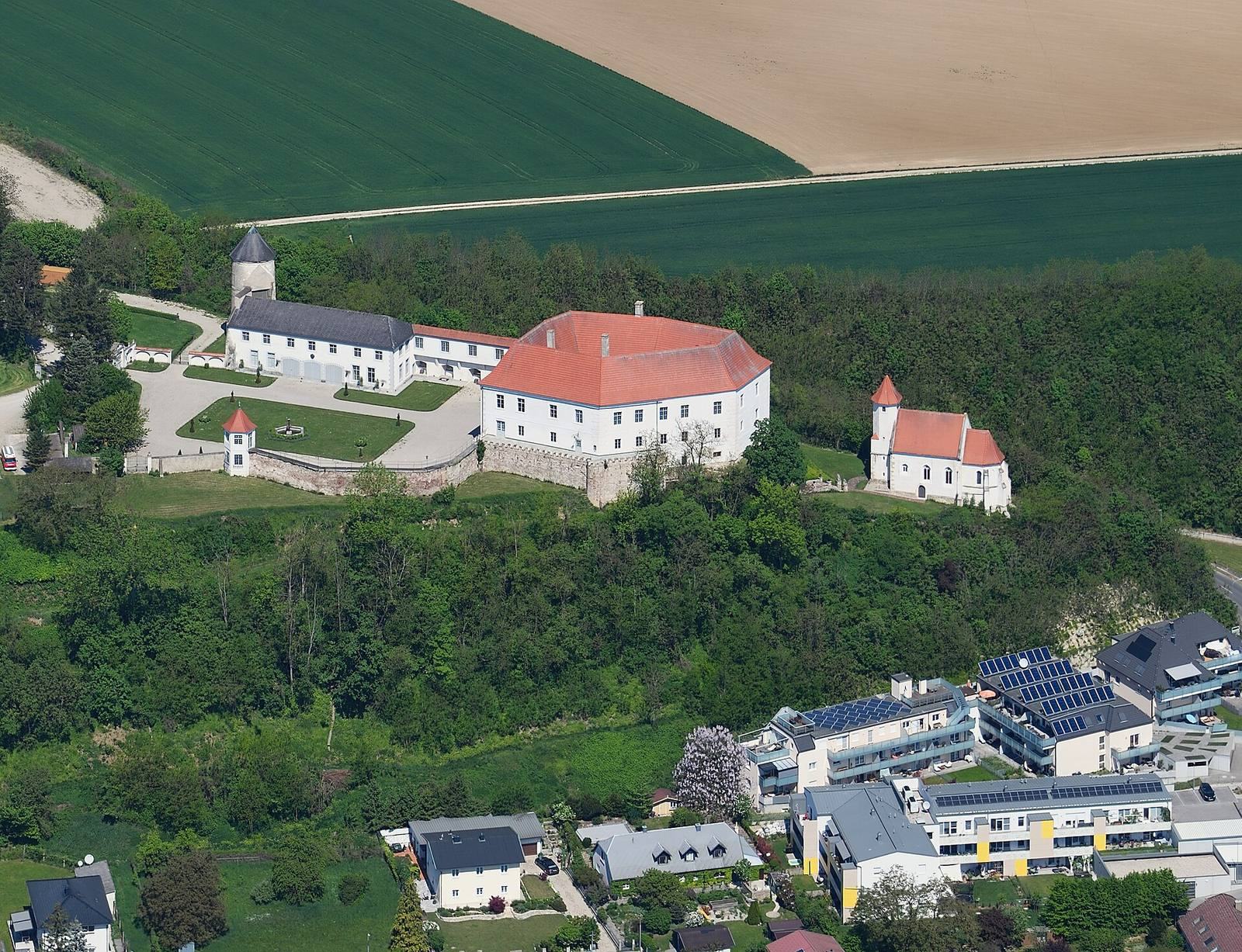
The castle complex stands on a steep escarpment in the Viehofen district and includes a castle chapel. These are the principal architectural elements identified at the site.
Part of the castle was demolished in 1966, and its roof and roof structure later collapsed. Before renovation began, the complex had nearly fallen into ruin.