Neu-Scharnstein Castle: A Renaissance Seat of the Scharnstein Lordship
Site at a Glance
- Popularity
- High
- Country
- Austria
- Primary era
- Early Modern
- Eras represented
- Early Modern
- Civilizations
- Habsburg, Holy Roman Empire
- Site type
- Domestic
- Remains
- Castle
On this page8 sections
History
From estate house to Renaissance castle
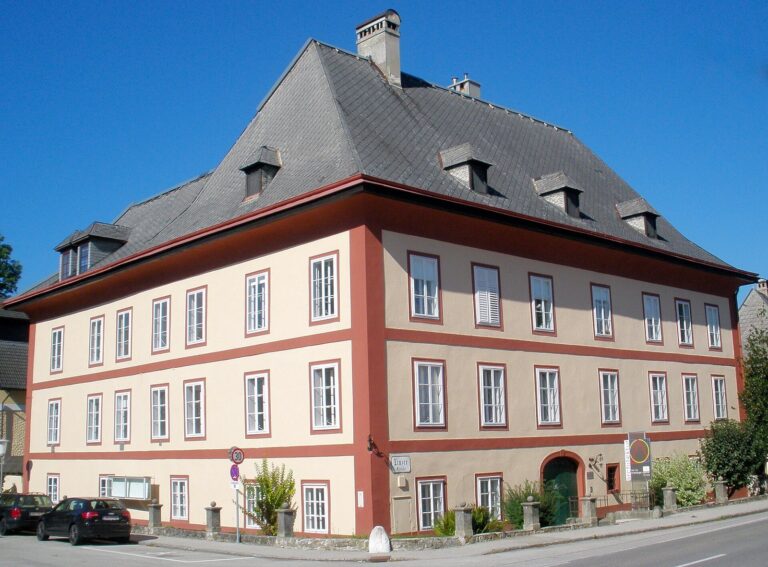
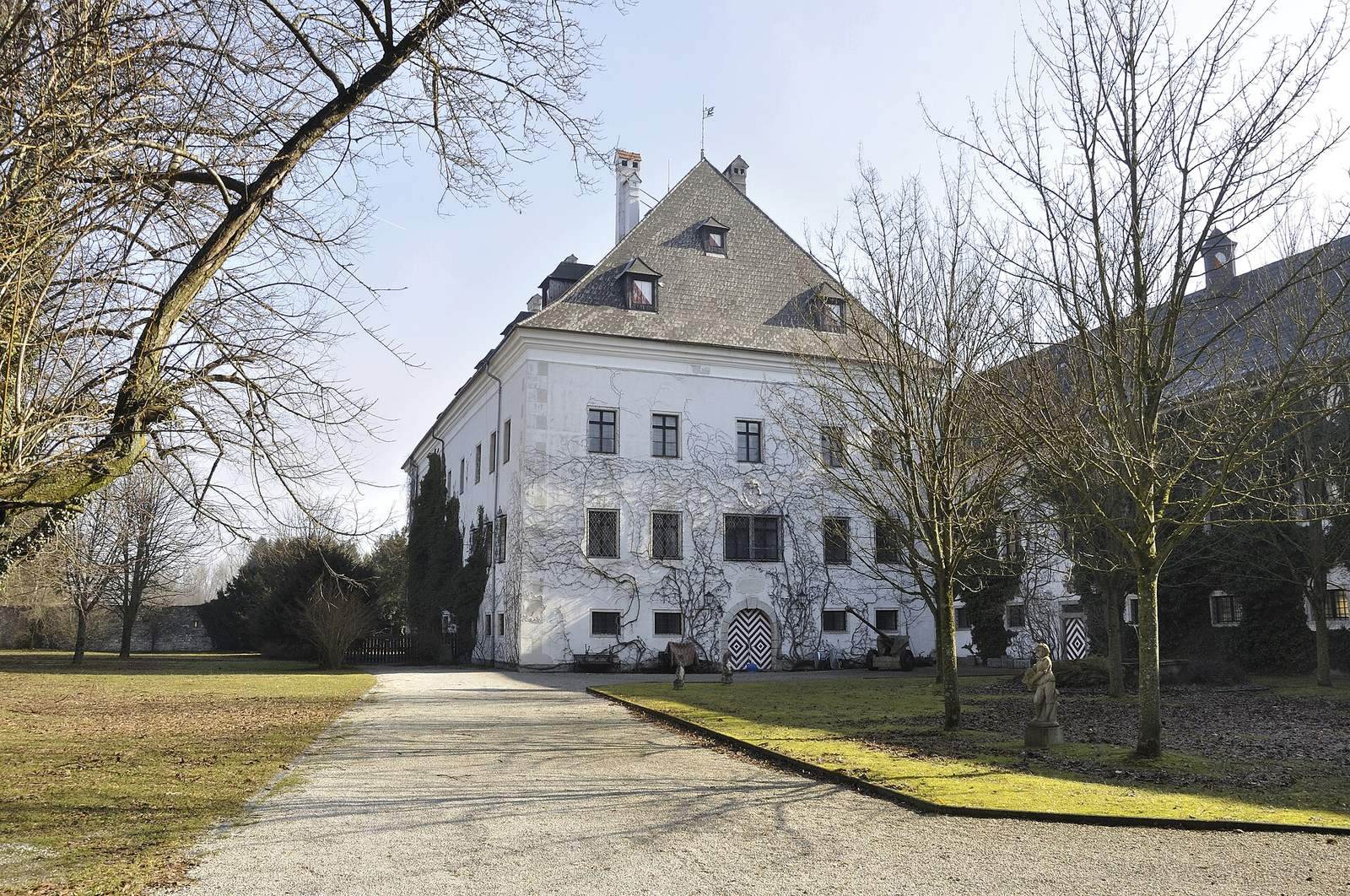
Neu-Scharnstein Castle is a Renaissance castle in Austria, built from the late sixteenth into the early seventeenth century as a seat of the Scharnstein lordship. The Renaissance was a European cultural and artistic movement whose architectural forms spread from the fifteenth century onward.
The site’s earlier residence was an estate administrator’s house, begun in 1538 after a major fire at Scharnstein Castle. Its location and residence were known as Schafferleithen, a name referring to the slope where the lordship’s administrator had his seat. In 1584, Helmhard von Jörger, president of the imperial court chamber, bought the lordship outright rather than as a fief, land held from a superior in return for obligations. The imperial court chamber managed the ruler’s finances. Helmhard then began building a new castle at Schafferleithen.
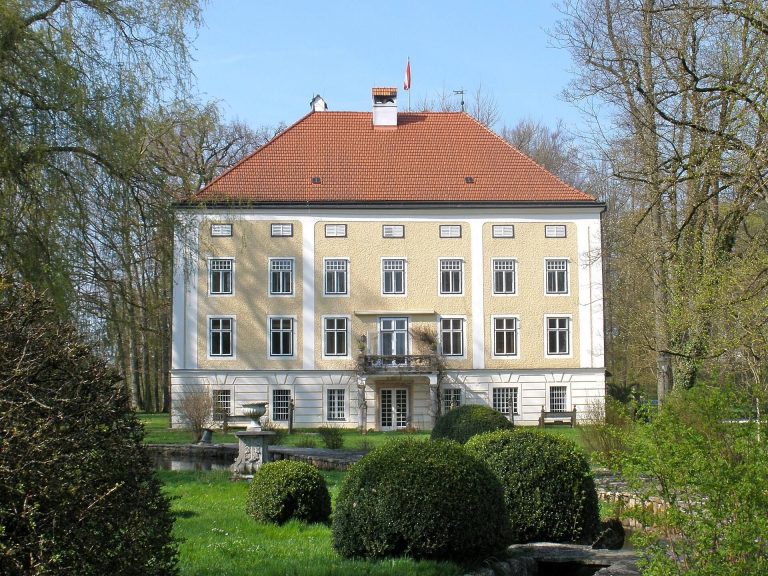
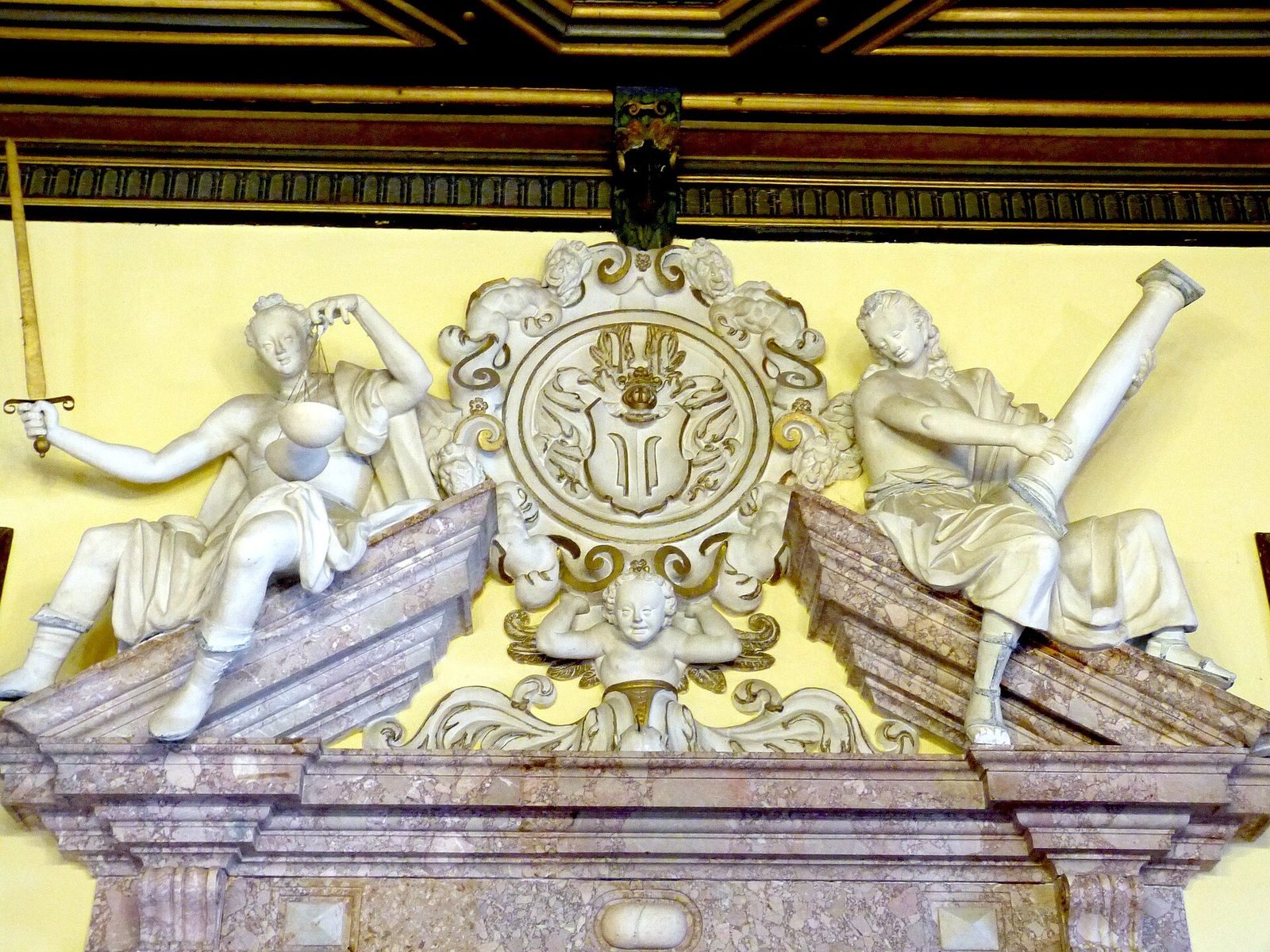
Helmhard’s son Georg Wilhelm completed the richly furnished Renaissance building around 1606. Georg Wilhelm’s wife came from the House of the Counts of Polheim von Parz, a family connection reflected in the castle’s heraldic decoration.
Jörger conflict and abbey ownership
Georg Wilhelm’s heir was his younger brother Karl von Jörger, a Protestant commander of the Marchland troops, regional forces associated with the historic Marchland region of Upper Austria. Karl fought against the imperial army, but was defeated and arrested; he died in prison in Passau. The emperor seized the Scharnstein lordship and sold it in 1625 to Kremsmünster Abbey, a Benedictine monastery in Upper Austria.
Changing uses and restoration
After manorial lordships were abolished in 1848, ending a system in which estate lords exercised authority over land and its dependent population, the castle’s grand rooms were put to new uses as forestry offices and staff housing. The former residence later became a tenement with 30 apartments and more than 70 residents. During the Second World War, it also accommodated many refugee families.
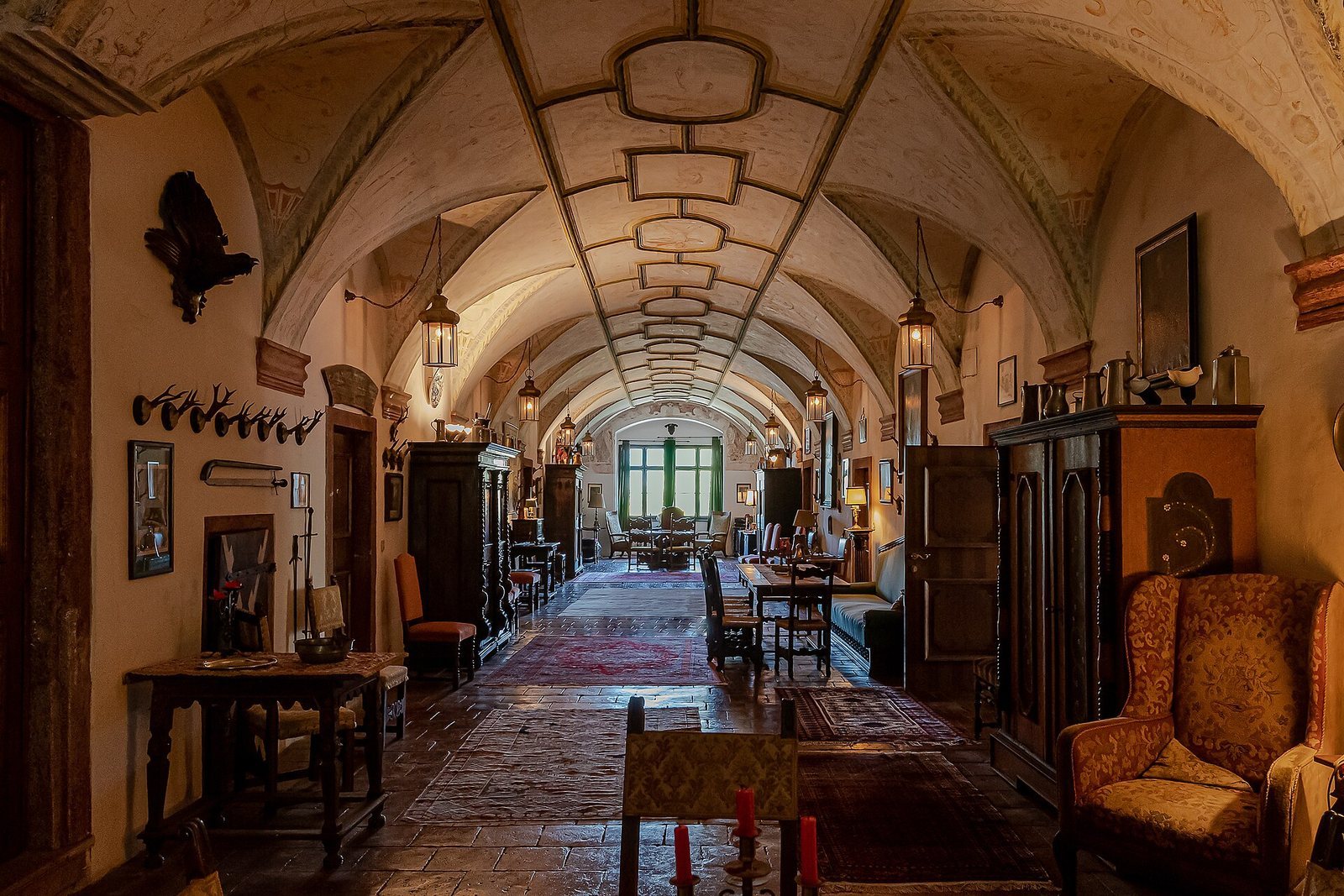
The building deteriorated during the nineteenth and twentieth centuries, particularly through the two world wars. Historian Harald Seyrl bought it from Kremsmünster Abbey in 1967, when it was in poor condition and parts were at risk of collapse. With support from the Federal Monuments Office, Austria’s heritage-protection authority, and the Province of Upper Austria, restoration work was undertaken. After renovation in the 1980s, the castle became a home for museums and cultural activities as well as the Seyrl family residence. A privately run House of Poisons, displaying poisonous plants and a reptile zoo, operated from 2002 until its displays and zoo closed in 2012. The castle’s museum uses include the Austrian Crime Museum with the Austrian Gendarmerie Museum, and the Museum for Austrian Contemporary History.
Remains
Main building and estate setting
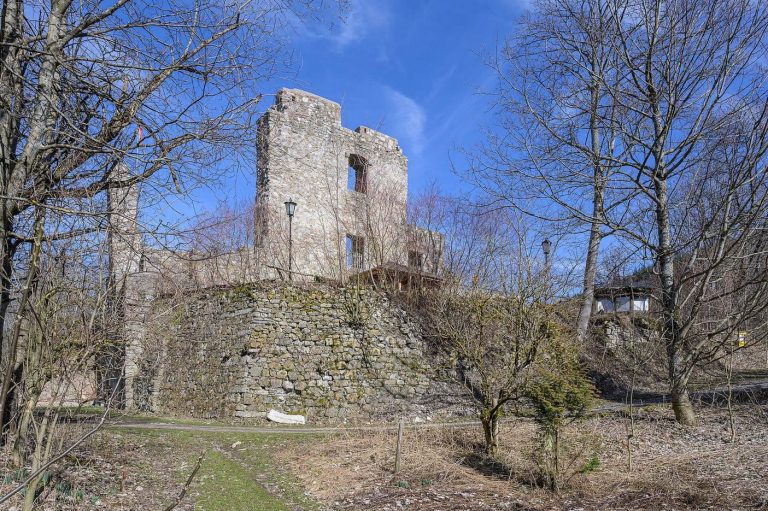
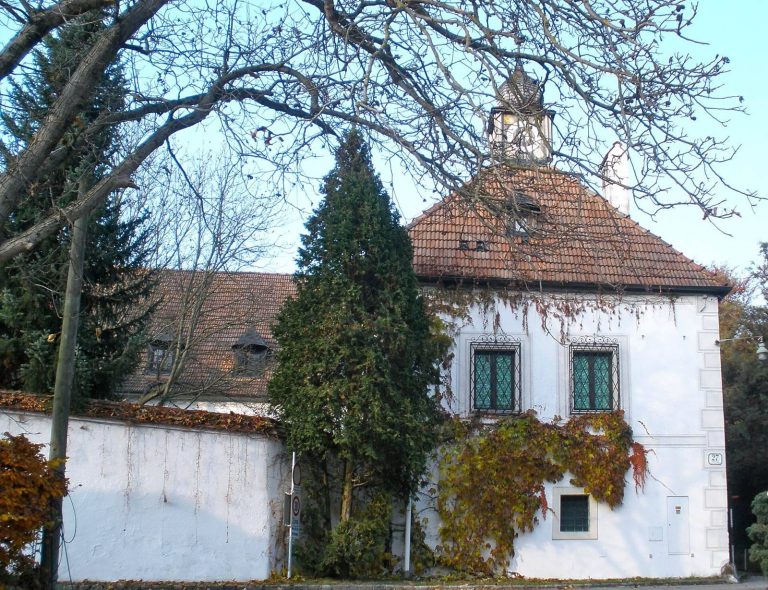
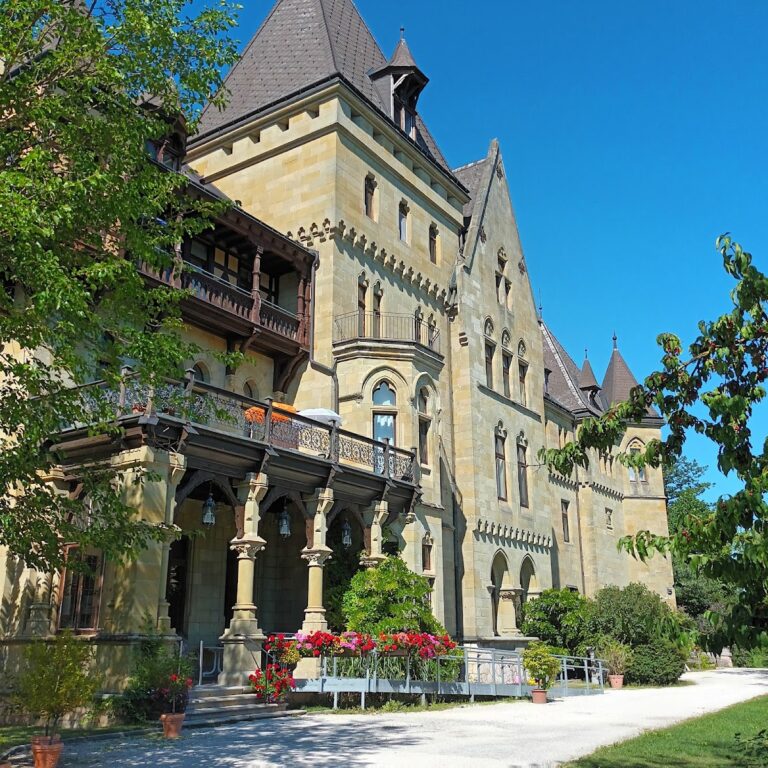
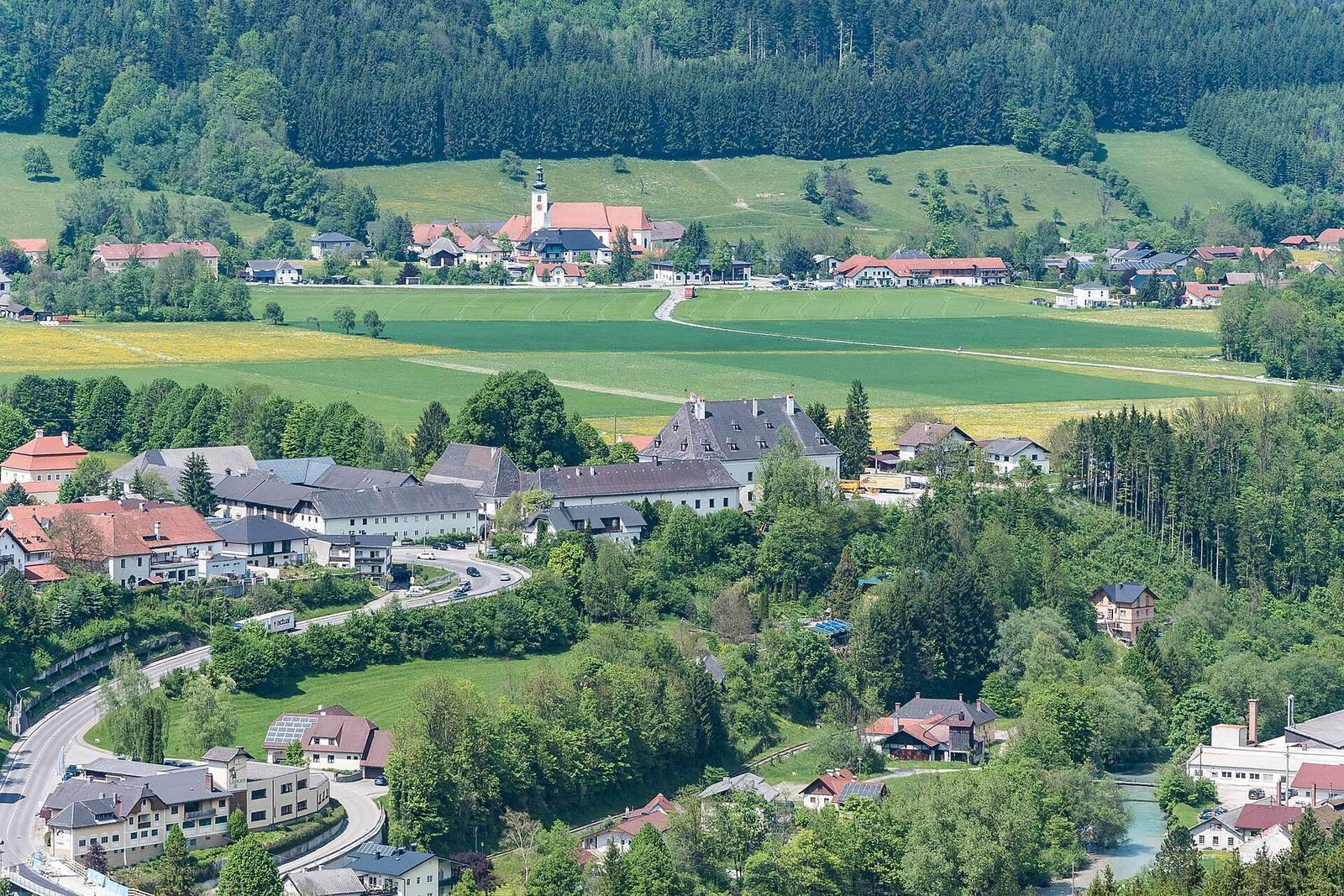
The castle stands on elevated ground above the Alm River’s left bank. Its main building is a richly appointed Renaissance structure. Manor farmsteads, taverns, and a brewery were established alongside the manor house, forming an associated estate complex.
Interiors and chapel
Painted wooden ceilings carried the combined coats of arms of the Jörger and Polheim von Parz families. In 1897, 34 iron window grilles, three painted wooden ceilings, and numerous oil paintings were transferred from the castle to Schloss Ort. The complex also included a chapel, which was divided for residential use in 1903.
Altered and restored rooms
After the war, partition walls were added to rooms that had remained intact, converting them into substandard apartments and damaging the historic interiors. Restoration returned the rooms to their original condition.