Castle Horn: A Town Castle in Austria
Site at a Glance
- Popularity
- Medium
- Country
- Austria
- Primary era
- Medieval
- Eras represented
- Medieval, Early Modern, Modern
- Civilizations
- Austrian Empire, Duchy of Austria, Habsburg, Habsburg Austria, Holy Roman Empire
- Site type
- Military
- Remains
- Castle
On this page11 sections
History
Castle Horn is a town castle in Horn, Austria, established in the twelfth century. Its history is closely tied to the successive families who held it and to its development within the town.
Medieval castle and ownership
The castle remained under the territorial sovereign, the ruler with authority over the territory, until 1210. The noble Maissau family then held it until 1440, when it passed to the Puchheim family.
Expansion and later use
During the Puchheim period, work in 1539 extended the castle eastward beyond its original fortification wall and strengthened its defences. A regional court building was added on the north side at the end of the sixteenth century.
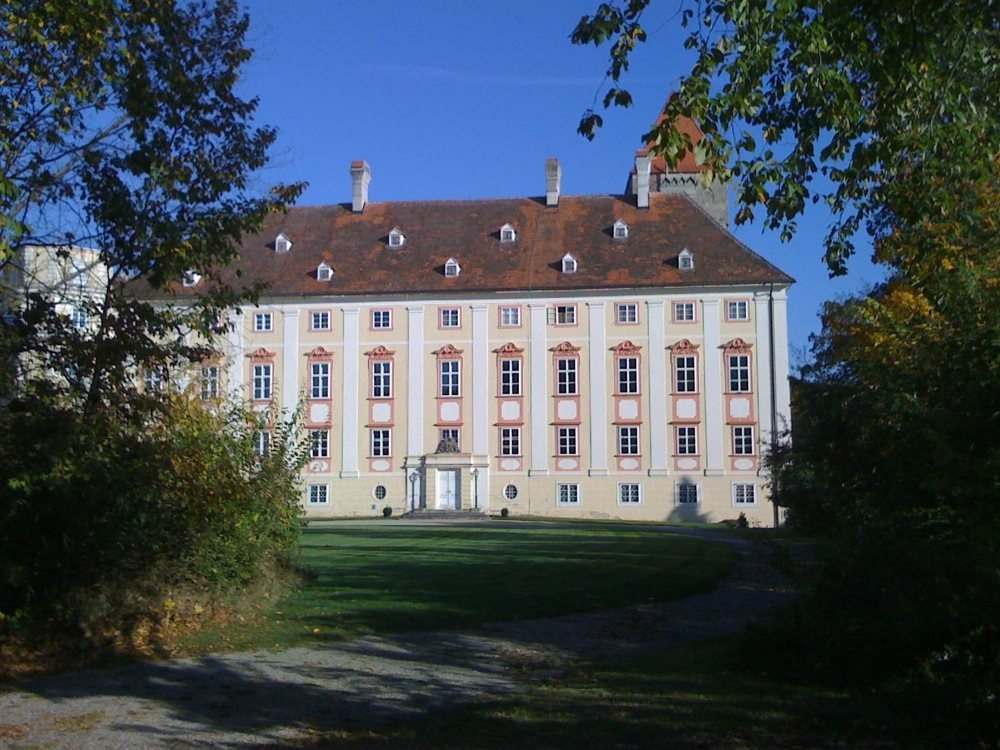
After 1620, the castle was held by the Muschinger and Kurz families. It has belonged to the Hoyos family, in the Hoyos-Sprinzenstein line, since 1676. In the first quarter of the eighteenth century it was remodelled, and further additions followed in the mid-nineteenth century. Part of the castle is now used as an administrative building.
Remains
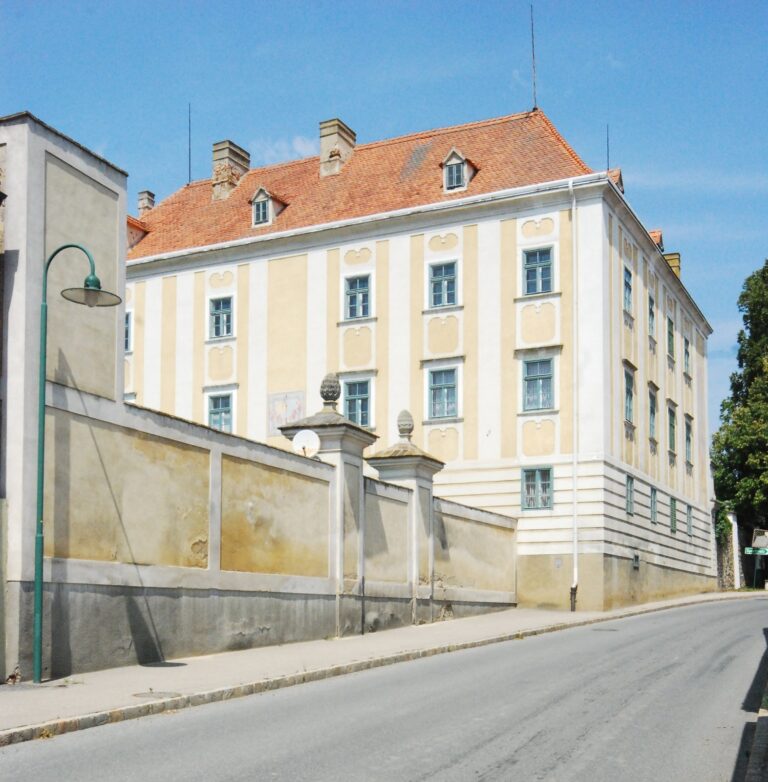
The castle stands at the southeast corner of Horn’s walled town, where the Mödringbach meets the Taffa. Its complex includes south, west, and north wings, with surviving medieval fabric alongside later fortifications and additions to the east and north.
Medieval core and towers
Core wings
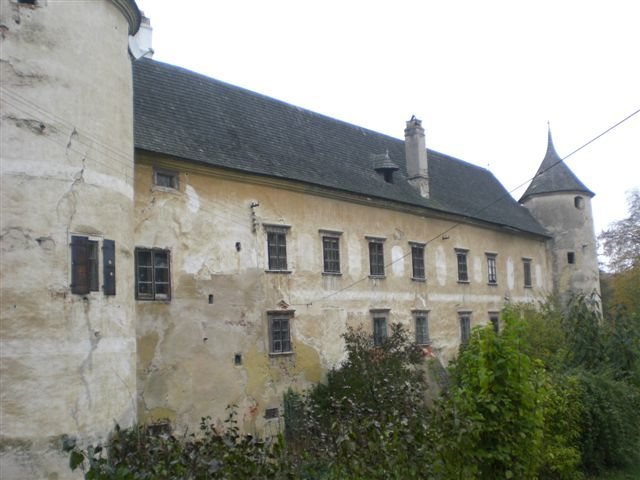
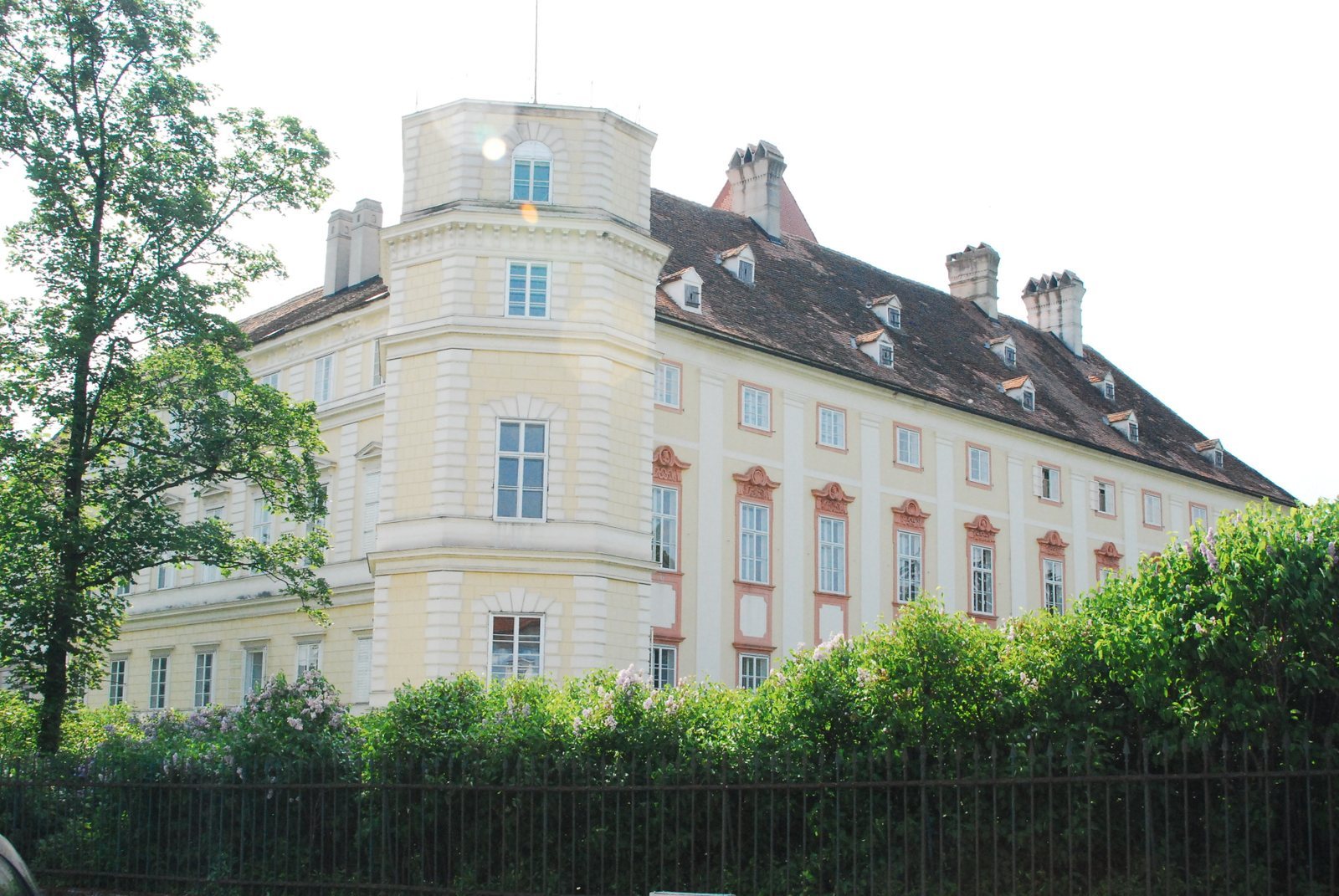
Medieval core buildings survive in the south, west, and north wings. Large portions of the former outer walls are incorporated into the central interiors of the west and north wings. The late-medieval west wing extends northward.
Towers
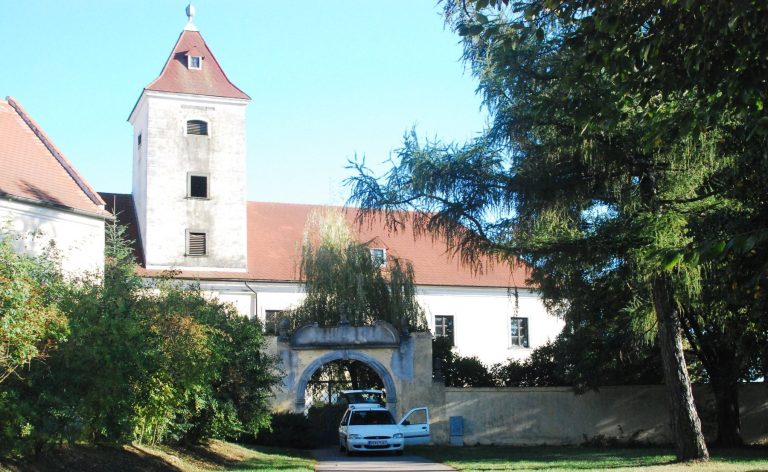
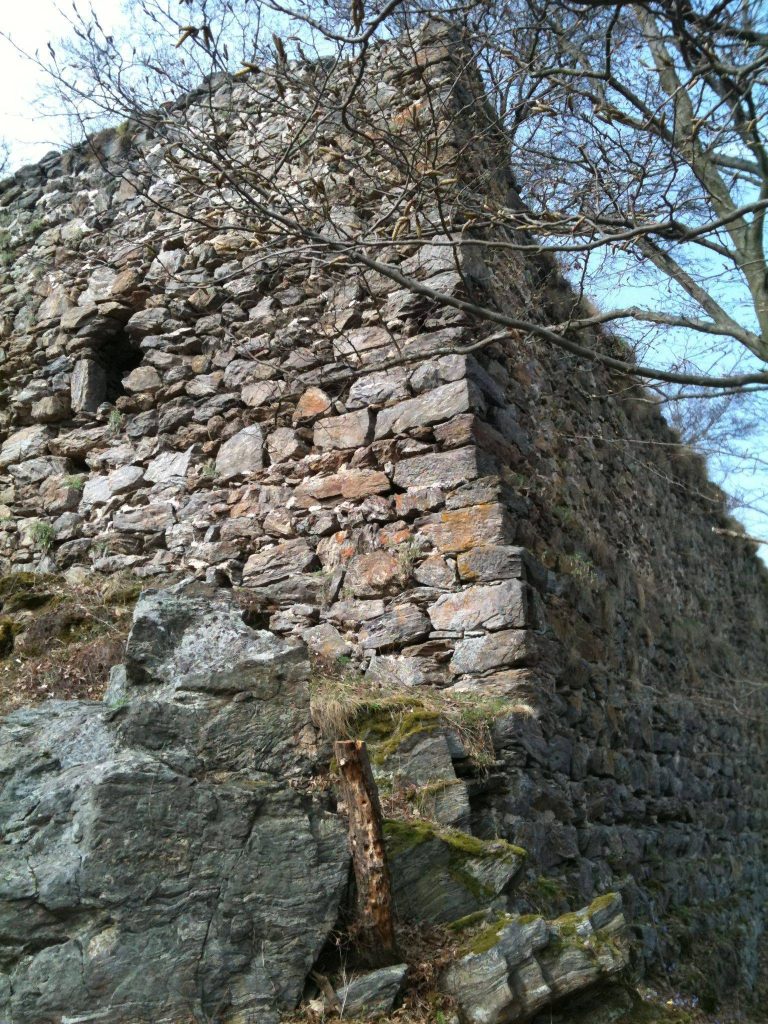
A broad, massive tower from the former castle is incorporated into the later complex at the northeast. At the southeast corner, the tower of the first town fortification is known as the Diebsturm (Thief’s Tower). Both towers date to the twelfth or thirteenth century.
Fortifications and later additions
Eastern fortifications
The eastern expansion crossed the original fortification wall and included casemates, fortified chambers, and stables. The northeastern bastion, a projecting part of a fortification, was reinforced.
Regional court building
The regional court building adjoins the castle on its north side.
Wings and service buildings
The eighteenth-century remodelling formed a three-winged complex and added a storey. The north wing was later extended outward, with a projecting polygonal tower at its northwest corner. Single-storey carriage houses and workshops stand to the east.