Hohenkammer Castle: A Renaissance Manor and Former Moated Castle
Site at a Glance
- Popularity
- Medium
- Country
- Germany
- Primary era
- Early Modern
- Eras represented
- Early Modern
- Civilizations
- Duchy of Bavaria, Electorate of Bavaria, Holy Roman Empire
- Site type
- Domestic
- Remains
- Castle
On this page8 sections
History
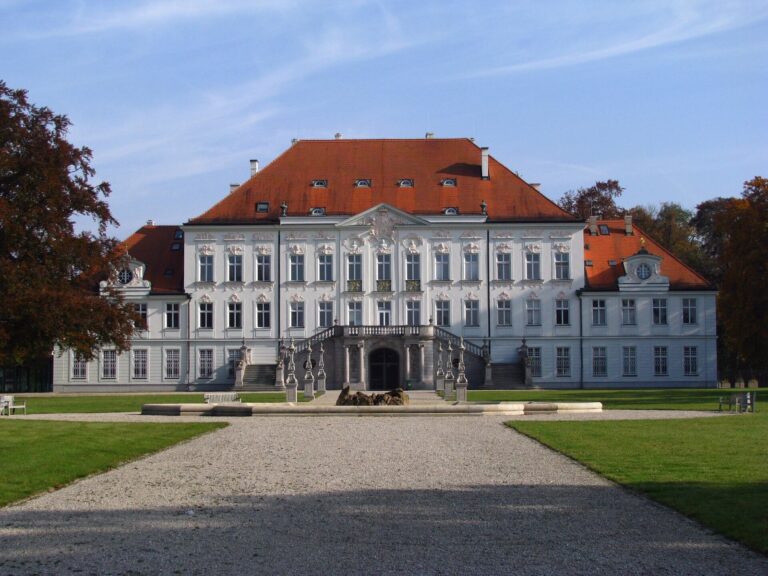
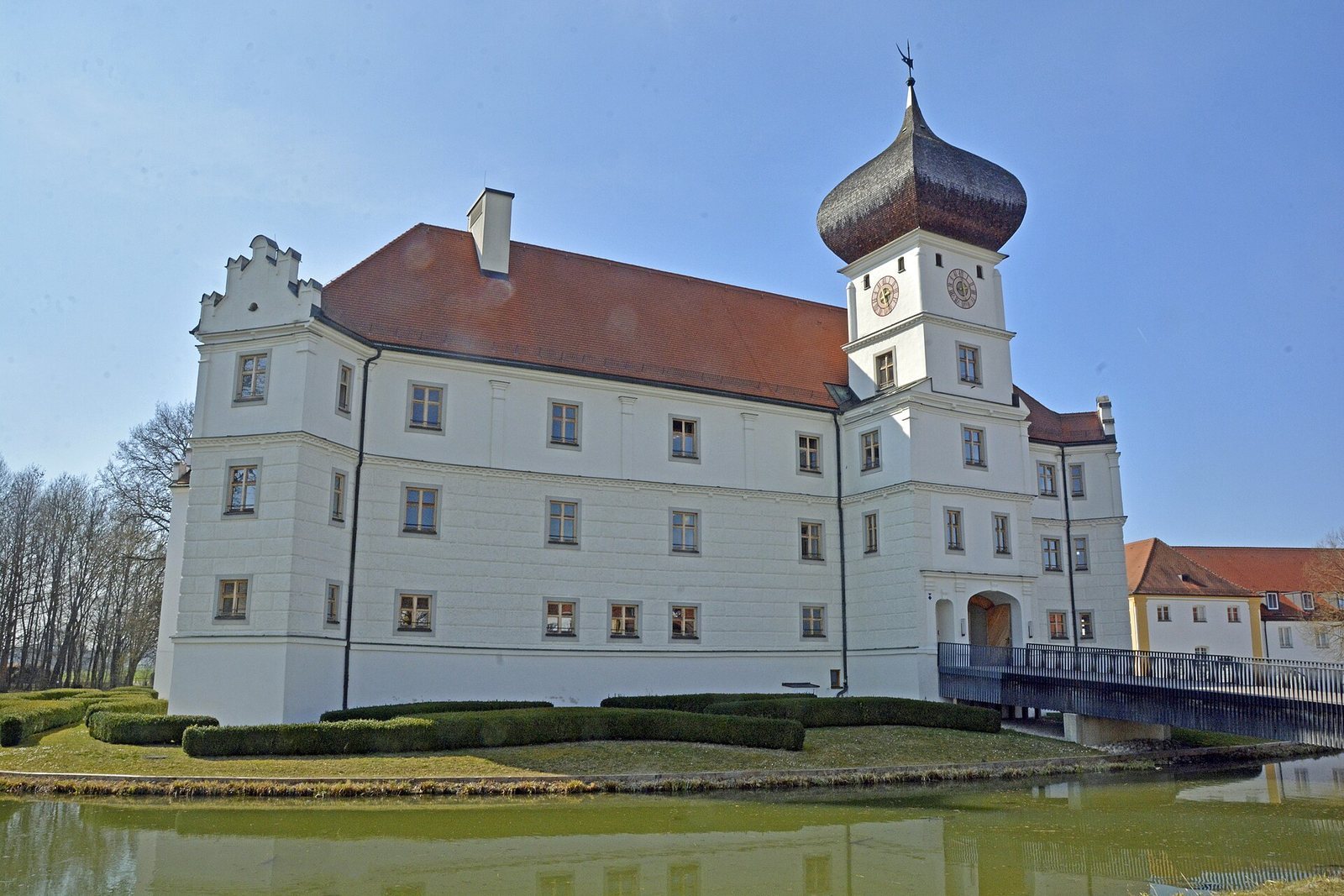
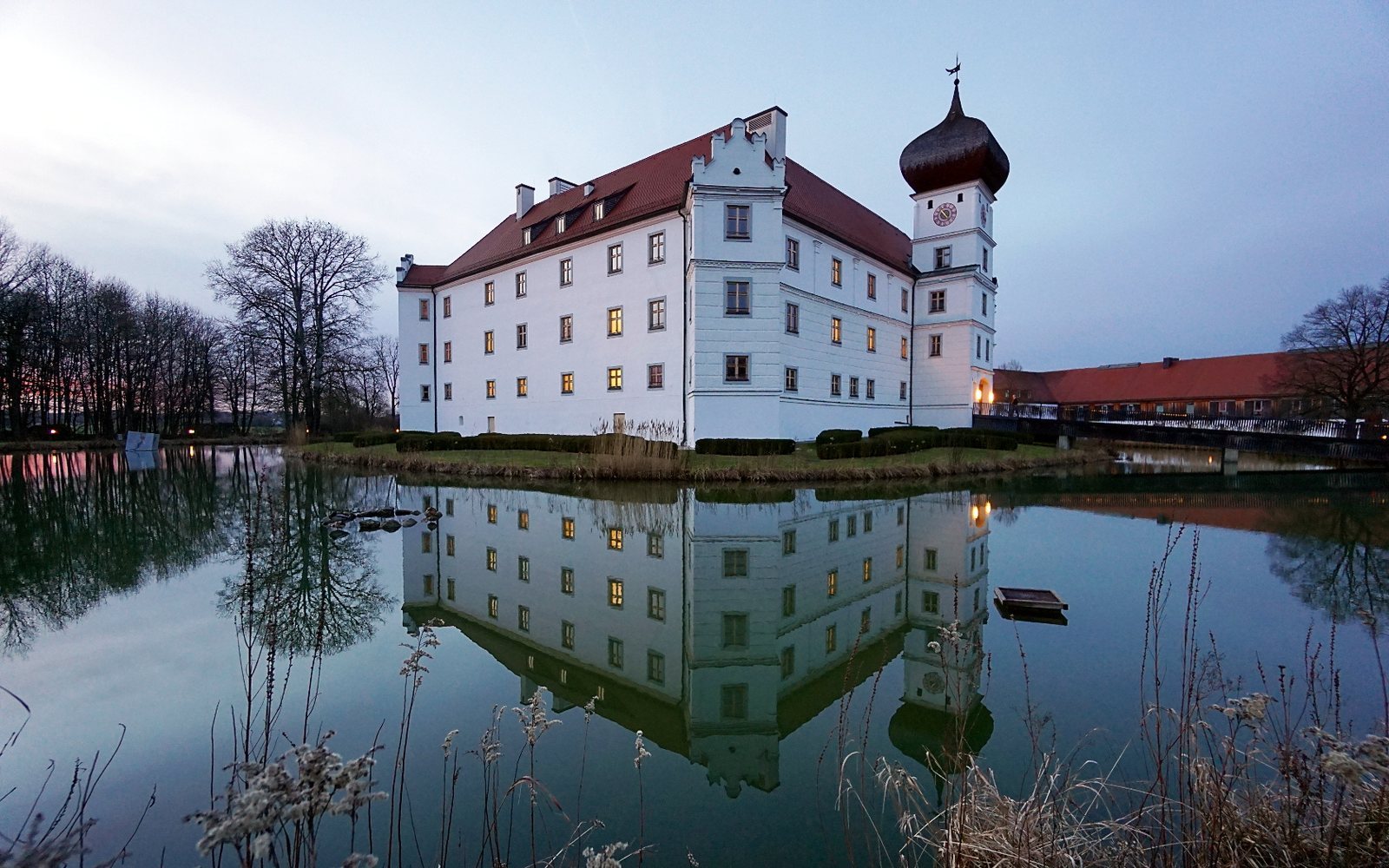
Hohenkammer Castle is a former moated castle in Hohenkammer, Germany, whose present building was erected by the Counts of Haslang in the second half of the sixteenth century in Renaissance style. It served as the seat of the Hofmark of Hohenkammer, a Bavarian manorial jurisdiction centered on an estate where its lord exercised local rights.
The Lords of Camer
The earlier castle belonged to the Lords of Camer, also known as Kammer. They are first mentioned in records in the eleventh century and had settled in Hohenkammer by 1042. The high lords of Camer served the Counts of Scheyern as ministeriales, a medieval class of unfree retainers who worked for rulers as administrators or soldiers.
The Counts of Haslang and rebuilding
The Counts of Haslang held the Hohenkammer Hofmark from 1551 to 1801 and built the castle in the second half of the sixteenth century. A devastating fire in 1648 was followed by its reconstruction in Renaissance style.
Later owners
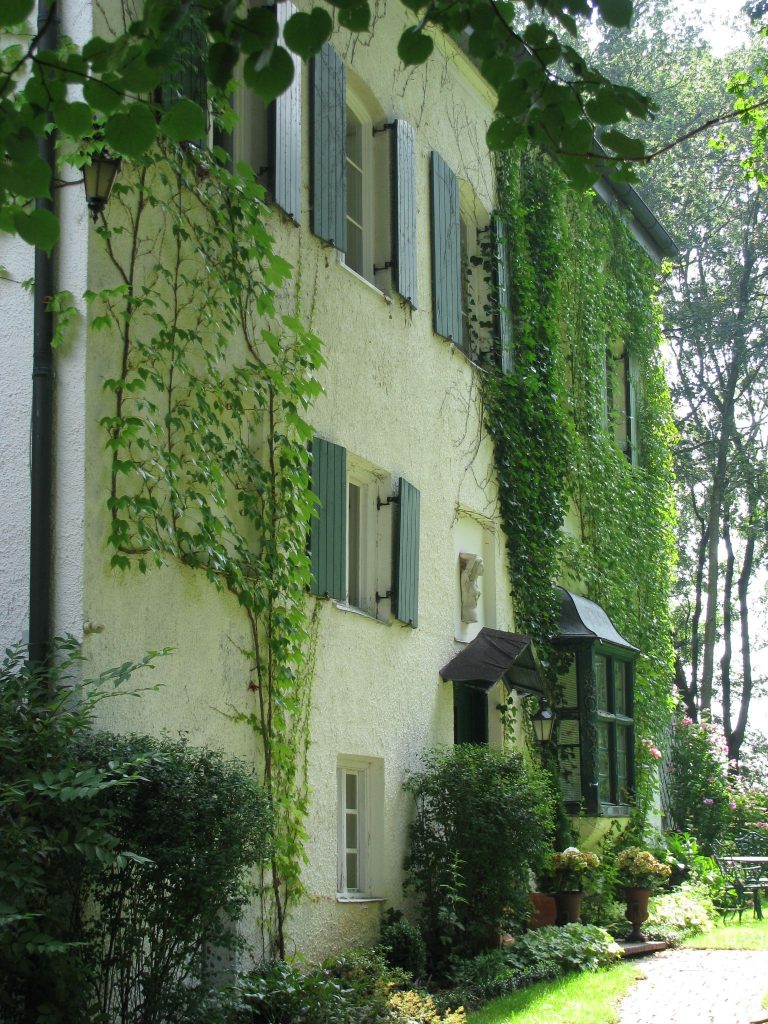
The Counts of Preysing owned the castle from 1804 to 1821. It then passed to publisher Johann Friedrich, Baron von Cotta, and from 1833 belonged to the von Vequel-Westernach family. Mechthilde, Baroness von Vequel-Westernach, moved to a small nearby villa, now known as the Baroness Villa, and sold the castle to a Raiffeisen cooperative in 1917. Raiffeisen cooperatives were part of Germany’s tradition of member-owned organizations, including rural credit institutions.
Cooperative and corporate use
After a succession of uses, the castle became a training centre for the Bavarian Raiffeisen Central Bank in 1970. The bank later became DZ Bank. The castle was partly altered inside and out between 1973 and 1975, then renovated in 2007. Munich Reinsurance Company has owned the castle, the Baroness Villa, and Gut Eichethof since 2003. Schloss Hohenkammer GmbH operates a hotel and conference centre in the castle.
The castle is protected as both an architectural and archaeological monument. The northern estate outbuilding also has protected architectural status, while the castle park is designated an area-wide natural monument.
Remains
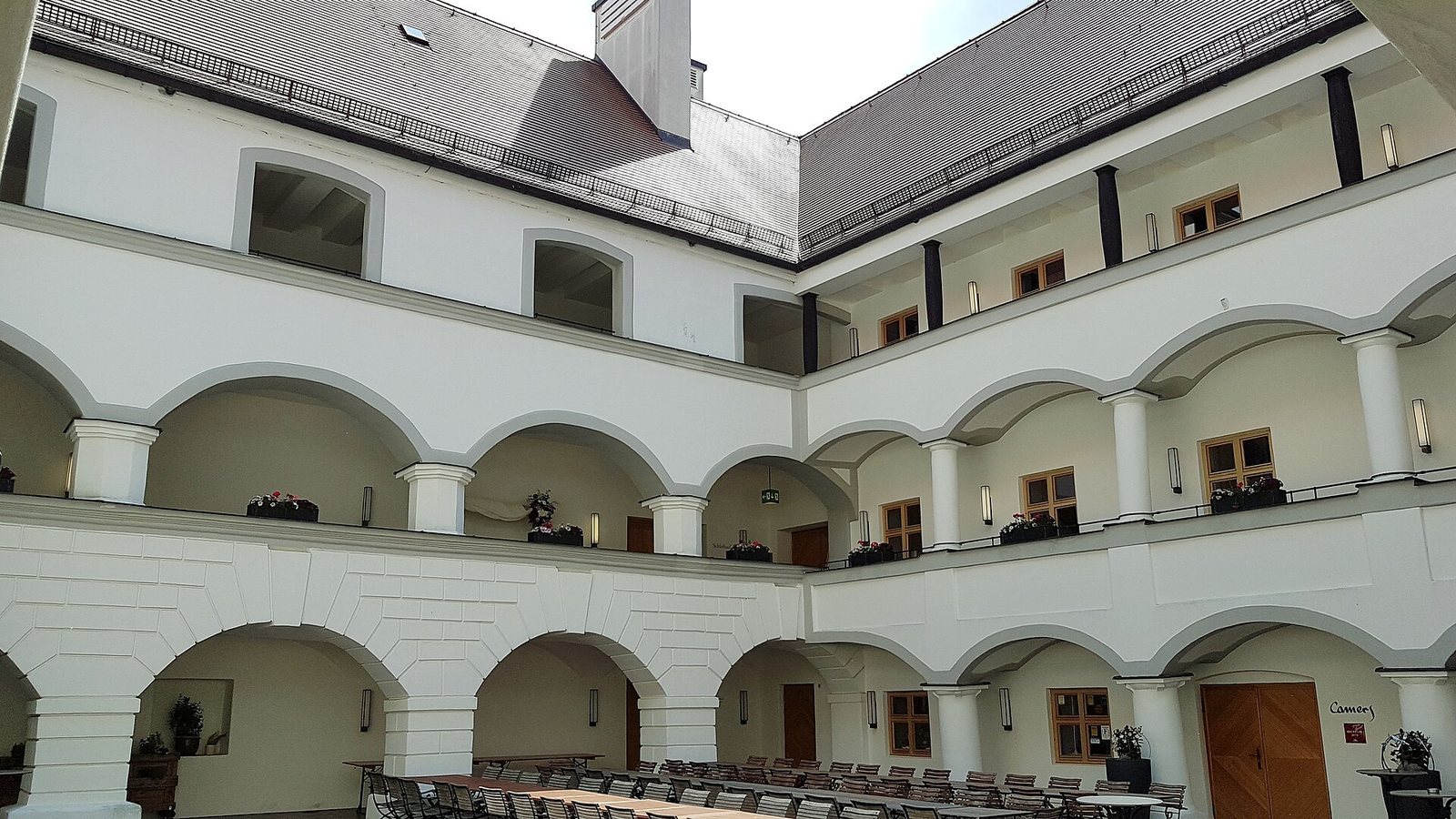
The Renaissance-style castle has four wings arranged around an inner courtyard lined with arcades, rows of arches that form covered walkways. Four projecting corner towers and a square gate tower are also part of the complex. The building was expanded in the late seventeenth century.
Northern estate outbuilding
North of the castle stands a former estate outbuilding arranged in three wings and built in the Baroque style. Its southwestern end block once housed a brewery. The building has a roof sloping on all sides and a ground-floor hall with a vaulted ceiling.
Grounds and earlier remains
The area around the castle and its predecessor buildings contains subsurface medieval and early modern remains, together with traces of an associated farmyard. The park has old trees around a body of water. A small villa near the castle, now known as the Baroness Villa, is also associated with the estate.