Fort VIIA: A Small Artillery Fort in Warsaw
Site at a Glance
- Popularity
- Medium
- Country
- Poland
- Primary era
- Modern
- Eras represented
- Modern
- Civilizations
- Russian
- Site type
- Military
- Remains
- Fort
On this page6 sections
History
Construction and defensive role
Fort VIIA is a small artillery fort in Warsaw, Poland, built in 1891–1892 as one of five additions to the city’s outer defensive ring. The ring had been established roughly a decade earlier, and the letter A marked the fort as a later addition. Its design used newer defensive methods developed in response to high-explosive shells. One of its tasks was to defend the route toward Puławy, now Puławska Street.
Dismantling and wartime use
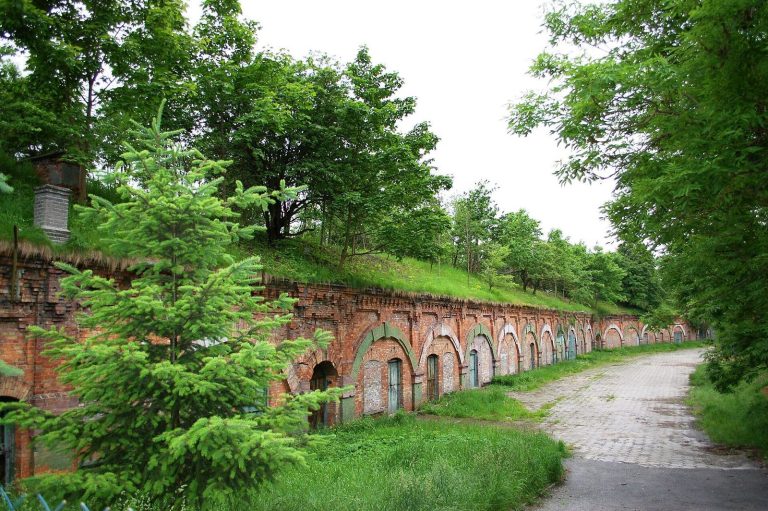
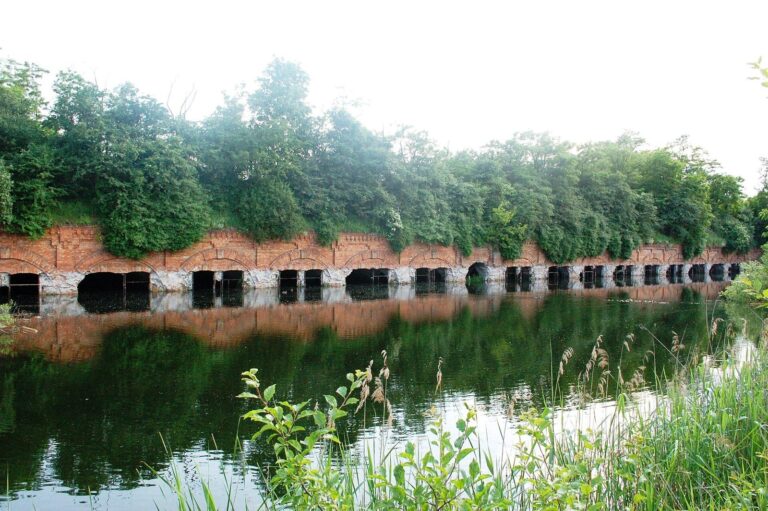
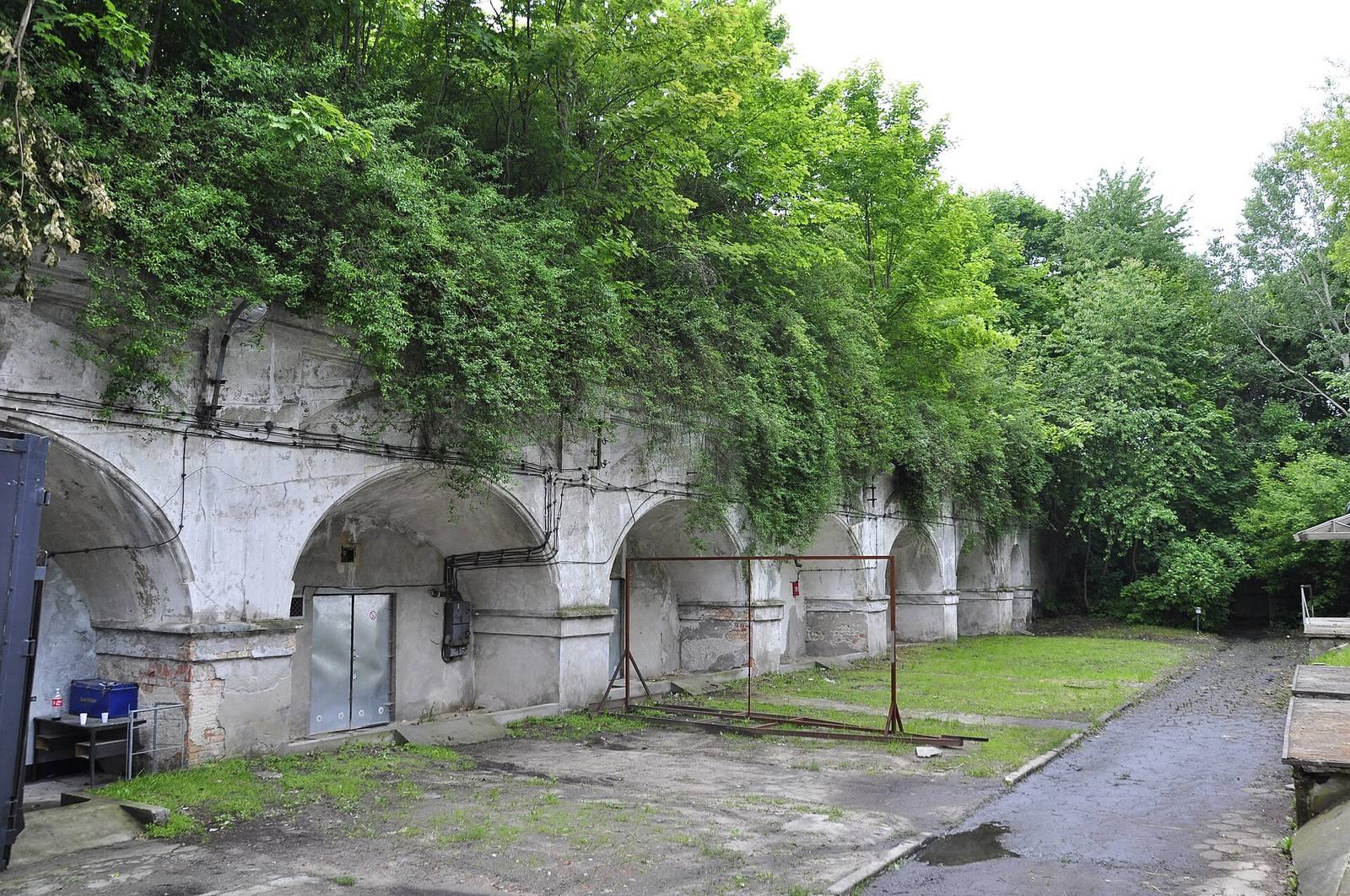
On 31 January 1909, Warsaw authorities decided to dismantle the city’s fortifications. Much of Fort VIIA’s ramparts was removed. Shelters and forward caponiers, covered positions projecting into the ditch to fire along it, were demolished with explosives. Central casemates, protected chambers probably once used to store ammunition, were left intact.
The fort played no part in the fighting of 1939. During the German occupation, German units used its protected interior to store Polish weapons they had requisitioned. In the 1944 Warsaw Uprising, a resistance revolt against German occupation, the fort was reportedly strengthened temporarily, with trenches dug on its ramparts.
Postwar use and protection
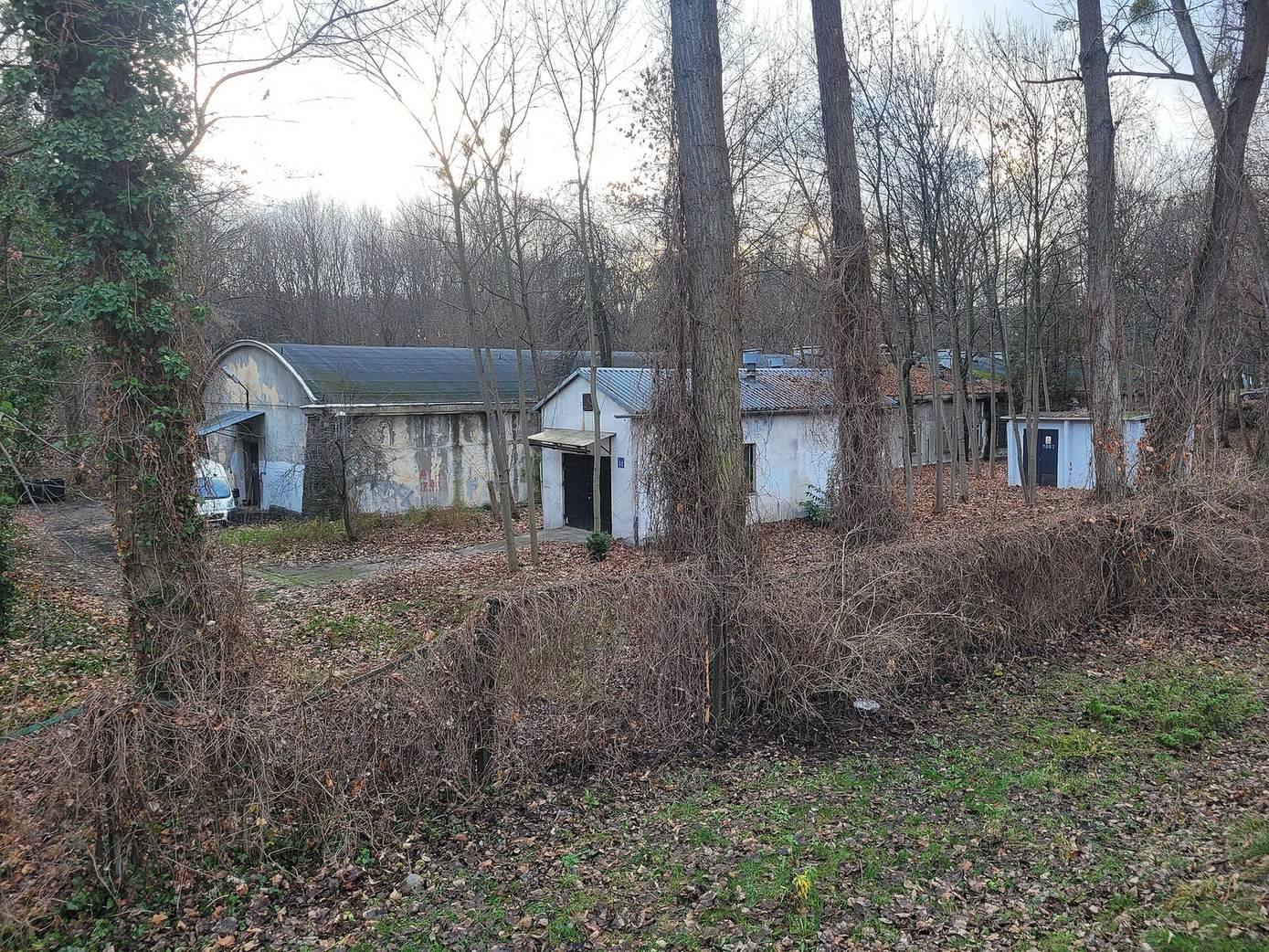
After the Second World War, the remaining fort served various purposes, and storage and administrative buildings were added. In the 1970s, the military film studio Czołówka took ownership and used the site for its archives. It remained the owner. Fort VIIA entered Poland’s register of monuments on 27 January 1992. The register entry gives the date 1883, although the fort’s construction is dated to 1891–1892.
Remains
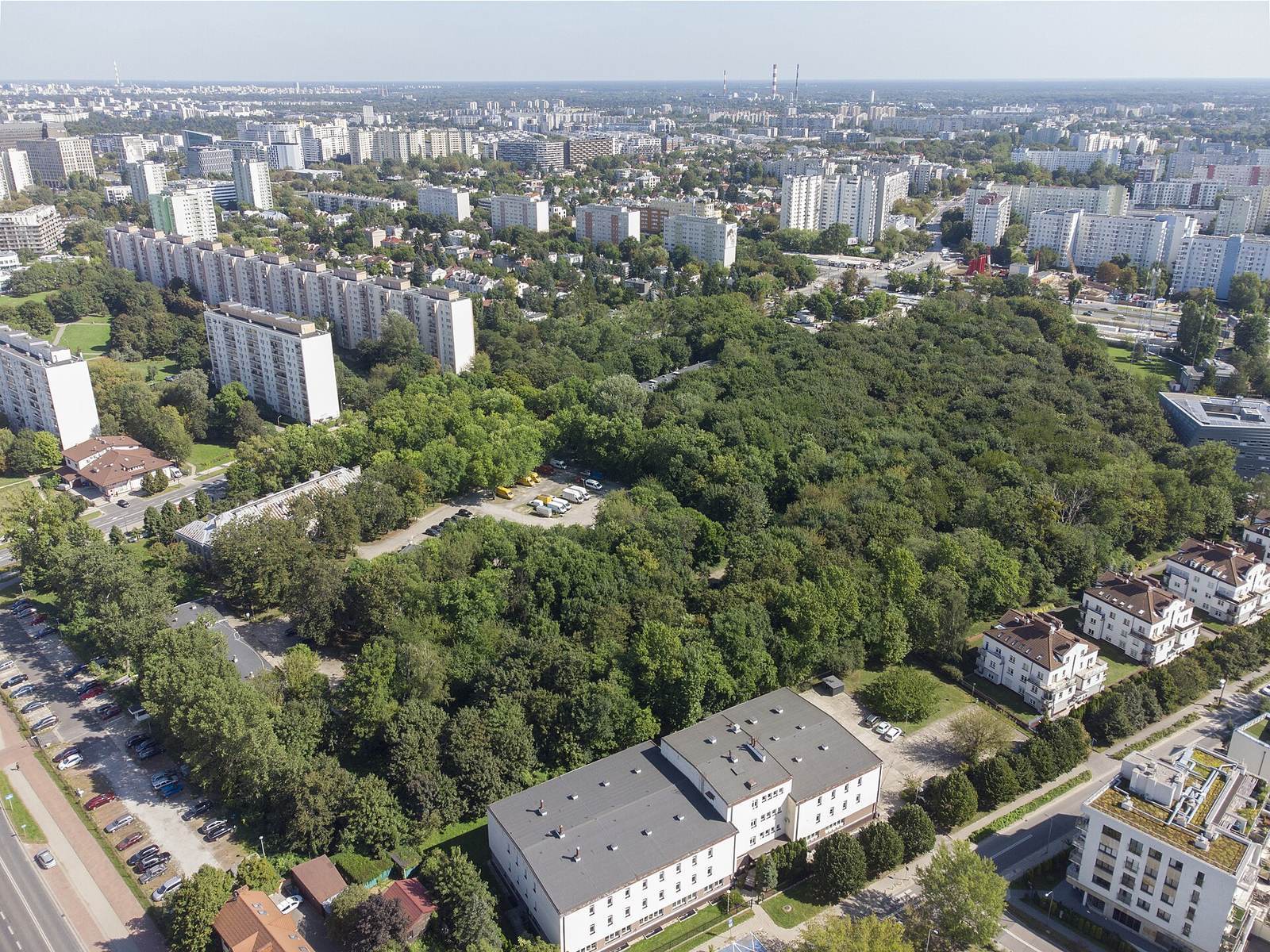
Including its outlying ground, the fort covered just under 14 hectares, about half the area of the older forts. Its unusual plan was approximately rhomboidal, and it stood around 110 metres above sea level. Its principal defenses faced south, toward the valley of the Służewiecki stream, whose many branches formed a natural barrier. Fort Zbarż lay to the west and Fort Służew to the southeast.
Surviving structures and urban setting
A concrete storage casemate survives in the central section, where other casemates are also situated. An administrative building stands in the northwest and serves as Czołówka’s premises. Former storage buildings in the rear section are used by film-industry companies. Aleja Lotników, Modzelewskiego Street, and Smyczkowa Street surround the site, with its entrance from Aleja Lotników. Development now extends across the former glacis and rear area; the Służew Fort housing estate was built north of the fort in the 1970s.