Schloss Haus in Wartberg ob der Aist: A Castle and Administrative Seat
Site at a Glance
- Popularity
- Medium
- Country
- Austria
- Primary era
- Early Modern
- Eras represented
- Medieval, Early Modern
- Civilizations
- Habsburg, Habsburg Austria, Holy Roman Empire
- Site type
- Domestic
- Remains
- Castle
On this page5 sections
History
Medieval origins and early owners
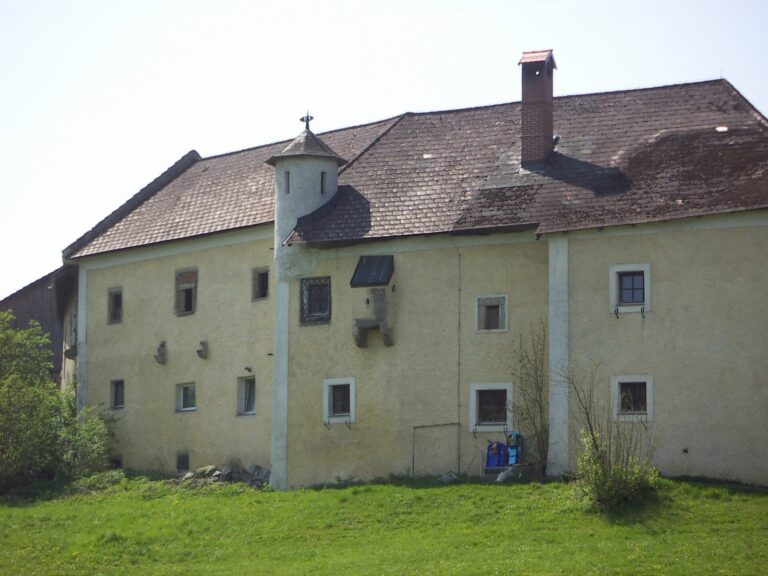
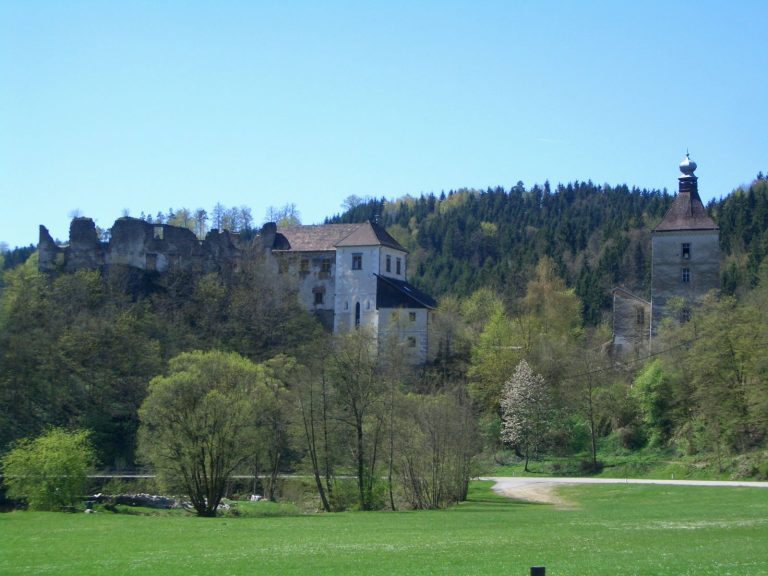
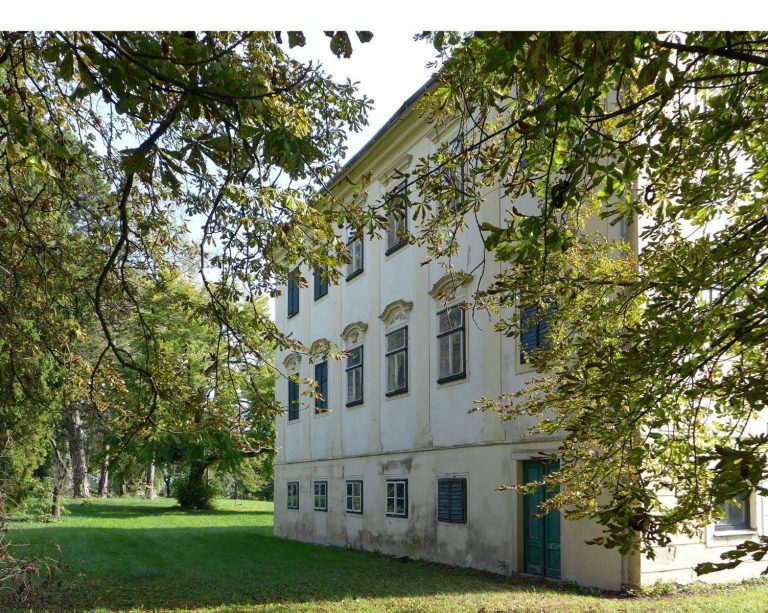
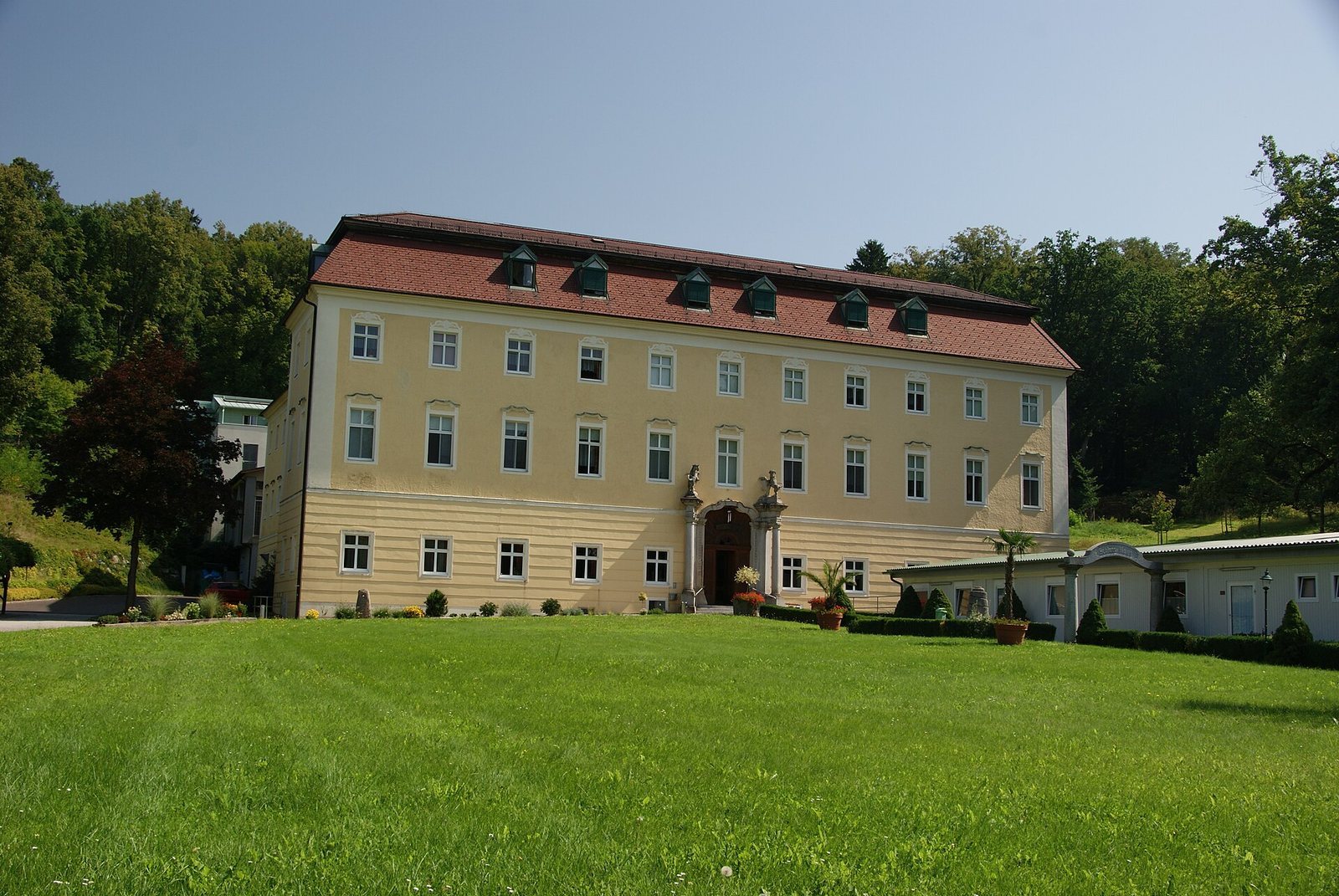
Schloss Haus in Wartberg ob der Aist, Austria, is a historic residence whose present building dates to 1721–1729. The site takes its name from the Haus family, whose members served as burgraves of Steyr, officials responsible for administering a castle or territory. Ulrich von Haus is first mentioned around 1291. An earlier castle may have stood nearer the Aist, with the place-name Altenhaus pointing to that possible location.
In the thirteenth century, members of the Haus family had a reputation as robber knights. They sometimes tricked merchants travelling the important trade road between Pregarten and Mauthausen by fitting horseshoes to their horses backwards.
By the fourteenth century, the castle was held as a fief within the Lordship of Freistadt, a territorial estate governed by a lord. Andre Hauzenberger is named as its first known owner, in 1391. Around 1452, ownership is associated with Knight Hannes von Sinzendorf. After the Sinzendorf male line ended, marriage transferred the property to the Schweinböck family, also called Schweinpeck.
Landau and Starhemberg ownership
Adam Schweinböck sold the castle to Georg von Landau in 1542. Georg’s son Hannes, who lived from 1535 to 1575, received the rank of baron and the title Baron of Haus and Rappottenstein through his possession of Rappottenstein Castle. He was buried in Wartberg parish church.
The Protestant Landau family held the estate until 1620. The authorities confiscated it because of the family’s involvement in an aristocratic uprising during the Counter-Reformation, the Catholic Church’s effort to restore its authority in areas where Protestantism had spread. In 1621, Count Leonhard Helfrich von Meggau, a district judge at Freistadt, purchased the castle. An inheritance dispute later passed it to Count Cavriani.
Count Gundaker Thomas von Starhemberg took possession in 1708 and ordered the old castle to be demolished and rebuilt. Before 1750, Schloss Haus became the administrative centre for the Lordship of Freistadt, which oversaw the markets of Gutau, Perg, and Pregarten. In 1848, the abolition of manorialism, a system in which a lord governed an estate and its dependent population, reduced the castle’s importance.
Changing uses
The castle underwent several alterations during the nineteenth century. Painter Jakob Weeser-Krell leased it in 1896, and his art establishment operated there until 1911. The building was then put to welfare uses. During the First World War it housed a military hospital; from 1920 until May 1945, it was a children’s home. Soviet occupying forces subsequently used it as barracks.
The property remained with the Starhemberg family into the postwar period, until Upper Austria acquired it in 1947. That year, the building became a care and support institution run by the province, a use that has continued since.
Remains
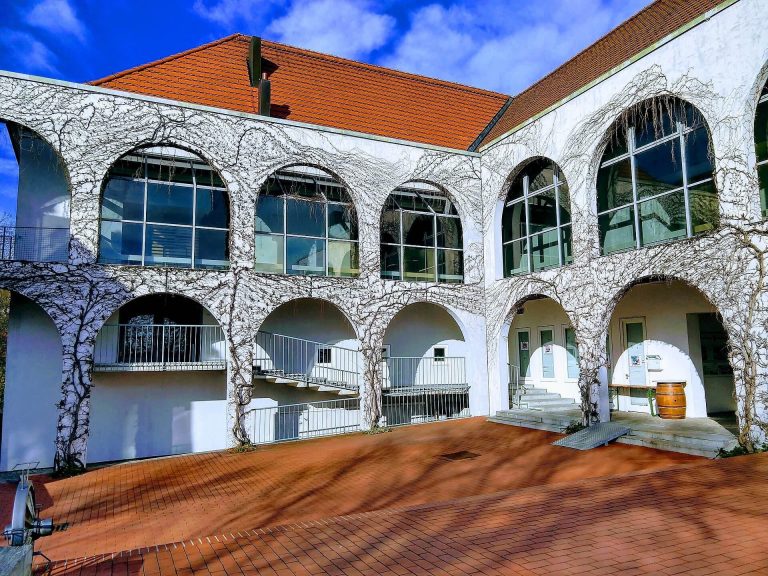
The present building has three wings and two storeys. Its entrance is flanked by two lions standing on columns. Each lion rears on its hind legs while holding the coat of arms of Count Gundaker Thomas von Starhemberg; the coat of arms of Upper Austria appears above the doorway.
A colonnade, a covered passage formed by a row of columns, occupies the courtyard. The reception hall contains an old suit of armor.