Schloss Harmating: A Renaissance Castle in Germany
Site at a Glance
- Popularity
- Medium
- Country
- Germany
- Primary era
- Early Modern
- Eras represented
- Medieval, Early Modern, Modern
- Civilizations
- Unclassified
- Site type
- Domestic
- Remains
- Castle
On this page7 sections
History
Origins and changing ownership
Schloss Harmating is a castle in Germany whose oldest parts probably date to the 13th century, when the Lords of Harmating built it as a tower castle. The family is first recorded around 1140. By about 1300, the castle belonged to the Counts of Hohenwaldeck; later owners included the Lords of Egling, the Lords of Ross, and the Tyrolean Tänzl von Tratzberg family. Its present Renaissance appearance dates from the 16th century.
The Barth family and later owners
By 1531, the castle had passed to the Munich patrician Barth family, which added Harmating to its name. In 1596, Emperor Rudolf II granted family members noble rights and authority over lesser local legal matters. The family attained baronial rank in 1681. Ferdinand Barth, a Munich mayor and chancellor of the Bavarian Estates, a representative body, owned the castle from 1689 to 1705. Around 1700, the family also acquired nearby Eurasburg Castle.
Hermann von Barth (1845–1876), a mountaineer and explorer of the Allgäu Alps, Wetterstein Mountains, and Karwendel, spent his childhood at Harmating. The castle passed by inheritance to the von Schirnding family in 1941. The writer Albert von Schirnding lives there with his family. A comprehensive renovation took place in 2002.
Remains
Setting and exterior
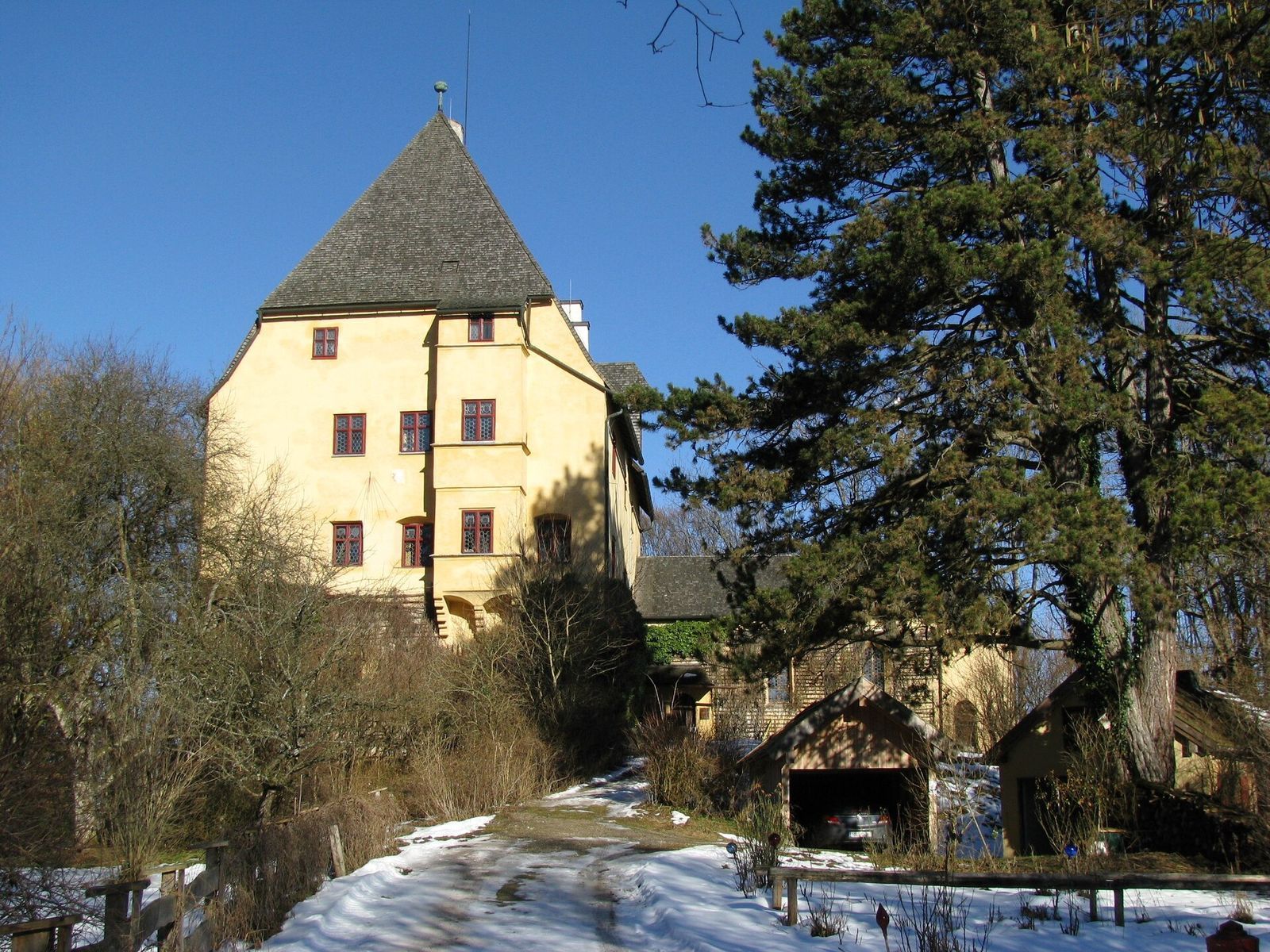
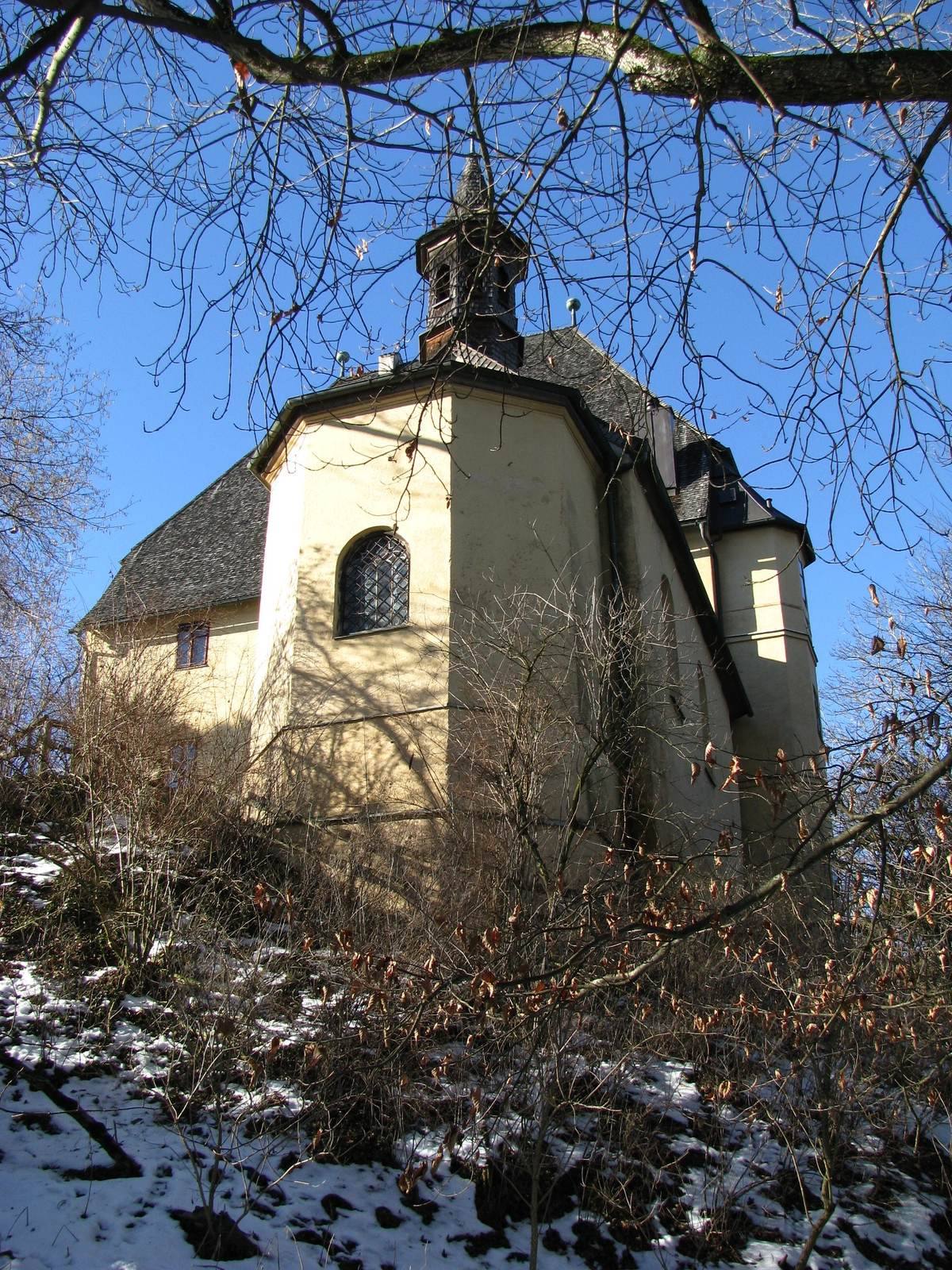
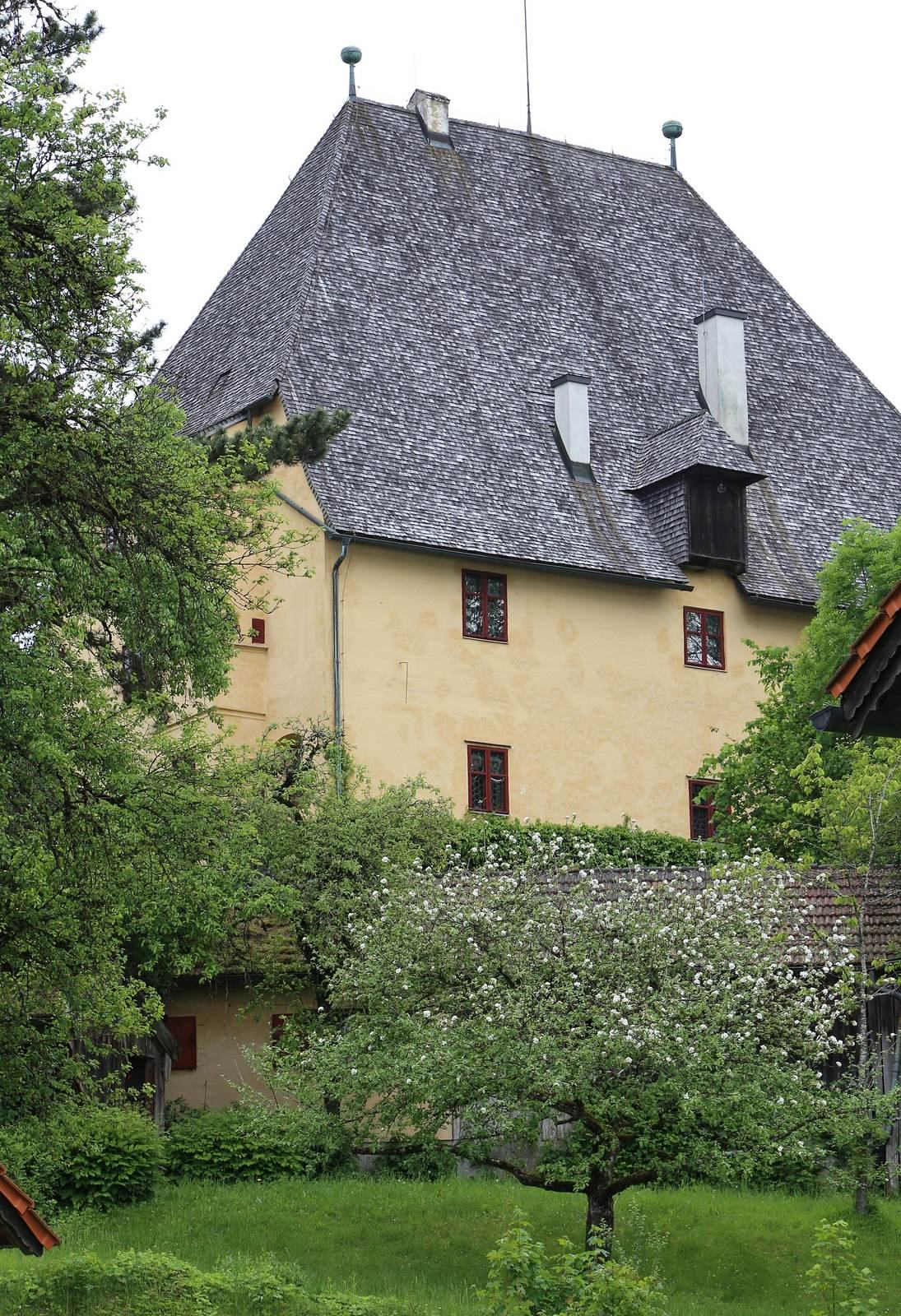
The castle stands on a moraine hill at the edge of the Isar Valley, where the valley widens to the northeast. It is a three-storey rectangular building with a steep half-hipped roof, which has sloping sections at the ends of its gables. Much of the building’s original interior and exterior survives. The south-side oriel, an enclosed window bay projecting from the wall, and the arrangement of the rooms date to the 16th century. A chapel is attached to the east façade.
Rooms and furnishings
The building retains Renaissance doors, furniture, and stoves. Its principal rooms occupy the first storey above ground. A spacious room in the southeast has an early 19th-century panelled ceiling with medallions naming members of the Barth family from 1324 to 1758. The Eurasburger Room contains family portraits. Ceiling paintings in the Chancellor’s Room, named for Ferdinand Barth’s office, may be the work of German Baroque painter Melchior Steidl. Frescoes in the oriel display the coats of arms of the Barth and Ligsalz families. The von Schirnding family collection in the castle includes more than 15,000 books.
Chapel and archaeological remains
A late Gothic chapel was replaced in 1630 by a chapel dedicated to the Holy Cross, which was renewed and altered around 1708. The single-nave chapel has a three-bay groin vault, formed by the intersection of barrel vaults. Subsurface medieval and early-modern remains in the castle area include features associated with the chapel and a former service farmyard.