Schanze und Oppidum auf Schwaben: A Celtic Fortified Settlement
Site at a Glance
- Popularity
- Medium
- Country
- Germany
- Primary era
- Iron Age
- Eras represented
- Iron Age
- Civilizations
- Celtic
- Site type
- Settlement
- Remains
- Town
On this page9 sections
History
Schanze und Oppidum auf Schwaben was a Celtic oppidum, a large fortified settlement of the later European Iron Age, on the Schwaben peninsula in Altenburg, Germany, and extending across the High Rhine into Switzerland. Its La Tène settlement, belonging to an Iron Age tradition associated with Celtic communities, probably developed in the middle of the second century BC and was largely abandoned during the first century BC. It became an important centre for craft and trade.
Earlier occupation and settlement
Bronze Age settlement remains show that people lived in the area before the Celtic town arose. Estimates put the oppidum’s population between 2,000 and 5,000.
Trade and production
A north-south route crossed the Rhine at the settlement. Mediterranean goods travelled by ship along the Rhine and Rhône, where they were unloaded, processed, and traded onward. Wine was an important import, represented by more than 14,000 amphora fragments found at the site.
Workshops and evidence of bronze, iron, and glass working point to a strong craft economy. The relatively small number of weapons suggests that trade and production were more central than warfare. The inhabitants also minted coins.
Archaeological investigation
Archaeologist Franz Fischer led excavations from 1972 to 1975 and again in 1977. The State Office for Monument Preservation carried out further excavations in 2022.
Remains
River setting and fortifications
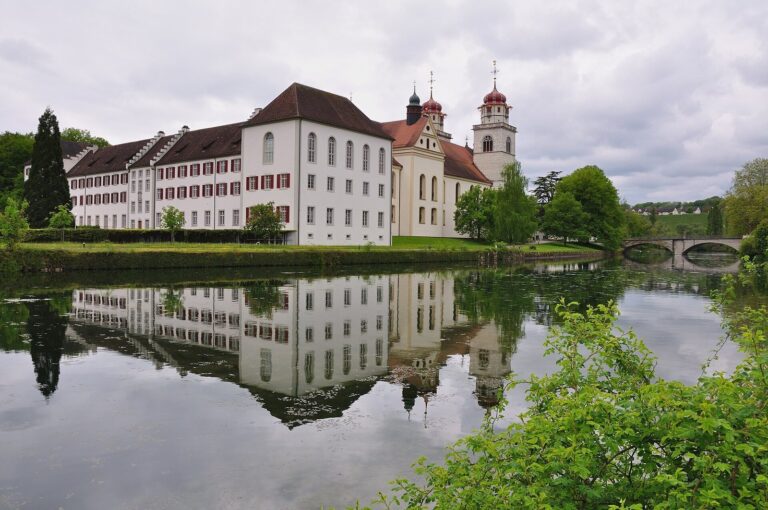
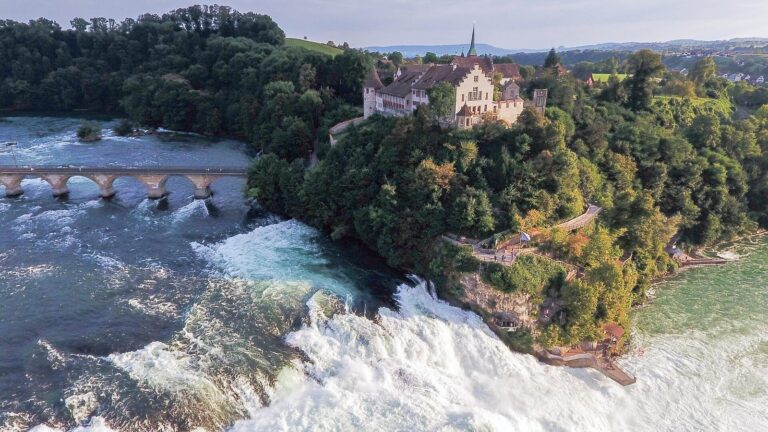
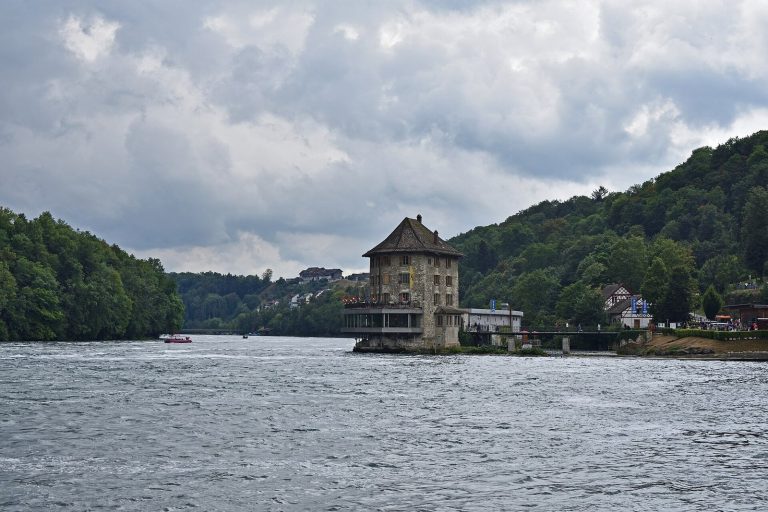
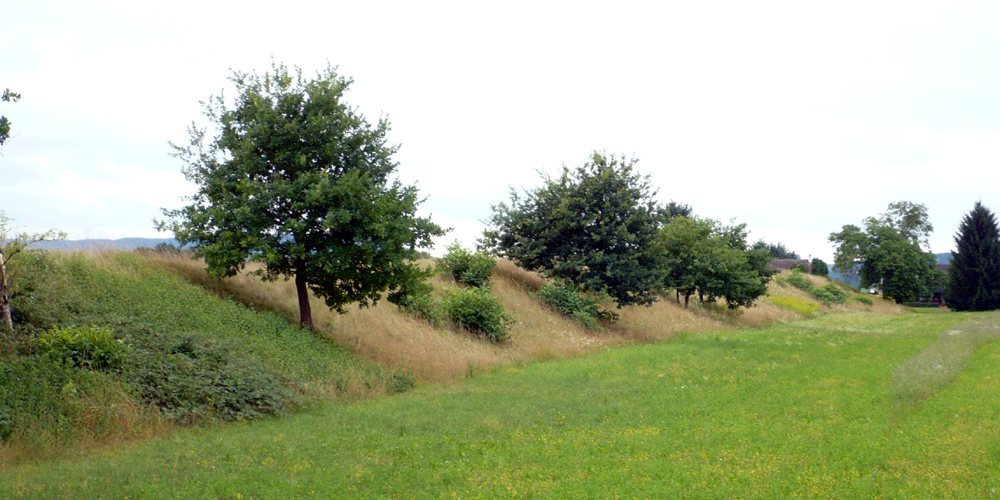
The oppidum lay a few kilometres downstream from the Rhine Falls, where the High Rhine makes a double meander. It covered two peninsulas on opposite banks: Schwaben on the right bank, in Altenburg, Germany, and the peninsula containing Rheinau on the left bank, in Switzerland. The Schwaben peninsula covers about 230 hectares and the peninsula on the left bank about 85 hectares; together, the settlement area exceeded three square kilometres. The whole of Schwaben is now considered to have been settled. Transverse ramparts and a defensive wall built with upright posts set into slots formed part of the fortifications and connected the two peninsula areas.
Excavated features and finds
Building layouts and storage pits
Excavation areas exposed post remains that mark building layouts, alongside large storage pits. The pits were filled after they fell out of use, and their contents provide evidence of everyday life in the late Iron Age.
Objects and artworks
Finds include clothing pins, wagon parts, ceramic vessels, and extensive pottery remains. Struck cluster-type coins were also recovered. Among the bronze objects are a pendant bearing a boar and a small bull’s head. Both are regarded as outstanding examples of Celtic small-scale art in South Baden and are displayed at the Archaeological Museum Colombischlössle.