Santa Maria ad nives: A Baroque Church in Rome
Site at a Glance
- Popularity
- Low
- Country
- Italy
- Primary era
- Early Modern
- Eras represented
- Medieval, Early Modern
- Civilizations
- Papal States
- Site type
- Religious
- Remains
- Church
On this page7 sections
History
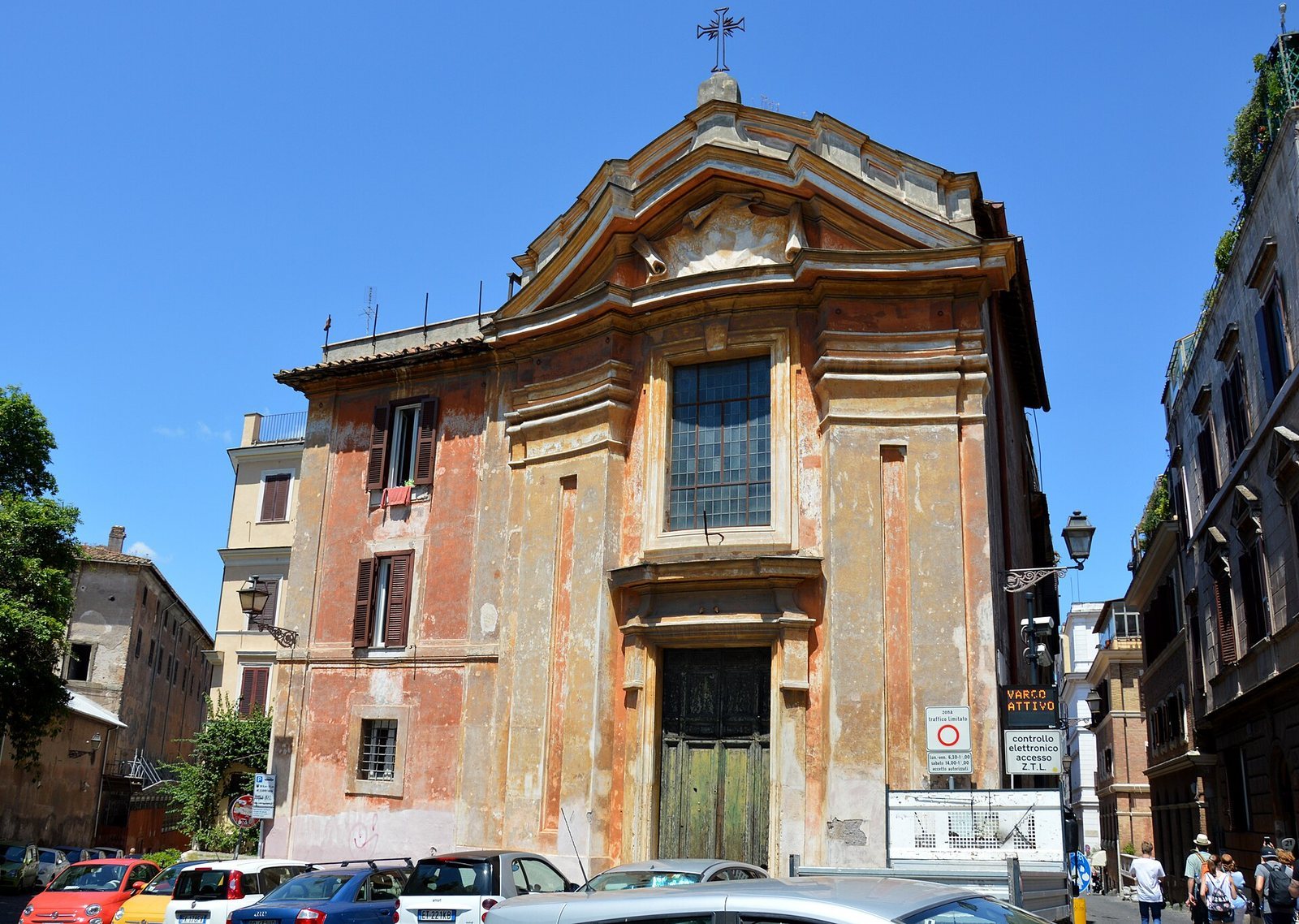
Santa Maria ad nives is a Baroque Roman Catholic church in Rome’s Monti district, Italy, at the corner of Via del Colosseo and Via del Cardello. Baroque was a European artistic and architectural style prominent from the late 16th through the 18th century. The church’s beginnings are uncertain, but it served as a parish church by the 12th century.
Early church and Marian dedication
During Pope Innocent III’s pontificate (1198–1216), a small church was erected here under the name Sant’Andrea del Portogallo. It was also called Sant’Andrea de Tabernula. Later, it became a benefice, an ecclesiastical office or grant associated with income or support, attached to the cardinal-priest of San Pietro in Vincoli. A cardinal-priest was a cardinal assigned a titular church in Rome.
The dedication Santa Maria della Neve, meaning Our Lady of the Snows, refers to a tradition associated with Santa Maria Maggiore. According to the tradition, in 358, during Pope Liberius’s pontificate, the Roman aristocrat Giovanni and his wife prayed for guidance on how to honor Mary. Snow fell on the Esquiline on the night of August 5 and traced the plan of a church they would build. A religious brotherhood devoted to Our Lady of the Snows was established in 1258.
Guild patronage
In 1607, Pope Paul V granted the church to the Università dei Rigattieri, a trade guild of secondhand-clothing dealers. The guild rebuilt it at its own expense, though the date of the work is uncertain. The church remained in the guild’s hands until 1798, when the short-lived Roman Republic replaced papal government in Rome.
Later custodianship
After papal government was restored in 1815, the church was entrusted to the Confraternity of Santa Maria della Neve, which continues to oversee it. The church adopted its present name after the French Revolution and Napoleonic occupation. It is in the Diocese of Rome and serves as a subsidiary place of worship of the parish of Santa Maria ai Monti. It is also a place of prayer for the Community of Sant’Egidio, a Catholic lay movement.
Remains
Façade
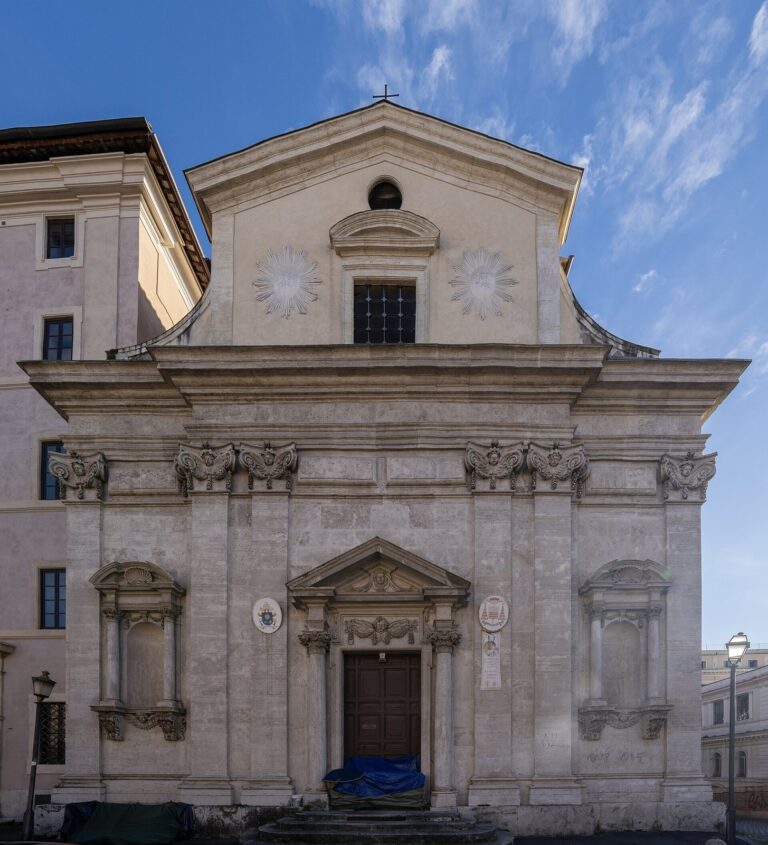
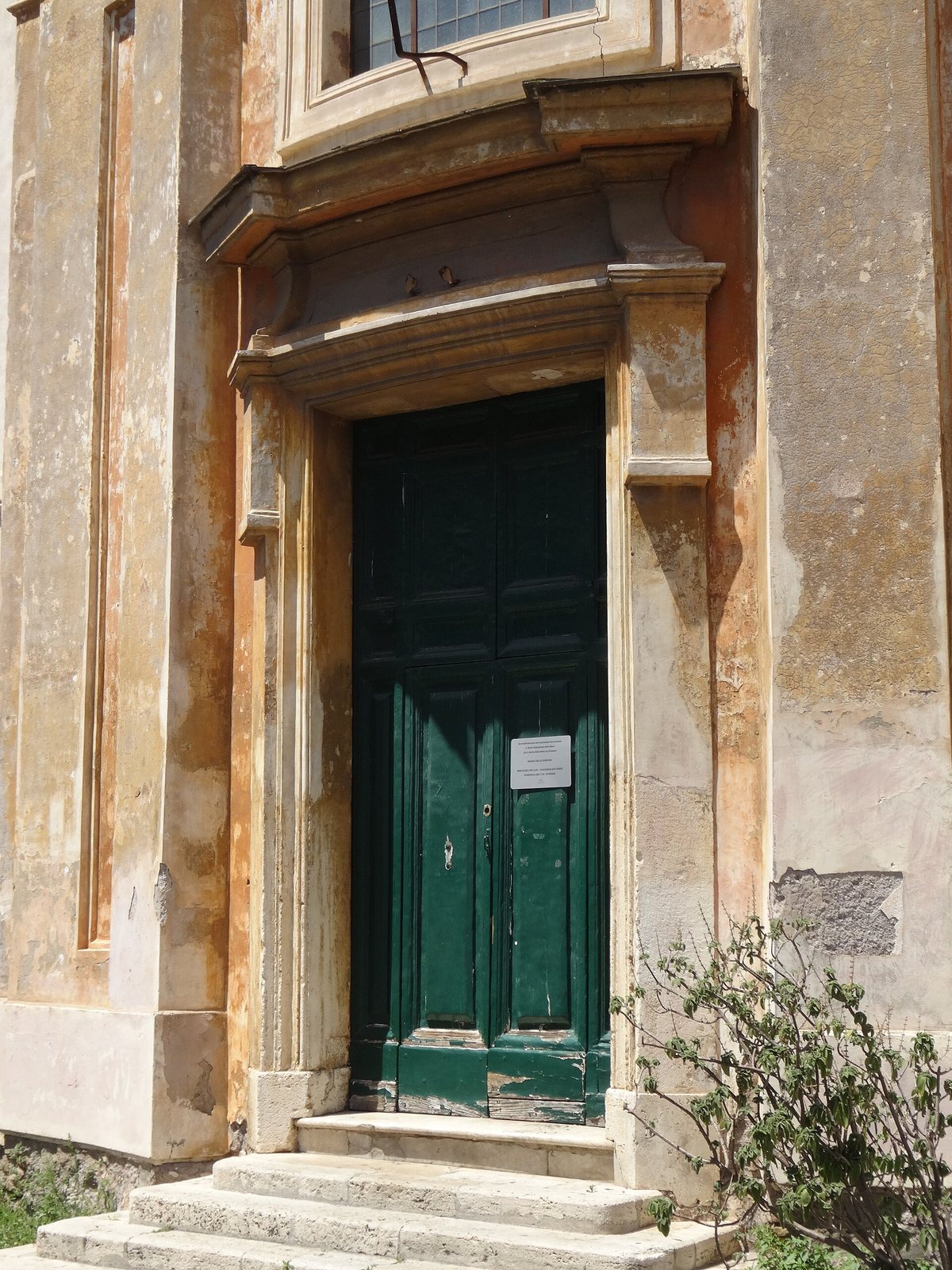
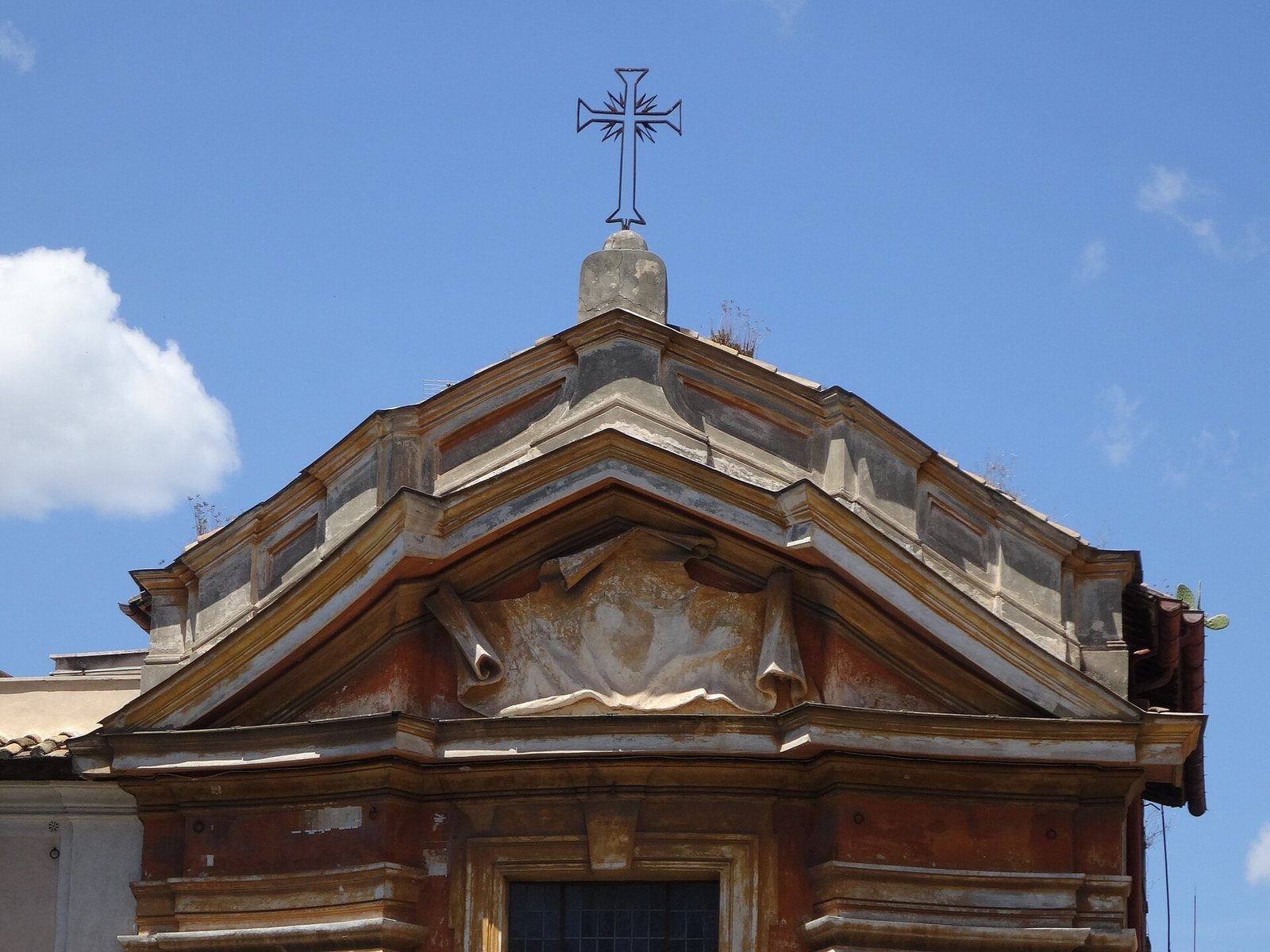
The church’s convex façade reflects the architectural language of Borromini. A strongly molded triangular pediment crowns it, with a stucco relief of an unfurled scroll set within the pediment.
Interior
The interior is rectangular, with a single central hall, a high altar, and two side altars. The 17th-century altarpiece above the high altar shows Mary being received by God the Father and Jesus Christ as Saints Andrew and Bernardino look on; both saints were patrons of the guild that held the church. The right side altar has a painting of the Baptism of Christ, while the left has a painting of Saints Francis and Clare.