Palazzo Silvestri-Rivaldi: An Unfinished Sixteenth-Century Palace in Rome
Site at a Glance
- Rating
- 5
- Popularity
- Very Low
- Country
- Italy
- Primary era
- Early Modern
- External website
- Open
- Eras represented
- Early Modern
- Civilizations
- Papal States
- Site type
- Domestic
- Remains
- Elite Residence
On this page7 sections
History
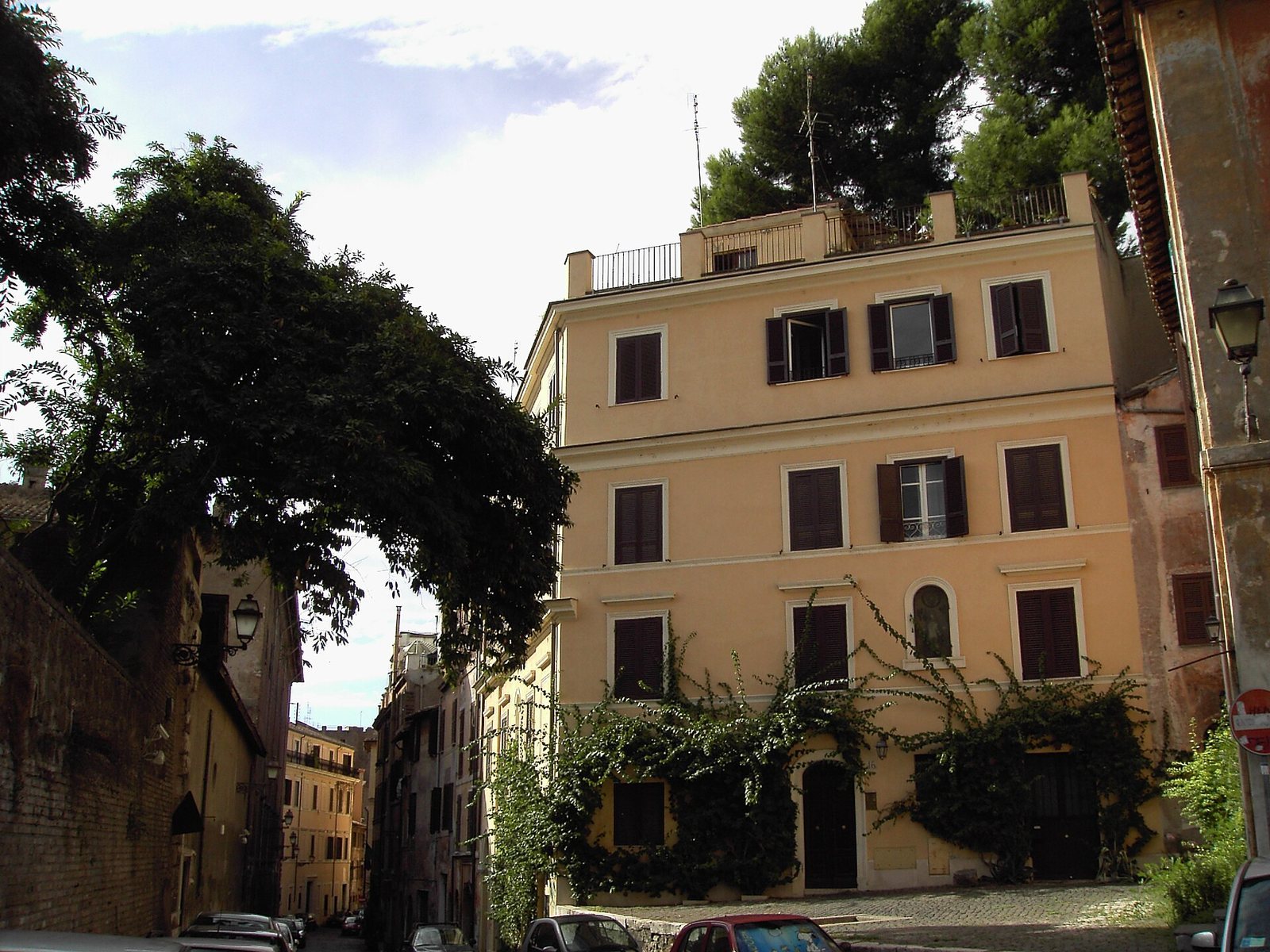
Palazzo Silvestri-Rivaldi is an unfinished sixteenth-century palace in Rome, Italy, begun by Eurialo Silvestri in the early 1540s. Construction stopped when Pope Paul III died in 1549, ending Silvestri’s hopes of advancement.
Sixteenth- and seventeenth-century ownership
In 1577, Silvestri’s heirs granted the property for life to Cardinal Alessandro de’ Medici, a senior Catholic cleric who later became Pope Leo XI. De’ Medici leased it in 1591 to Marzio and Marc’Antonio Colonna, members of an influential Roman aristocratic family. After de’ Medici’s death, the heirs sold the villa in 1609 to Cardinal Lanfranco Margotti, who died in 1611. Following several years of neglect, they sold it in 1626 to Cardinal Carlo Emmanuele Pio di Savoia, who died about fifteen years later.
Charitable institution
After Pio di Savoia’s death, the property was sold to the Conservatorio delle Zitelle Mendicanti, a charitable institution sponsored by Ascanio Rivaldi. Rivaldi made the institution the principal beneficiary of his inheritance. It housed poor women and their daughters, offered them work, and sought to protect them from life on the streets. Young women could also receive small dowries. The villa became a boarding institution and textile workshop where the women worked. After Italian unification, the conservatory became the Rivaldi Pious Institute.
Occupation and restoration
The property passed to the Institute of Santa Maria in Aquiro, a charitable institution, in 1975. After a period of disuse, groups associated with a political movement occupied the complex from November 1976 until the 1980s. Known as the Occupied Convent, it hosted workshops, a nursery, film screenings, concerts, avant-garde theatre, exhibitions, and music and theatre classes. Occupations of abandoned religious properties helped provide a model for social centers in the 1990s. The complex later stood abandoned for many years and faced the threat of structural failure.
Study and restoration began in July 2018, involving Rome’s Special Superintendency for Archaeology, Fine Arts and Landscape, architecture students from Sapienza University, and students from the Higher Institute for Conservation and Restoration. A conference in December 2022 brought together major studies of the complex from the preceding two decades; its organizers later edited a volume published in 2024. In December 2024, the Lazio regional government completed its purchase of the property from the Institute of Santa Maria in Aquiro. Restoration work was still under way in December 2025.
Remains
Palace
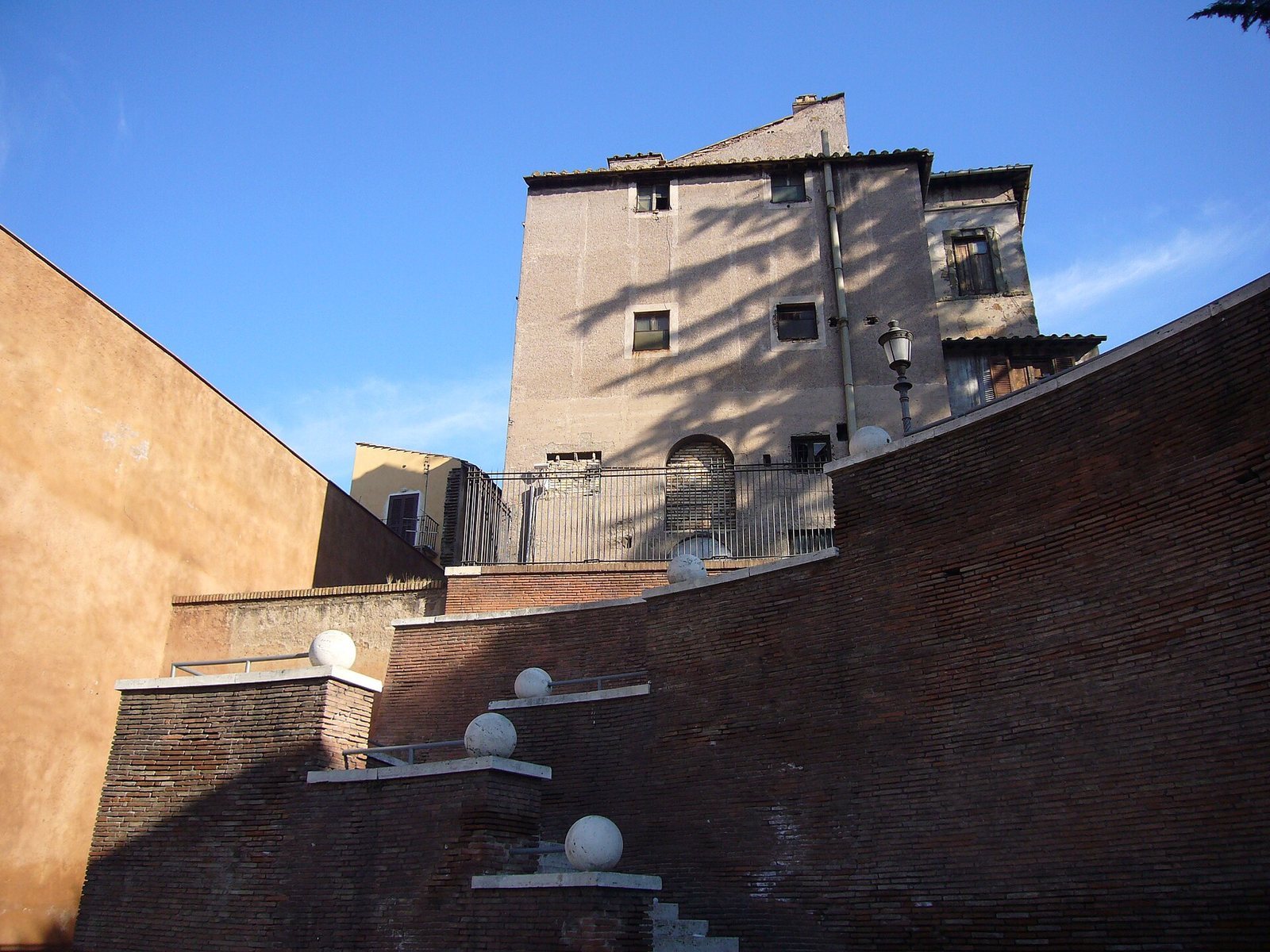
The complex includes a large courtyard and rooms with frescoes on the principal floor. These surviving parts belong to the palace begun in the sixteenth century and left unfinished after construction was interrupted.
Garden
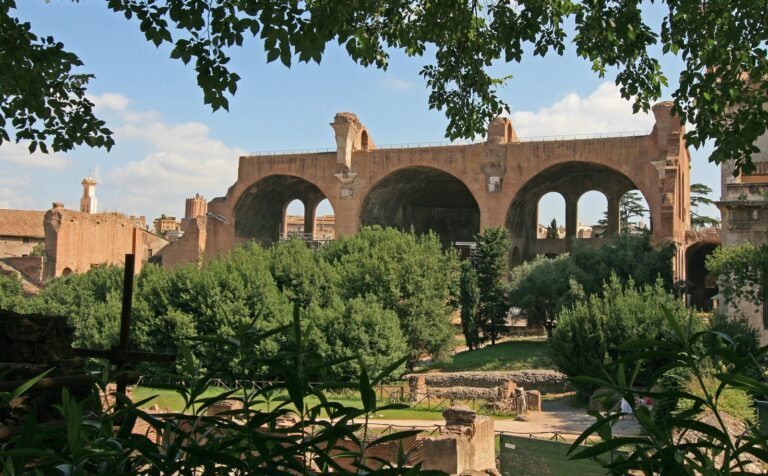
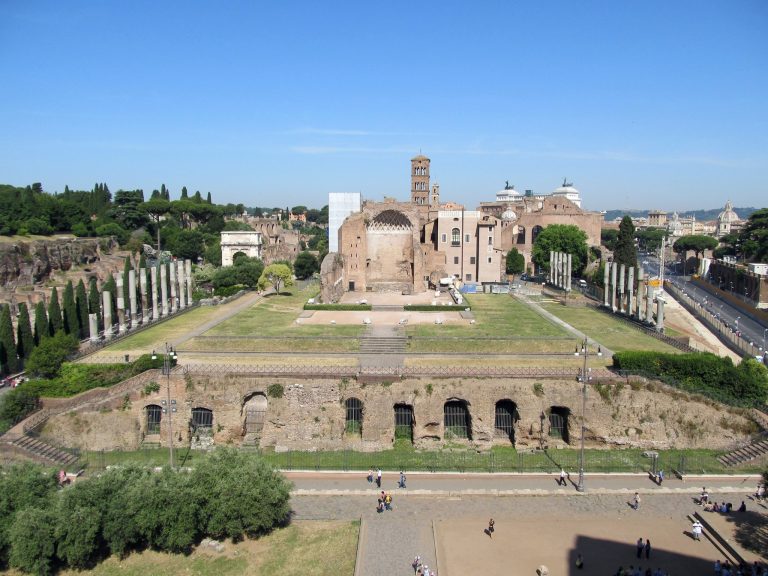
The garden occupied the Velia, one of Rome’s historic hills, and once extended as far as the apse of the Basilica of Maxentius, a large ancient Roman basilica. Excavation of the hill for Via dell’Impero, now Via dei Fori Imperiali, in 1932 destroyed almost all the garden, along with its Renaissance and Baroque furnishings.