Ransäters bruksherrgård: A Swedish Family Estate and Museum
Site at a Glance
- Popularity
- Low
- Country
- Sweden
- Primary era
- Modern
- Eras represented
- Modern
- Civilizations
- Swedish
- Site type
- Domestic
- Remains
- Manor House
On this page5 sections
History
Ransäters bruksherrgård, also known as Geijersgården i Ransäter, is a family estate in Sweden associated with the Ransäter ironworks and the birthplace of Erik Gustaf Geijer.
The ironworks
Mayor Johan Börjesson established the ironworks at Ransäter in the seventeenth century. It operated three forge hammers, which shaped iron into bars, before closing at the end of the nineteenth century.
The Geijer and Dahlgren families
Geijer’s grandfather bought the estate. Erik Gustaf Geijer (1783–1847), a Swedish writer, historian, poet, philosopher and composer, was born there and spent his childhood there. In 1817, Geijer’s younger brother Emanuel sold the property to Barthold Dahlgren, whose son, author Fredrik August Dahlgren (1816–1895), later married a niece of Geijer.
Rebuilding and museum
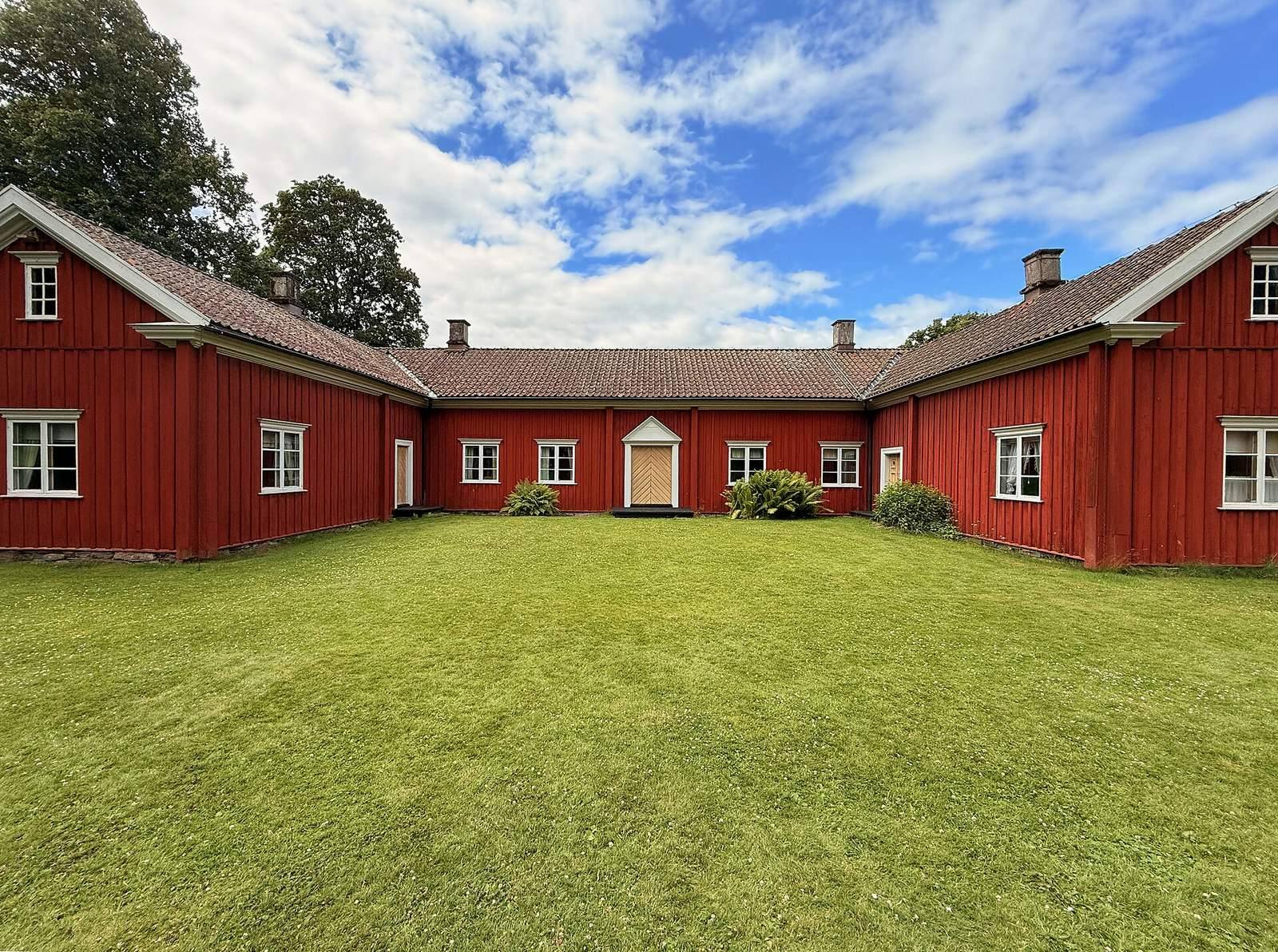
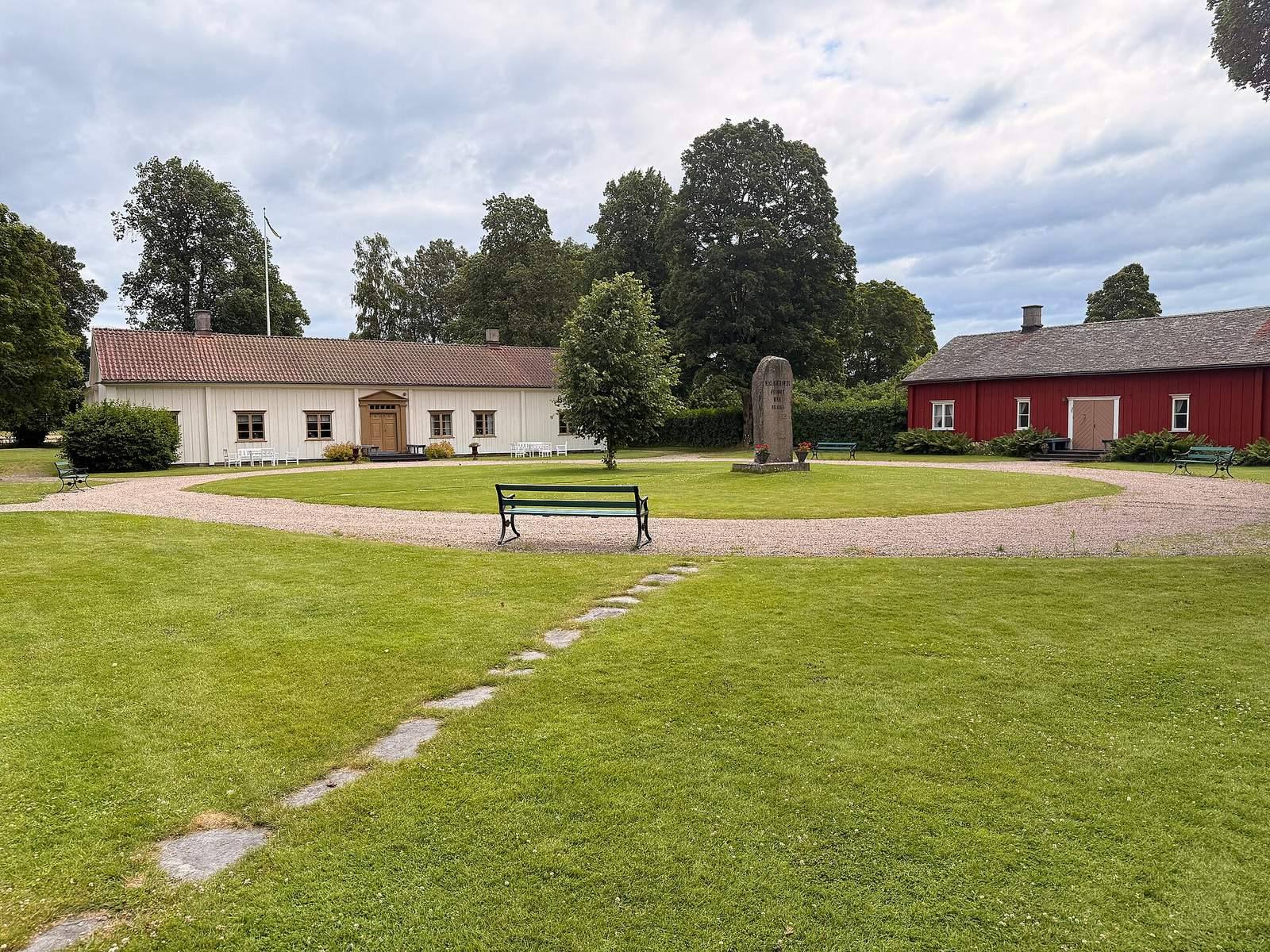
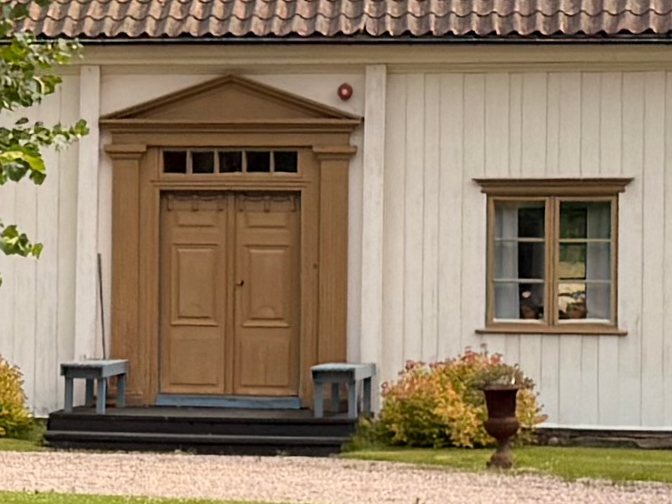
The estate was later sold to Forshaga sulfit AB. Members of the Geijer family bought it in 1907, and the earlier building was demolished before a replacement was built in summer 1914 using parts of the old structure. The main building now houses a museum devoted to Geijer, Fredrik August Dahlgren and painter Uno Troili (1815–1875), Geijer’s nephew. The Geijer Family Association owns and manages the estate.
Remains
The main building is the replacement for an earlier farm building, which was long, white, wooden and single-storey. Parts of that earlier structure were incorporated into the replacement.