San Sebastián Church: A Roman Catholic Parish in Madrid
Site at a Glance
- Rating
- 4.5
- Popularity
- High
- Country
- Spain
- Primary era
- Early Modern
- Eras represented
- Early Modern, Modern
- Civilizations
- Habsburg, Habsburg Spain, Spanish
- Site type
- Religious
- Remains
- Church
On this page14 sections
History
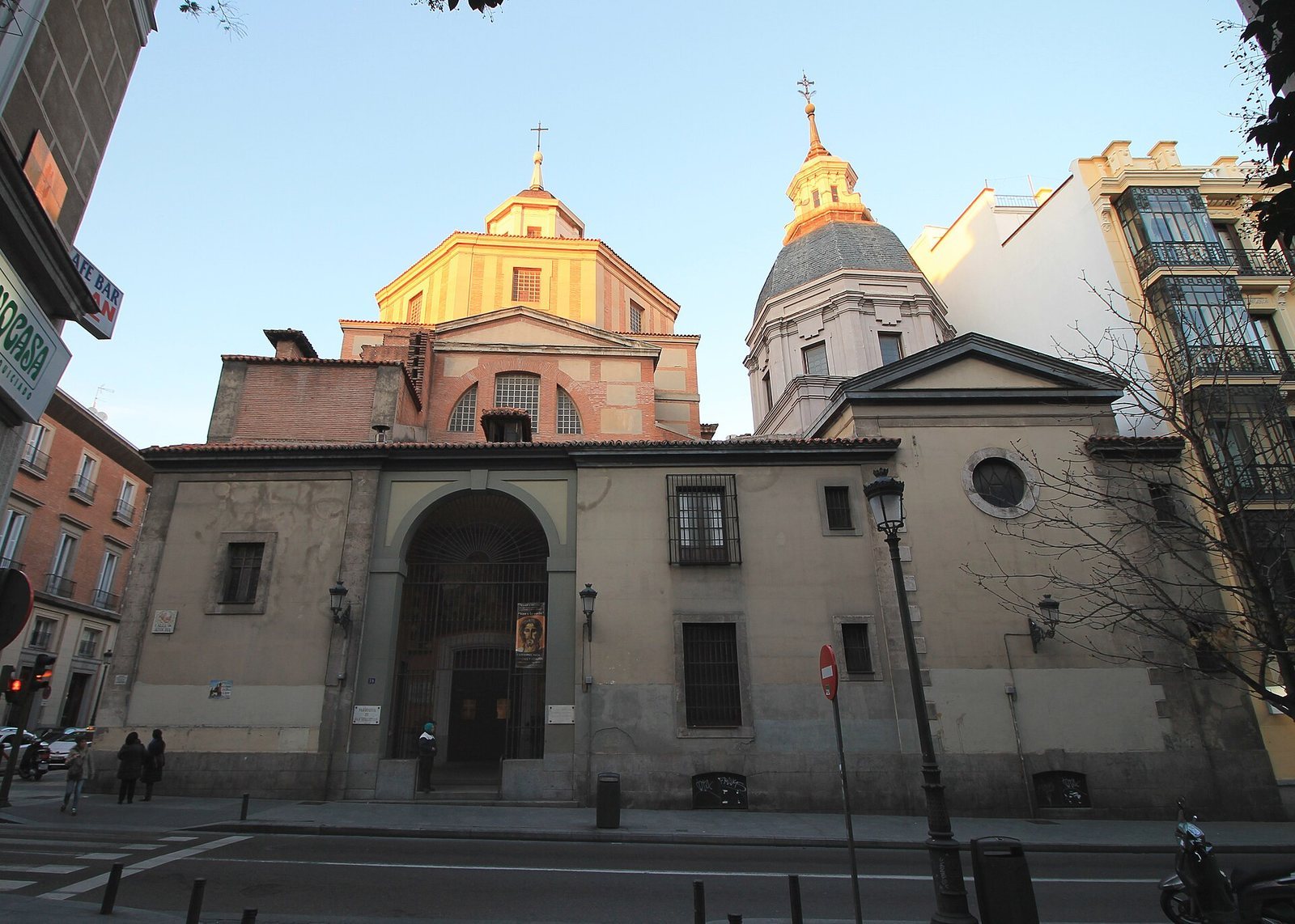
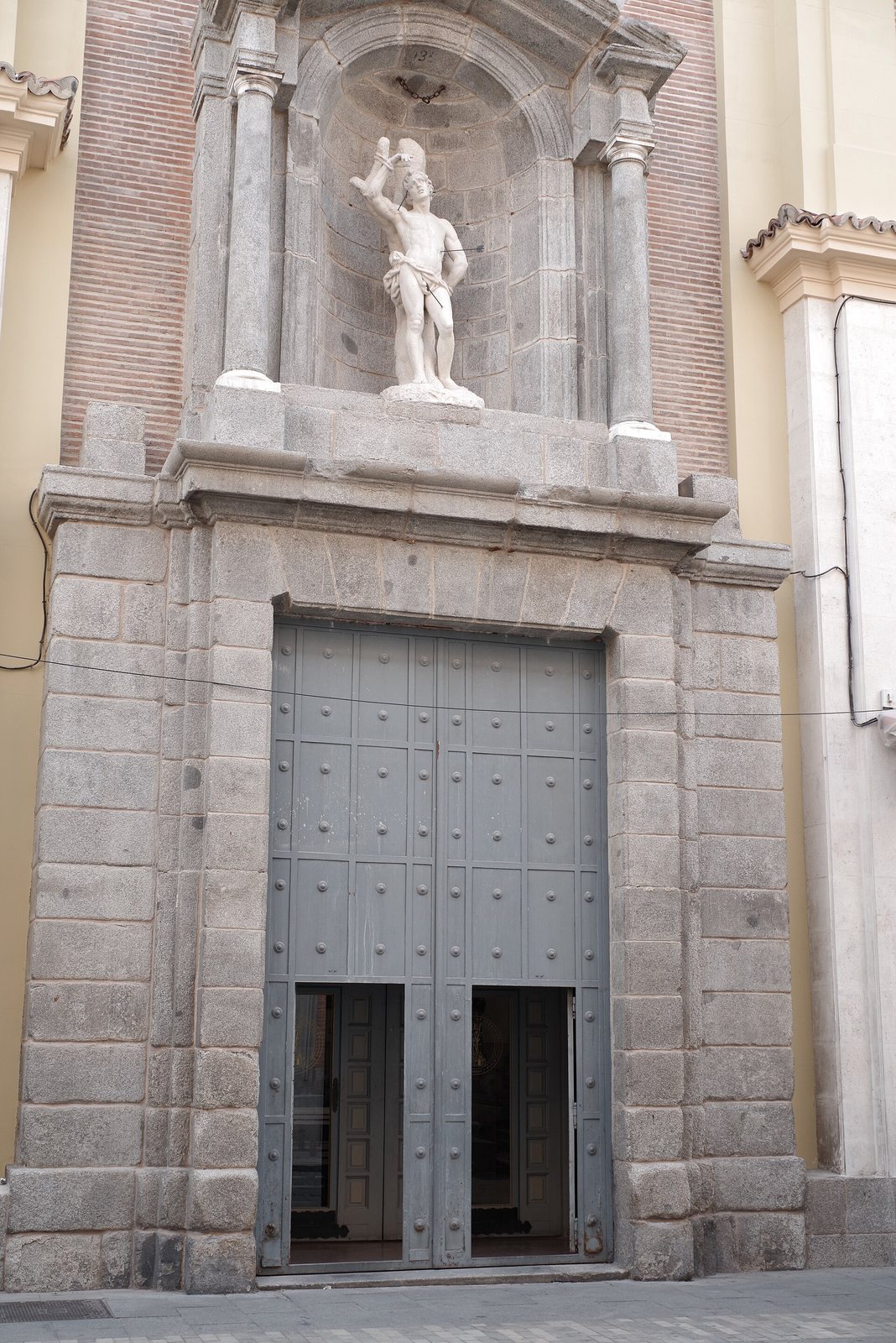
San Sebastián Church is a Roman Catholic parish church in Madrid, Spain. Its beginnings are traced to a hermitage on the road to the sanctuary of Our Lady of Atocha, a title of the Virgin Mary. The parish was founded in 1541 and is dedicated to Saint Sebastian, an early Christian martyr venerated in Catholic tradition. His feast day is January 20. The parish follows the Latin Rite, the Catholic Church’s largest liturgical tradition, and belongs to the Diocese of Madrid, an ecclesiastical district overseen by a bishop.
Early parish and construction
The church may initially have been attached to the parish of Santa Cruz. Within a few years it became independent and received some of Santa Cruz’s parishioners. The first church was demolished around 1550 because it was considered at risk of collapse. A new site on Calle de Atocha was acquired in 1553, and construction there began in 1554 under master builder Antonio Sillero, continuing into the later 1570s. Further chapels were added in 1595–1598, and Lucas Hernández built the tower in 1612.
Like the now-disappeared Church of San Luis, San Sebastián had the right of asylum, a privilege that allowed people fearing prosecution to seek refuge in the church. On July 24, 1624, Madrid actors, theatrical company managers, and playwrights founded the Confraternity of Our Lady of the Novena there. A confraternity is a lay religious association organized around devotional practice. During the eighteenth century, architects, actors, and other professional groups paid for much of the church’s chapel construction.
Parish life and burial traditions
The parish cemetery became the burial place of Lope de Vega, a major Spanish playwright and poet of the Golden Age, the flourishing of Spanish literature and arts in the sixteenth and seventeenth centuries. Another episode associated with the cemetery followed the burial of actress María Ignacia Ibáñez. Her lover, the writer José Cadalso, tried to exhume her body at night, but servants of the Count of Aranda, an eighteenth-century Spanish nobleman and statesman, caught him before he could do so.
War, rebuilding, and recognition
During the Spanish Civil War, a conflict between Republican and Nationalist forces, Republicans looted the church and used it to store ammunition, making it a military target. Nationalist aircraft bombed the building on the night of November 19–20, 1936. The attack caused catastrophic damage and nearly destroyed the church. Many of its artworks were moved to other churches; an image of Saint Blaise is now at the convent of San Jerónimo el Real.
Architect Francisco Íñiguez Almech rebuilt and restored the church between 1943 and 1959. Its parish archives preserve baptism, marriage, and death records concerning prominent people, and a book based on those records contains biographical notes on more than 2,500 individuals. This archival importance may have been a principal reason for the church’s designation in 1969 as a Spanish Property of Cultural Interest in the monument category, a formal heritage-protection status. San Sebastián remains an active parish.
Remains
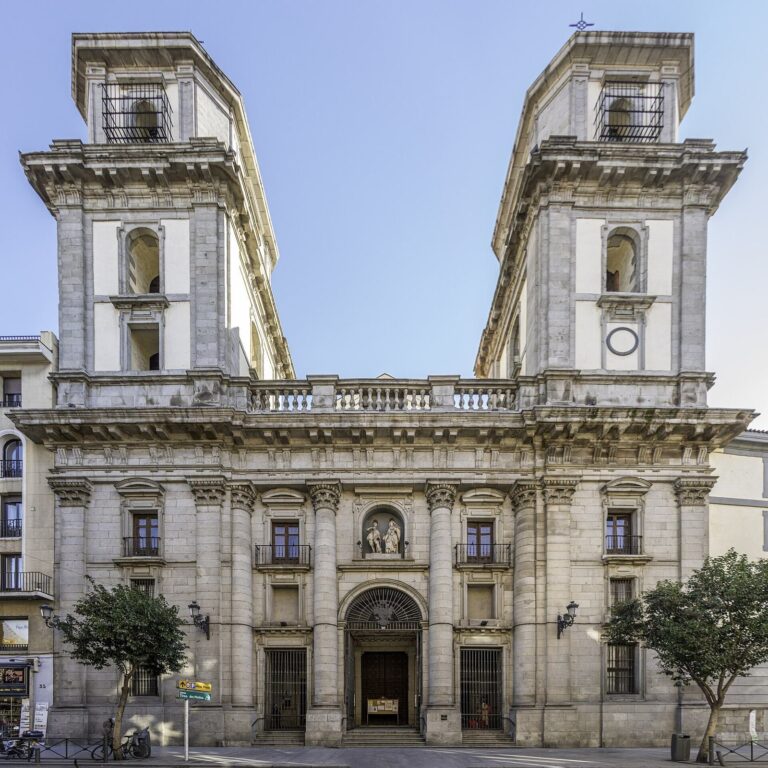
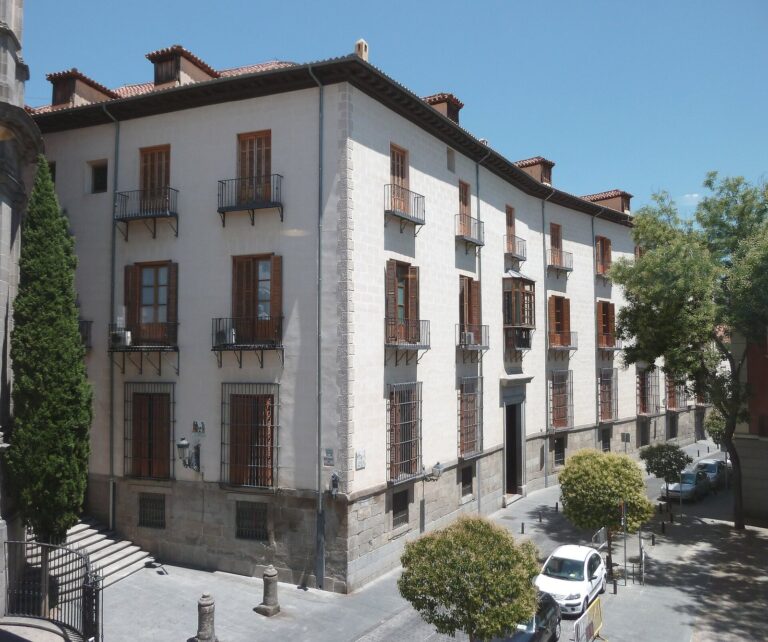
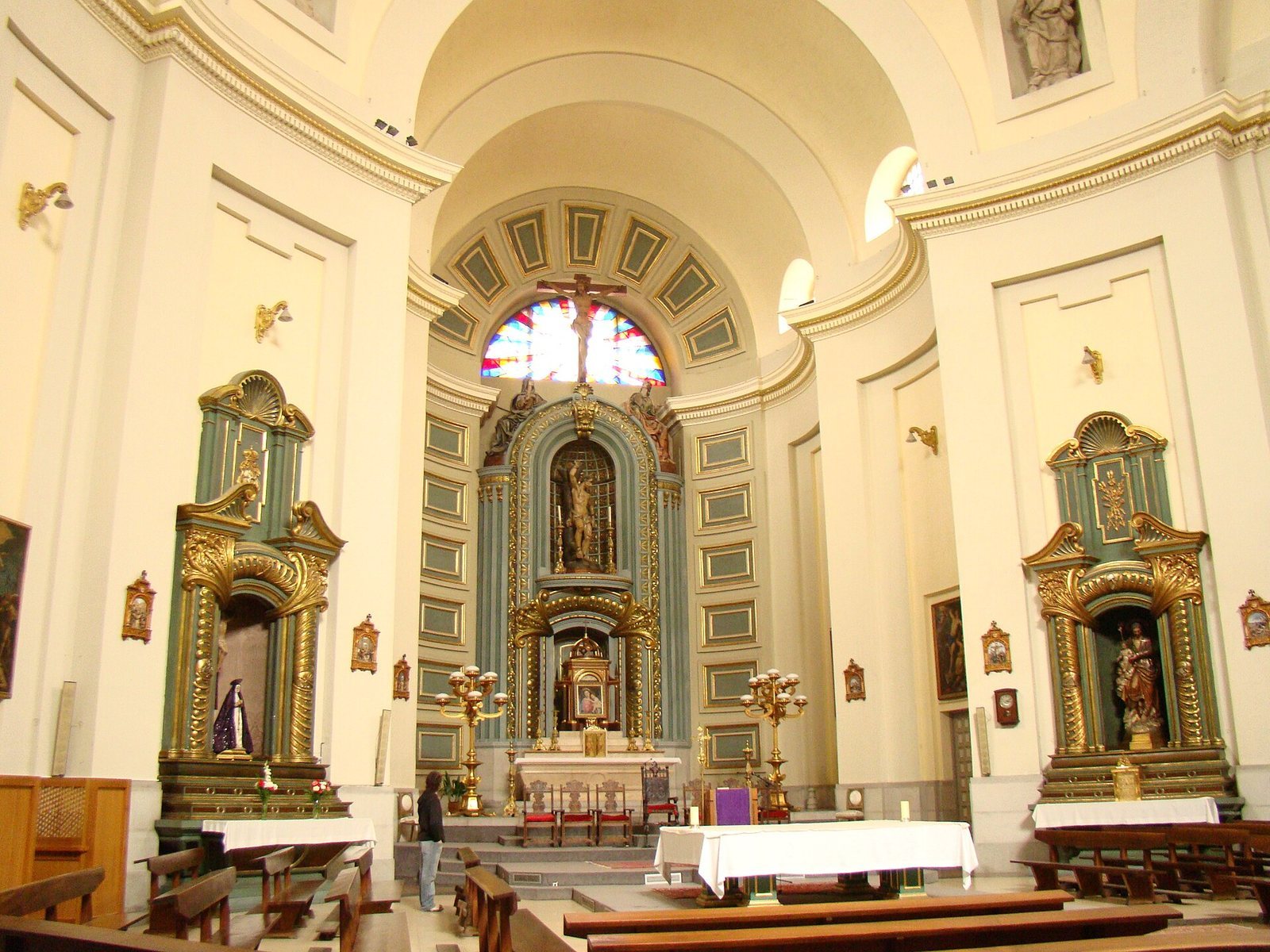
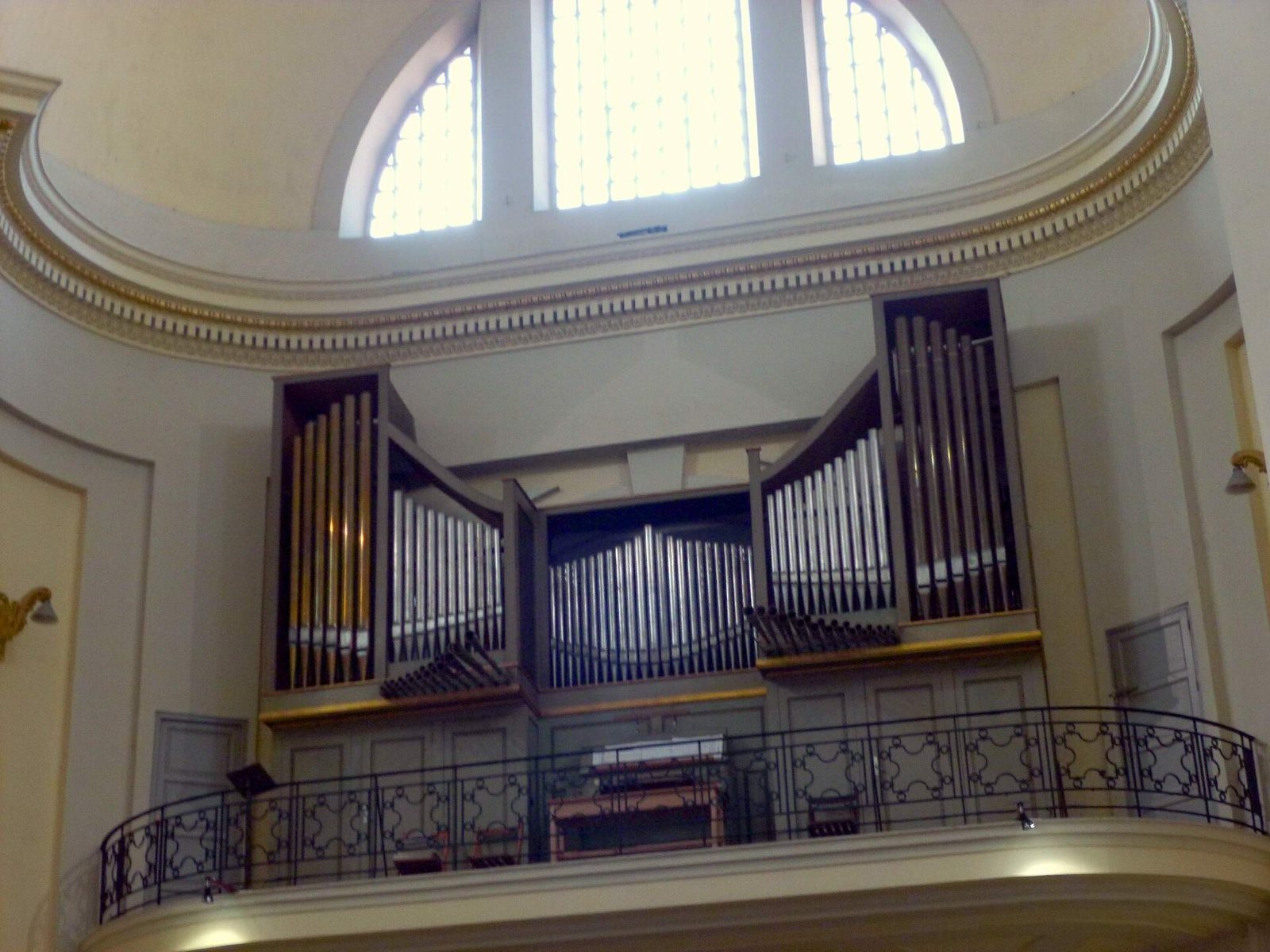
The church stands at Calle de Atocha 39. Its postwar reconstruction changed its orientation and included lateral chapels. The surviving building brings together chapels associated with religious devotion and with professional groups that supported the parish.
Chapels beside the entrance
Chapel of the Sacred Heart
Designed by Antonio Sillero, the Chapel of the Sacred Heart is on the left of the entrance.
Chapel of Our Lady of Bethlehem
Also called the Chapel of the Architects, this chapel is to the right of the entrance, behind a glazed grille. Master builder Francisco Moreno built it in 1693. Ventura Rodríguez remodeled it in 1766–1768, and a design for the chapel is dated 1784. Architects adopted it for worship and burial. Rodríguez and Juan de Villanueva, a leading Spanish architect associated with Neoclassicism, are buried there.
Other chapels
Chapel of Our Lady of the Novena
Actors adopted this chapel for devotional use. Our Lady of the Novena is a title associated with devotion to the Virgin Mary.
Chapel of the Actors
Silvestre Pérez designed a separate chapel for actors.
Chapel of the Guards and main chapel
The Chapel of the Guards was based on a design by Pedro Arnal dated 1793. Separately, Julián de Barcenilla built the main chapel between 1787 and 1788.
Chapel of Maravillas de Jesús
A further chapel is dedicated to Maravillas de Jesús, a Spanish Carmelite nun and Catholic saint.
Tower and former cemetery
The old tower was retained during the postwar reconstruction but left unfinished. It was once among the tallest towers in Madrid.
The parish cemetery lay behind the church, where Huertas and San Sebastián streets meet. A flower shop now occupies its site.