San Pietro in Vincoli Church: A Roman Catholic Church in Sestri Levante
Site at a Glance
- Popularity
- Very Low
- Country
- Italy
- Primary era
- Early Modern
- Eras represented
- Early Modern, Modern
- Civilizations
- Genoese, Italian, Kingdom of Sardinia
- Site type
- Religious
- Remains
- Church
On this page9 sections
History
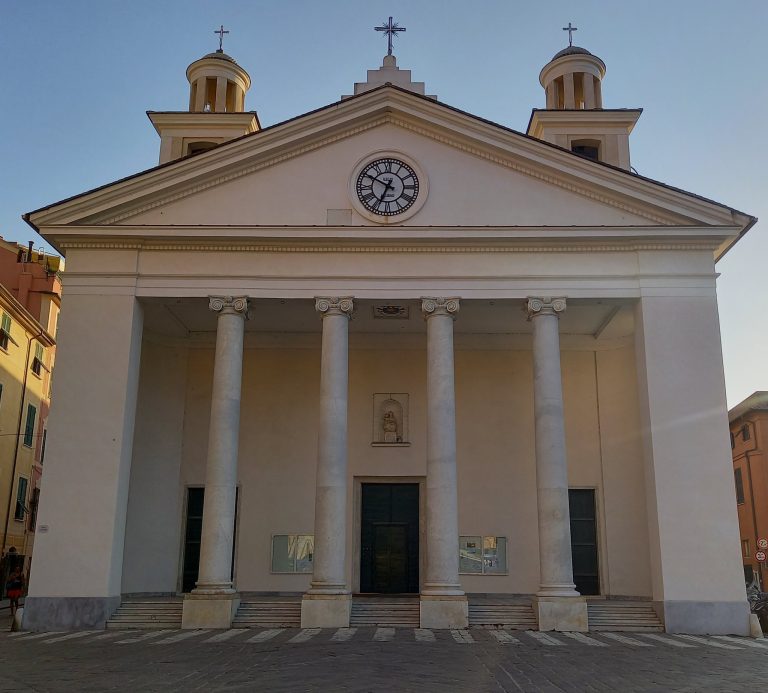
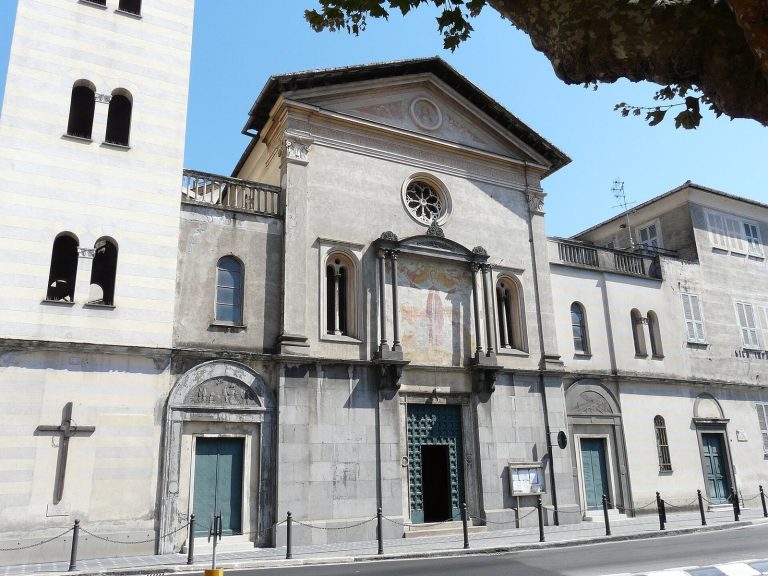
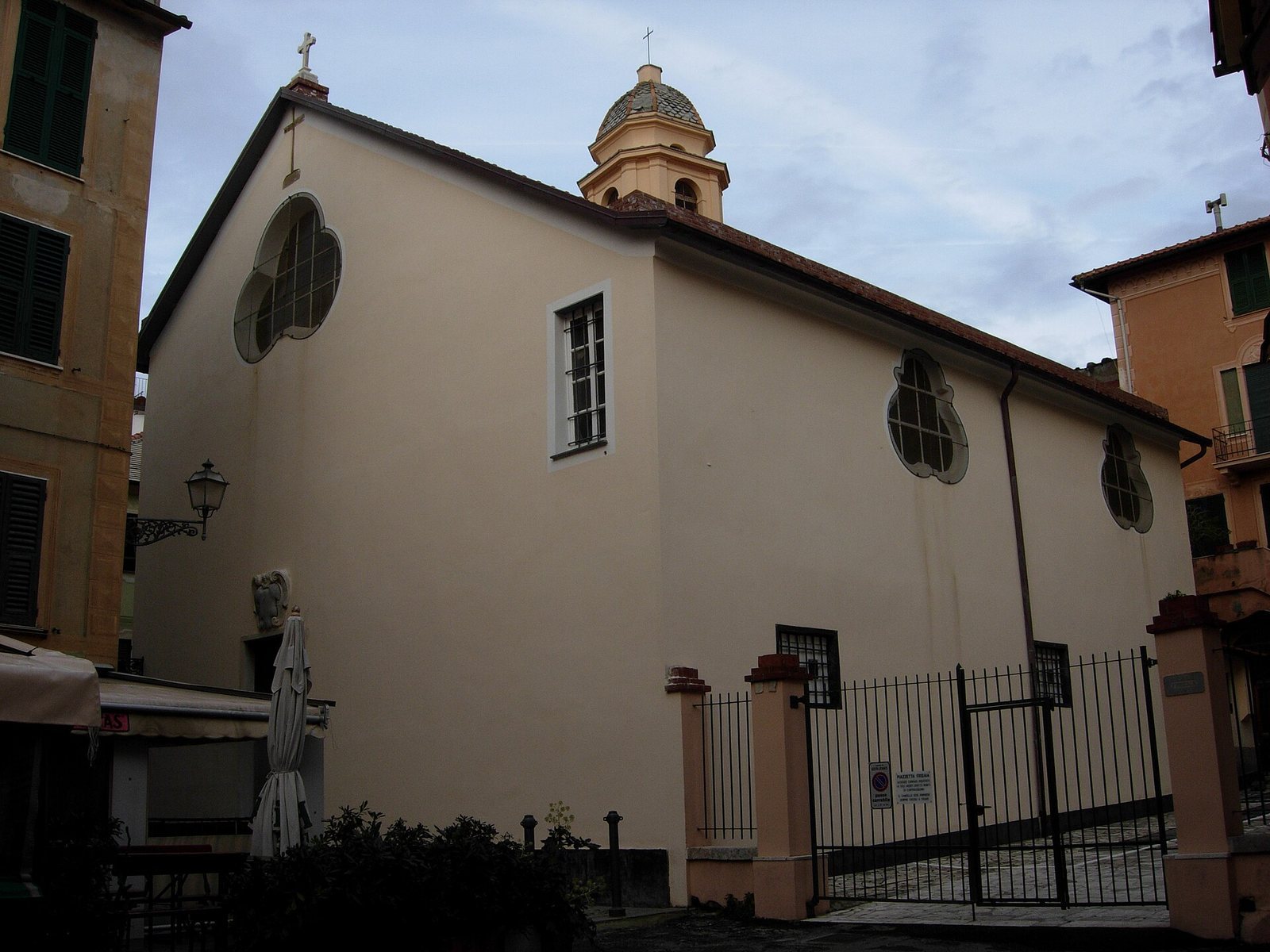
San Pietro in Vincoli Church is a Roman Catholic church of the Roman rite in Sestri Levante, Italy. Capuchin friars built it in 1640 with an attached convent. Its dedication to Saint Peter in Chains refers to the Christian tradition of Peter’s imprisonment and the chains associated with it, not to relics held by the church.
Capuchin foundation and transfer
As Sestri Levante grew, the friars found it increasingly difficult to maintain the isolation of their community. In 1686 they sold the complex to secular priests, meaning diocesan clergy who did not belong to a religious order. The agreement reserved the Capuchins’ artworks, furnishings, and other movable property for them.
Later changes and twentieth-century events
French rule under Napoleon Bonaparte brought the suppression of monastic and religious orders in territories under French control. The church complex underwent alterations and extensions in later centuries, particularly after this period.
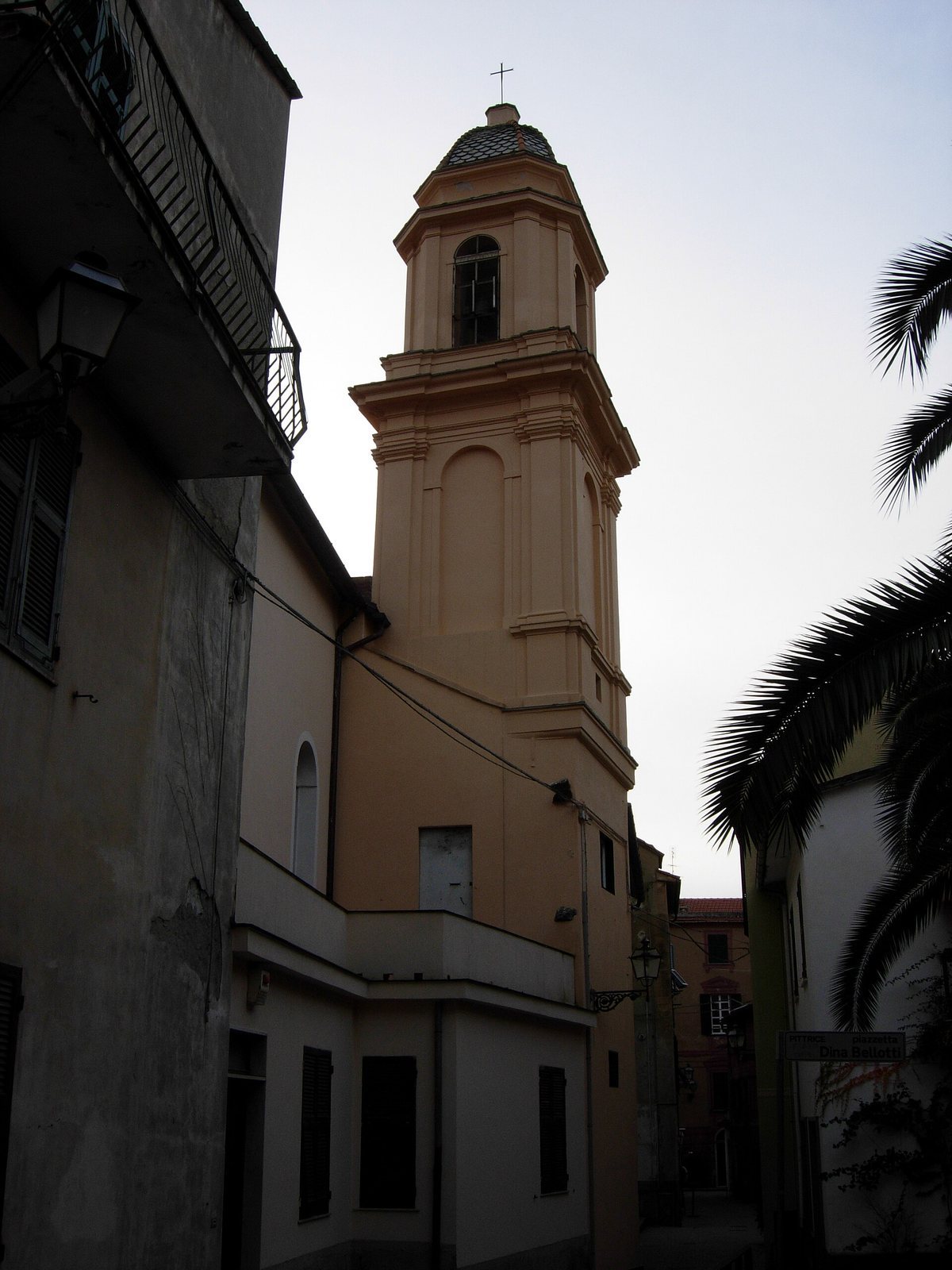
Bombing during the Second World War partly destroyed the Oratory of Saint Catherine in 1944. Its seat, furnishings, and substantial collection of religious art moved to the church in 1977. On 1 November 1951, an explosion in a neighboring building severely damaged the church. The blast was probably accidental and may have occurred at a nearby depot for explosive material. It also collapsed nearby houses, uncovering a forgotten medieval tower, now called Torre dei Doganieri. Clearing the debris created Piazzetta Dina Bellotti, from which the tower is visible. Restoration work on the church and its deteriorated bell tower began later.
Remains
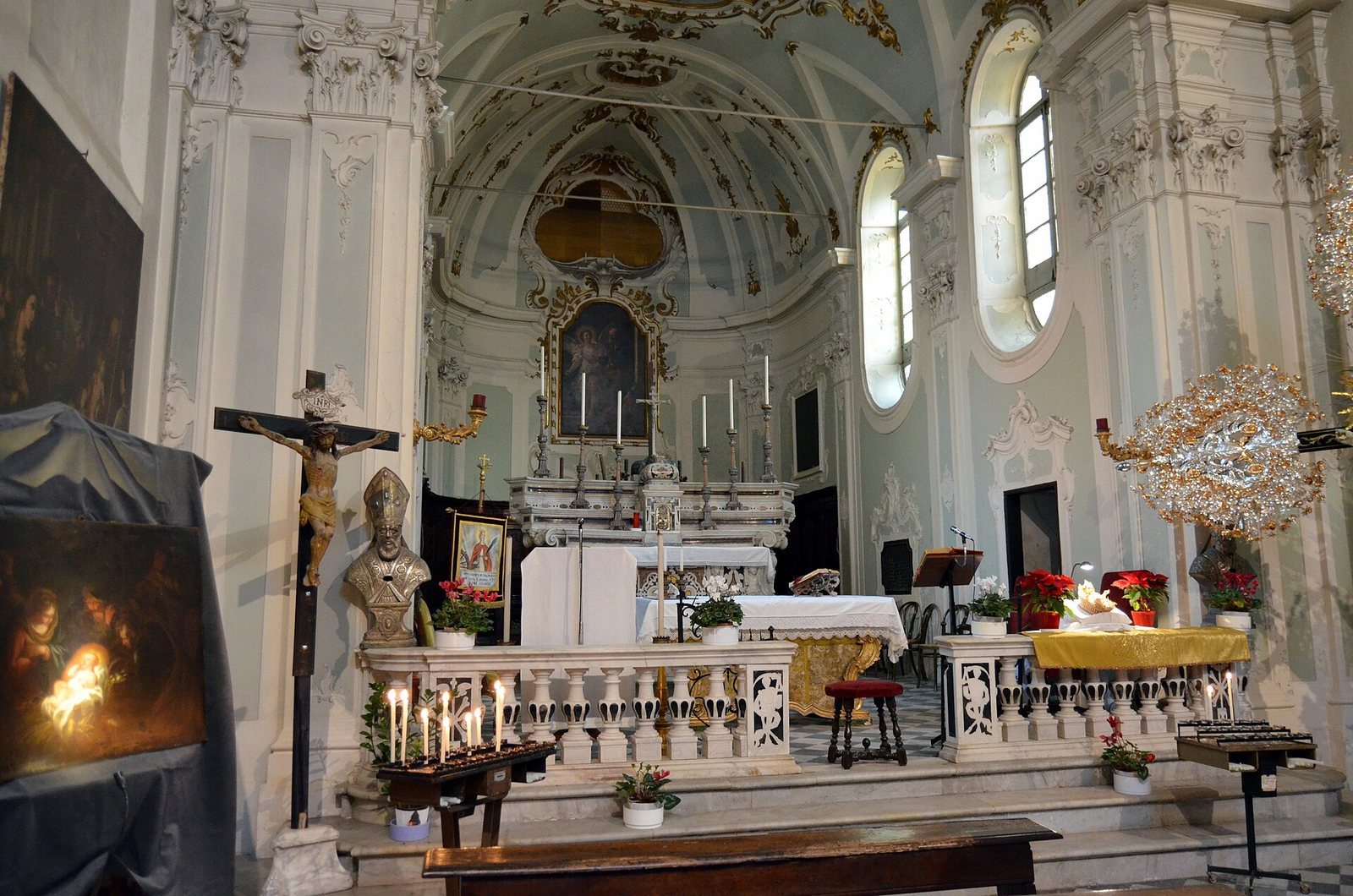
The church has a single rectangular nave, the main body of the building, ending in a rounded altar area. Internal chapels line the side walls, with eighteenth-century decoration and stucco, or decorative plasterwork.
Painted decoration
Giuseppe Galeotti painted a fresco, a picture made on wet plaster, of Saint Peter in Glory on the vault in 1751. His fresco in the apse depicts Saint Peter in Chains. A seventeenth-century fresco on the left wall shows the Madonna and Child with Saints Teresa of Ávila and James of Compostela; its painter is unknown.
Side chapels
First chapel
The first chapel contains a wooden group by Genoese sculptor Anton Maria Maragliano depicting the martyrdom of Saint Catherine of Alexandria. Other works include a seventeenth-century banner with Saints Catherine, John the Baptist, and Nicholas; a sculpture of John the Baptist dated 1670; and a seventeenth-century painting of Christ in the Garden. A Madonna and Child painting belongs to the Byzantine religious art tradition.
Second chapel
The second chapel holds a processional crucifix by Giambattista Bissone, a sculptor associated with Genoese art, and a painting by Luca Cambiaso, a painter of the Genoese school, depicting Saints Catherine, John the Baptist, and Nicholas. It also contains a painting of the Circumcision by an unknown artist, a depiction of Christ at the Column attributed either to Cambiaso or Cesare Corte, and a Deposition attributed to Corte.
Bell tower
The bell tower holds three bells whose peal is tuned to a lowered B3, following a pattern close to a minor mode. Angelo Picasso cast the first and third bells in 1826, though his name appears only on the largest. The Francesco Picasso foundry in Recco cast the second bell in 1903. The 1951 explosion left one bell without its clapper. The striker fell onto a lower roof and lodged in a beam, while the bell tilted 45 degrees with its mouth facing outward from the bell chamber. This position remained visible until restoration began.