Paaso Hillfort: A Karelian Refuge in Russia
Site at a Glance
- Popularity
- High
- Country
- Russia
- Primary era
- Medieval
- Eras represented
- Medieval
- Civilizations
- Unclassified
- Site type
- Military
- Remains
- Fortified Town
On this page8 sections
History
Origins and refuge
Paaso Hillfort is a fortified site on Mount Paasonvuori in Russia, associated with the ancient Karelians, a Finnic people historically linked with Karelia. Archaeologists date the hillfort mainly to the 12th and 13th centuries, though it may have existed earlier, perhaps during the Viking Age, a period of northern European history spanning the late 8th to 11th centuries. People speaking Finno-Ugric languages, a grouping that includes Finnic languages, inhabited the surrounding area by the 7th and 8th centuries, but this regional evidence does not establish that the hillfort was occupied then.
Paaso served chiefly as a refuge for local people in times of danger, rather than as a permanent settlement. The origin of its name is uncertain. Suggested explanations link it to a Finnish form derived from the Russian word pogost, historically used for a rural district or a churchyard and settlement, to a word meaning “flat stone” or “slab,” or to a family named Paaso. Similar surnames, including Paasio, are common in Finland today.
End of use and investigation
The hillfort remained in use until the 14th century. Traces of fire suggest that its residents may have died there or left in haste. Finnish archaeologist Otto Appelgren discovered Paaso in the 1880s, and archaeologist S. I. Kochkurkina led the principal excavations in the 1970s. Russia designates the site a cultural heritage site of federal significance.
Remains
Setting and defenses
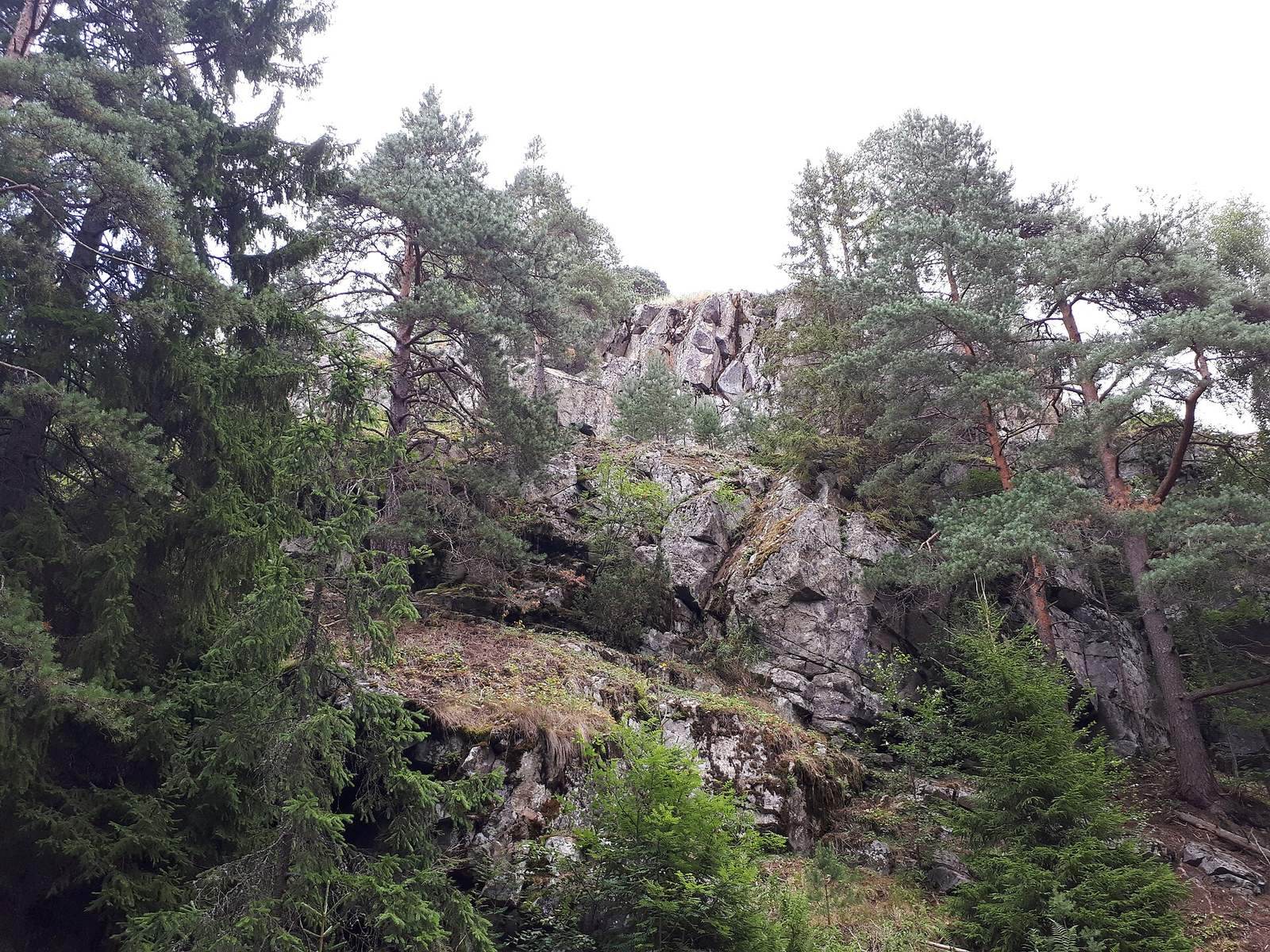
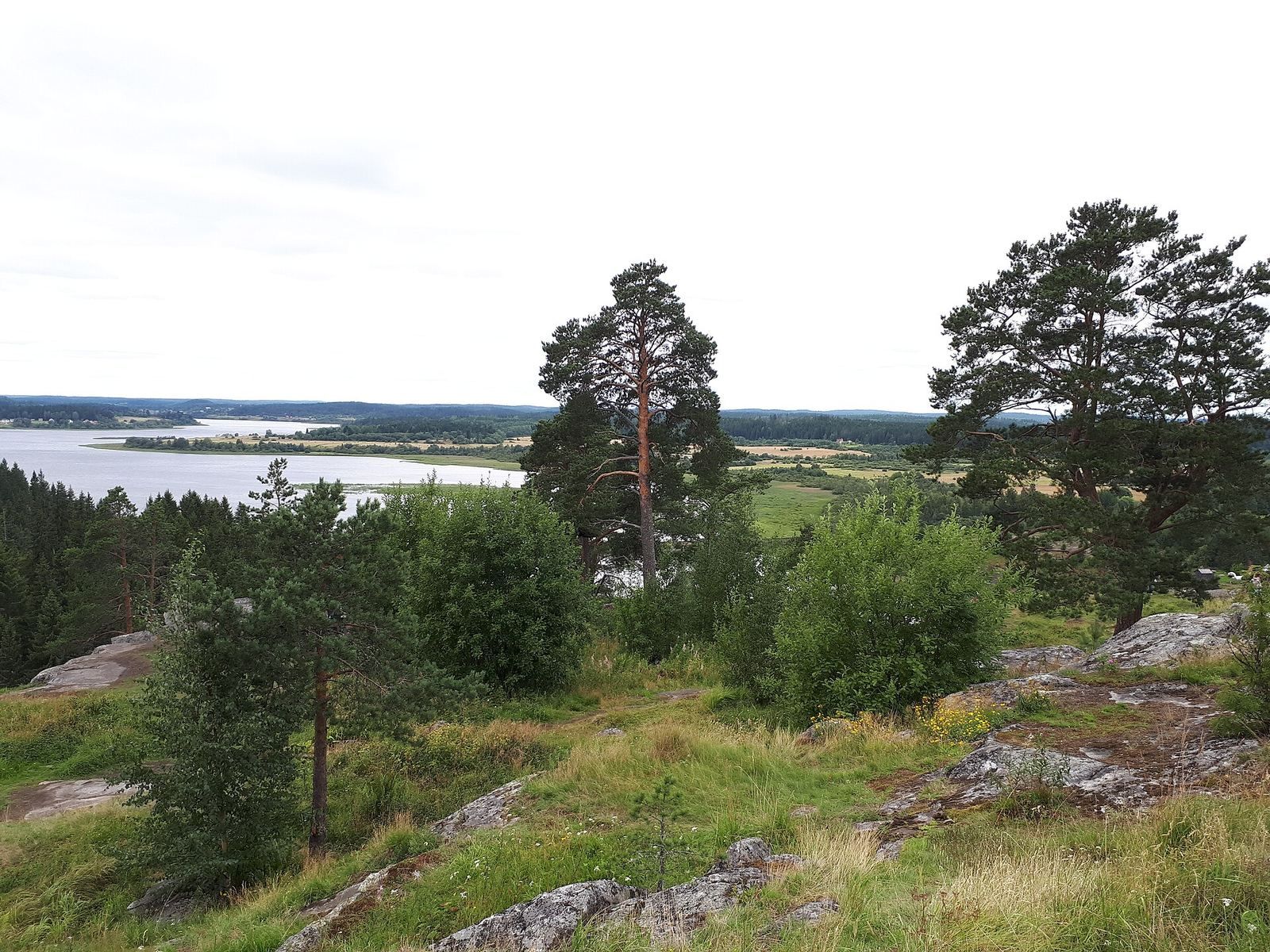
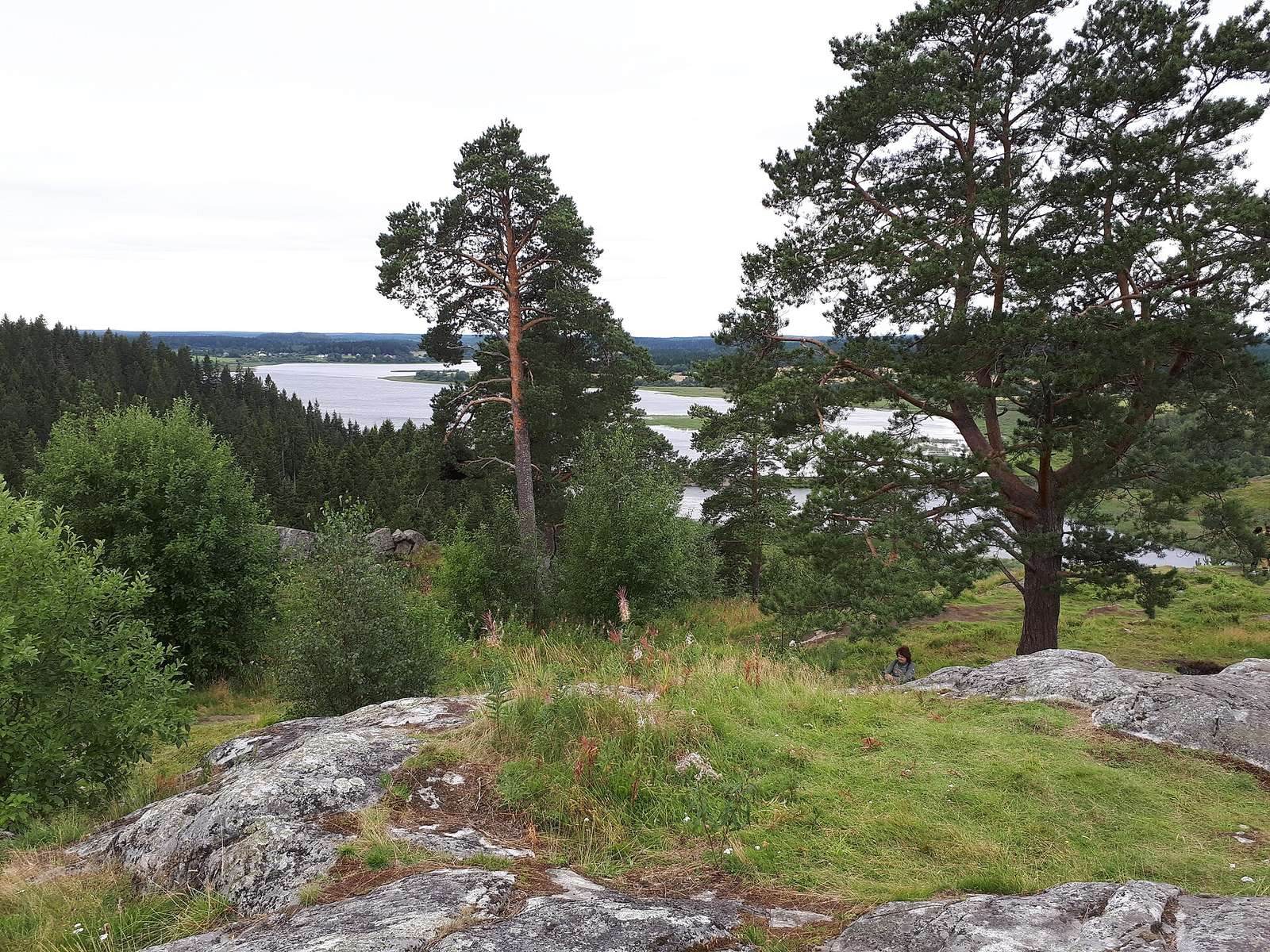
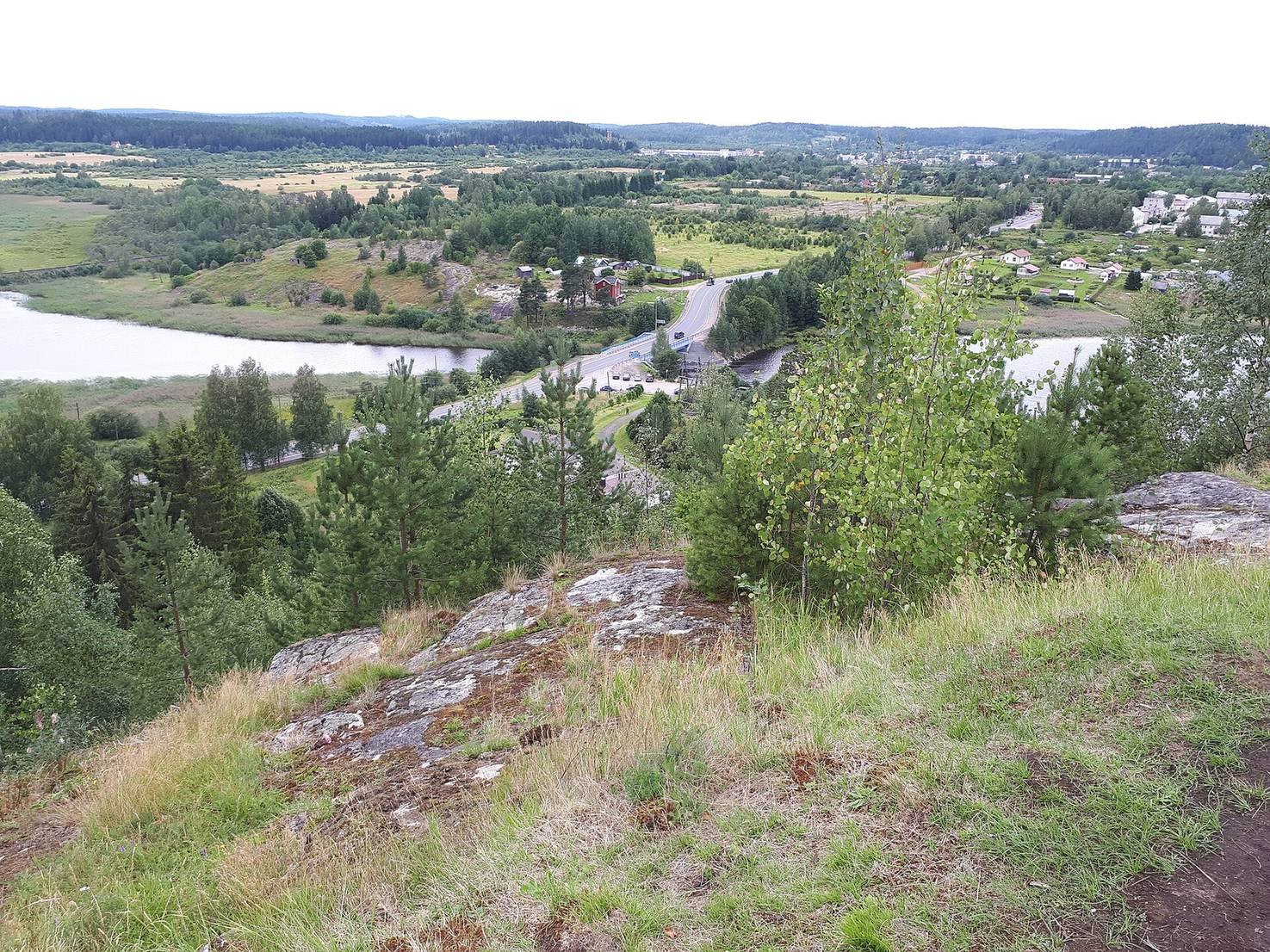
The hillfort occupies a high rocky outcrop on Mount Paasonvuori, beside Lake Karmalanjärvi and the Helylänjoki River. Its area is about 1,000 square metres. A gently sloping path climbs the southern side to the summit, where the entrance stood. A rampart and wooden gate defended this approach, while a rampart of stone slabs protected the eastern part of the site.
Dwelling area and finds
Dwellings
Seven excavated dwellings stood across the summit in a staggered arrangement, interpreted as having a defensive purpose. Their foundations consisted of small stones laid without mortar, and each had a round hearth inside. The upper sections were timber, built using logs. The hillfort could provide temporary shelter for as many as 100 people.
Excavated finds and forge
Finds include several dozen pottery fragments, arrowheads and spearheads, part of a sword, numerous pieces of jewelry, household equipment, and vessel remains. A forge at the site suggests that people may have made or repaired weapons, including arrowheads and spearheads, during a siege.