San Bernardino: A Church and Former Franciscan Monastery in Chiavari, Italy
Site at a Glance
- Popularity
- Low
- Country
- Italy
- Primary era
- Early Modern
- Eras represented
- Medieval, Early Modern
- Civilizations
- French, Genoese
- Site type
- Religious
- Remains
- Monastery
On this page10 sections
History
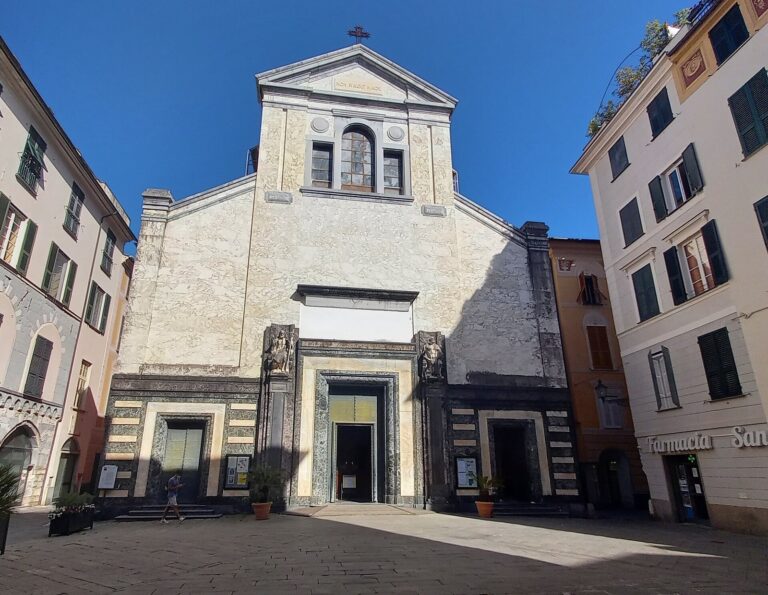
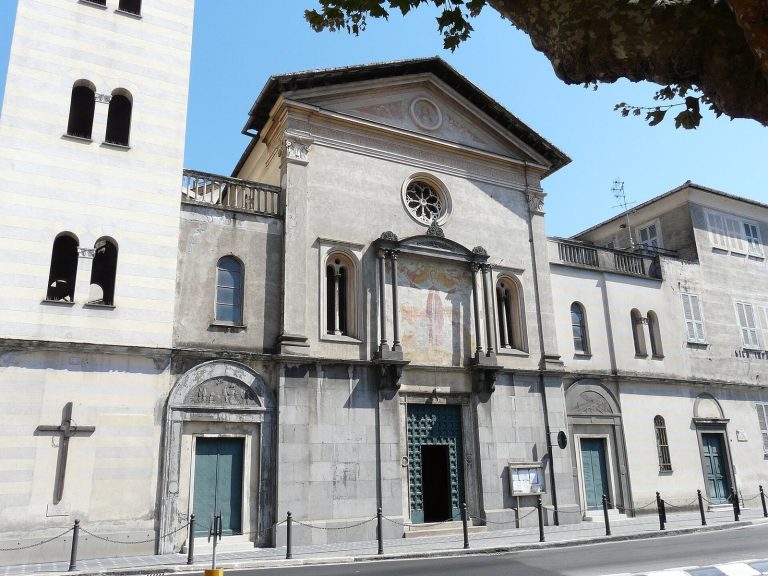
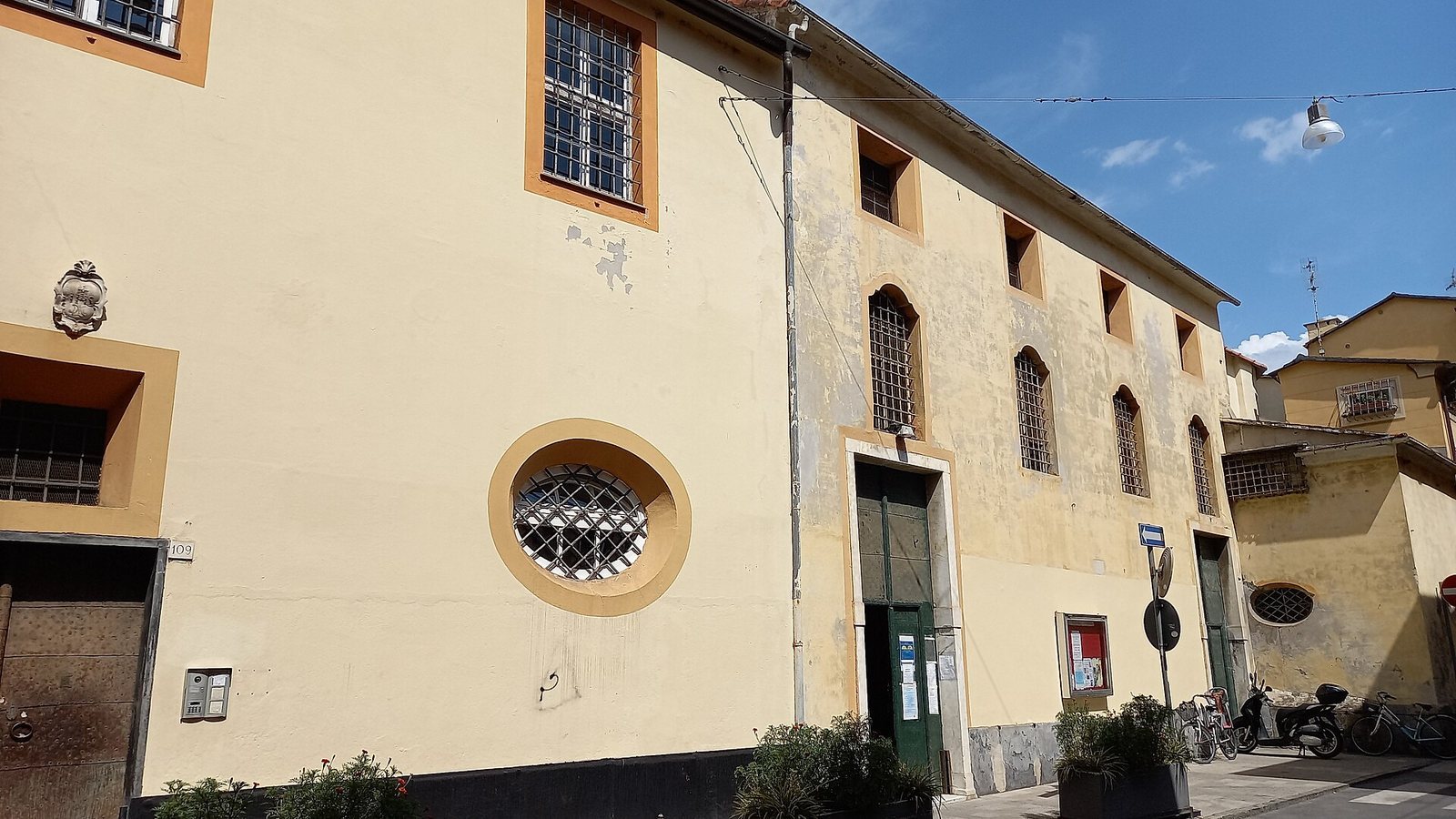
San Bernardino is a Roman Catholic church and former monastery in Chiavari, Italy. The Franciscan complex developed from the House of Mercy established in 1355 and reached completion in 1674, with alterations continuing afterward.
Franciscan foundations and the House of Mercy
A manuscript written in 1674 by Chiavari annalist Agostino Busco places the foundation of the first Franciscan convent near Capoborgo in 1216 and attributes it to Francis of Assisi, founder of the Franciscan movement. The convent later incorporated the Cadè, an older monastic hospice that received travelers and pilgrims. Conventual Franciscan friars, a branch of the Franciscan order, occupied the site until 1274, when they moved to the nearby Church of San Francesco. Franciscan tertiaries, members of the movement’s Third Order, then took their place.
In 1355, Oberto Beninsegna built a House of Mercy beside the Cadè to welcome pilgrims and care for the sick. After its last administrator, Tommaso Dallorto, died in 1424, Archbishop of Genoa Pileo de Marini entrusted the house to Franciscan tertiaries. Following Bernardino of Siena’s passage through Chiavari, the women adopted his rules and habit. In 1445, Master Paolo Cordemeliore of Moneglia purchased adjoining land. A chapel dedicated to Bernardino was built there in 1455 and transferred to the tertiaries in 1489; it served temporarily as their residence before the complex was expanded.
Church and enclosed community
Construction of a new church began in the early 16th century. It was consecrated to Bernardino in 1511, when the archdiocese’s vicar general, Domenico Valdettaro, placed the saint’s relics in the main altar. In 1513, 34 nuns entered the enclosed community of the Order of Saint Clare, a women’s Franciscan order. Bishop Francesco Bossi of Novara visited in 1582.
The community’s growing needs led to changes and extensions during the 17th and 18th centuries, including a new convent built toward the hill. Further alterations continued through the 18th century and into part of the 19th.
Suppression and later use
Laws enacted under Napoleon, the French ruler of the late 18th and early 19th centuries, suppressed religious orders and ended the monastery’s cloistered life. The nuns left Chiavari, and their absence from the city lasted until the Second World War. From the second half of the 20th century, declining vocations and financial hardship led to the sale of much of the complex to private owners. The last nuns left in 1987, by which time parts of the monastery were deteriorating.
The church has also been used for Christmas celebrations in the Byzantine rite, a liturgical tradition used by several Eastern Christian churches. The observance falls on January 7 according to the Julian calendar, an ancient calendar still used by some Orthodox communities for religious dates. Those attending are mainly Ukrainian, Serbian, and Moldovan Orthodox communities from Chiavari and nearby areas.
Remains
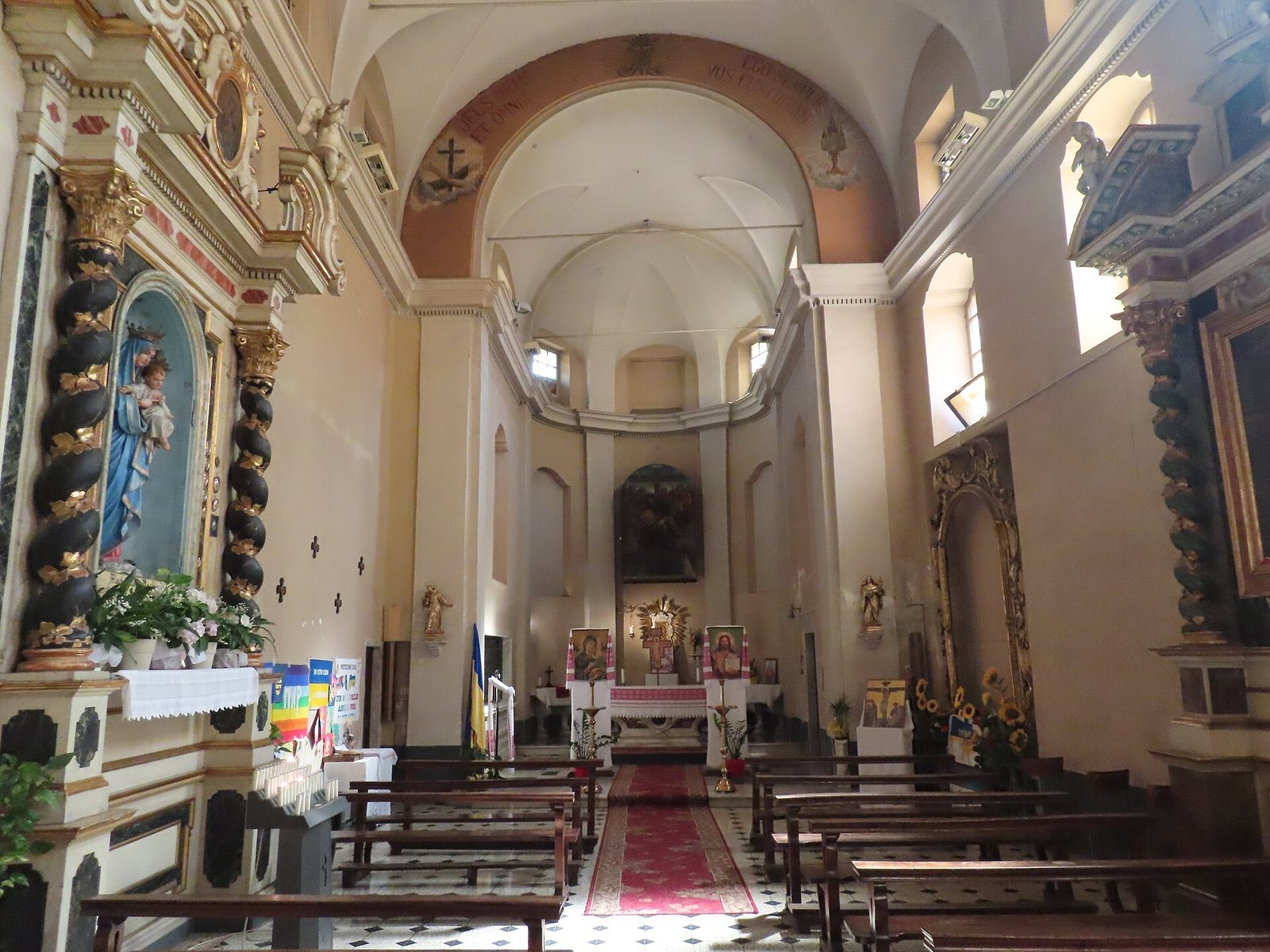
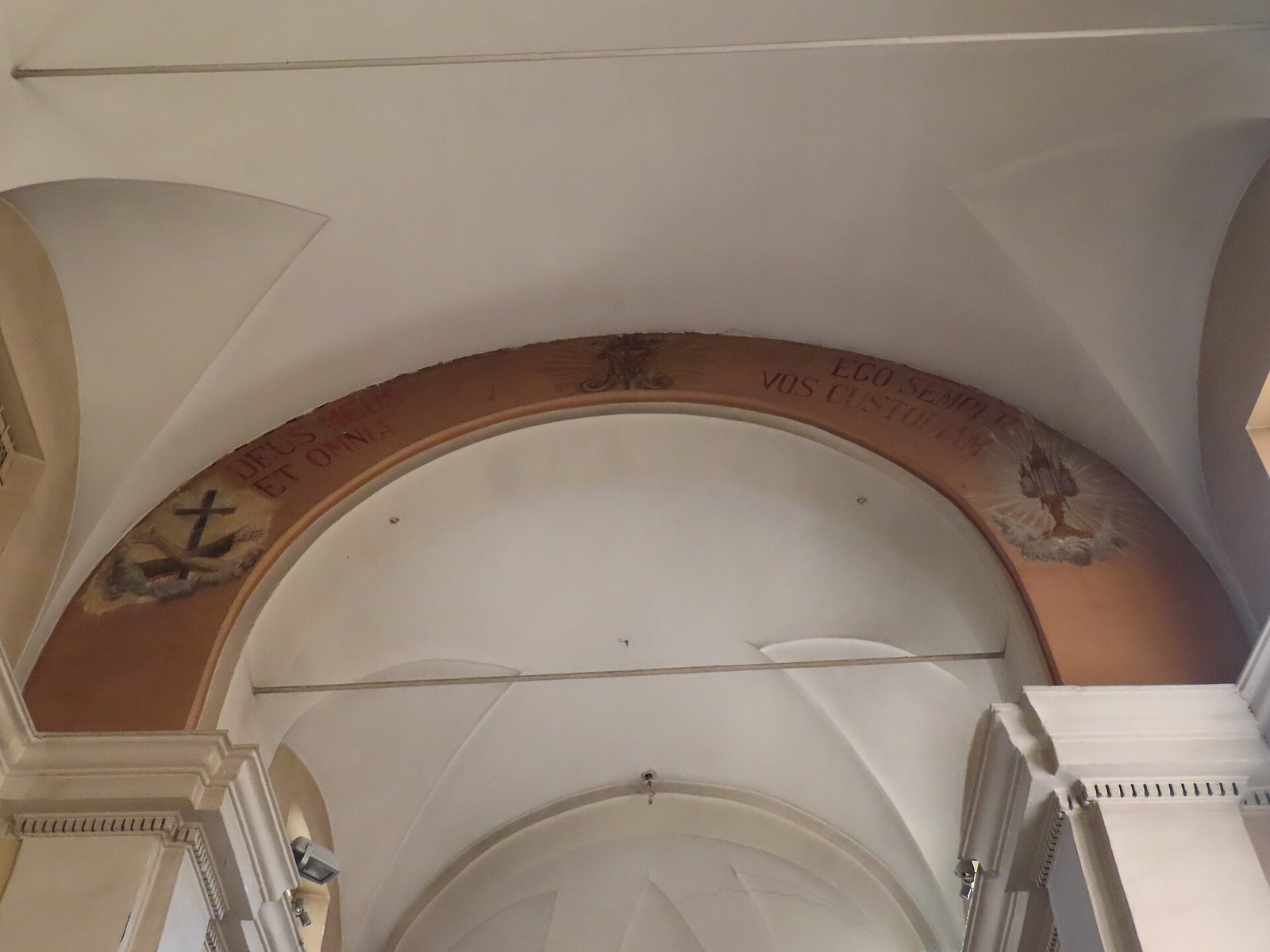
The church has a single nave, the main body of the building, with a presbytery, the area around the altar, at its eastern end. The interior contains a main altar and two side altars. The convent built toward the hill is enclosed by a perimeter wall that surrounds the hillside, and the wall remains visible. An inscription in the entrance hall reached from Via Entella gives the House of Mercy’s date as 1355.
Church furnishings and decoration
Main altar and painting
The main altar is dedicated to Bernardino and Clare of Assisi. Above it is a painting by Lorenzo Fasolo, dated 1508, of the Lamentation over Christ. The figures include Bernardino, Joachim and Anne, traditionally regarded as Mary’s parents, Francis of Assisi, Anthony of Padua, a Franciscan preacher, Christopher, traditionally associated with travelers, and Anthony the Abbot, an early Christian monastic figure. Clare appears at Jesus’s feet.
Right side altar
The right side altar is dedicated to Anne and holds a painting of her with the young Virgin Mary.
Left side altar
Built between 1667 and 1668 as a counterpart to the right altar, the left side altar is dedicated to Dominic, founder of the Dominican Order. It holds a statue of Our Lady of the Sacred Heart.
Frescoes
Fasolo painted frescoes depicting the life of Christ, commissioned by Vincenzo Rivarola. During work on the choir and roof in 1674, workers covered the paintings with a thick layer of lime. Part of the frescoes has since been uncovered and restored.