San Giorgio: A Roman Catholic Parish Church in Busalla, Italy
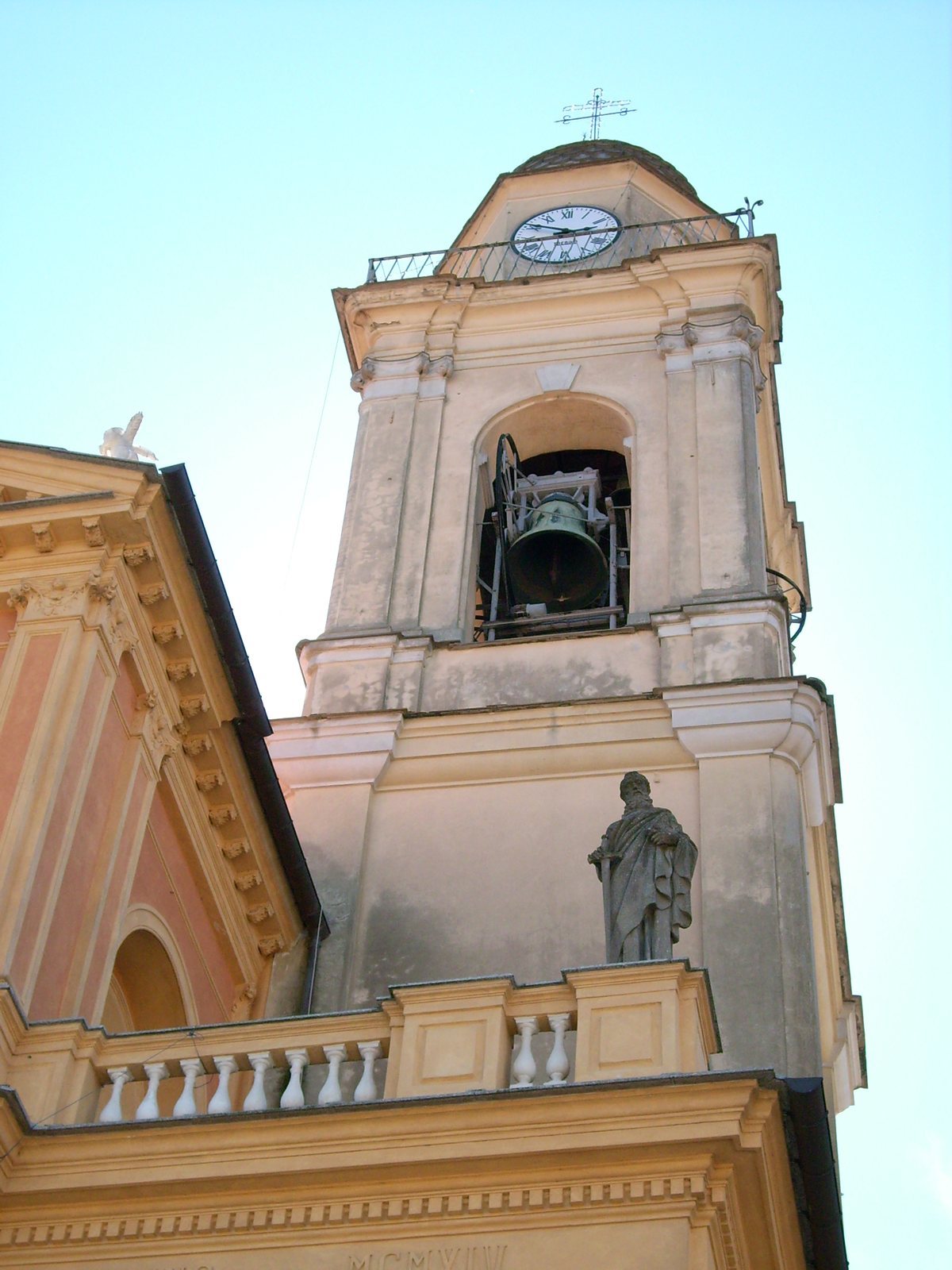
Site at a Glance
- Popularity
- Very Low
- Country
- Italy
- Primary era
- Modern
- Eras represented
- Early Modern, Modern
- Civilizations
- Genoese, Italian, Kingdom of Sardinia
- Site type
- Religious
- Remains
- Church
On this page12 sections
History
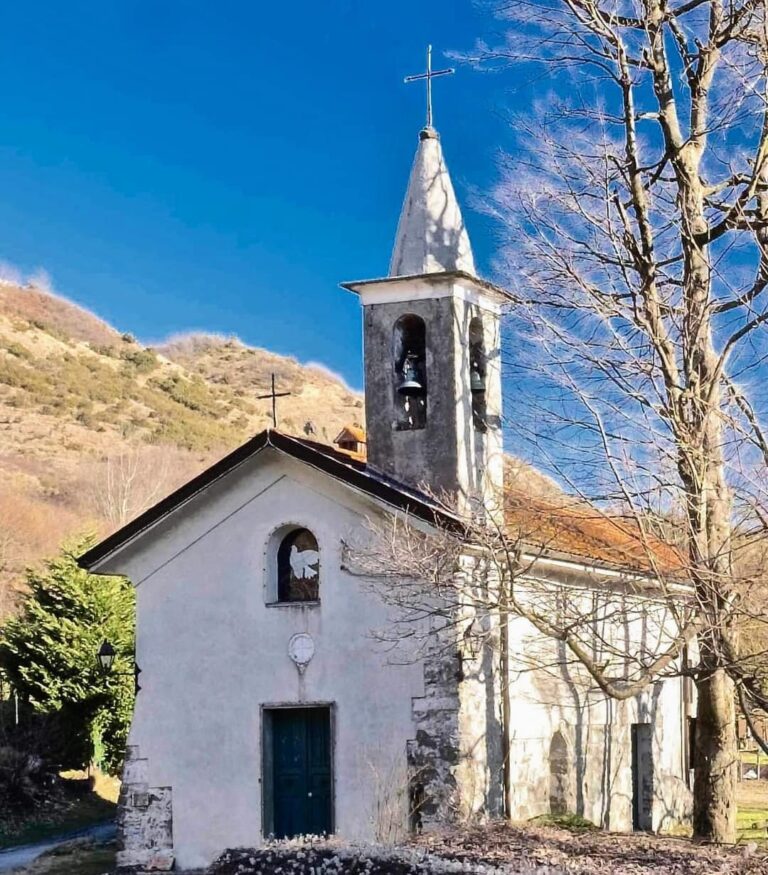
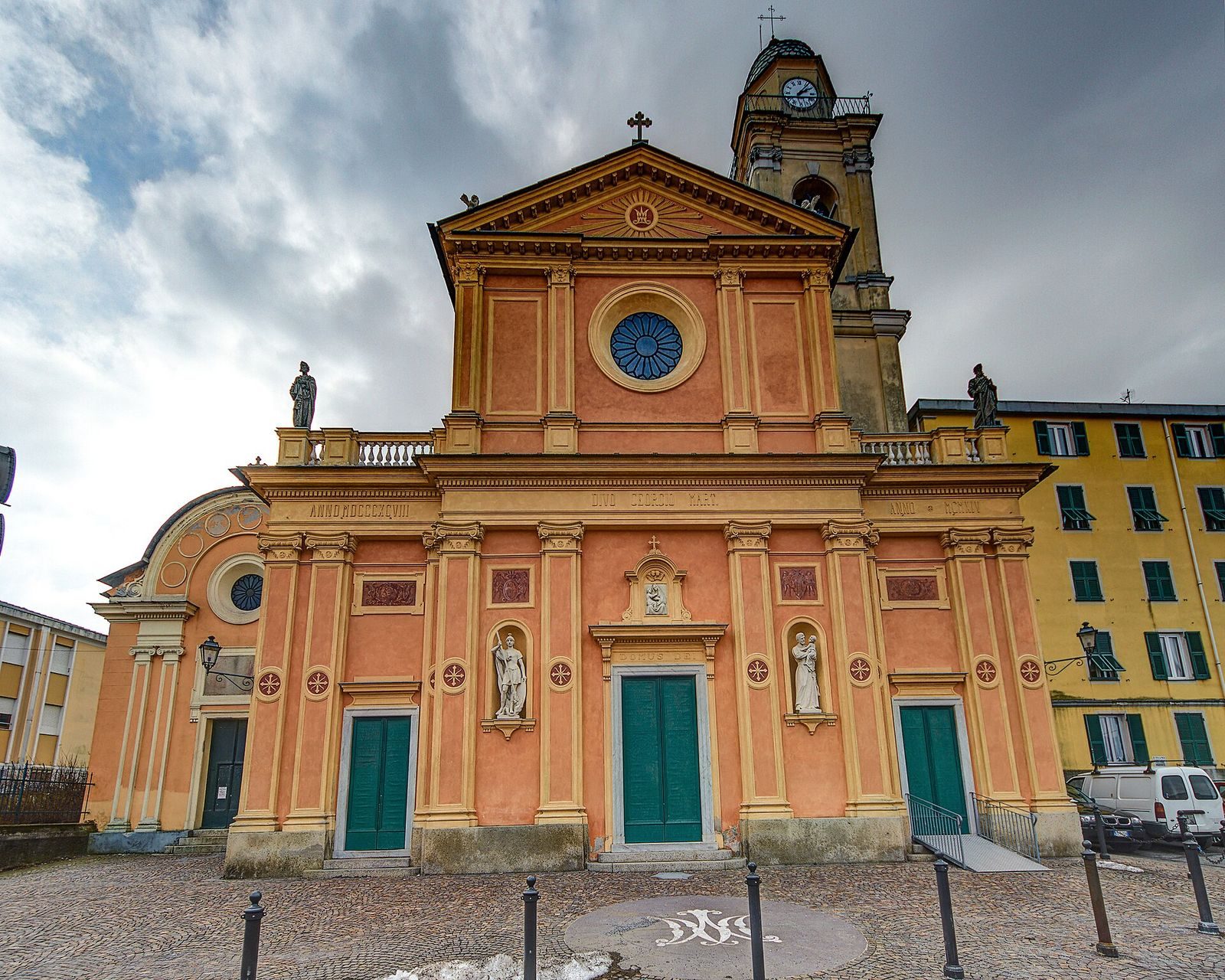
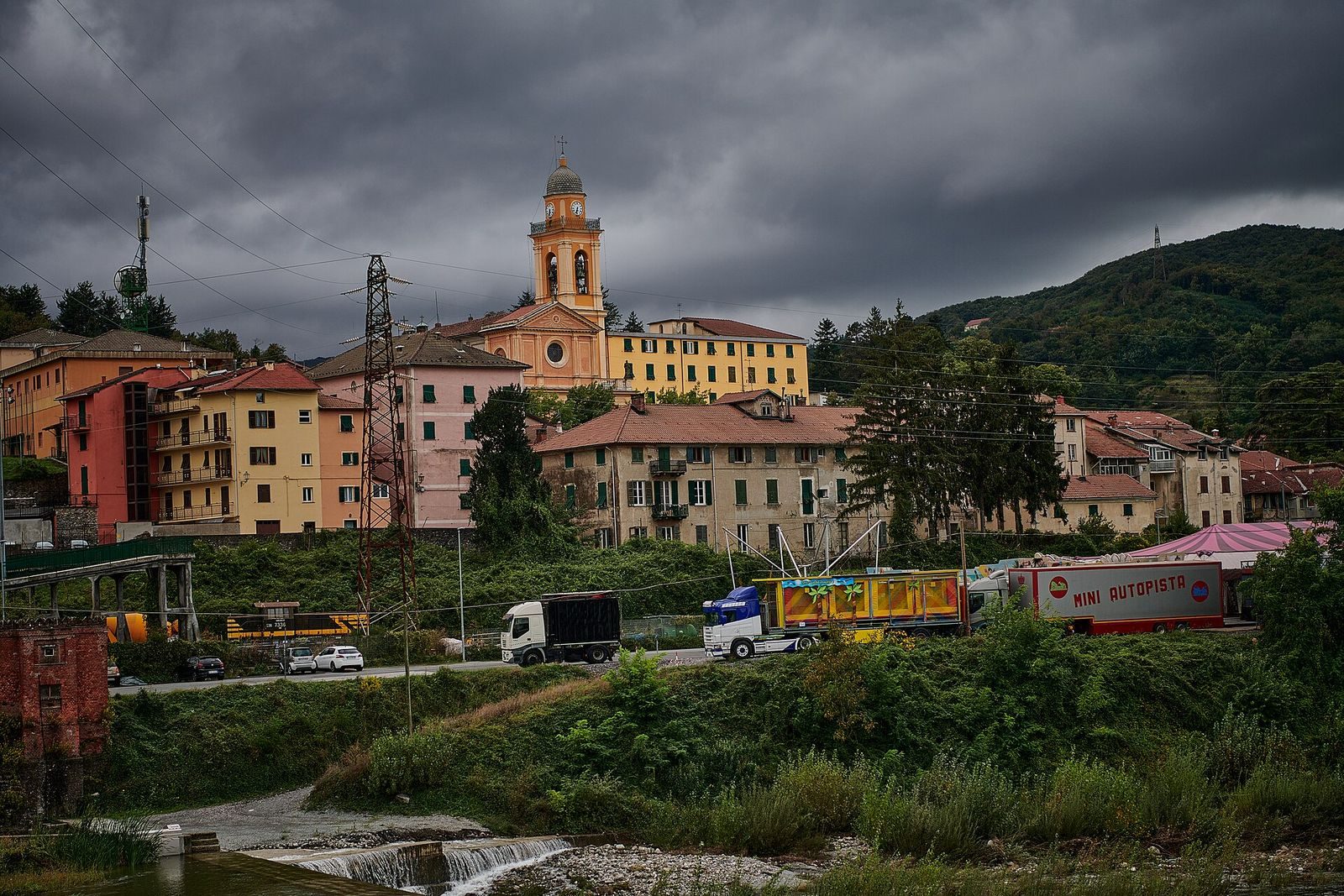
San Giorgio, also locally called San Giorgio de Ceta, is a Roman Catholic parish church dedicated to Saint George, an early Christian martyr, in Busalla, Italy. The present church took shape at its current location in the late sixteenth and early seventeenth centuries. It serves the parish of the same name in the Vicariate of Valle Scrivia, an administrative grouping of parishes within the Archdiocese of Genoa.
Earlier churches and the shared parish
A church dedicated to Saint George is attested by 966, when it depended on the monastery at Chiusa di San Michele near Turin. It has been identified as Busalla’s oldest religious building. A separate church of the same dedication stood in Sarissola, then the area’s principal settlement. It may have been founded in the ninth or tenth century by monks from the monastery of San Colombano at Bobbio, as a dependency of Precipiano Abbey. Pope Celestine III named it in a decree issued in 1196.
The Sarissola church served as the parish church while Sarissola and Busalla formed one parish, a relationship that ended in 1605. The combined parish later belonged to the Diocese of Tortona.
Establishment of the present church
Busalla’s residents received the consent of Matteo Gambara, Bishop of Tortona, to build a new church on 22 August 1596. On 31 December 1599, local resident Michelino Gatto, son of the late Busalino, donated land at Li Castellari, alongside other contributions from the community.
Construction began on 28 May 1600, when Guidone Blexio, a priest and archpriest of Bosco Marengo acting as a delegate of the Diocese of Tortona, laid the first stone. The Bishop of Tortona visited the church on 17 September 1605. It opened for worship on 31 October of that year and was also consecrated in 1605.
Jurisdiction, status, and later changes
After disputes between the clergy of Tortona and Genoa, San Giorgio came under the ecclesiastical jurisdiction of the Archdiocese of Genoa in 1615. A decree issued by Pope Paul V on 4 September 1620 appointed Vincenzo Ricci, a priest of the Diocese of Sarzana, as its first parish priest. The parish later belonged to the Vicariate of Santa Maria di Ceta, associated with Borgo Fornari, a hamlet of Ronco Scrivia. On 25 October 1647, Cardinal Stefano Durazzo, Archbishop of Genoa, made it independent; later archbishops confirmed the separation.
Archbishop Luigi Lambruschini granted the church the rank of provostship in 1822, an ecclesiastical dignity associated with a senior church official. Archbishop Tommaso Reggio elevated it to an archpriesthood, the office or rank of a senior priest, in 1893. The building was enlarged in 1828–1829, and work in 1903 gave it its present dimensions and appearance.
Remains
The parish church
Plan and interior
The church has a central nave, or main space, flanked by two side aisles. The central nave was repainted in August 1946.
Paintings
In the second bay, a section between structural supports, of the right aisle is Pietro Raimondi’s painting The Madonna Appears to Saint Cajetan. Raimondi was a pupil of the Genoese painter Domenico Piola. The left aisle contains depictions of Saint John the Baptist, Saint Anthony Abbot, and Mary Magdalene by Bernardo Castello.
The presbytery, the area around the altar reserved for clergy, contains two visibly repainted works by Giovanni Battista Carlone, Saint Paul and Plotilla and The Beheading of Saint Paul.
Adjacent structures and defensive remains
Oratory of Saint Bernard
The early seventeenth-century Oratory of Saint Bernard stands beside the church and has its own entrance. It is the seat of the Archconfraternity of Saint Bernard, a Catholic devotional association with a status above that of an ordinary confraternity.
Parish facilities
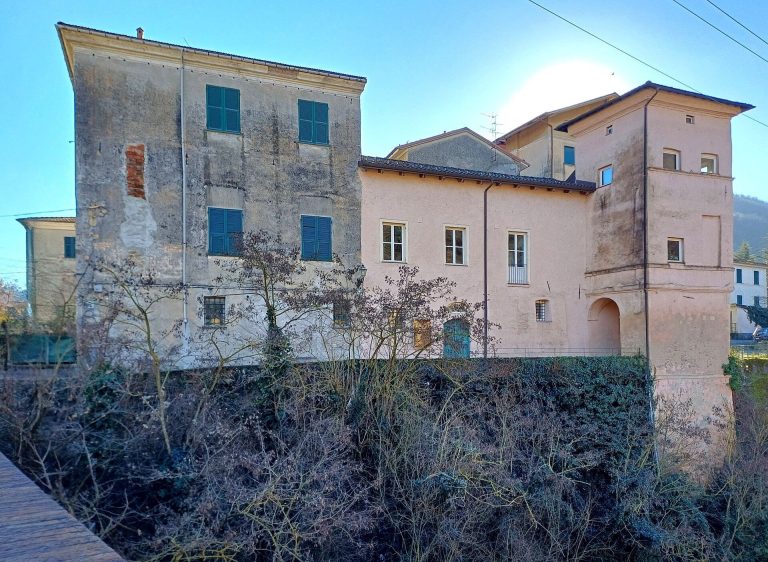
A building to the church’s right occupies the former site of Spinola Castle. It houses facilities for parish activities, including Catholic Action, a movement through which laypeople support the work of the Catholic Church. The priest’s residence is on the top floor.
Defensive tower
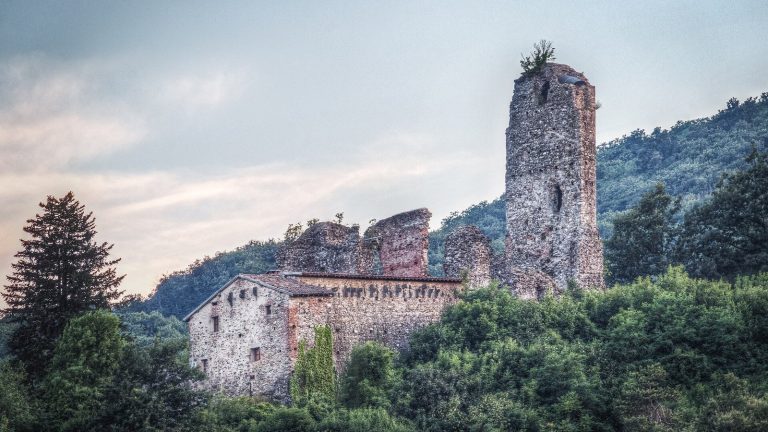
Near the oratory are remains of one of the two towers that formed part of Busalla’s old defensive walls. A stylized image of the tower appears on the town’s municipal coat of arms.