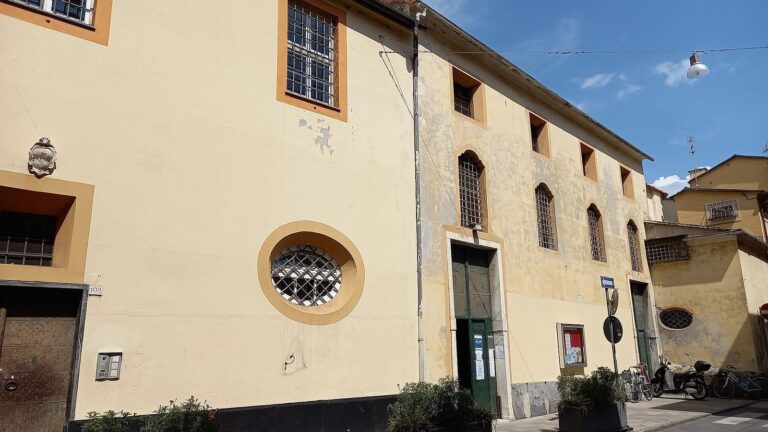
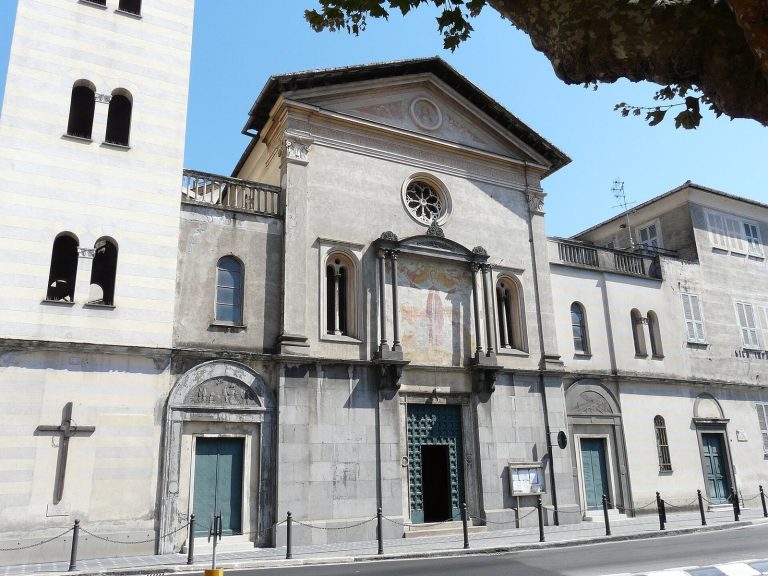
San Giacomo di Rupinaro: A Parish Church in Chiavari, Italy

Site at a Glance
- Popularity
- Low
- Country
- Italy
- Primary era
- Early Modern
- Eras represented
- Early Modern, Modern
- Civilizations
- Genoese, Italian
- Site type
- Religious
- Remains
- Church
On this page10 sections
History
San Giacomo di Rupinaro is a Roman Catholic church in Chiavari, Italy, founded between the eighth and ninth centuries, possibly by Benedictine monks who followed the Rule of Saint Benedict. It serves as the seat of its parish in the Chiavari-Lavagna vicariate, a subdivision of the Diocese of Chiavari.
Foundation and medieval rebuilding
The church was once called Saint James of the Sand. It stood beyond Chiavari’s medieval walls, facing the beach and exposed to attack. Its name, Rupinaro, may derive from either Ruina or Rovinale. The church suffered repeated destruction and looting. Catalan pirates attacked it in August 1331, and it was rebuilt in 1387.
Hospitaller administration
The Knights Hospitaller, a Catholic religious order that grew from a hospital brotherhood and later became known as the Order of Malta, established themselves at the church in 1427. They maintained a hospital there and administered the Rupinaro preceptory, an administrative center of the order, until 1799.
The Hospitallers transferred the church’s right of patronage, or recognized rights relating to a church or benefice, to the Vignolo family. The family held it until the first half of the fifteenth century, though the transfer date is uncertain. The grant may have been connected with Vignolo de’ Vignoli’s help in establishing the Hospitallers on Rhodes after their expulsion from Acre. De’ Vignoli was a Ligurian admiral in Byzantine service.
In 1799, the revolutionary Ligurian Republic, a republic formed in Liguria during a period of political upheaval, abolished religious orders and confiscated their property. This ended the Hospitallers’ administration of the preceptory.
Parish observances
The parish’s principal celebrations honor Saint James, one of Jesus’ apostles, on July 25 and Our Lady of Caravaggio, a devotional title of the Virgin Mary, on May 26. Every five years, the latter feast is marked by a more solemn procession through the parish streets. Devotion to Our Lady of Pompeii is also part of the parish’s religious life.
Remains
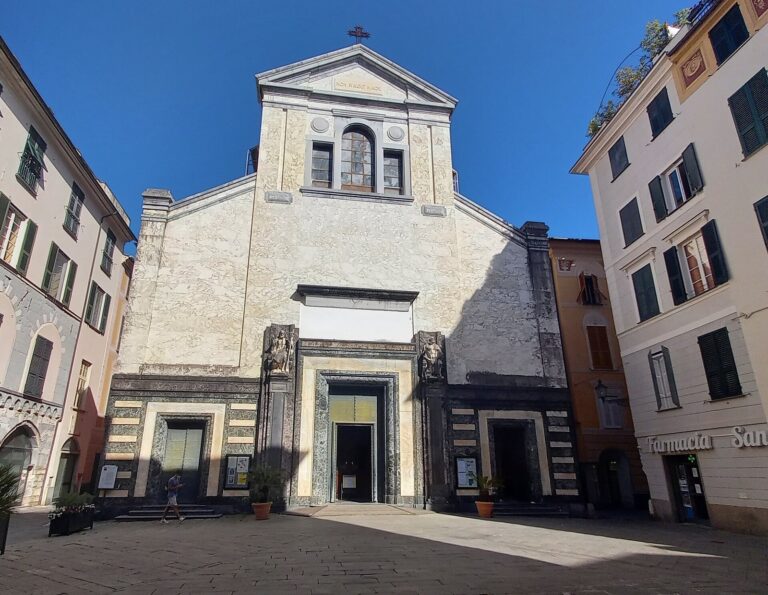
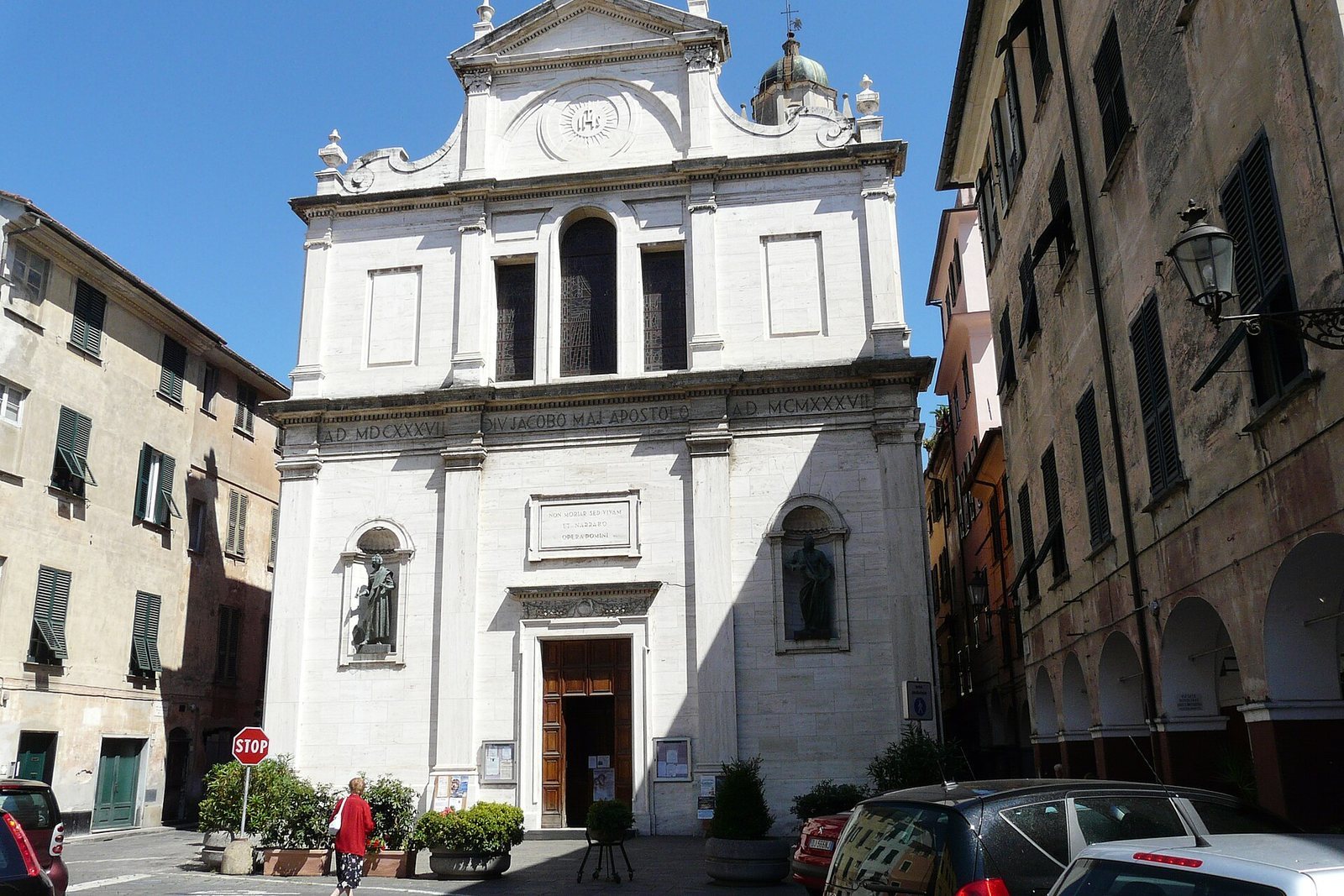
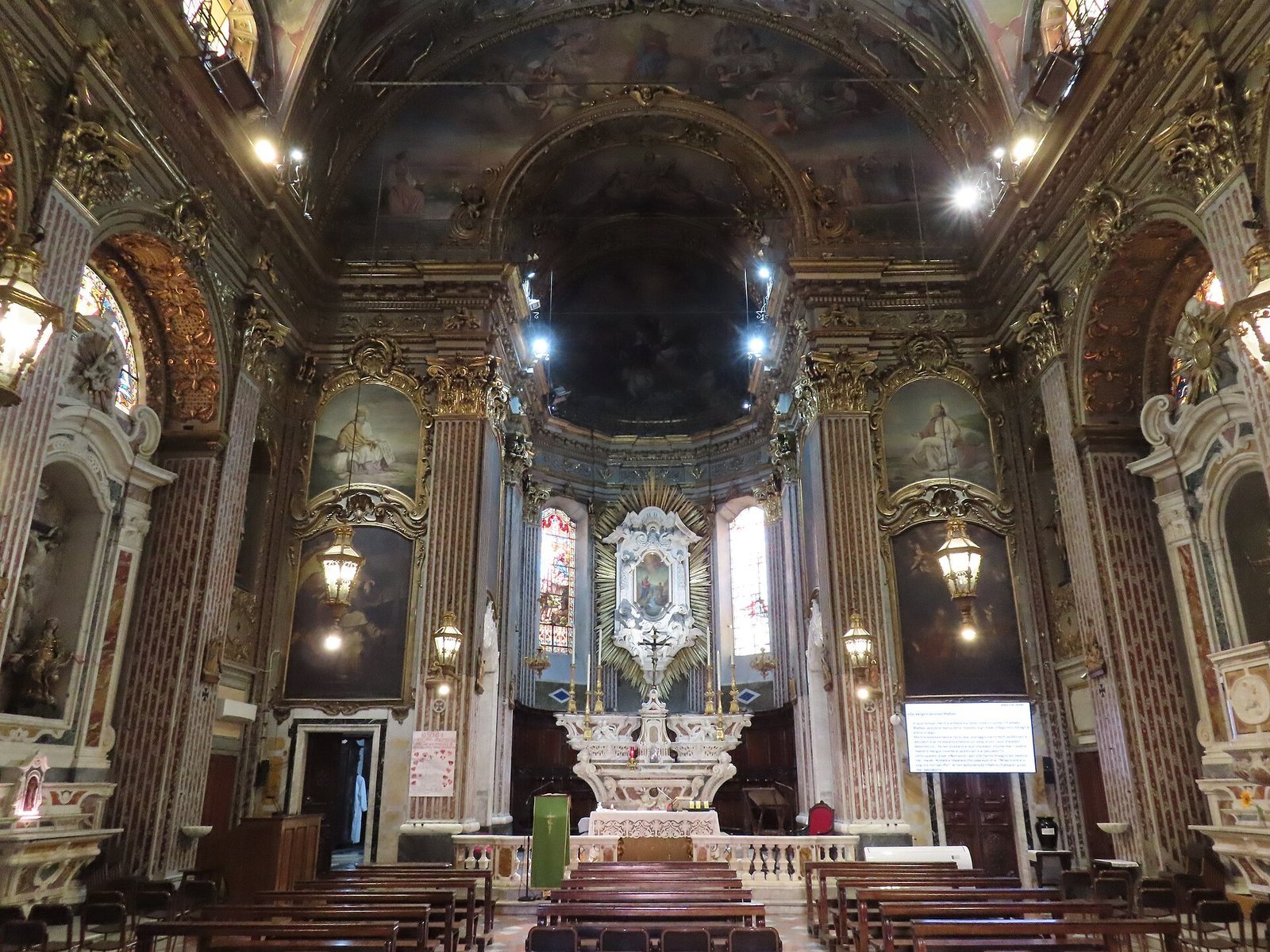
The church’s present form dates to 1637. It stands in Piazza San Giacomo in Chiavari’s Rupinaro district. Inside, a single nave brings together the high altar and the choir loft at the church’s entrance end.
Exterior
Façade and bell tower
The façade, built in 1938, has a modern style. Beside the church stands an eighteenth-century bell tower that houses five bells in D3.
Interior and furnishings
Altar and paintings
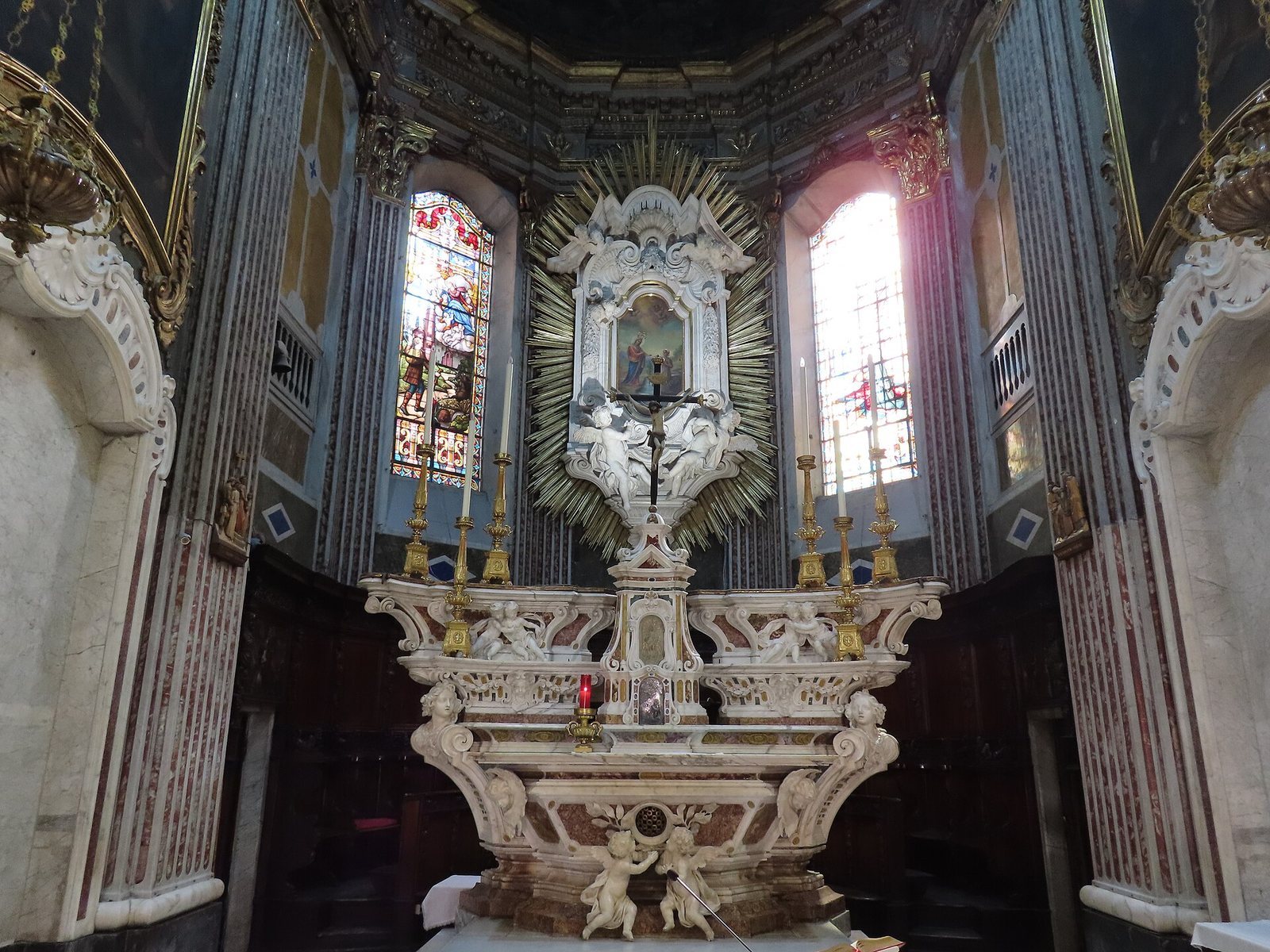
The high altar has a marble altarpiece by Genoese sculptor Francesco Schiaffino. The Baroque choir loft is decorated with eleven canvases by Giovanni Battista Carlone depicting episodes from the life of the apostle James. Two seventeenth-century paintings by Sebastiano Galeotti are also in the church: Tell Them to Sit and Christ Calling James and John to Follow Him.
Organ
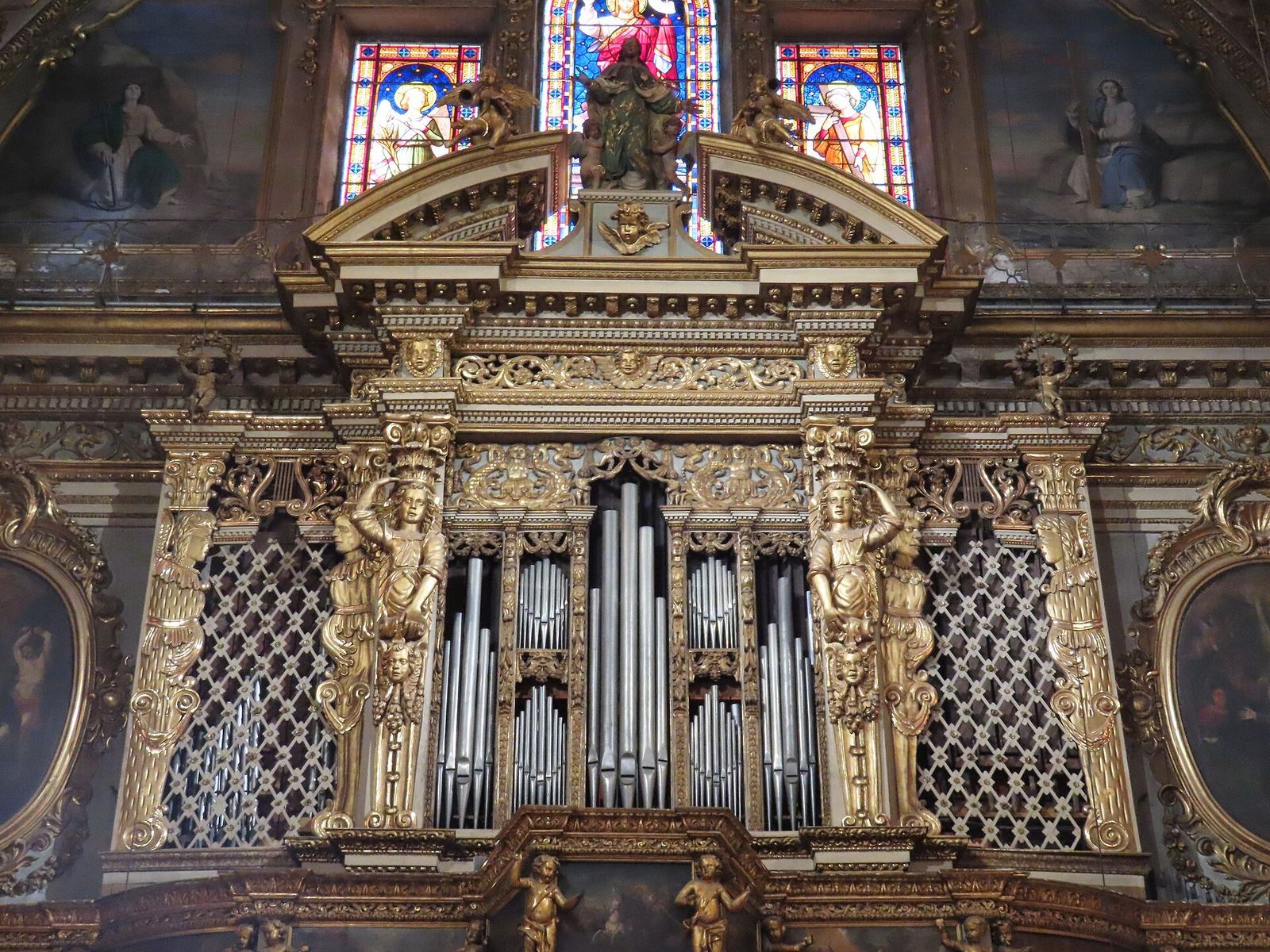
The church had an organ by 1710. An instrument built by Luigi Ciurlo-Roccatagliata in 1793 was succeeded by one made by Lorenzo Paoli in 1858, which was replaced in 1975. The present organ, built by the F.lli Marin firm of Genoa-Bolzaneto, stands on the choir loft at the counter-façade, the interior wall opposite the main altar. Its wooden case has five open bays, with 33 façade pipes arranged across them and an upward-pointing grouping of pipes in each bay. The console in the nave uses electro-pneumatic action, in which electrical controls operate pneumatic mechanisms. It has two hand-played keyboards with 61 keys each and a concave-radial pedalboard with 27 foot-operated pedals.