Sairyo Kofun: A Keyhole-Shaped Burial Mound in Japan
Site at a Glance
- Rating
- 3.9
- Popularity
- Very Low
- Country
- Japan
- Primary era
- Classical
- External website
- Open
- Eras represented
- Classical
- Civilizations
- Yamato
- Site type
- Burial
- Remains
- Burial Mound
On this page7 sections
History
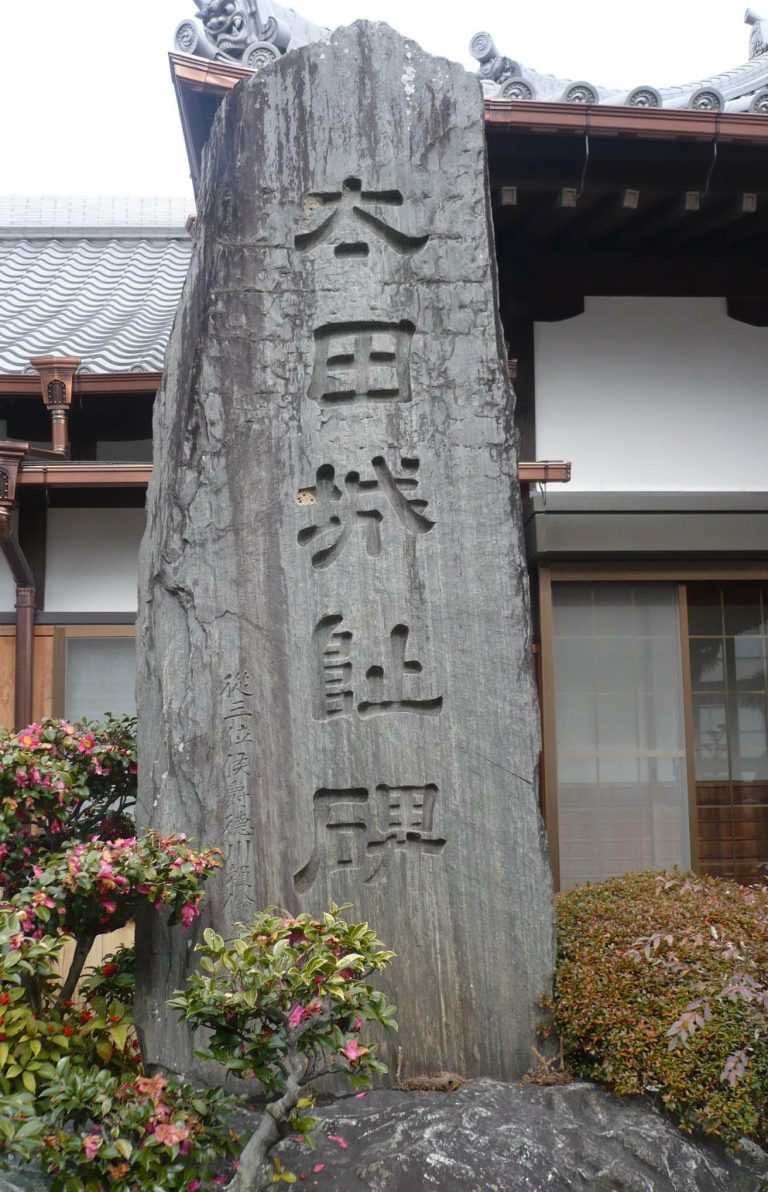
Sairyo Kofun, also called Nishi Nisanzai Kofun, is a large keyhole-shaped burial mound in Misaki, Osaka Prefecture, Japan. Built around AD 420–440 during the middle Kofun period, the era of monumental burial mounds in Japan from about the third to the sixth centuries, it is the largest mound in the Tannowa Kofun Group and ranks 28th nationally in scale.
Construction and regional connections
Sairyo Kofun predates Nishikoyama Kofun and Tannowa Nisanzai Kofun within the Tannowa group. Its haniwa production technique, represented by clay cylinders and figures placed on or around burial mounds, resembles that used in the Kinomoto Kofun Group on the Wakayama Plain. This connection points to close ties with the Kii regional power and the Kii clan, an influential ancient lineage associated with the Kii Peninsula and areas around present-day Wakayama and southern Osaka. It may also indicate that the builders of the Tannowa group controlled territory extending into the Kii Peninsula.
Burial traditions and later recognition
The identity of the person buried at Sairyo Kofun remains uncertain. One interpretation connects the tomb with Ki no Oyumi, a fifth-century military commander described in the Nihon Shoki, an early eighth-century chronicle of imperial history, warfare, court traditions, and legendary events. The chronicle says that Ki no Oyumi led a campaign against Silla, an ancient Korean kingdom, died there from illness, and was ordered by Emperor Yuryaku to be buried at Tamuwa no Mura, a place identified with Tannowa.
Other traditions associate the mound with Ki no Funamori, who lived from 731 to 792, or with the legendary figure Inishiki-iri-hiko-no-mikoto. The attribution to Ki no Funamori does not correspond with the mound’s fifth-century construction date. One interpretation assigns either Sairyo Kofun or Udo-haka Kofun to Ki no Oyumi and the other to Ki no Funamori.
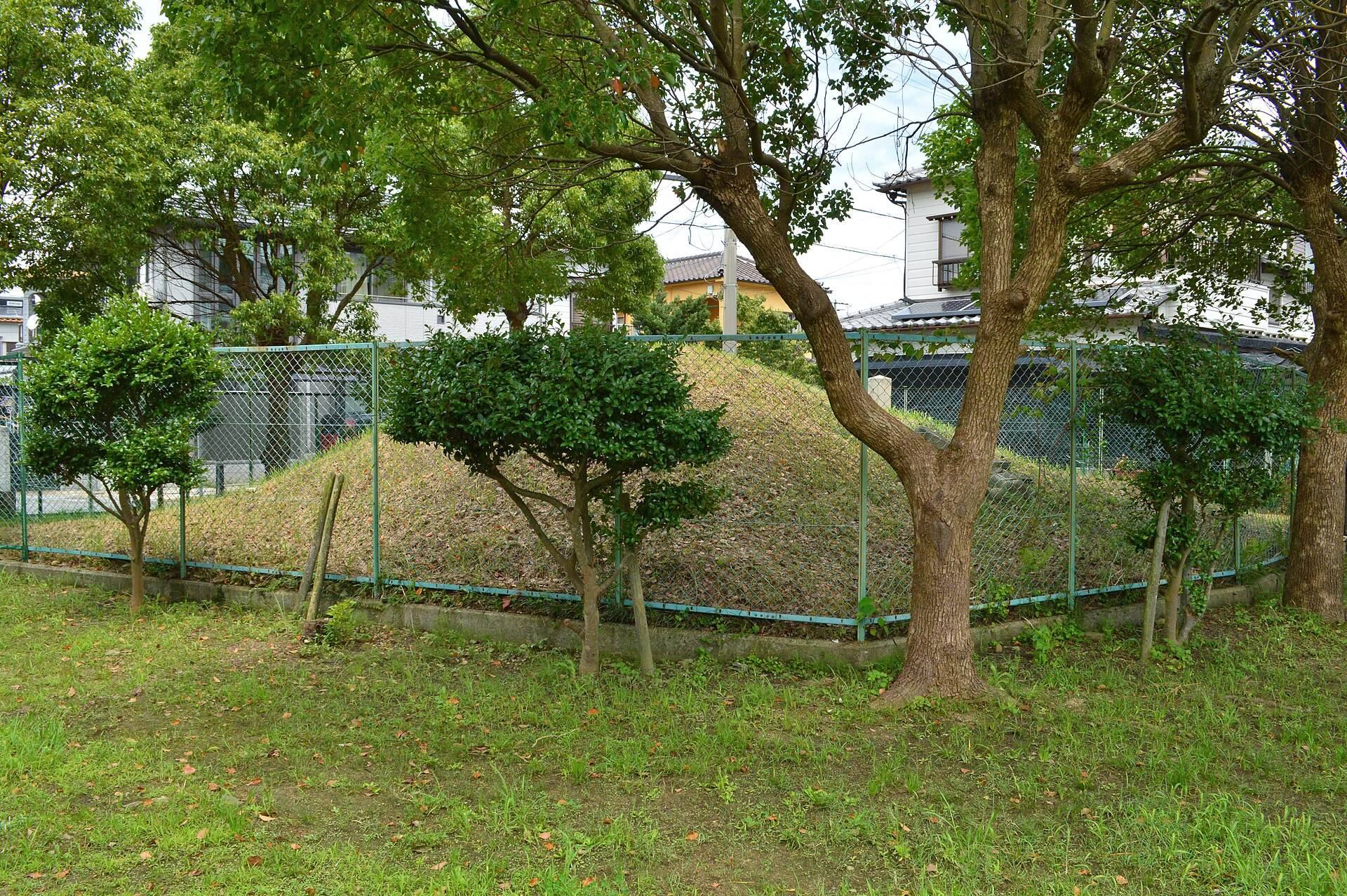
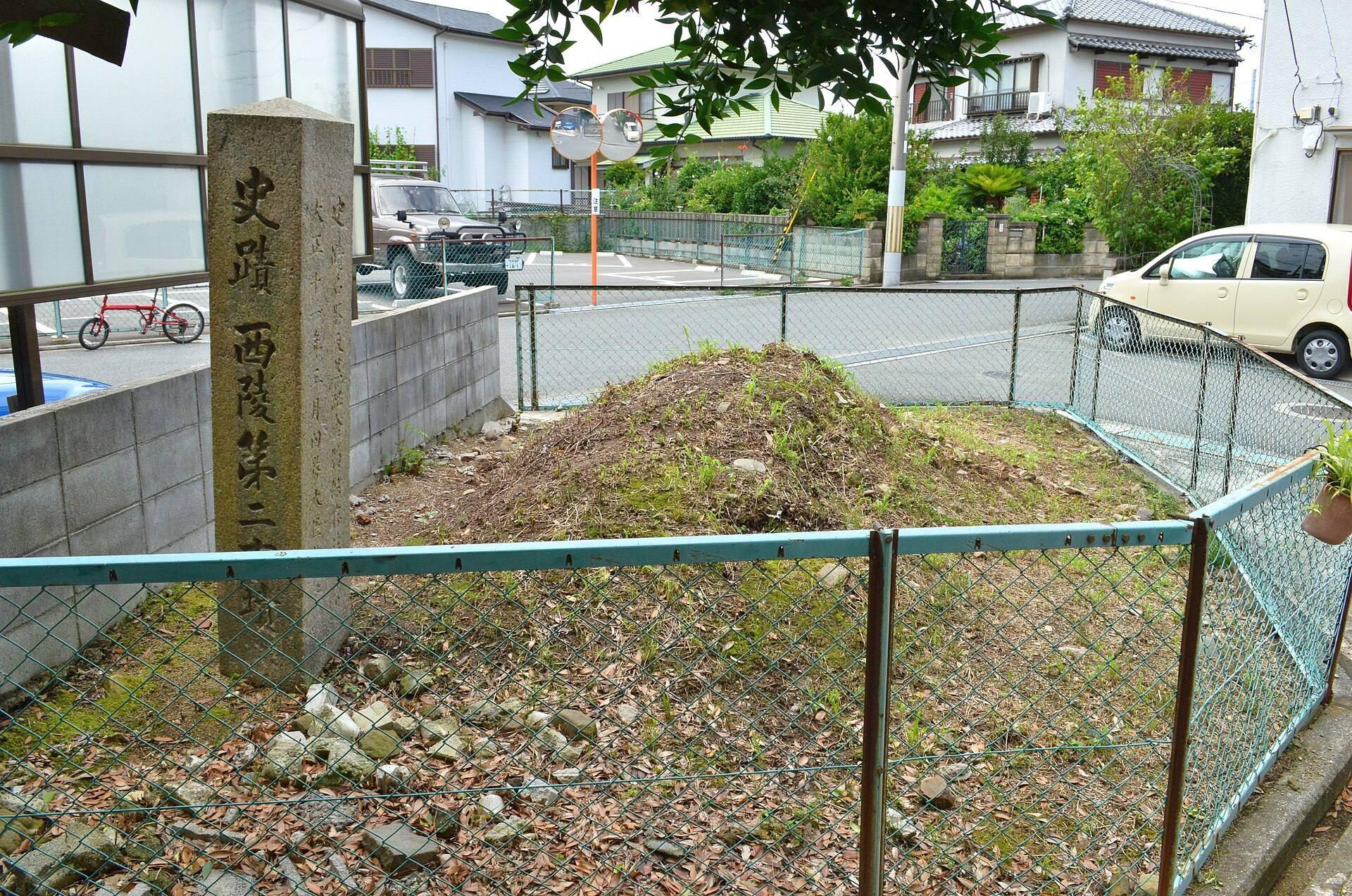
Two circular burial mounds north of Sairyo Kofun, known as Dai-ichi Kofun and Dai-ni Kofun, are regarded as subsidiary mounds. A third presumed subsidiary mound was destroyed during railway construction, when burial goods were reportedly recovered. Sairyo Kofun and the two surviving subsidiary mounds were designated together as a National Historic Site of Japan on March 8, 1922.
Remains
Main mound
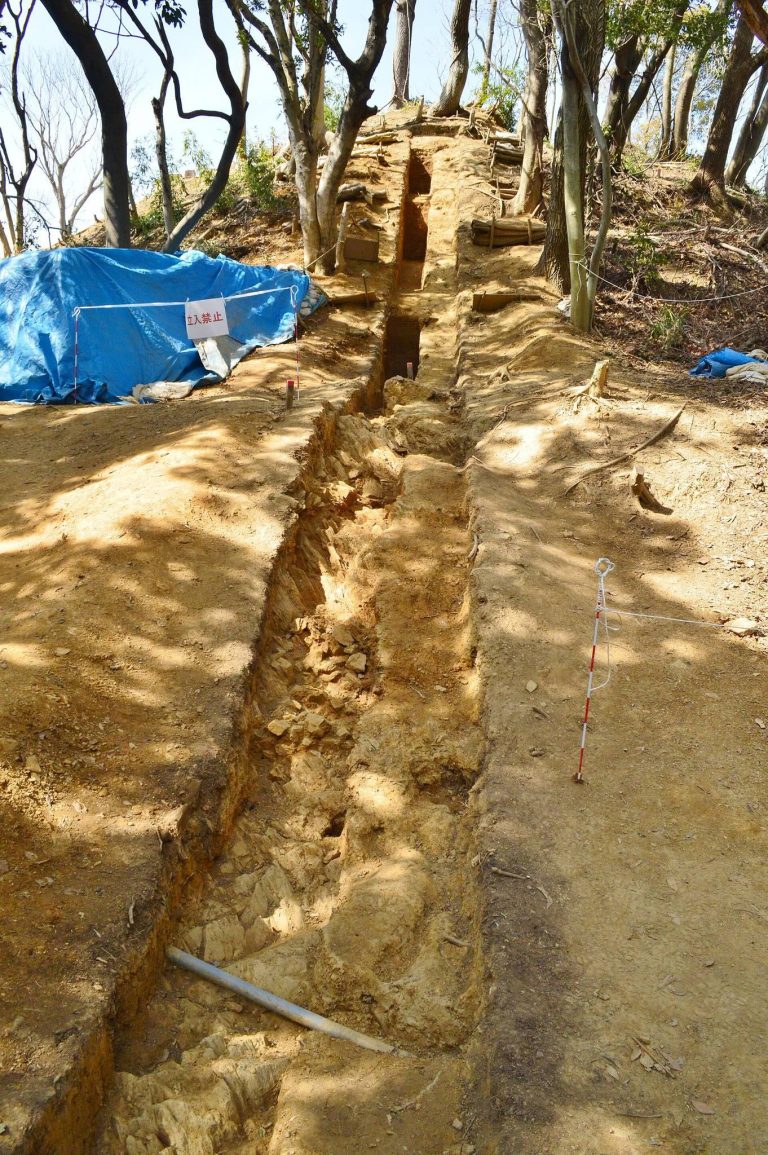
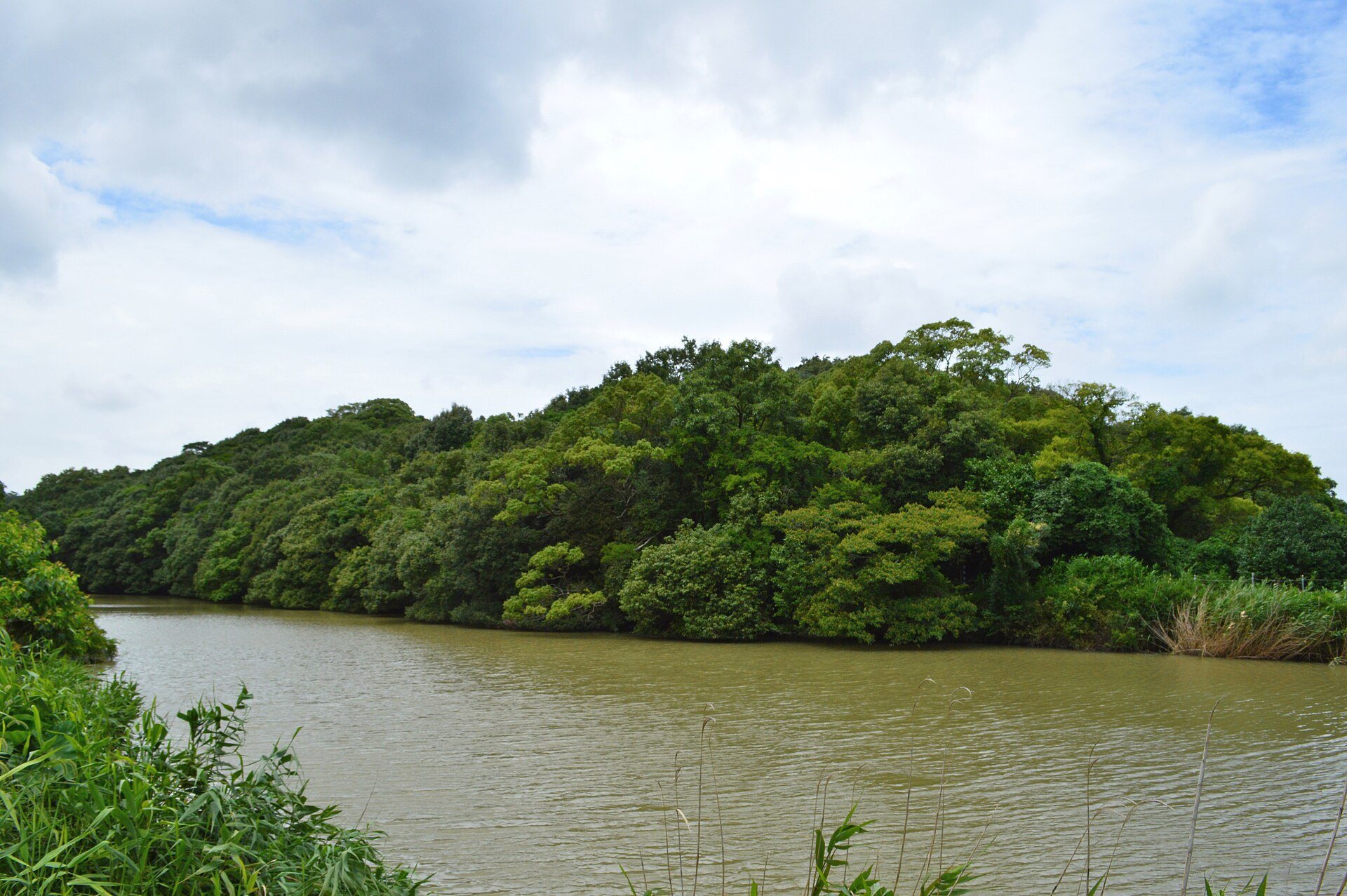
Sairyo Kofun occupies the end of a hill on a plateau at the southernmost edge of Osaka Prefecture, overlooking Osaka Bay. Its keyhole plan combines a square-ended front section with a circular rear section, and the whole mound is oriented toward the northeast. It measures approximately 210 metres in length. The rear circular section is about 115 metres in diameter and 18 metres high, while the front section is about 100 metres wide and 14 metres high. Both sections were built in three stepped tiers.
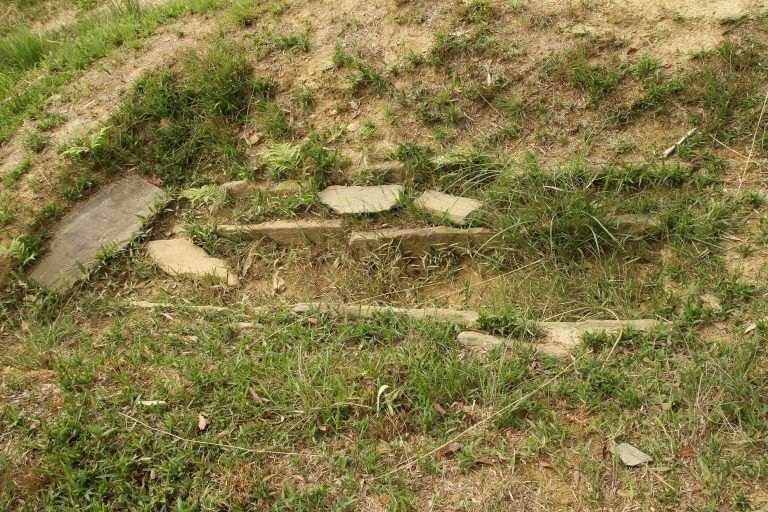
A square projecting platform, approximately 23 by 13 metres, extends from the western side of the constriction between the two sections. Revetment stones covered the mound surface. Excavated haniwa include cylindrical examples, among them morning-glory-shaped forms, as well as figurative examples representing umbrellas, shields, cuirasses, and houses.
A moat approximately 15 to 35 metres wide surrounded the mound. Sections of it survive, although its original shape is unclear. The burial facilities are not known with certainty, but a pit-type stone chamber is presumed to have occupied the summit of the rear circular section. It may have contained a long-chest-shaped stone sarcophagus made from tuff.
Stone sarcophagus
A sarcophagus lid with two projections for suspending ropes along its long side was once exposed at the summit of the rear section. It was reburied after the mound received historic-site designation.
Subsidiary mounds and surrounding group
Dai-ichi Kofun and Dai-ni Kofun survive as circular subsidiary mounds north of the main burial mound. The third presumed subsidiary mound disappeared during railway construction. Its reported finds included two flasks, a high-footed vessel, two jars, a flat flask, part of a sword blade, and two iron arrowheads.
Tannowa Nisanzai Kofun lies approximately 800 metres east of Sairyo Kofun and is traditionally identified as the tomb of Inishiki-iri-hiko-no-mikoto. Nishikoyama Kofun, now vanished, once stood between the two mounds.