Saint Adalbert Church in Gdańsk: A Gothic Roman Catholic Parish Church
Site at a Glance
- Popularity
- Low
- Country
- Poland
- Primary era
- Medieval
- Eras represented
- Medieval, Early Modern, Modern
- Civilizations
- Teutonic Order
- Site type
- Religious
- Remains
- Church
On this page9 sections
History
Benedictine foundations and the medieval church
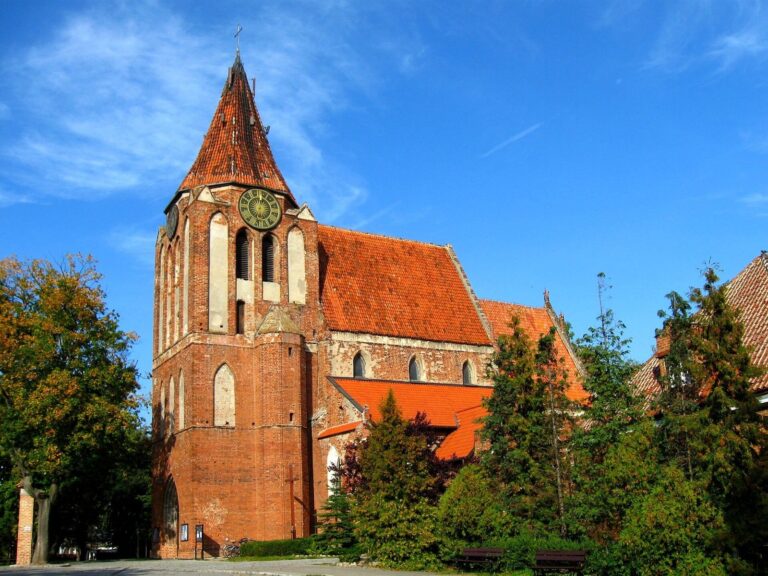
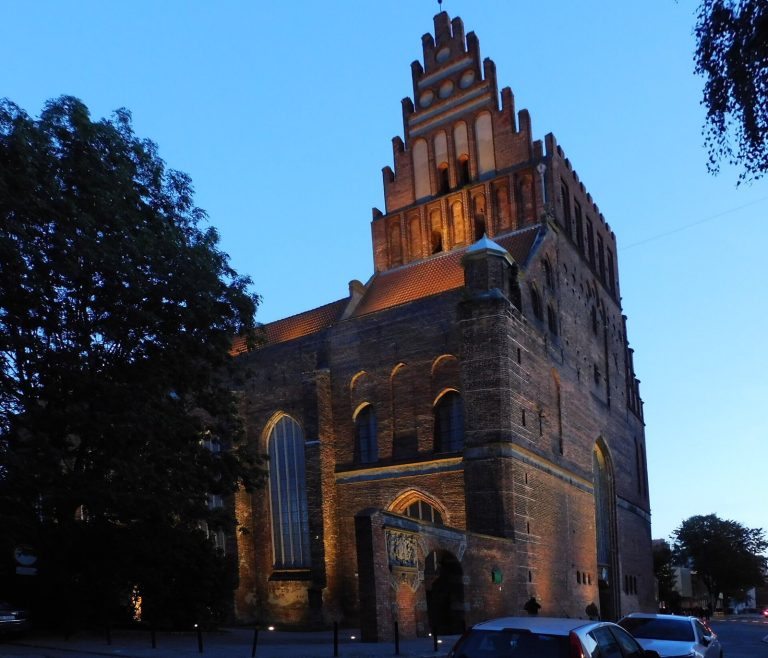
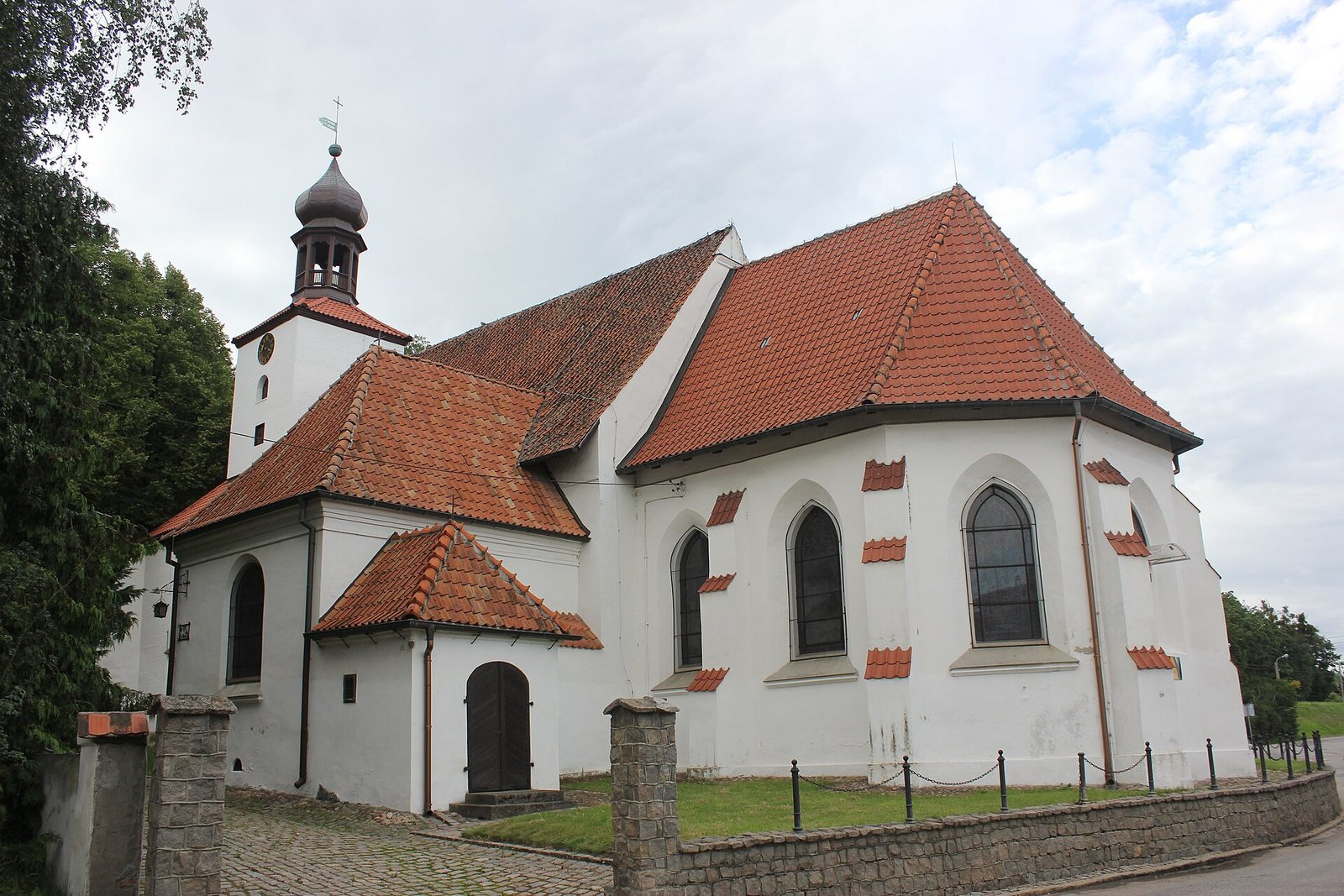
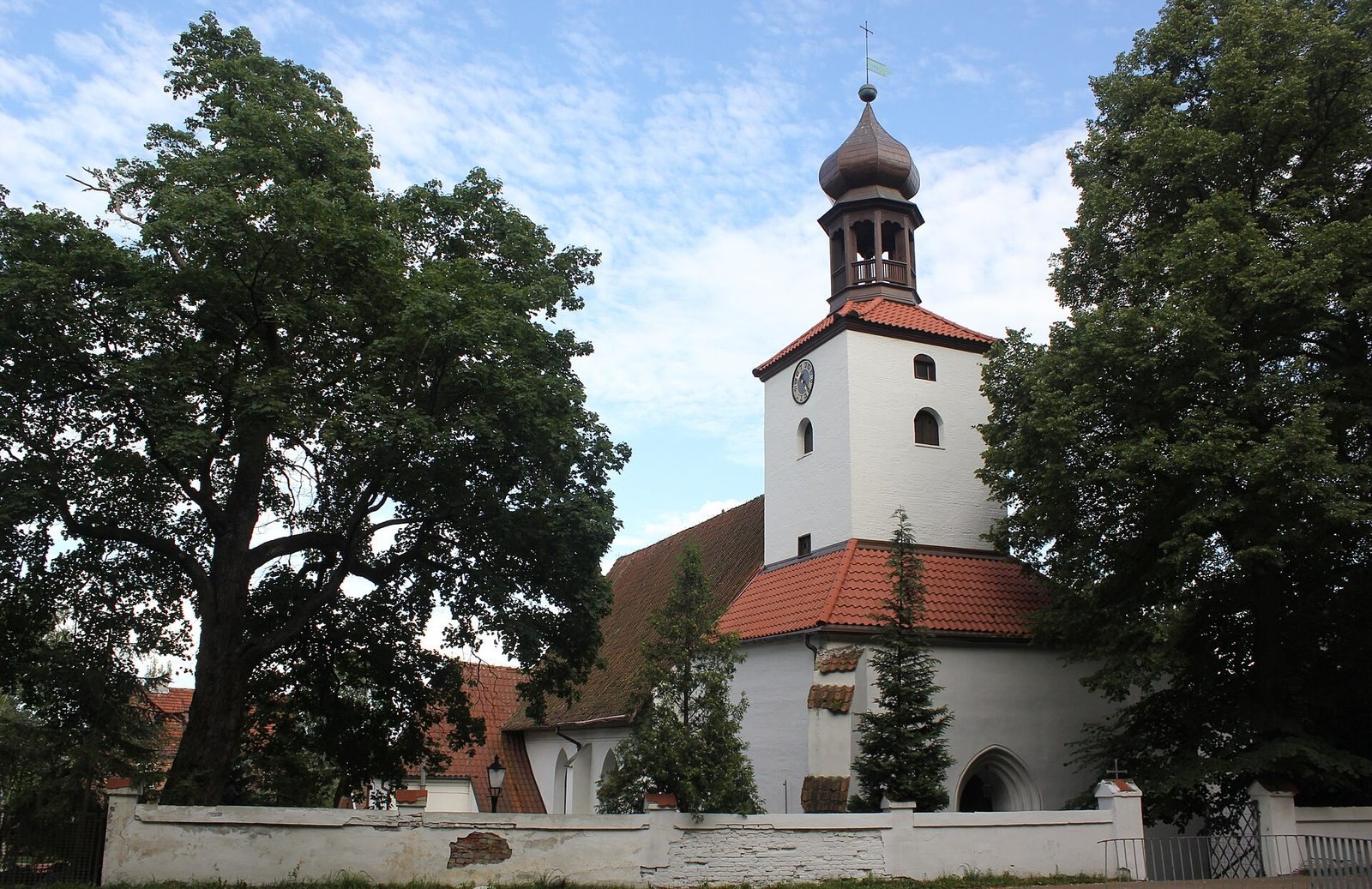
Saint Adalbert Church in Gdańsk, Poland, is a Gothic Roman Catholic parish church whose original form was built in the early 14th century. Benedictines, members of a Catholic monastic order, had arrived in the area during the 12th century. The church’s tower was erected in the 15th century.
Fire and rebuilding
A fire in 1537 destroyed both the church and the Benedictine monastery, leading the monks to leave the area. During the 16th century, Polish Catholic bishop Stanisław Karnkowski rebuilt the church and monastery.
Later religious use
Members of the Congregation of the Mission, a Catholic religious congregation founded by Vincent de Paul, arrived in 1713. Two side chapels were added and the church received new furnishings during the 18th century. After religious orders were suppressed in 1818, diocesan priests administered the parish. The church belongs to the Gdańsk deanery of the Archdiocese of Gdańsk.
Remains
Building and tower
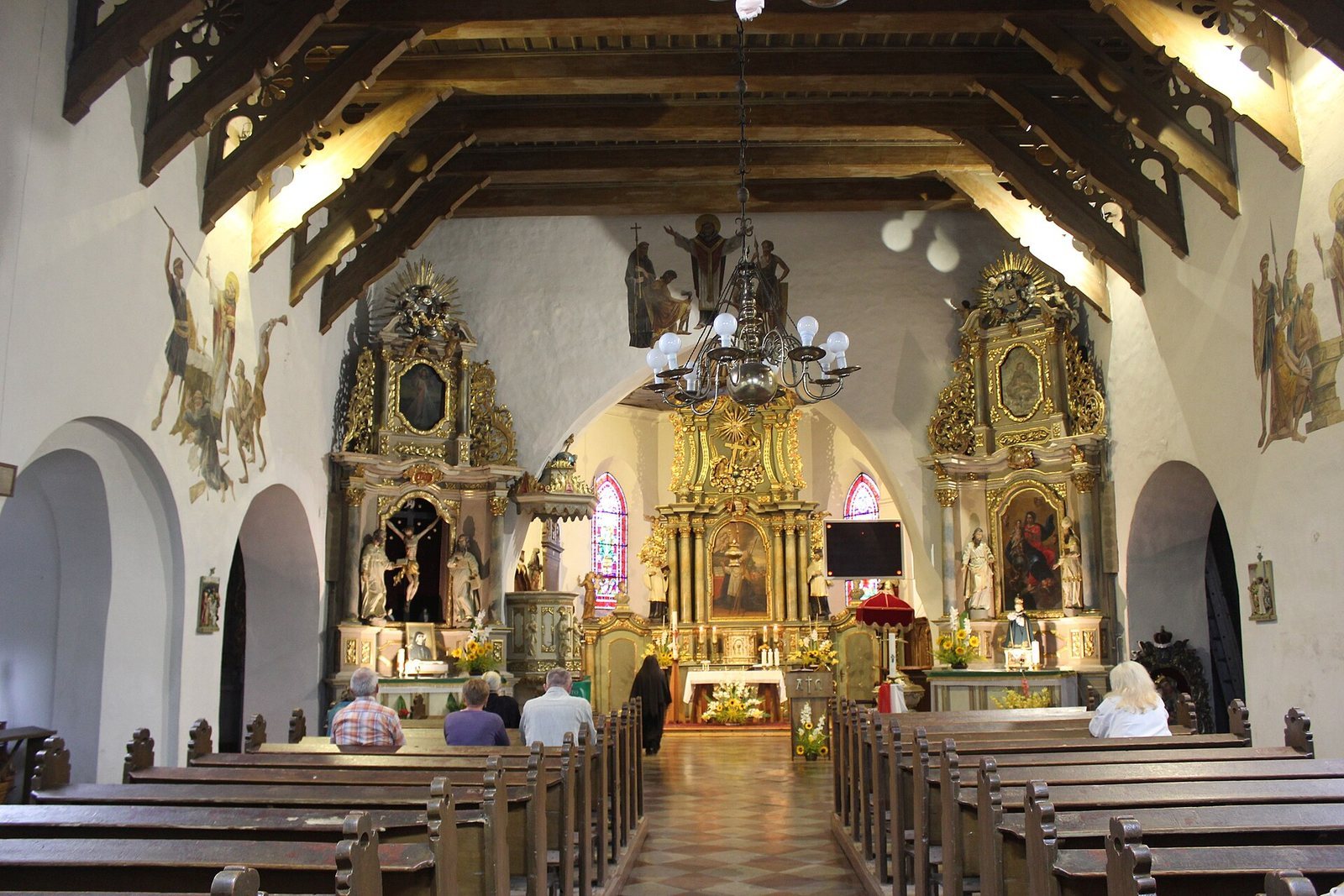
The brick church has a three-aisled plan and a single tower. Its Gothic structure combines with later Baroque features and furnishings. In 2013, a new wooden structure was built for the tower using a construction method that requires no nails.
Interior furnishings and art
Altars and chapels
The church has three altars. The main altar contains an image of Saint Adalbert, a medieval bishop and missionary saint also known as Wojciech. Two side altars in the main nave are dedicated to the Virgin Mary with the Child and to the Crucifixion of Christ. Paintings in the two 18th-century side chapels depict the death of Saint Joseph and Saint Vincent de Paul. A chapel associated with Saint Adalbert’s relics contains a statue of the saint made from two kinds of marble.
Ceiling and triptych
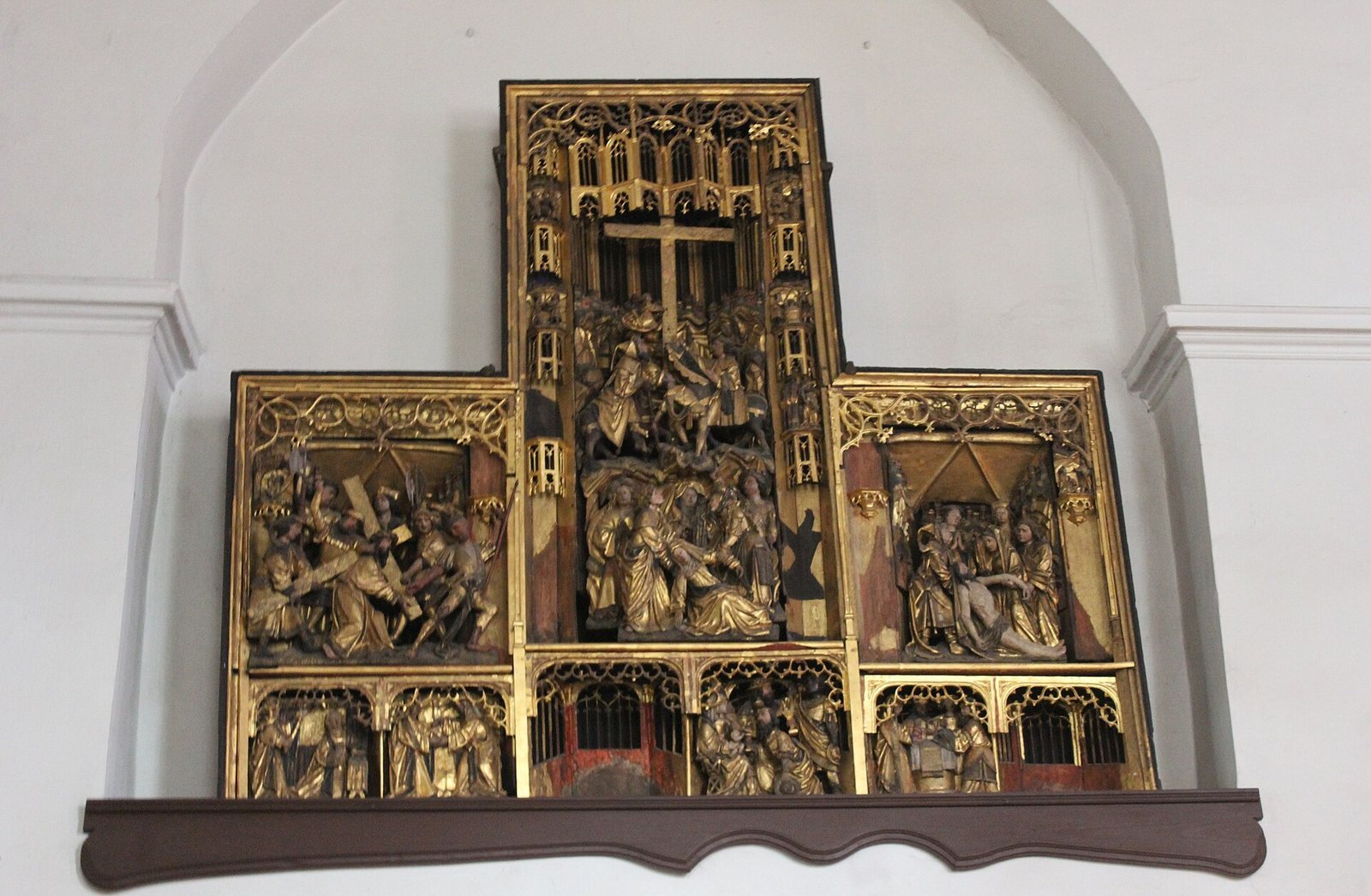
A flat Baroque ceiling depicts the Lamb of God among clouds, holding an open book. On a side wall of the presbytery, the part of the church around the main altar, hangs a wooden triptych dating to the 15th century. Its three panels show scenes from the life of Christ.