Ruine Itkon: A Medieval Castle Site in Switzerland
Site at a Glance
- Popularity
- Very Low
- Country
- Switzerland
- Primary era
- Medieval
- Eras represented
- Medieval
- Civilizations
- Holy Roman Empire
- Site type
- Military
- Remains
- Castle
On this page6 sections
History
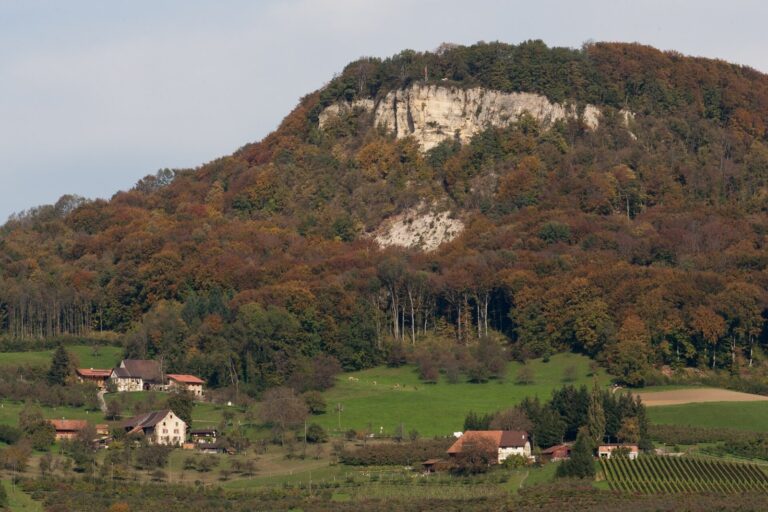
Ruine Itkon is a medieval castle site on Chienberg in the Ergolz Valley, in Basel-Landschaft, Switzerland. Dated to the first half of the 12th century, its exact construction date is uncertain. The site is also known as Hintere Bischofstein. Finds indicate occupation from the first half of the 12th century into the second half of the 13th.
Origins and occupation
A family named Itkon appears in records from the first half of the 13th century and died out around 1250. The family took its name from a nearby village in the Brunnmatt valley, northwest of Sissach. The village has since vanished, and its location is associated with the field-name Ikte.
Transfer to the Lords of Eptingen
After the Itkon family died out, the Lords of Eptingen, a medieval noble family associated with the Basel region, took possession. They built Bischofstein nearby. Itkon was probably already in disrepair and was used as a source of building material for the new castle.
Remains
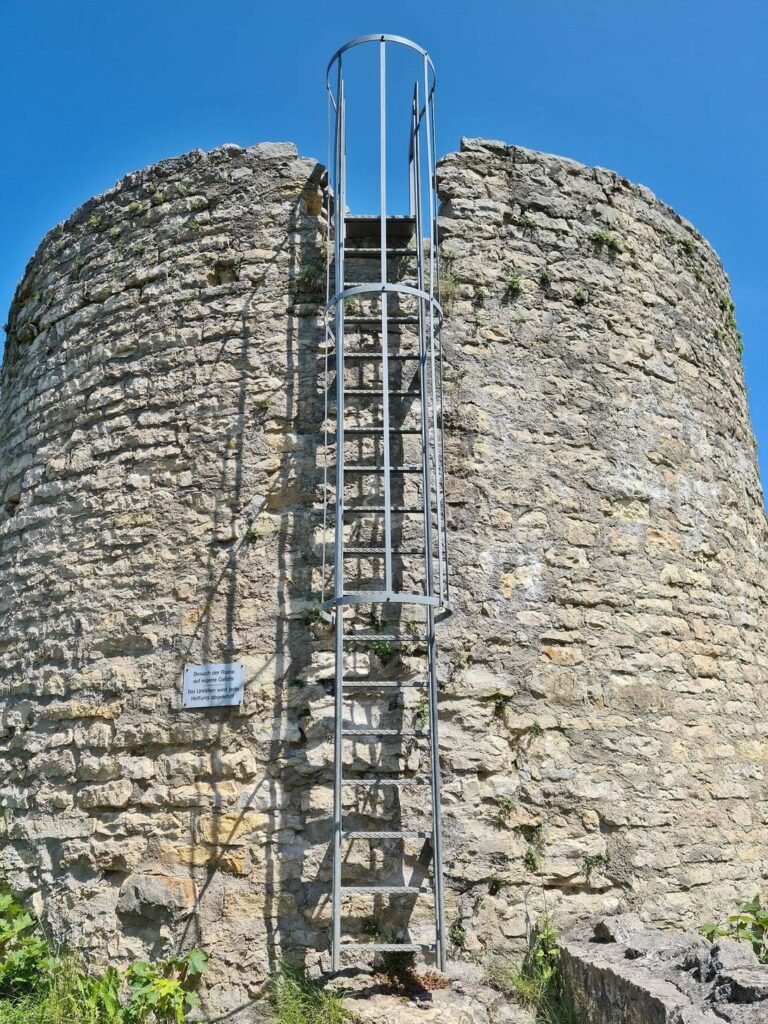
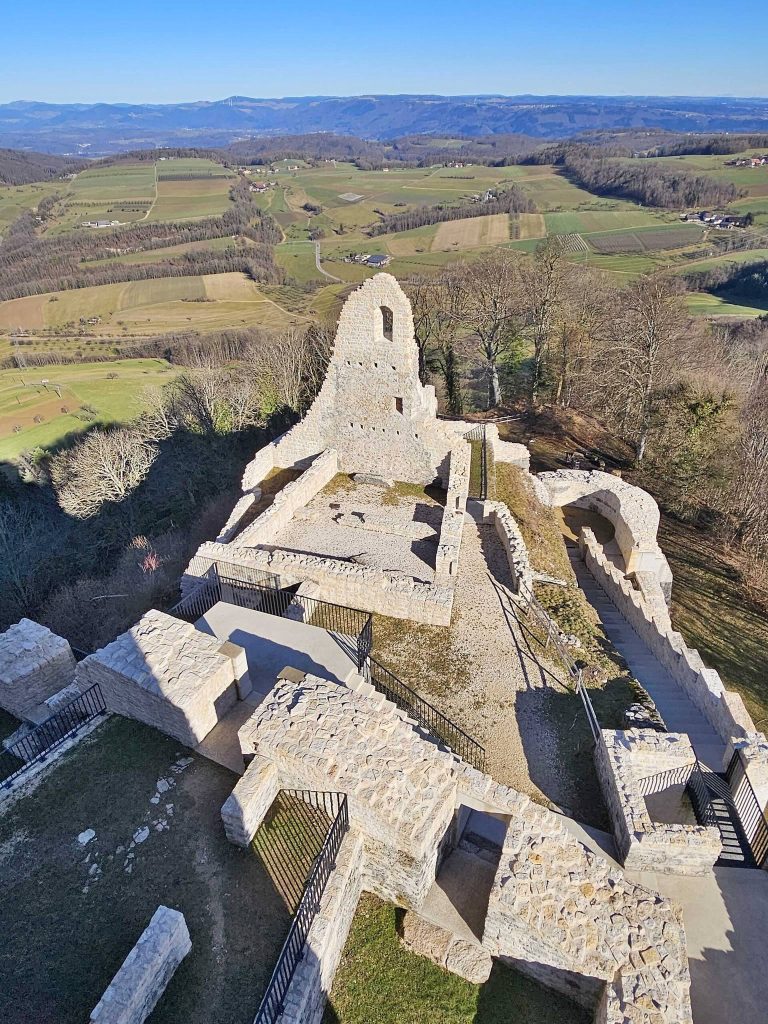
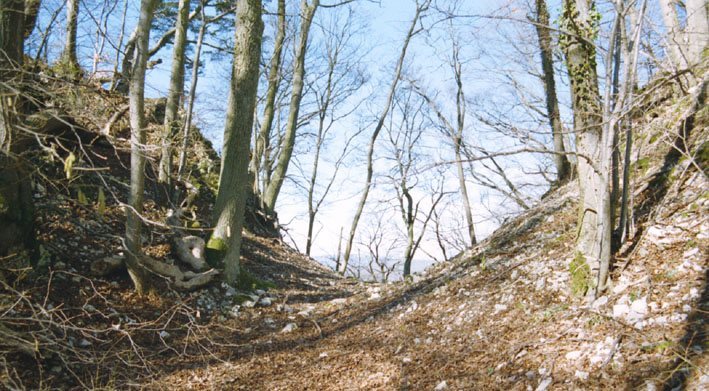
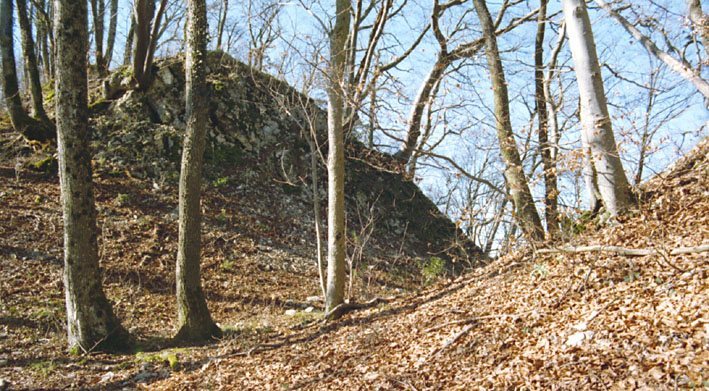
The castle occupied a ridge on Chienberg, 710 metres above sea level, north of Sissach and on the boundary between the municipalities of Sissach and Böckten. It lies about 100 metres north of Bischofstein. Built of stone and wood, the castle stood between deep ditches cut across the ridge.
Defensive setting
Two deep ditches crossed the ridge as defenses. A smaller ditch at the northern end may be prehistoric and may relate to the fortified settlement at Sissacherfluh.
Excavated traces
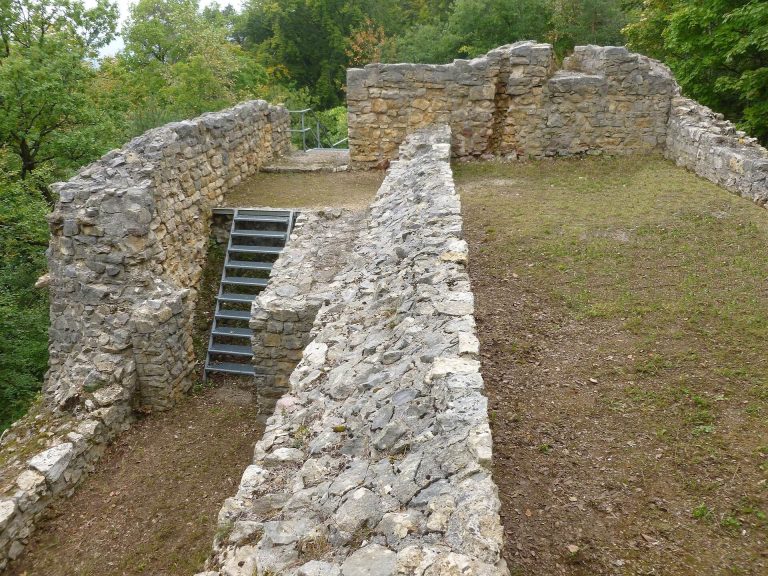
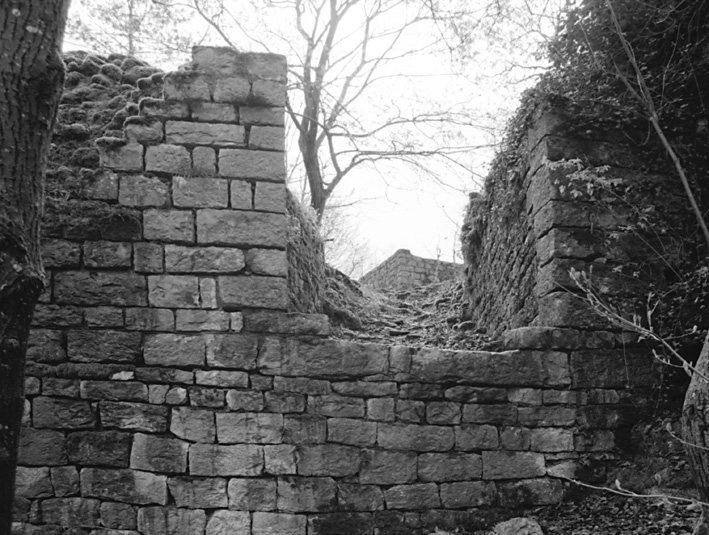
Above-ground remains consist chiefly of features that obstruct approach. Limited, staged excavations, generally carried out alongside work at Bischofstein, revealed a small number of wall traces. These have been interpreted either as masonry bonded with mortar or as walls built without it. Excavators also found a small pit whose purpose remains uncertain.