Rolsø Chapel: The Cemetery Chapel of a Former Village Church
Site at a Glance
- Popularity
- Low
- Country
- Denmark
- Primary era
- Medieval
- Eras represented
- Medieval, Modern
- Civilizations
- Danish
- Site type
- Religious
- Remains
- Chapel
On this page9 sections
History
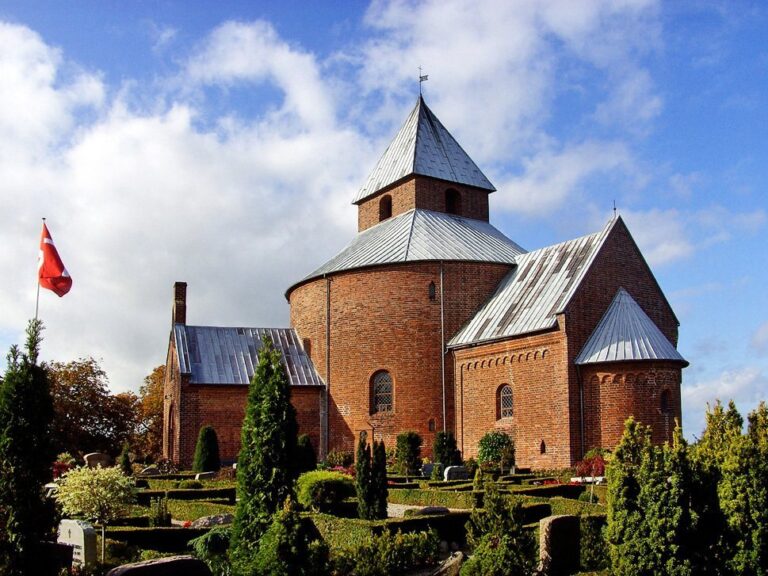
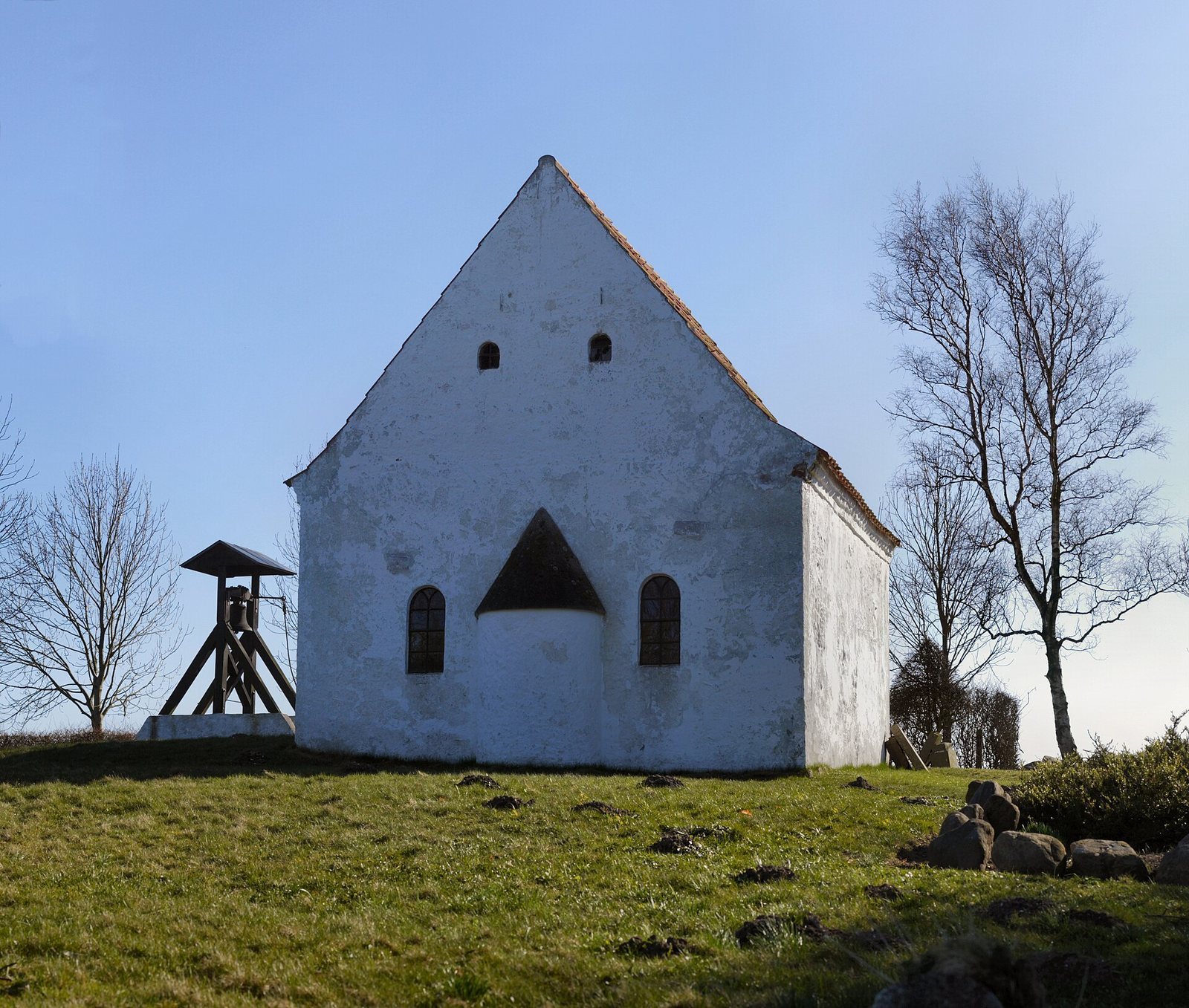
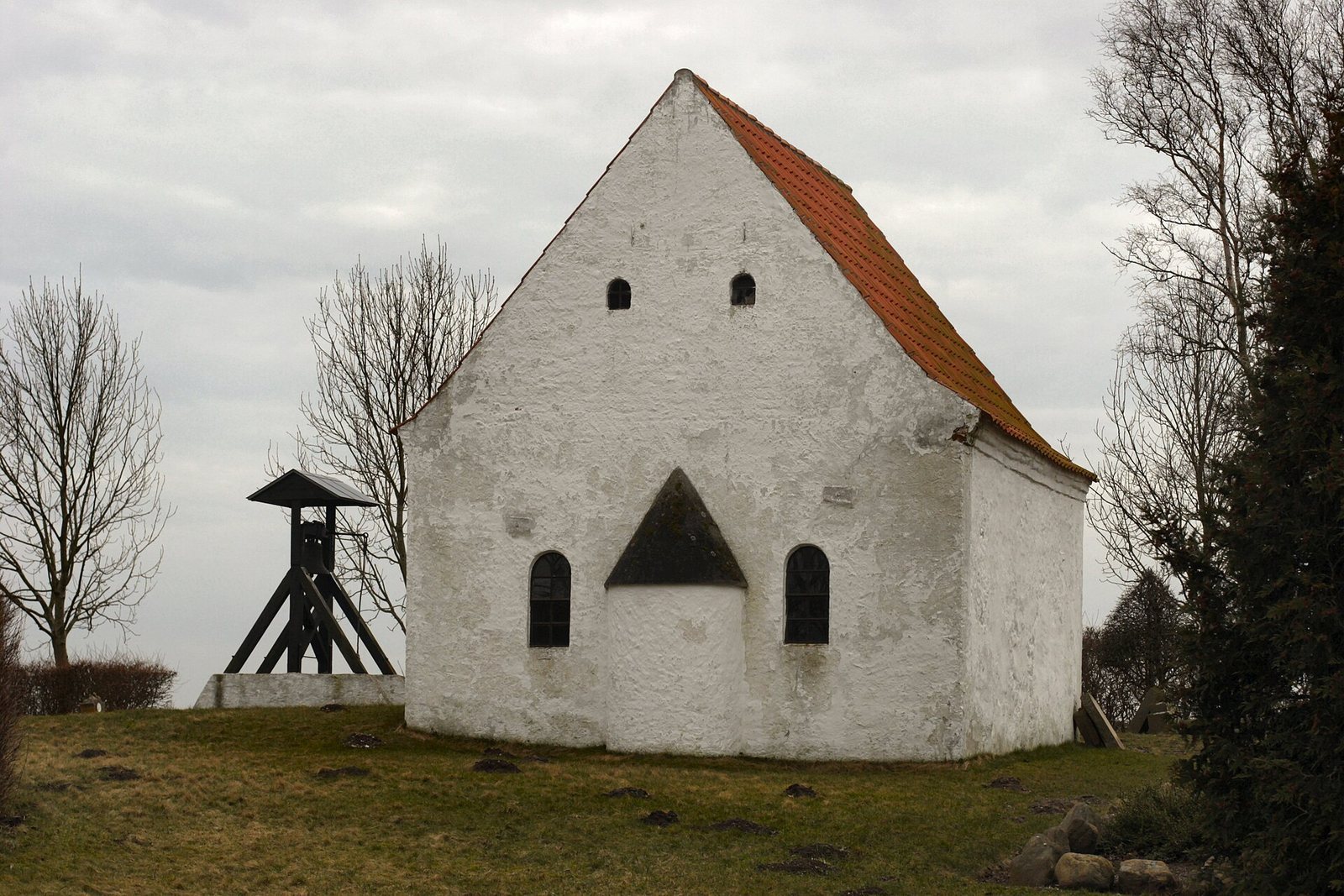
Rolsø Chapel is a cemetery chapel formed from the porch of a medieval church on an unpopulated cape in southern Djursland, Denmark. Rolsø Church was built around 1175 and stood until its demolition in 1908. A foundation tradition tells that work started at another location appeared spoiled overnight. Two heifers were then released, and the church was built where they were found lying the next morning.
The village and church in the 1690s
In the 1690s, the landowner of Rolsøgård secured permission to dismantle the nearby village of Roelse, also known as Rolsø. Christian V, king of Denmark and Norway from 1670 to 1699, granted the permission despite a provision in Danish law against demolishing villages or farms to enlarge manor estates. The landowner’s friendship with the king may have helped him obtain approval. The village included eight farms, six cottages, a rectory, a windmill, and the church. The priest reportedly opposed its dismantling.
The church and manor house remained after the village was taken apart. The king’s permission required that the priest and congregation be able to shelter in Roelse during services, including in bad weather. The manor’s outbuildings may have provided shelter. Vrinners, where a growing share of the congregation lived, was about 2.5 kilometres away.
The congregation’s move to Vrinners
By 1907, more of the congregation were attending a nonconformist mission house in Vrinners, a place of worship outside the established church tradition. The congregation secured funds and state permission to demolish Rolsø Church on the condition that a replacement church be built in Vrinners. The new church was inaugurated in September 1907, and Rolsø Church was demolished the following year.
Reaching the old church from Vrinners meant travelling about five kilometres round trip, on foot or horseback, over exposed hills. Bad weather made the journey difficult, especially for elderly people travelling to weekly services. The church’s porch was retained and adapted as a chapel for the cemetery.
Remains
Chapel and former church
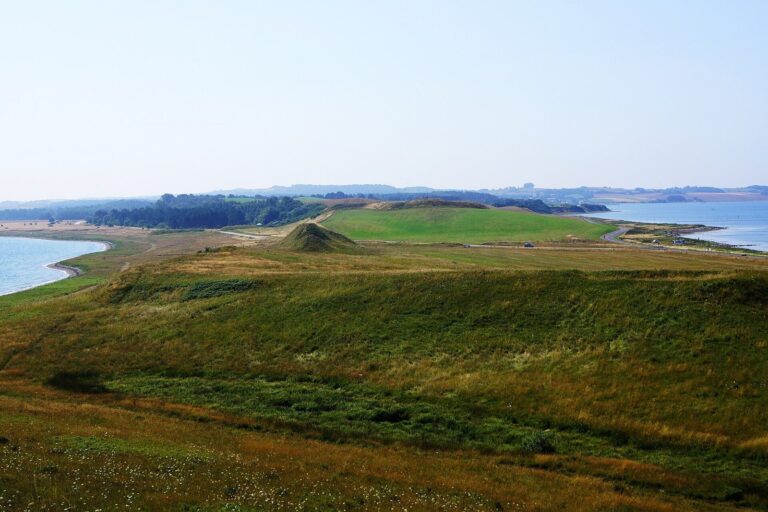
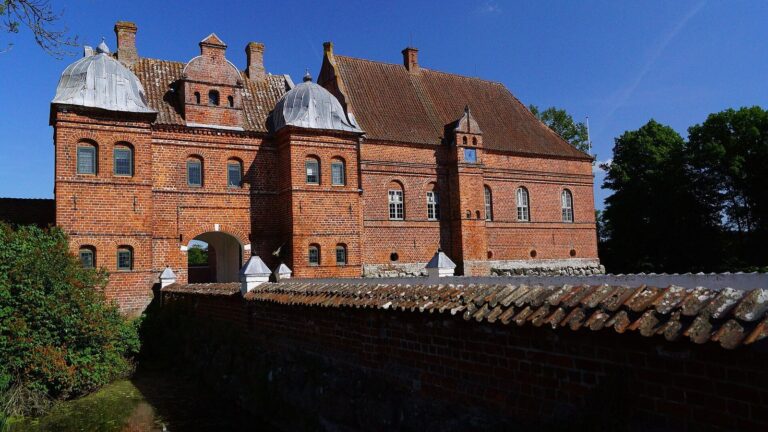
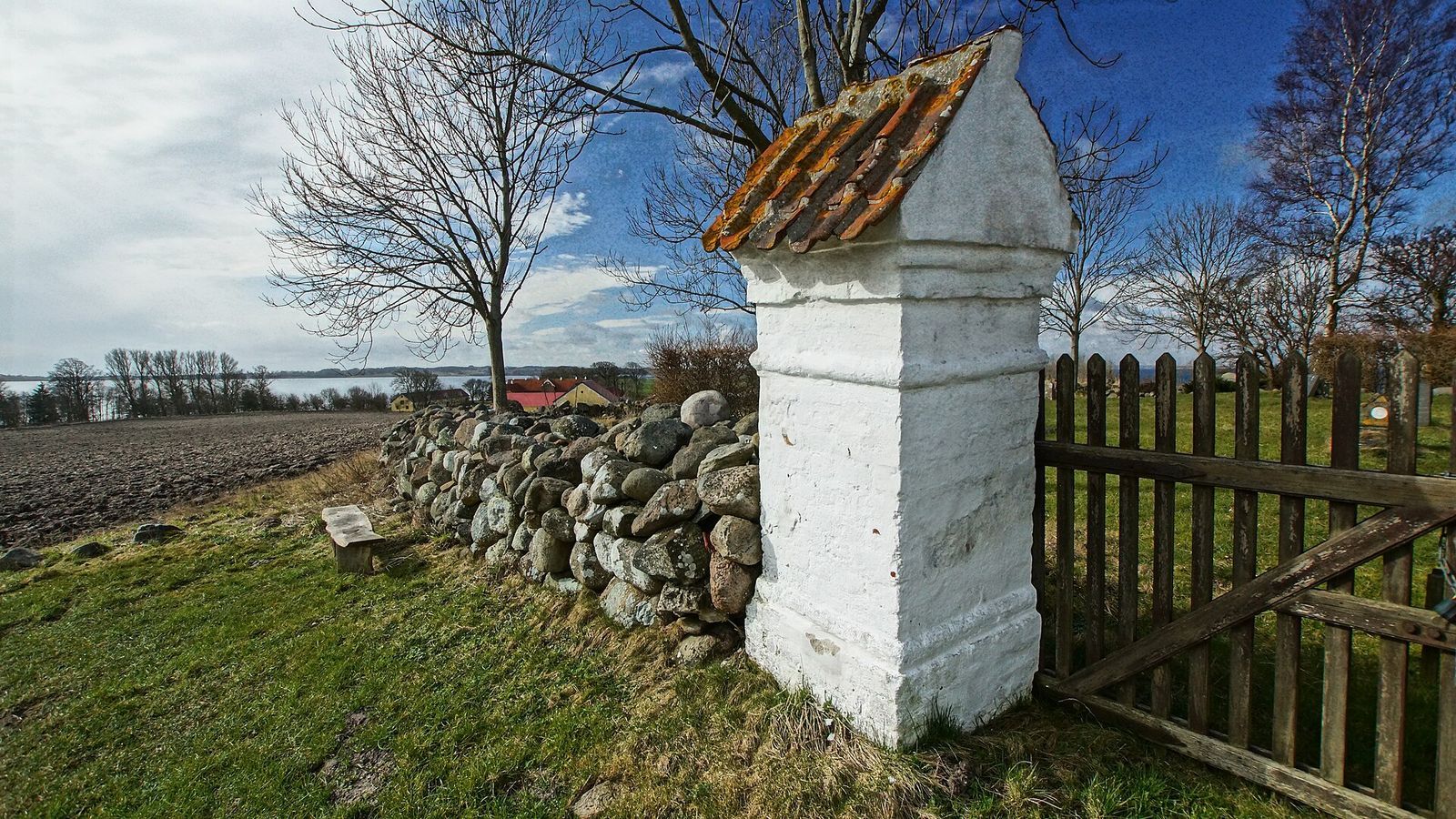
The chapel and cemetery occupy a cape that forms the northern mouth of Knebel Bay, where it opens into Aarhus Bay. The chapel is the retained porch of Rolsø Church. The former church had a nave of rough granite boulders, about 10 metres long and 8 metres wide, and an east-facing side annex measuring roughly 5 by 6.5 metres. Its overall appearance was described as largely matching the surviving church at Knebel.
Cemetery and gravestones
Burials and cast-iron crosses
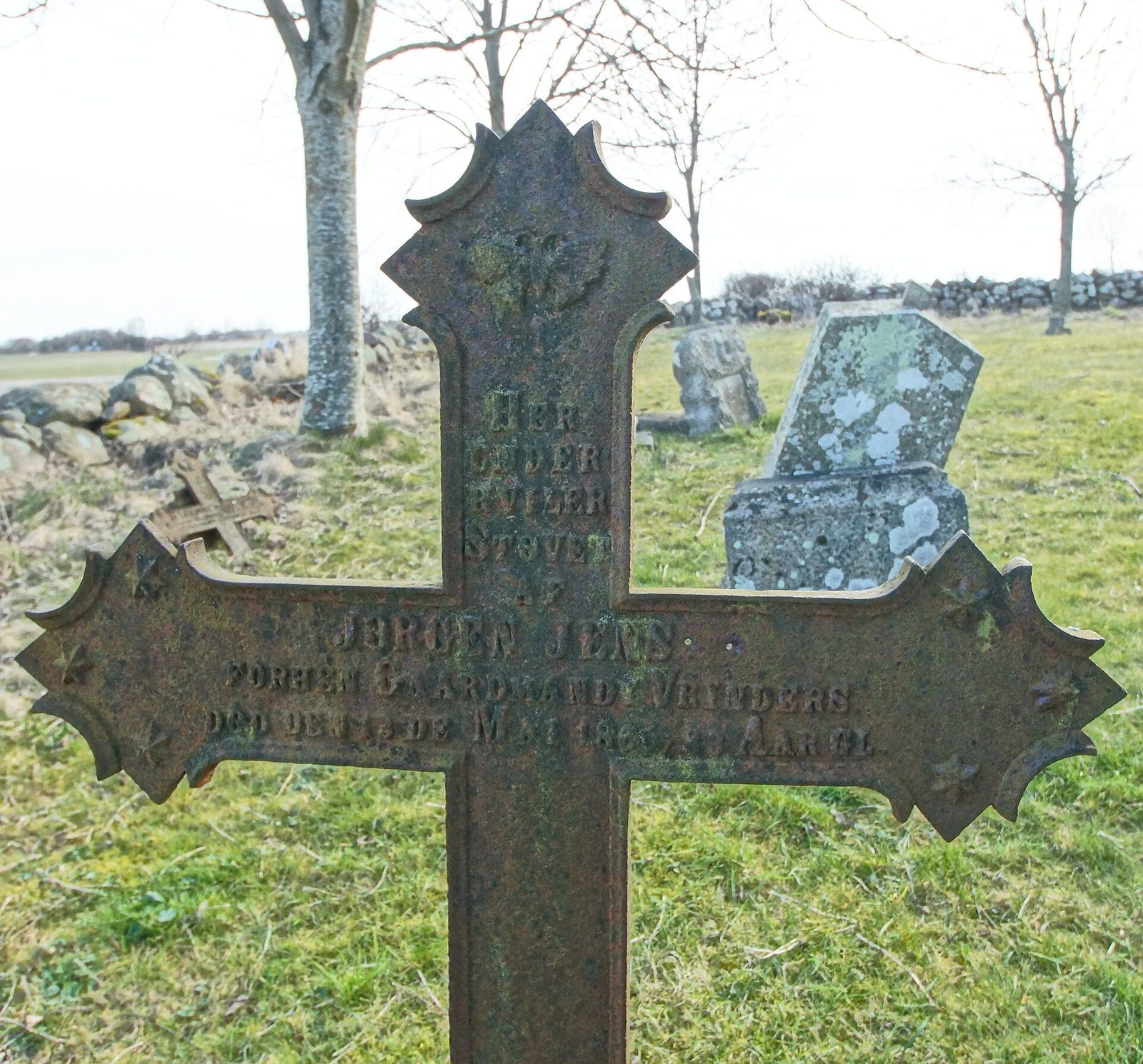
The Protestant Lutheran cemetery is abandoned, and its gravesites are dilapidated. Graves and burial customs dating to the eighteenth century remain. Older graves have not been cleared, unlike the practice in most Danish cemeteries. Some graves are marked by cast-iron crosses bearing inscriptions cast into the metal; these crosses are more than 150 years old.
Teacher Chr. Johansen’s grave
The grave of teacher Chr. Johansen dates to 1897. A black-and-white photograph of him, taken in the late nineteenth century, is set into the centre of the gravestone. The image appears to be made on porcelain. It has a mark from an impact but shows no fading after more than a century exposed to the elements.
Baptismal font
The church’s twelfth-century Romanesque baptismal font, a basin used in Christian baptism, was transferred to the church in Vrinners. It was made by the Djursland master stonecutter Holter, whose granite fonts often have a thick, chiseled rope band around the basin. On the Rolsø font the band is unbroken. It was associated with the belief that evil spirits could not cross it to reach the holy water.