Rudkhan Castle: A Medieval Fortress in Iran
Visitor Information
Google Rating: 4.6
Popularity: Medium
Country: Iran
Civilization: Early Modern, Medieval Islamic
Site type: Military
Remains: Castle
History
Rudkhan Castle is a medieval fortress located in the municipality of Qaleh Rudkhan in modern-day Iran. The initial construction of this stronghold dates back to the era of the Sasanian Empire, likely established around the period when Arab forces invaded Iran. This early foundation positioned the castle as a significant defensive structure in the region.
During the Seljuk period, the castle underwent substantial rebuilding, adapting to the evolving military and political landscape. Later, it became a strategic base for the Ismaili sect, who utilized the fortress to assert control in northern Iran. One of the most notable figures associated with Rudkhan Castle is Sultan Hesam al-Din Dabaj Fumani, also known as Muzaffar al-Sultan. Between 1513 and 1515 CE (918 to 921 AH), he carried out important renovations, strengthening its defenses and facilities.
Sultan Hesam al-Din ruled over the Biapas region and used Rudkhan Castle as a center for resisting the expanding influence of the Safavid dynasty. He managed to repel both Safavid forces and English military incursions from this fortress, demonstrating its formidable defensive capabilities. Despite these successes, he was eventually captured, transported to Tabriz, and executed, marking the end of his resistance.
Throughout its history, Rudkhan Castle is recorded as never having been penetrated by enemy forces, emphasizing its military resilience and strategic design. After centuries of use and regional significance, the site was formally recognized as a national historical monument of Iran on August 21, 1975. The castle first entered modern academic awareness through the work of Polish researcher Aleksander Chodżko, who documented it in 1830 during his studies in Gilan.
Remains
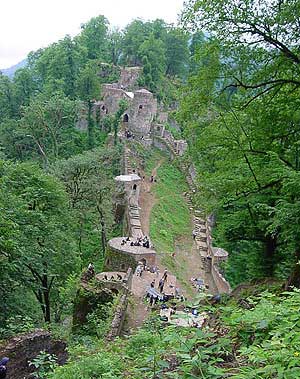
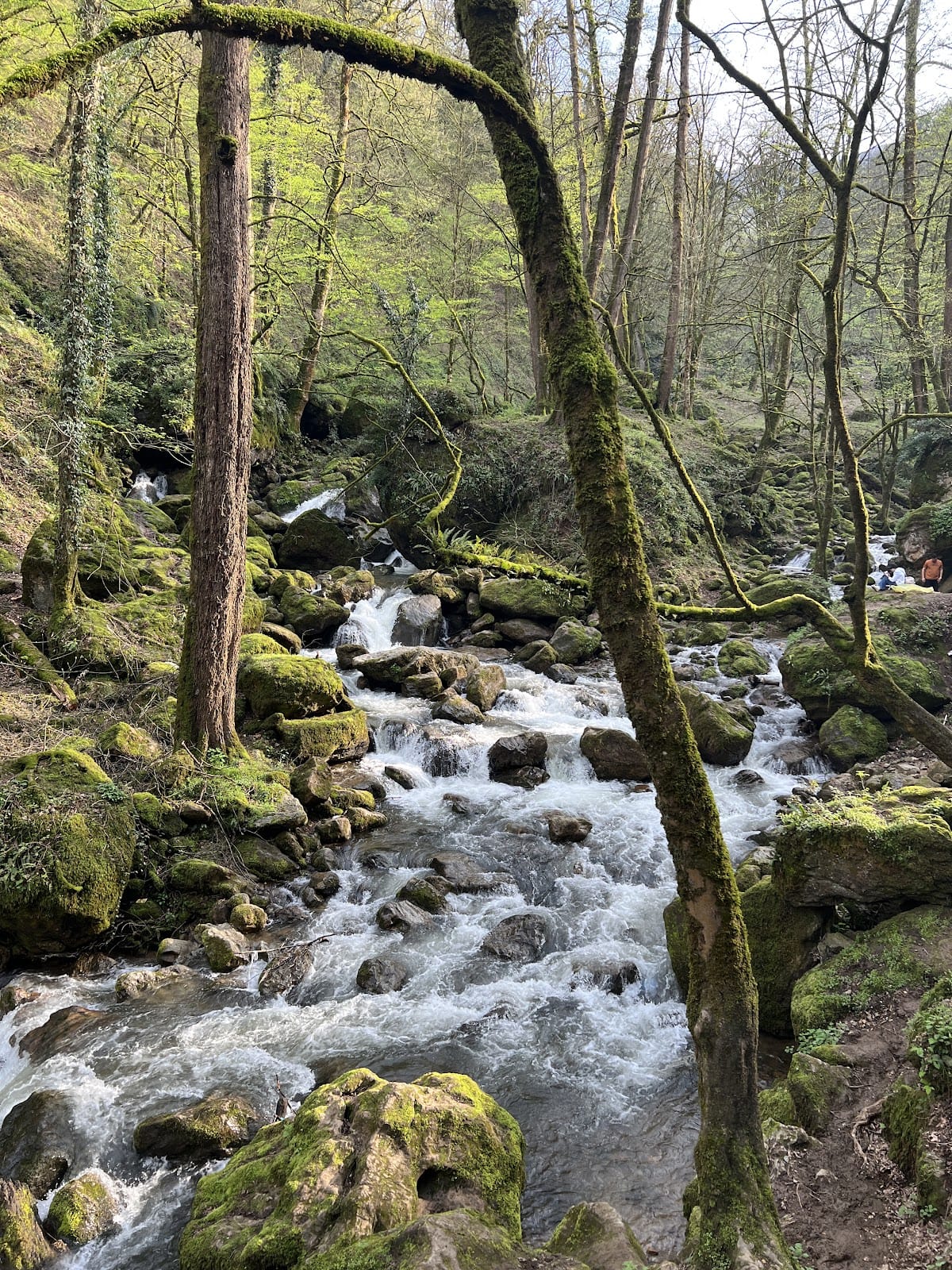
Rudkhan Castle occupies a mountainous area adjacent to the Rudkhan River, covering between 26,000 and 62,000 square meters, with fortress walls extending approximately 1,500 meters in length. Its layout follows the natural contours of the terrain along a ridge about five kilometers long and between ten to fifty meters wide. The fortress integrates natural defenses such as dense forests and flowing water, enhancing its protection.
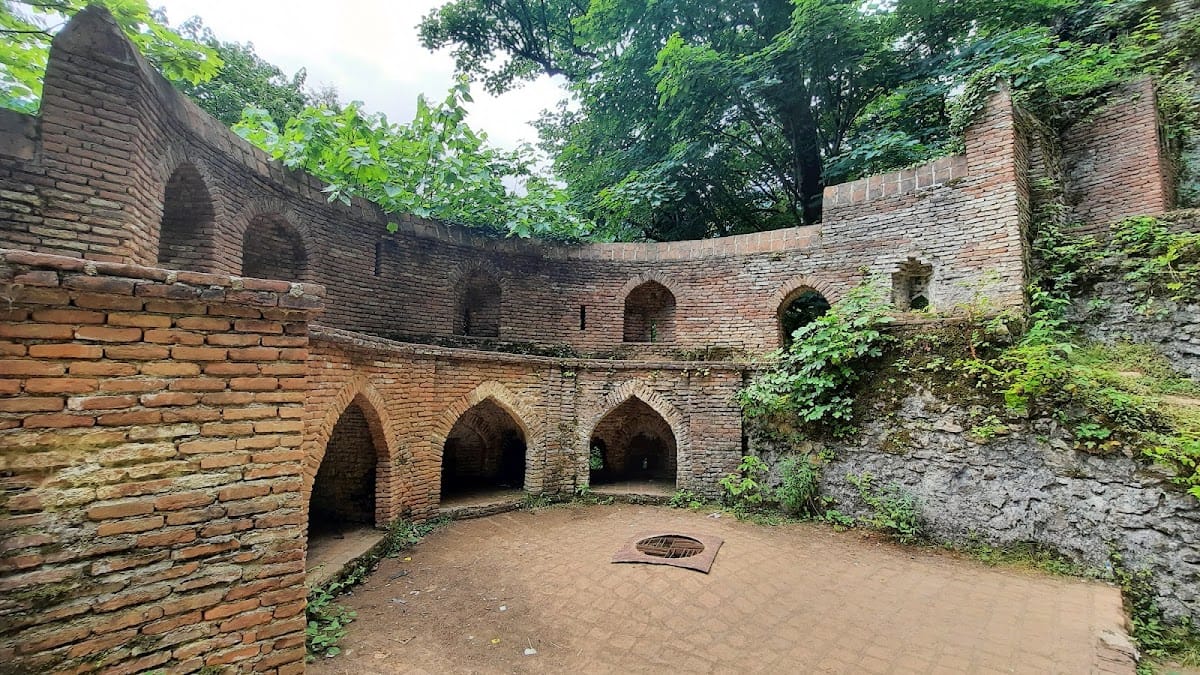
The castle is divided into two principal parts. The western section serves as the citadel or main keep and features a large two-story brick building that functioned as the residence of the ruler and housed the harem. This area also contains vital amenities including water reservoirs, bathhouses, a cold storage room, and several residential units, all encircled by sturdy defensive walls and protected by towers.
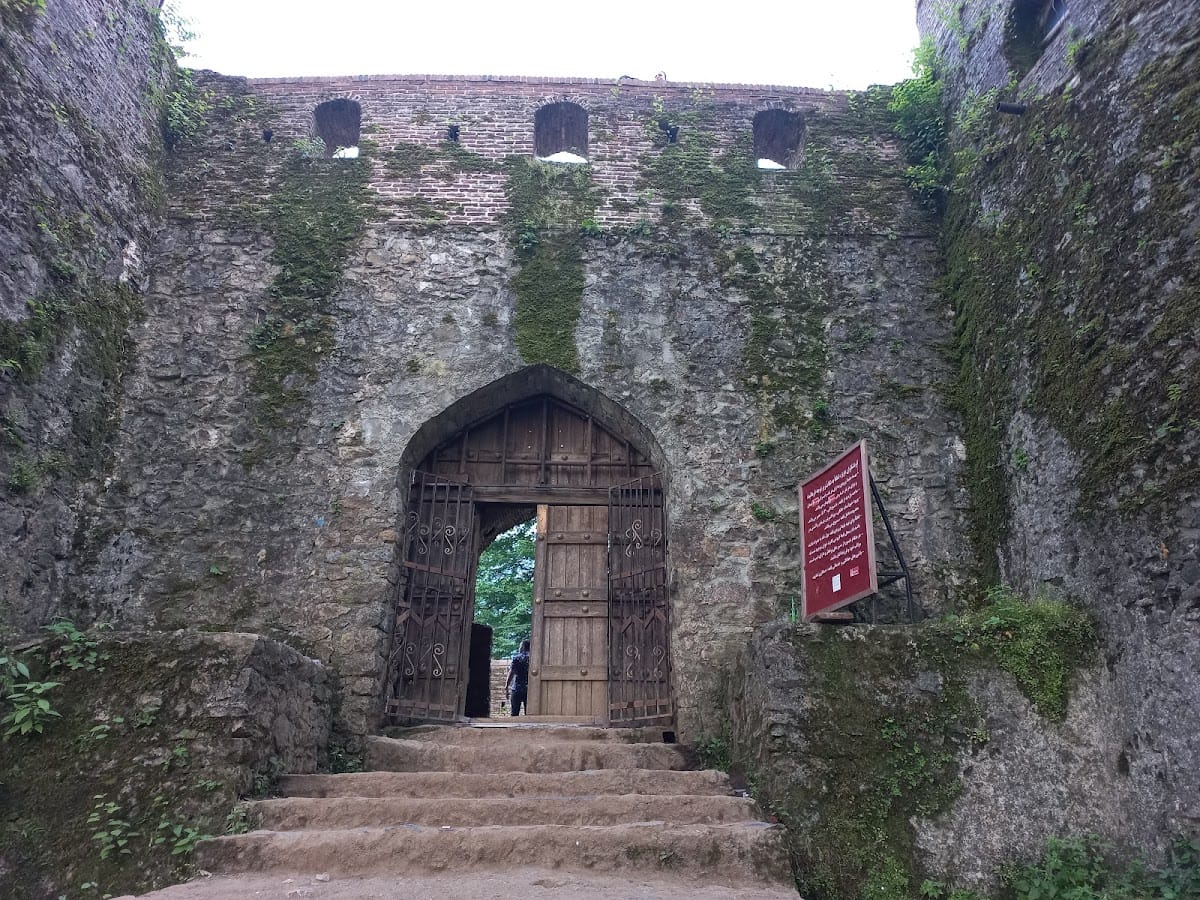
The eastern section includes the barracks and armory. It has multiple entrances—twelve in total—alongside a prison, an emergency exit, a bathhouse, and sanitation facilities. The barracks are arranged in two stories, equipped with numerous windows and openings designed to provide natural light as well as positions for defense, allowing occupants to oversee and guard the surrounding areas effectively.
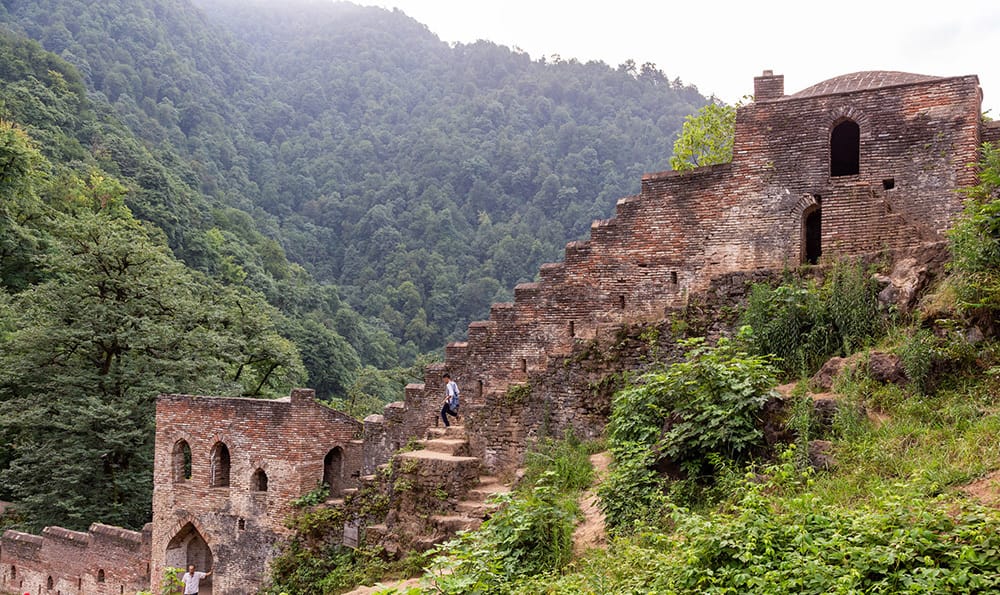
The fortress defenses are reinforced by 65 towers, of which 42 remain intact. Among these are 40 octagonal watchtowers capped with domed vaults. The walls and towers, constructed from stone and brick bonded with sarooj—a traditional mortar resistant to weather—range in height and thickness from three to ten meters depending on their location. Along these walls are sloped loopholes, narrow openings designed for defenders to pour molten substances or shoot arrows and spears at attackers.
Inside the castle’s lower reaches lies a spring, ensuring a reliable water supply. Due to the region’s humid climate, construction avoided the use of wood, favoring more durable materials suitable to withstand moisture over time. Access to the fortress involves ascending around 1,620 steps, reflecting the site’s natural elevation between 655 and 715 meters above sea level.
Overall, the combination of natural terrain and carefully engineered features exemplifies how Rudkhan Castle’s design maximized defensive strength while accommodating the needs of its inhabitants. Many of its structures and fortifications remain preserved, offering a clear representation of its historical roles and architectural style.