Bothwellhaugh Roman Bath House: A Roman Bath Complex in Scotland


Site at a Glance
- Rating
- 4.2
- Popularity
- Very Low
- Country
- United Kingdom
- Primary era
- Classical
- Eras represented
- Classical
- Civilizations
- Roman
- Site type
- Sanitation
- Remains
- Baths
On this page5 sections
History
Bothwellhaugh Roman Bath House is a Roman bath complex in Bellshill, United Kingdom, built and used during the Antonine period, the second-century phase of Roman occupation associated with the Antonine Wall. It served the nearby Bothwellhaugh Roman Fort, although the relationship between the fort and the wall remains uncertain.
Discovery and excavation
The bath house was found in November 1973 beneath a pond situated between the Roman fort and a medieval bridge over South Calder Water. That bridge had acquired the anachronistic name “Roman Bridge.” The bath house was completely excavated in 1975 and 1976 under the direction of Lawrence Keppie, a Scottish archaeologist known for his work on Roman archaeology in Britain.
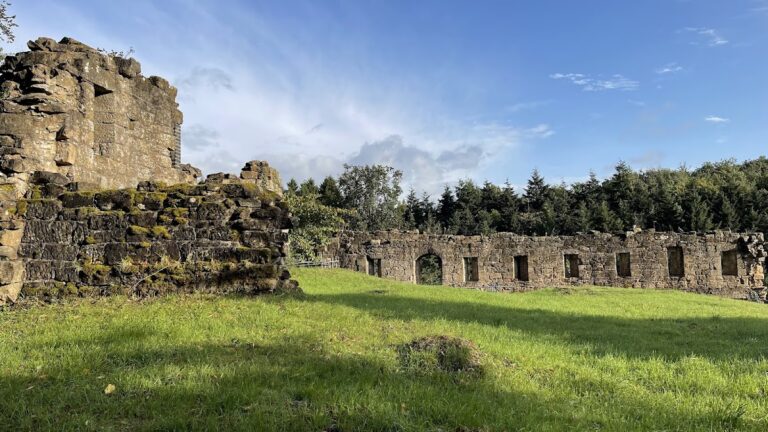
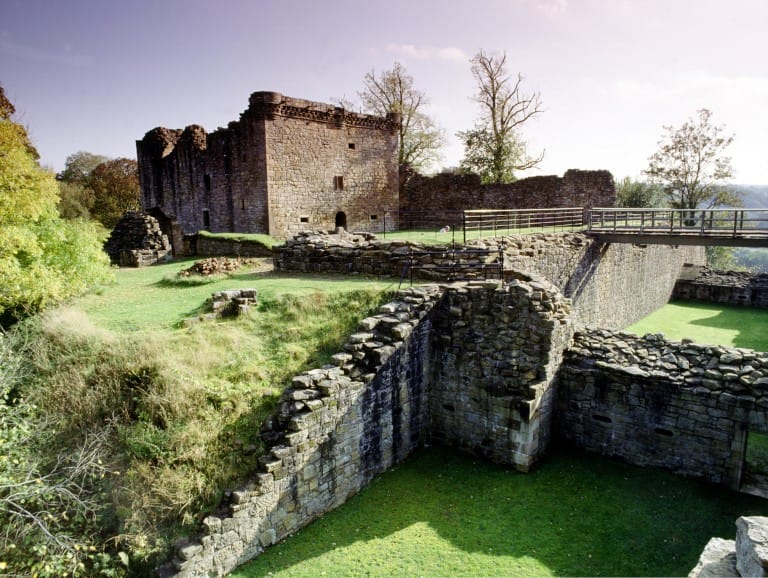
Pottery from the site places its occupation in the Antonine period. The distance between the bath house and the fort also suggests that other structures connected with the surrounding complex may remain undiscovered. After the discovery beneath the pond, the remains were moved to higher ground in 1980. They are well preserved and open to the public.
Remains
The surviving bath house preserves a sequence of rooms arranged for cold, warm, and hot bathing. A vestibule led into the complex, which contained a cold bathing room, two heated warm rooms, and a hot bathing room with an adjoining hot bath. A furnace area supplied heat to the warm and hot rooms. The arrangement may have accommodated about 20 soldiers at one time.
Bathing rooms and heating system
The cold room included a cold plunge bath. The two warm rooms provided heated bathing spaces, while the hot room and adjacent hot bath formed the hottest part of the complex. This separation of temperatures, supplied by the furnace room, reflects the organized layout of a Roman military bath house. The preserved remains were relocated to higher ground in 1980 after excavation beneath the pond.
Artefacts from the excavations
Hundreds of artefacts were recovered in connection with the site. Among them were a Roman drain-cover slab, a cup decorated with a hunting scene, and a tile carrying a paw print. These finds were transferred to the Hunterian Museum at the University of Glasgow.