Rocca di Verrua Savoia: A Frontier Fortress in Italy
Site at a Glance
- Rating
- 4.4
- Popularity
- Low
- Country
- Italy
- Primary era
- Medieval
- External website
- Open
- Eras represented
- Medieval, Early Modern
- Civilizations
- Duchy of Savoy, Holy Roman Empire
- Site type
- Military
- Remains
- Castle
On this page14 sections
History
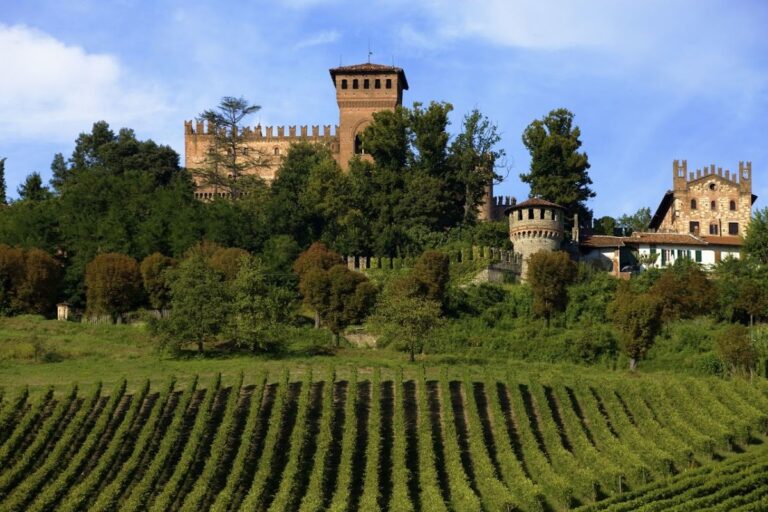
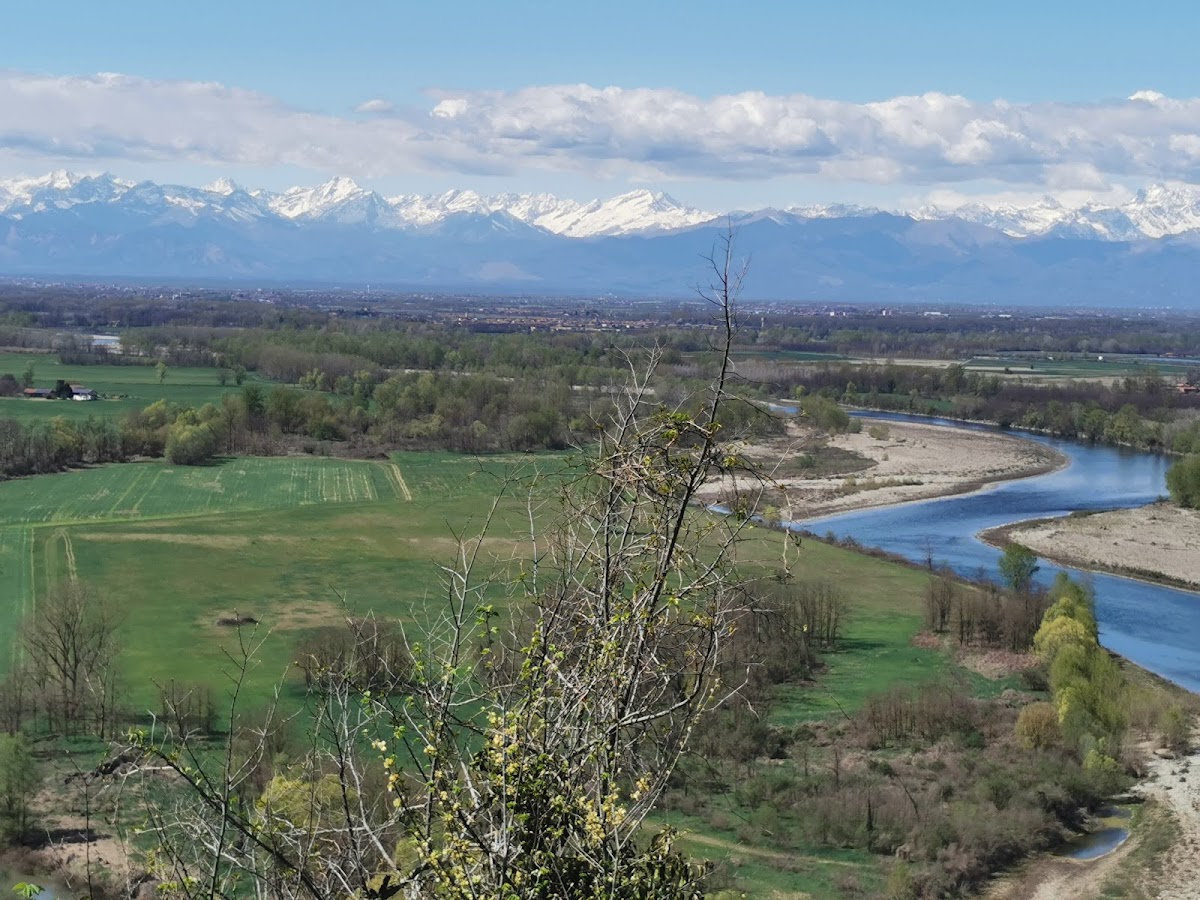
Rocca di Verrua Savoia is a medieval fortress in Italy, probably constructed between the tenth and eleventh centuries on a hill beside the Po. Its position allowed it to control the river, the Vercelli plain, and surrounding areas corresponding to the modern provinces of Alessandria, Asti, and Vercelli. In 999, a decree issued by Otto III, a Holy Roman emperor of the tenth and early eleventh centuries, confirmed the existence of Verrua’s fortification and its possession by Leone, Bishop of Vercelli.
A Contested Medieval Frontier
Verrua stood on the historical boundary between the March of Montferrat and the Duchy of Savoy, making it a contested frontier stronghold. In 1167, Frederick Barbarossa, the twelfth-century Holy Roman Emperor, destroyed the fortifications and the fortified settlement after being refused passage through the site. The fortress was later rebuilt and became the object of rivalry among the Bishops of Vercelli, the Marquises of Montferrat, the Visconti of Milan, noble families of Vercelli, and the House of Savoy.
In 1315, the Bishop of Casale Monferrato financed the rebuilding of the fortifications and settlement after Crescentino passed to the imperial faction of Vercelli. The fortress continued to change hands during the medieval and early-modern struggles between Montferrat and Savoy. The House of Savoy, a ruling dynasty that expanded its power in Piedmont and later in Italy, established permanent control over Verrua in 1559.
Sieges and Military Strengthening
The Marquises of Montferrat attacked Verrua in 1379, 1387, and 1405. The attempts in 1379 and 1387 failed, and the fortress remained under Savoy control. These events gave rise to a Piedmontese saying that Verrua would be conquered only when a pig could seize grapes. An Austro-Spanish coalition besieged the stronghold in 1625, while seventeenth-century works strengthened it against cannon fire.
The principal siege came during the War of the Spanish Succession, an early-eighteenth-century conflict over the Spanish monarchy. French forces under General Vendôme began their attack in October 1704. Resistance continued for approximately six months, until Verrua fell on 9 April 1705. The fighting caused around 13,000 casualties and weakened the French forces. Victor Amadeus II, Duke of Savoy, was able to reorganize his army and later contributed to the Savoyard victory at the Battle of Turin in 1706.
Demolition and Later History
The fortification complex was demolished in 1707, after the siege. Its strategic military function ended in the late eighteenth century. During the Napoleonic period, the site served as a refuge for wounded and disabled soldiers, after which it entered a long period of abandonment.
In 1957, the site was sold to a major company that extracted marl from the adjacent hill. Marl is a sedimentary material composed chiefly of clay and carbonate minerals. A geosite of considerable mineralogical importance was later created there. In 2007, the Piazza family donated the Rocca to the Eugenio Piazza Verrua Celeberrima Foundation, a nonprofit organization responsible for its cultural management. Partial restoration followed in 2010–2011. The fortress is protected as an Italian cultural property.
Remains
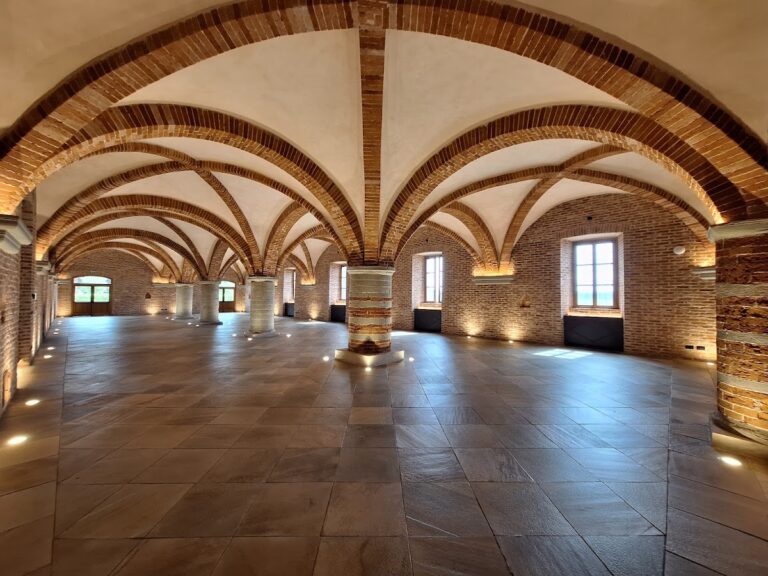
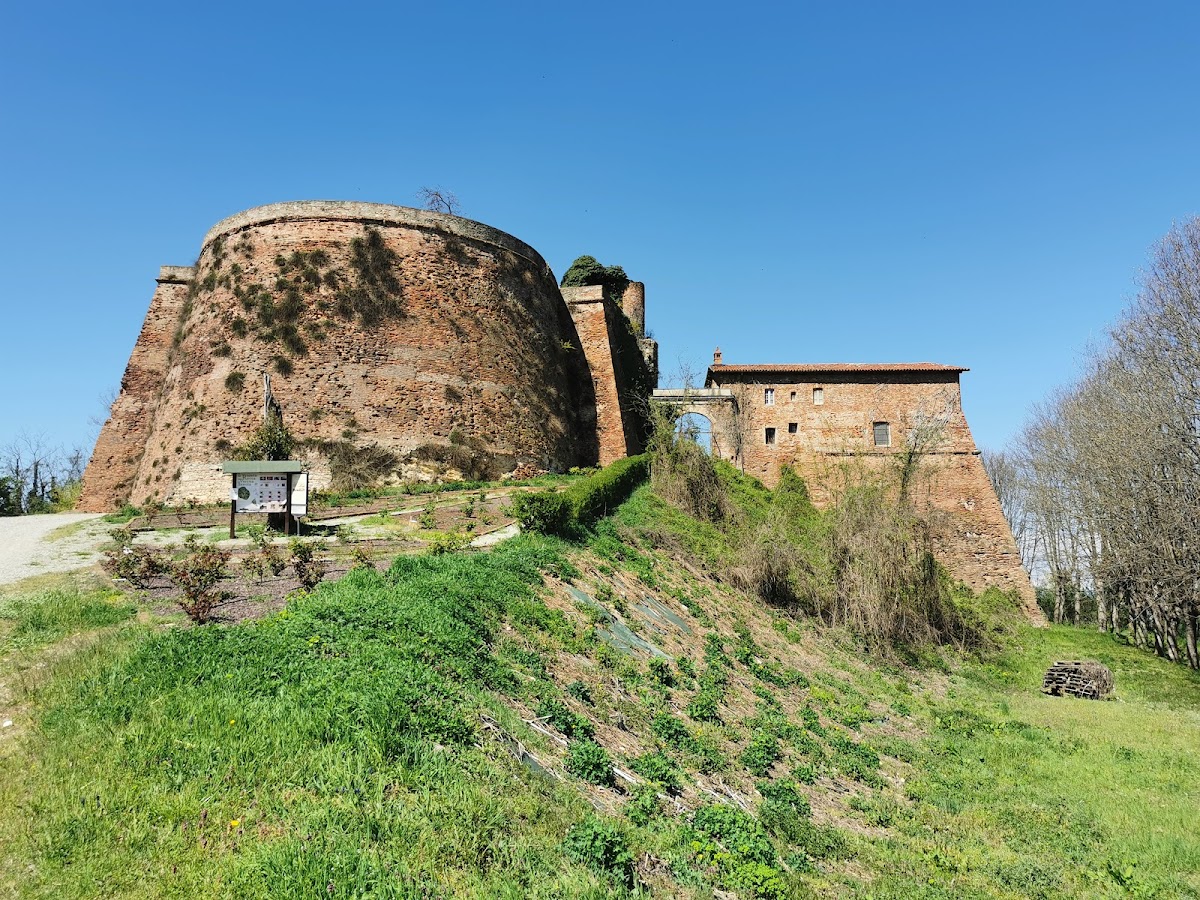
The surviving complex occupies a hill beside the Po. Before the French siege of 1704, the fortress was enclosed by a defensive wall with four bastions, projecting works designed to provide flanking fire along the walls. The Bastione della Vigna, Bastione dell’Alle, Bastione di Camus, and Bastione di Santa Maria formed part of this outer defensive system. The principal stronghold contained the Donjon, soldiers’ barracks, and a well, while bomb-proof warehouses stood at its center to protect weapons and ammunition from artillery fire.
Upper Fortress
Donjon and Bastions
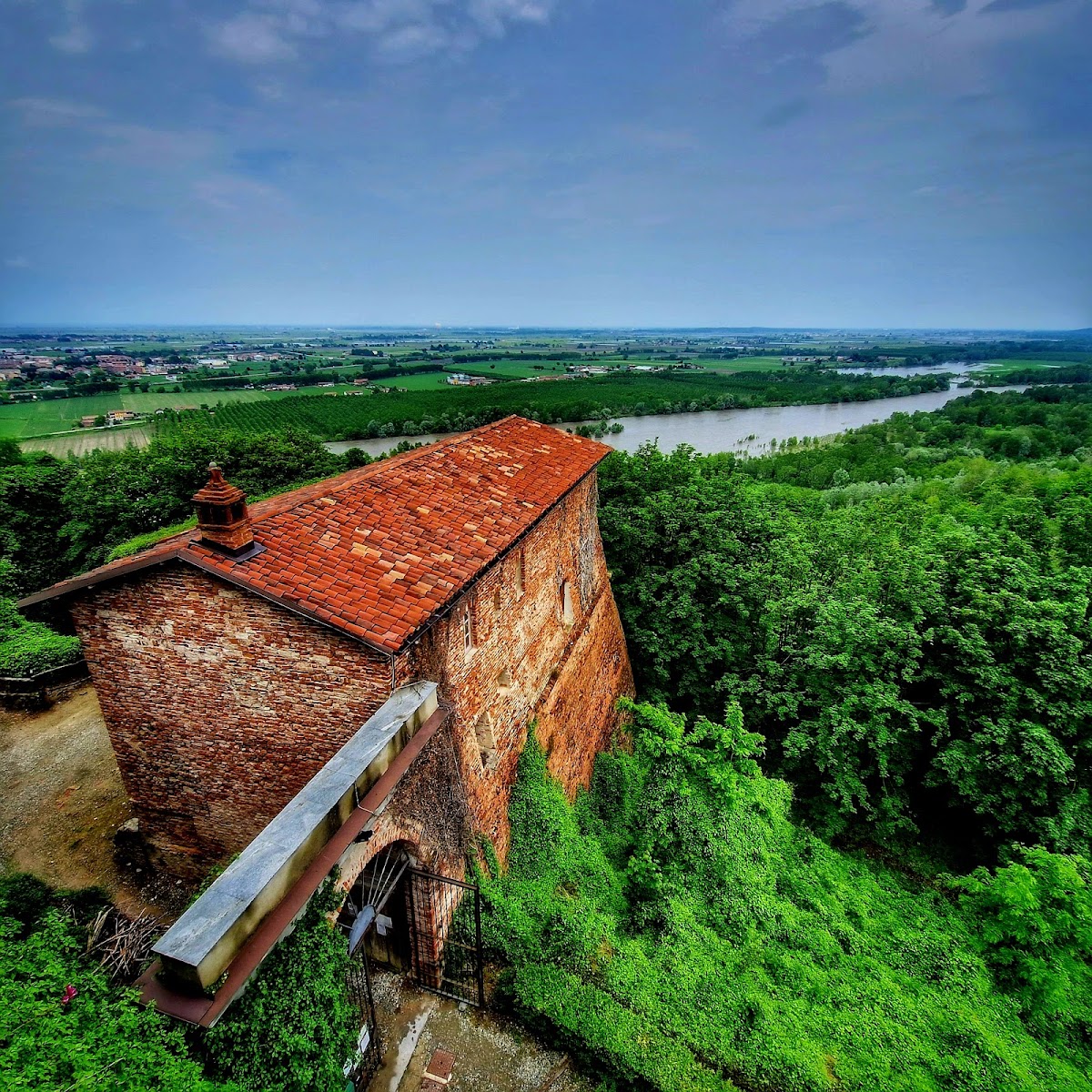
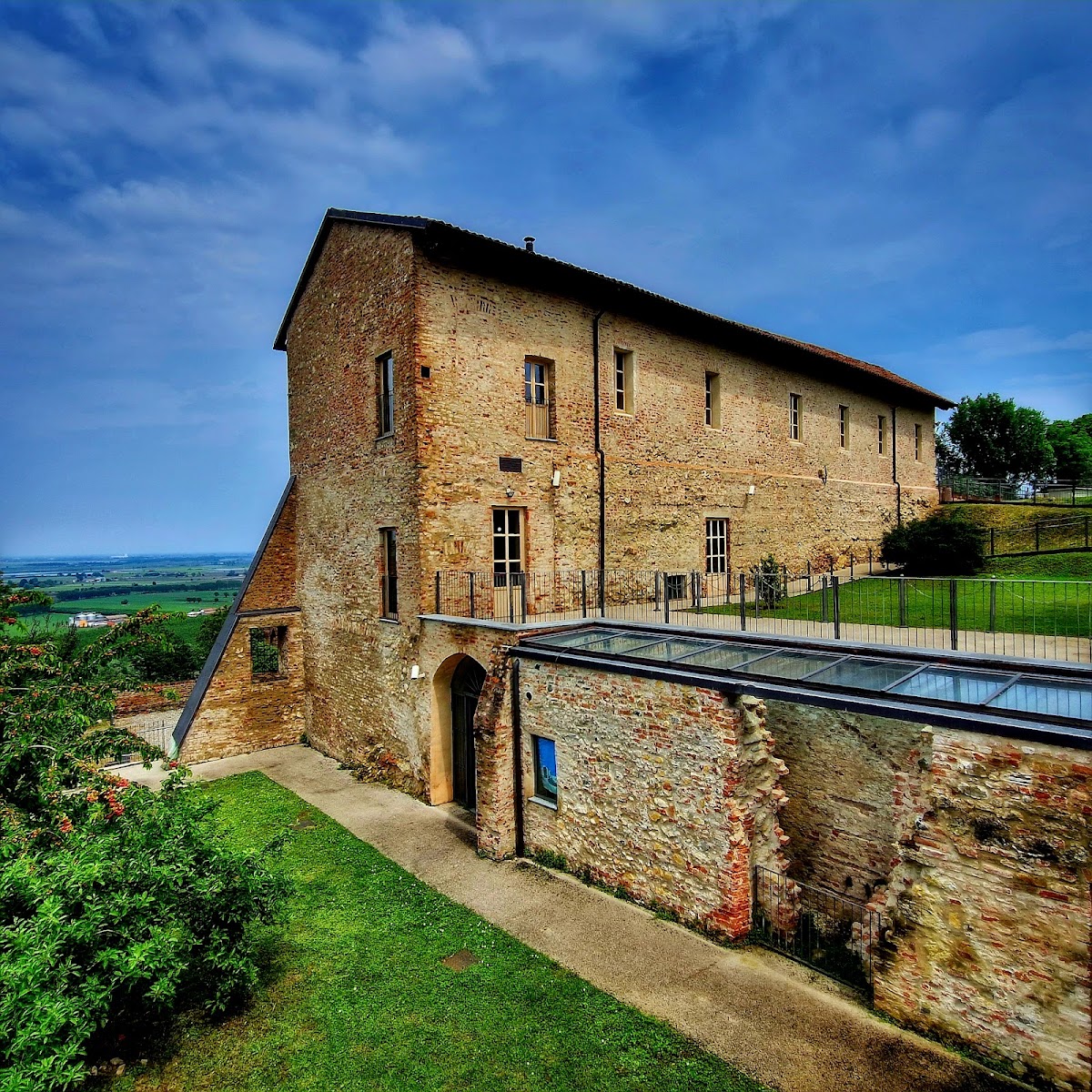
The Donjon, the principal fortified tower of a castle or fortress, formed the core of the upper complex. Its associated structures are the only part of the fortress stated to remain visible, and this area is partially restored. The earlier defensive enclosure incorporated the four named bastions around the wall, while the Donjon belonged to the principal fortified group within it.
Central Warehouses and Barracks
Soldiers’ barracks stood within the main fortress alongside the Donjon and a well. At the center, bomb-proof warehouses provided protected storage for weapons and ammunition. Their purpose reflects the fortress’s later adaptation to artillery warfare.
Lower Settlement
Residential and Military Buildings
Below the main fortress lay the settlement of Verrua. Its buildings included the Officers’ Quarters, Piazza Reale, the Governor’s House, the Church Barracks, and the Soccorso Barracks. These structures formed the residential, administrative, and military component associated with the upper stronghold.
Church of Saint John the Baptist
The settlement also included the Church of Saint John the Baptist, dedicated to its patron saint. It belonged to the lower settlement rather than the principal fortified complex.
Entrance and Surviving Connections
Porta del Soccorso
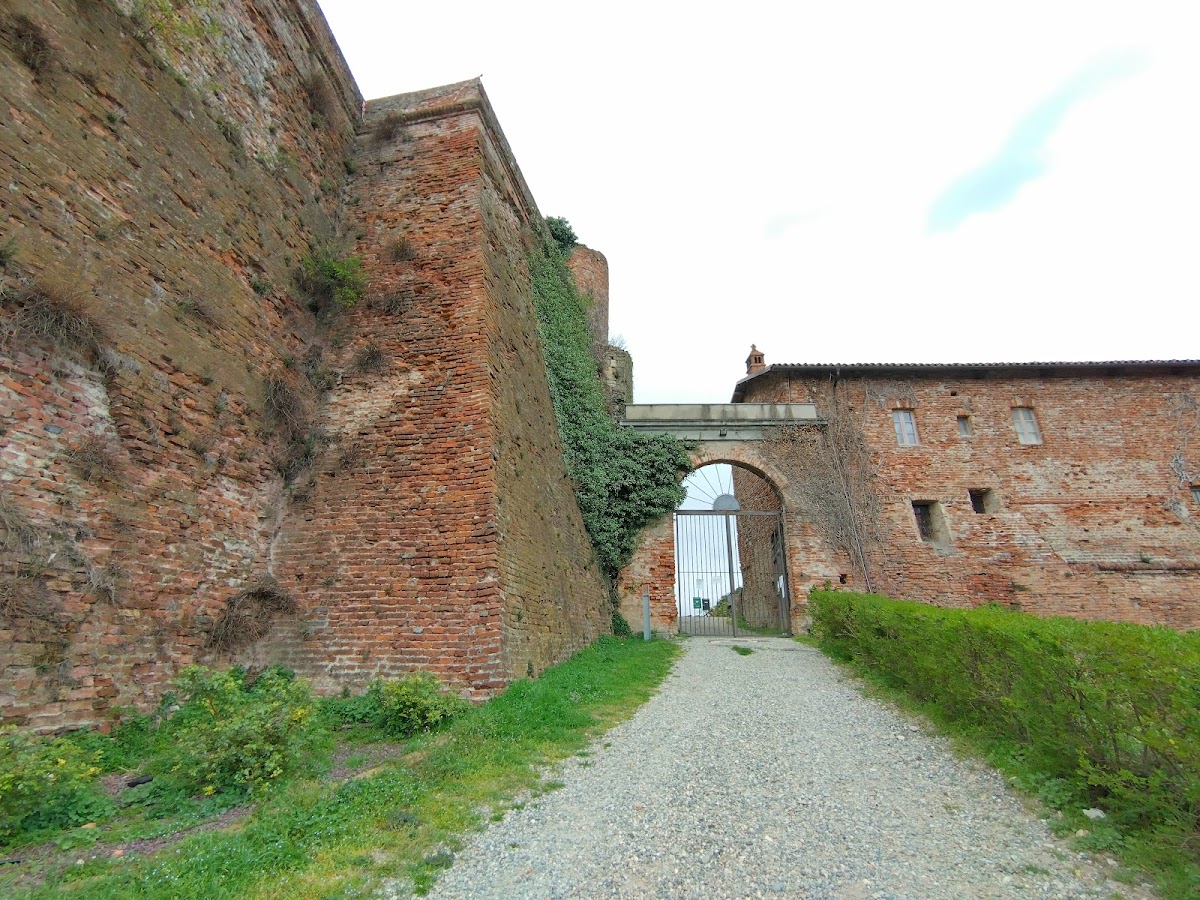
The fortress had a single entrance, the Porta del Soccorso. It opened onto the road of the same name, which connected the stronghold with the plain.
Ponte del Soccorso
The Ponte del Soccorso is among the surviving structures associated with the site. Together with the Donjon and its related remains, it forms part of the partially restored fabric visible today.