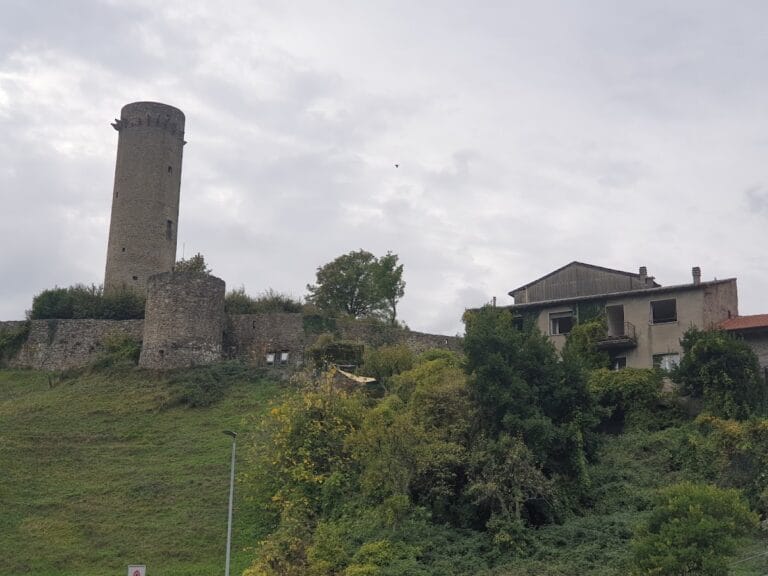
Rocca Ariostesca: A Medieval Fortress in Castelnuovo di Garfagnana, Italy
Visitor Information
Google Rating: 4.3
Popularity: Low
Official Website: www.museofurioso.com
Country: Italy
Civilization: Early Modern, Medieval European
Site type: Military
Remains: Castle
History
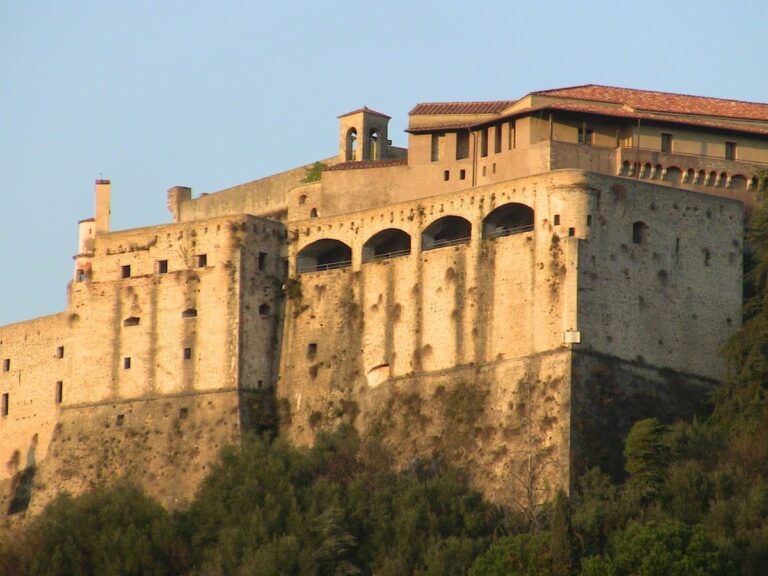
The Rocca Ariostesca is a medieval fortress located in Castelnuovo di Garfagnana, Italy. Its origins can be traced back to a small military presence on the site during the 10th century, although its current fortress form began to take shape in the 12th century under the influence of local medieval rulers. This early structure formed the basis for an evolving defensive complex that grew in importance as Castelnuovo di Garfagnana developed.
Throughout the 13th century, the fortress underwent several structural changes, adapting to the military needs of the period. A major transformation occurred in the early 14th century when Castruccio Castracani, a prominent condottiere—Italian military leader—expanded the town’s defensive walls, integrating the fortress further into the fortified village. This expansion reflected the strategic importance of the settlement in controlling the Garfagnana region.
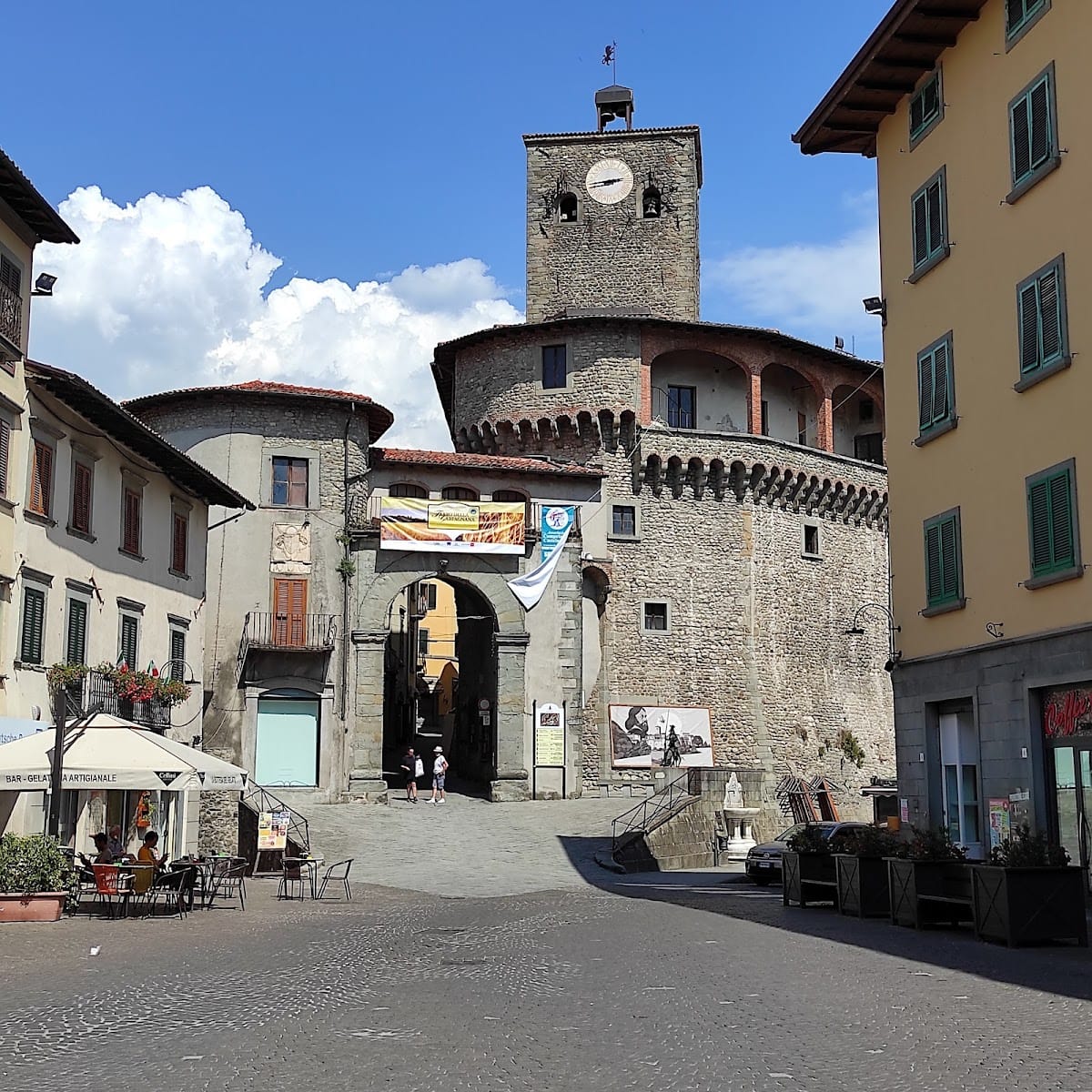
In the early 15th century, Paolo Guinigi, lord of Lucca, contributed to the Rocca’s development by commissioning the construction of a large central tower. This tower was distinctive for including a civic clock and later served as a prison, indicating its dual role in both municipal administration and detention. The tower remains a notable feature linking the fortress to the governance and daily life of the town.
The name Rocca Ariostesca originates from its connection to the Este family’s rule and the tenure of the celebrated poet Ludovico Ariosto, who served as governor of Garfagnana between 1522 and 1525. His administration marked a cultural as well as political chapter for the fortress. In the following century, the poet and diplomat Fulvio Testi took over this role, continuing the tradition of literary figures governing from the Rocca.
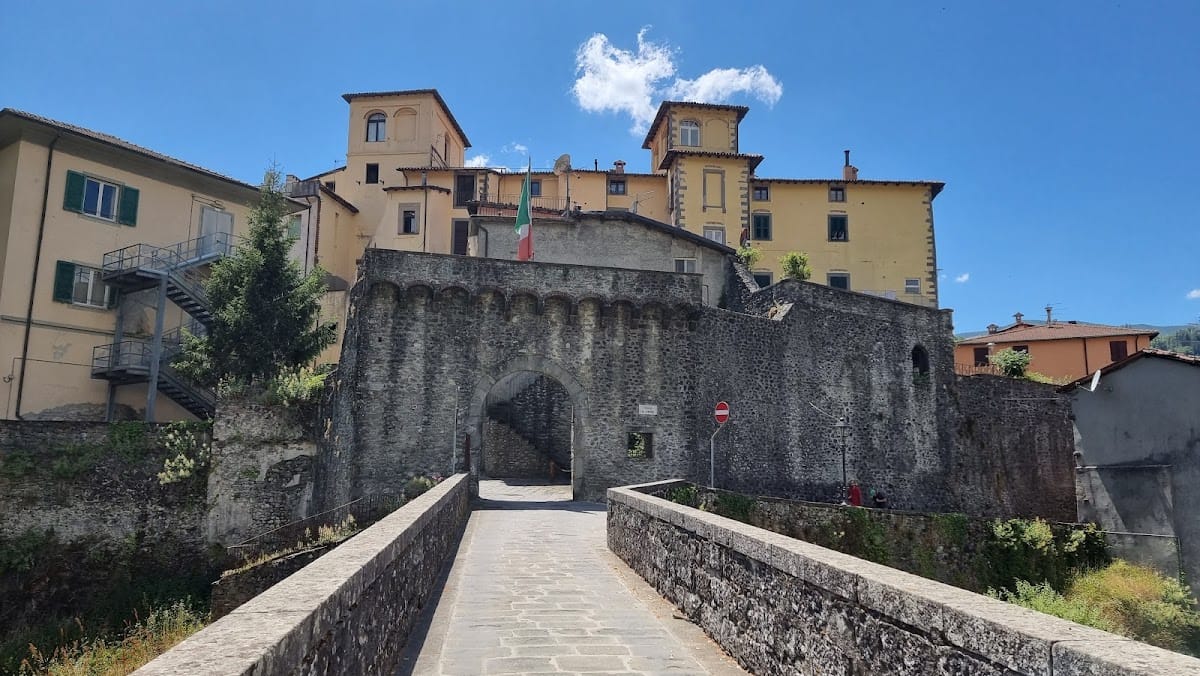
Further modifications were made in 1675 when a terrace facing the main square was added alongside the opening of a monumental arch granting access to the town center. This enhancement reflected ongoing civic improvements and the fortress’s integration into the urban fabric of Castelnuovo di Garfagnana.
The Rocca suffered damage during World War II, after which restoration efforts were undertaken to preserve its medieval character. Today, the fortress serves not only as a historical monument but also as a cultural center, housing an archaeological museum that showcases artifacts from prehistoric times through Ligurian-Apuan and Etruscan periods, highlighting the area’s long human presence.
Remains
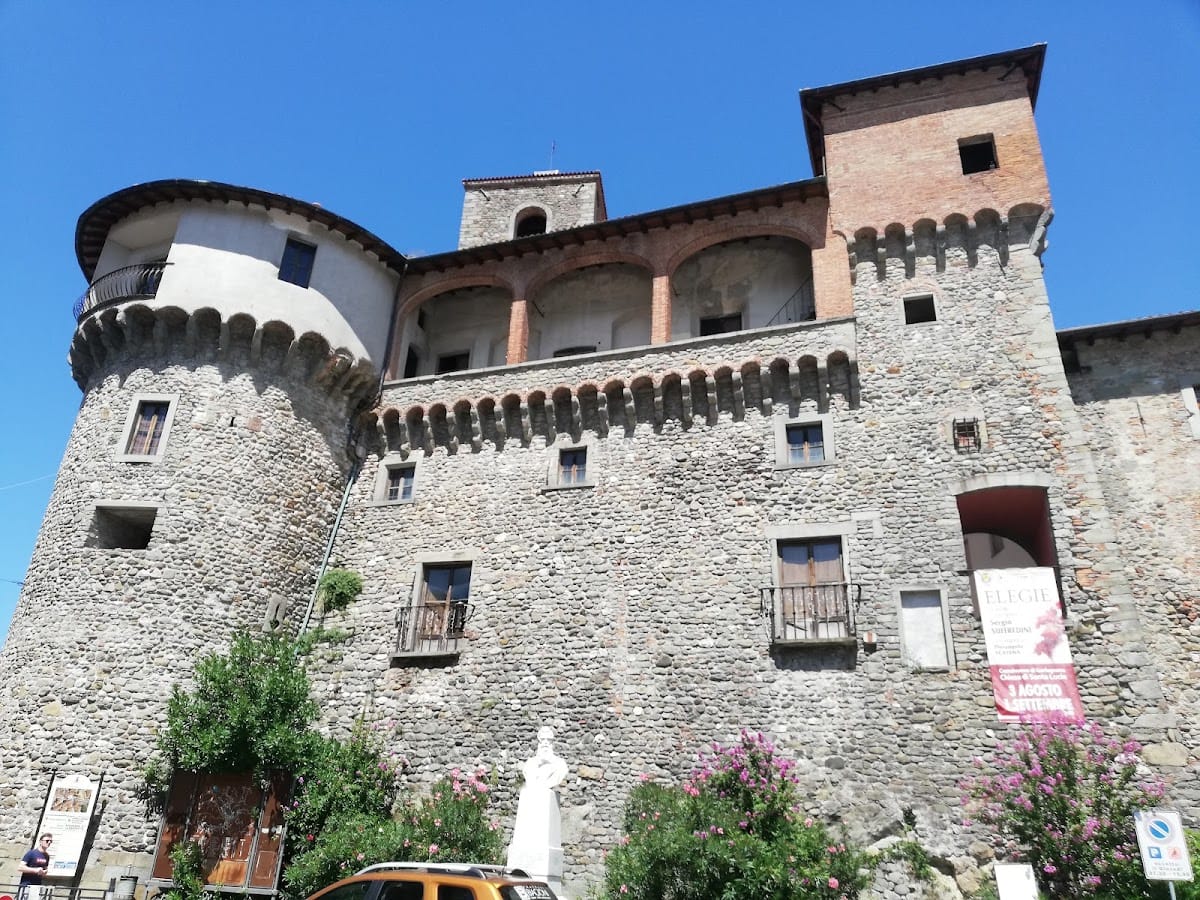
The Rocca Ariostesca presents a robust layout characteristic of medieval fortifications, dominated by a central tower constructed in the early 15th century. This tower features a prominent civic clock, reflecting its role in marking time for the town, and was historically used as a prison, indicating its function in local governance and law enforcement. The tower’s construction employed materials typical of the period, assembled to create an imposing structure overlooking the central square, underscoring its commanding position within the town.
In 1675, a terrace was added to the fortress, oriented toward the principal square, Umberto I, enhancing the fortress’s interaction with the public space. This terrace was built simultaneously with a monumental arch that provides access to the town center, combining defensive architecture with civic design. The terrace and arch represent a significant modification from earlier defensive-focused features to include more ceremonial and urban functions.
Within the fortress, the interiors once held furnishings and decorative tapestries, notably in the “Sala dei Principi” or Hall of Princes. Although these elements no longer survive, their previous existence points to a richly adorned interior appropriate for noble or governmental use. The fortress’s structure, while restored after wartime damage, still preserves the medieval fortification style, enabling a clear understanding of its original defensive purpose.
The archaeological museum housed inside the Rocca contains numerous finds from various prehistoric and ancient cultures, including the Ligurian-Apuan and Etruscan peoples who inhabited the Garfagnana region. These artifacts provide important insights into the area’s extensive human history, although specific details about individual items or their forms are not detailed in existing records. The continuing presence of such material within the Rocca reflects its role as a custodian of local heritage through the ages.
Nearby sites