Rowton Castle: A Seventeenth-Century Country House and Wedding Venue
Site at a Glance
- Rating
- 4.8
- Popularity
- Low
- Country
- United Kingdom
- Primary era
- Early Modern
- External website
- Open
- Eras represented
- Early Modern
- Civilizations
- English
- Site type
- Domestic
- Remains
- Elite Residence
On this page4 sections
History
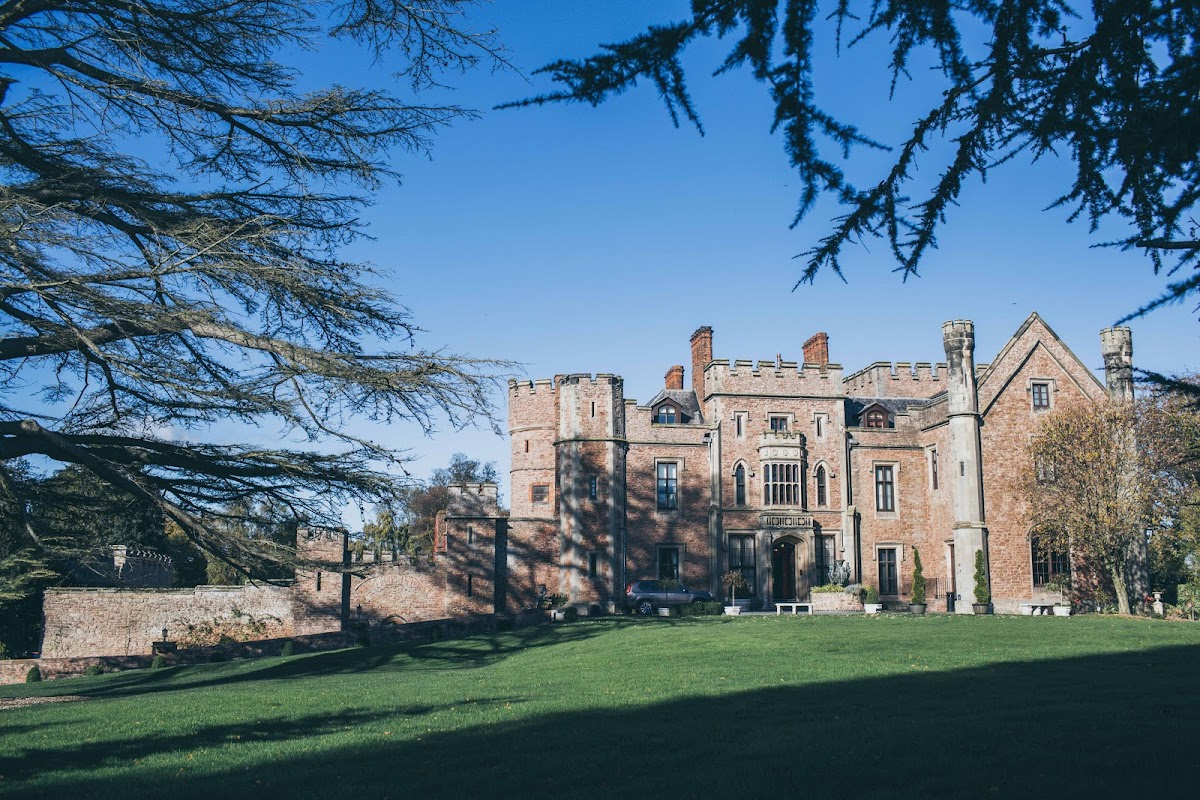
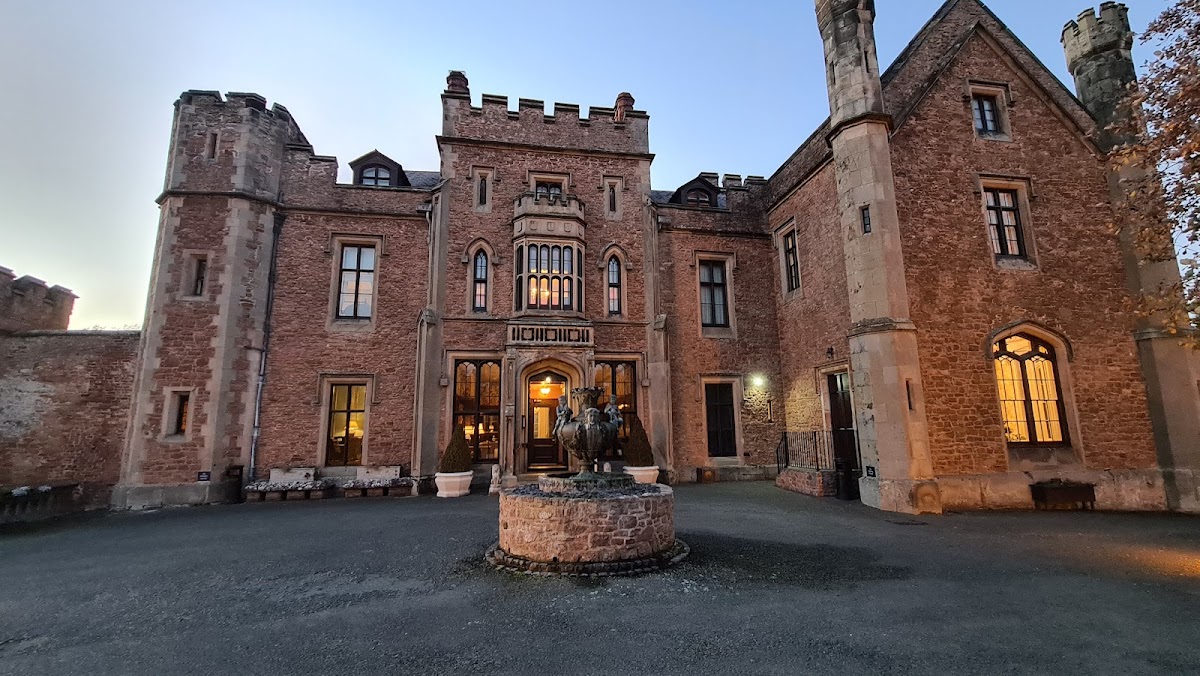
Rowton Castle is a seventeenth-century country house in Halfway House, Shrewsbury, United Kingdom, built on the site of an earlier castle that had existed for several hundred years. The present building is also described as a castle and is a Grade II* listed building, a designation for structures of particular importance within England’s national heritage system. Its listing dates from 1952.
The Lyster Family and Later Ownership
The house remained with the Lyster family until Lady Charlotte Lyster died in 1889. She left Rowton Castle to her nephew, Montagu Corry, 1st Baron Rowton, a British philanthropist and political figure. After his death in 1903, the property passed to his nephew, Colonel N. A. Lowry Curry. Major Lees later became the owner and sold the house to the Royal National College for the Blind in 1941.
The Royal National College for the Blind
The college was a specialist educational institution for blind students. It had previously operated in Upper Norwood, London, but its premises were bombed during the Blitz, the German bombing campaign against Britain during the Second World War. The authorities subsequently acquired the damaged premises, requiring the college to find new accommodation.
At Rowton Castle, the college provided accommodation for staff and senior pupils and housed dining areas for both junior and senior pupils. As the institution expanded, it acquired further premises in and around Shrewsbury. A fire in 1953 destroyed much of the buildings, along with 38 pianos and organs used to train pupils in tuning. A student raised the alarm, allowing everyone present to evacuate safely. Training continued temporarily with assistance from Henshaw’s Institution for the Blind, which provided education and training for blind people.
The college eventually moved its entire operation to Hereford in 1978, where its facilities could be brought together on one campus. Rowton Castle then stood empty for several years. Conversion into a hotel began in 1986, and the hotel opened on 12 April 1989. The current owners acquired the house in October 1997.
Remains
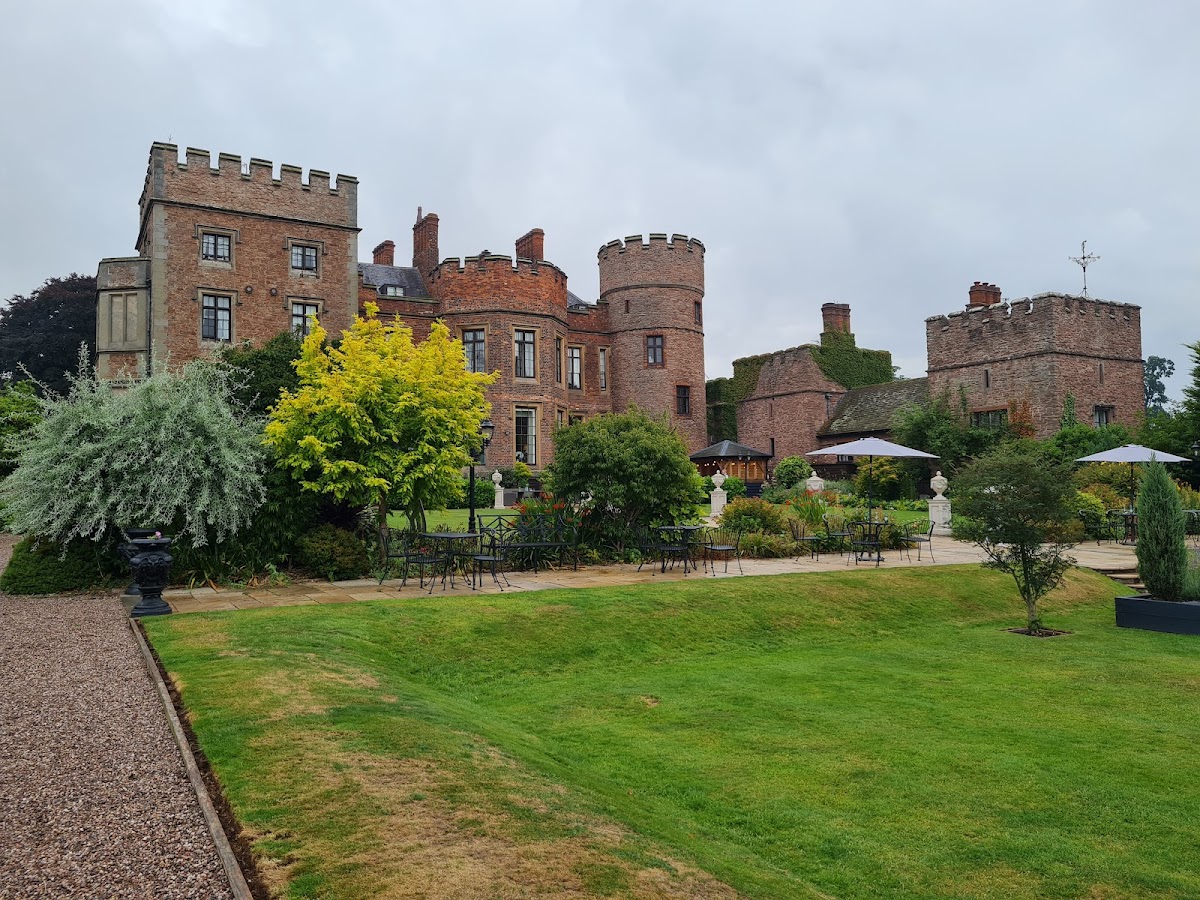
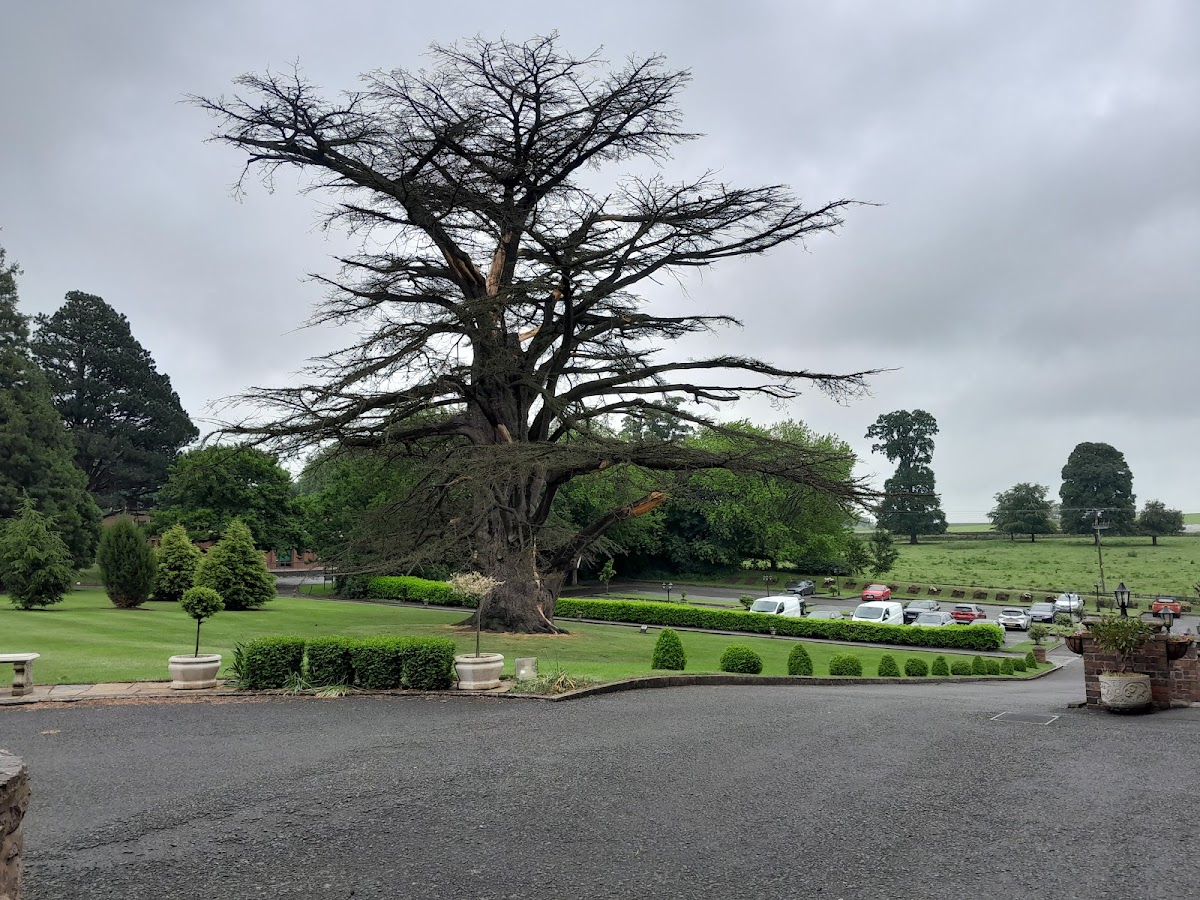
Rowton Castle survives as a seventeenth-century country house surrounded by approximately 17 acres, or about 6.8 hectares, of gardens. The building and grounds retain the property’s country-house character, while later changes reflect its long institutional and commercial use.
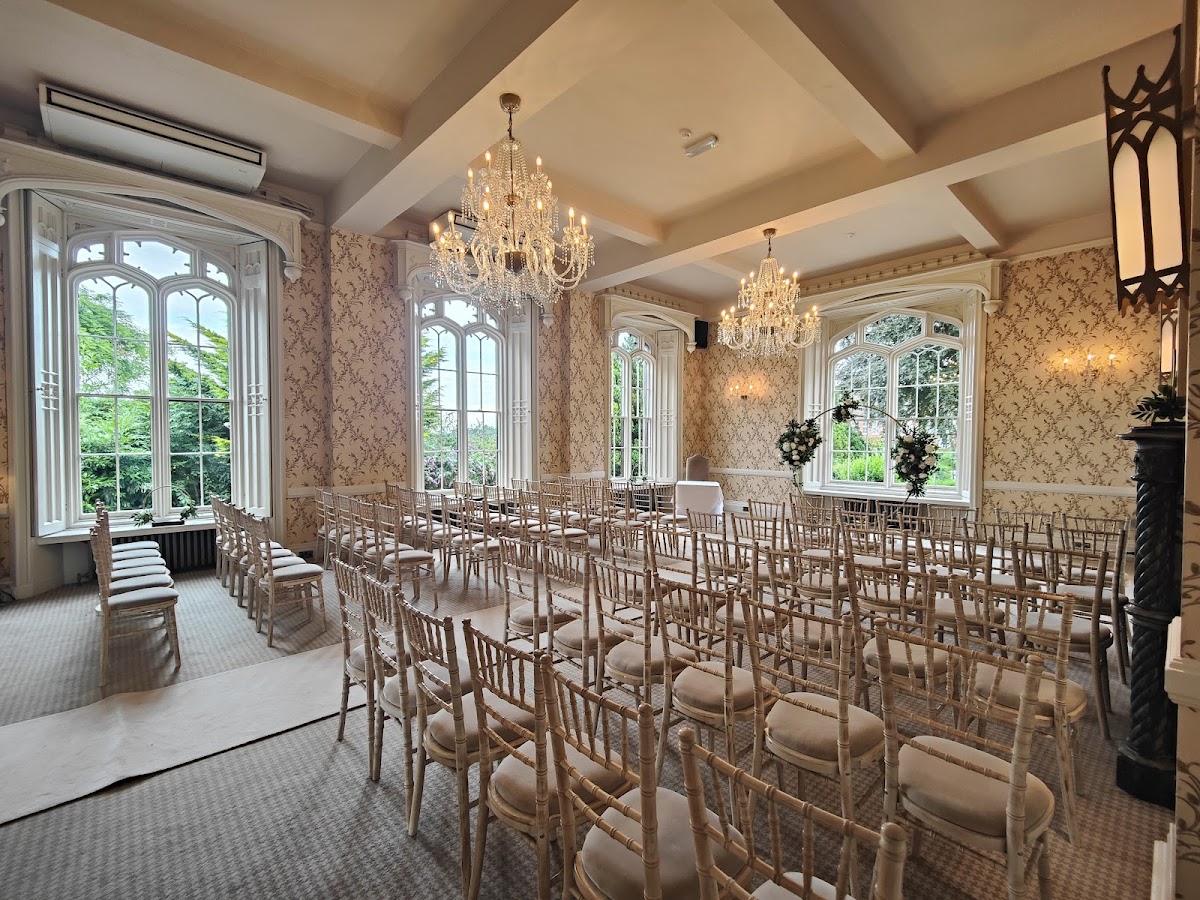
During the period when the Royal National College for the Blind occupied the property, classrooms were constructed on the eastern side of the building. These spaces were later converted into private apartments. The house is now used as a wedding venue, hotel, and restaurant.