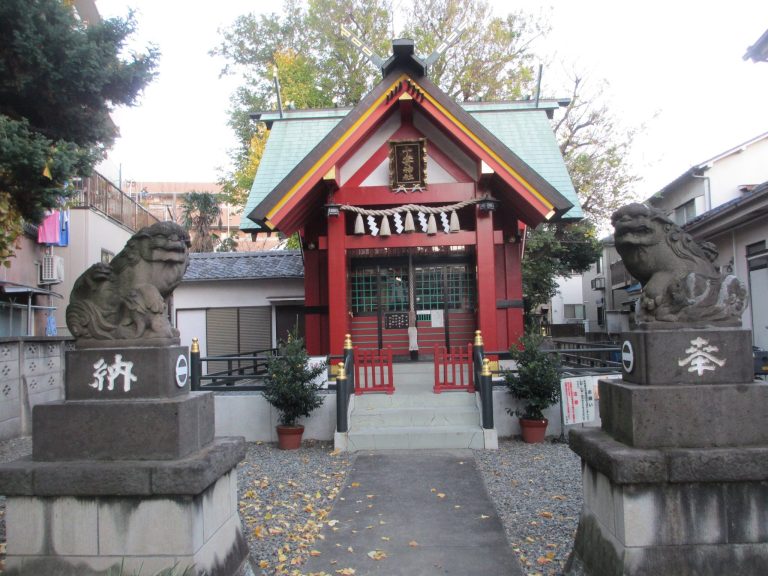
Renshoji Temple: A Jodo Buddhist Temple in Yokohama


Site at a Glance
- Rating
- 3.7
- Popularity
- Very Low
- Country
- Japan
- Primary era
- Modern
- Eras represented
- Modern
- Civilizations
- Japanese
- Site type
- Religious
- Remains
- Sanctuary
On this page10 sections
History
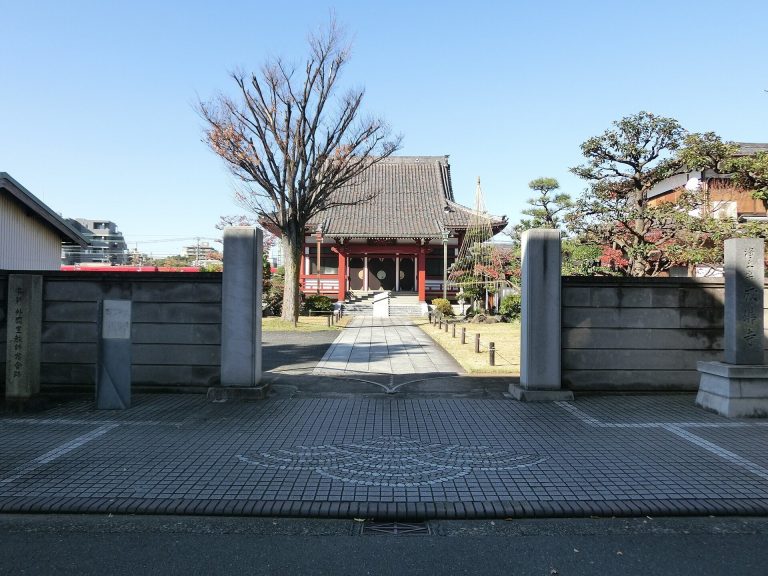
Renshoji Temple is a Jodo Buddhist temple in Yokohama, Japan, traditionally founded in 1315 by Rensho Shonin. Jodo Buddhism is a Mahayana tradition centered on devotion to Amida Buddha and rebirth in the Pure Land. The temple’s principal image is Amida Buddha, and its mountain name is Kikunazan, while Kirakuin is used as its secondary temple name.
Foundation and revival
Renshoji later declined before being revived and moved to its present location during the Tenbun period, which lasted from 1532 to 1555. The revival is associated with the monk Kiraku. One tradition holds that the name Kikuna derives from the temple’s mountain name, Kikunazan.
Bishamonten and local traditions
The temple forms part of the Yokohama Seven Lucky Gods pilgrimage circuit and is dedicated there to Bishamonten, a Buddhist guardian deity associated with protection, warfare, and prosperity. The image is specially opened during the first seven days of each New Year and on the first Day of the Tiger in January, May, and September.
Local traditions connect Renshoji with several unusual stories. A stone monkey in the grounds was said to have foretold the Great Kantō Earthquake, the 1923 disaster that struck the Tokyo-Yokohama region. Another tale concerns the “Running Daikoku.” Nearby Kawasaki-zaka is associated with a tanuki, a raccoon-dog figure in Japanese folklore, that disguised itself as a kettle and rolled down the slope. This tradition gave the slope the additional name Yakanzaka.
Memorials after the Great Kantō Earthquake
Renshoji’s cemetery preserves memorials connected with the massacre of Koreans after the Great Kantō Earthquake. In the disaster’s aftermath, false rumors and social unrest led to massacres of Koreans and other minorities. In 1933, Murao Rikichi privately erected the Soul-Mourning Monument and a Korean ossuary at his family grave in Mitsuzawa Cemetery.
Following Murao’s death in 1946, Lee Seongchil, director of the Korean social-welfare institution Airin-en, arranged for the memorial and ossuary to be moved to Renshoji in 1947. Bones collected and kept by Lee after the earthquake are said to have been received by Tōrinji and Renshoji through the mediation of Saeki Myochi, chief priest of Hōshōji. An autumn memorial service continues to be held at the memorials.
A further monument was added in 1947 to commemorate the transfer and reburial of the Korean ossuary. Its reverse records the circumstances of the relocation. Suzuki Tatsuji, the first principal of Yokohama Higher Technical School, now Yokohama National University, wrote the calligraphy for the inscriptions associated with the transfer. Nine characters were removed from the Soul-Mourning Monument during the relocation, although the exact wording of the deleted passage has not been established. A monument commemorating renovation of the Korean cemetery was added in 1989.
Remains
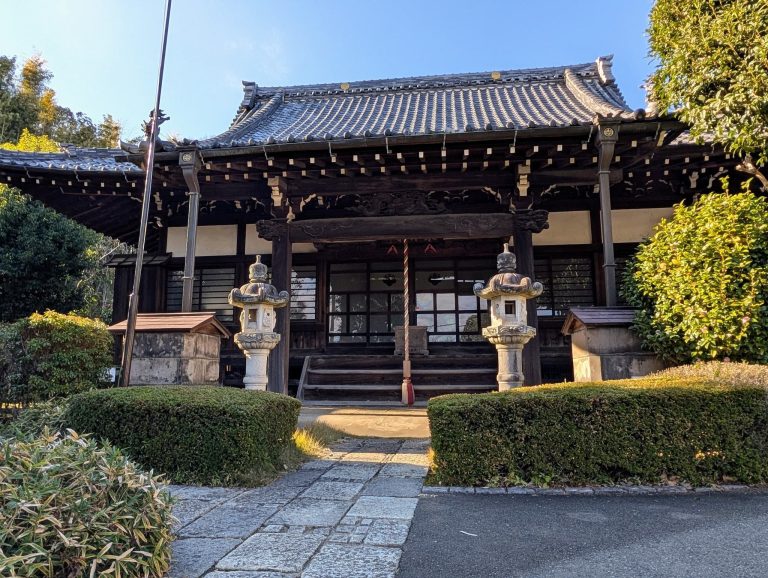
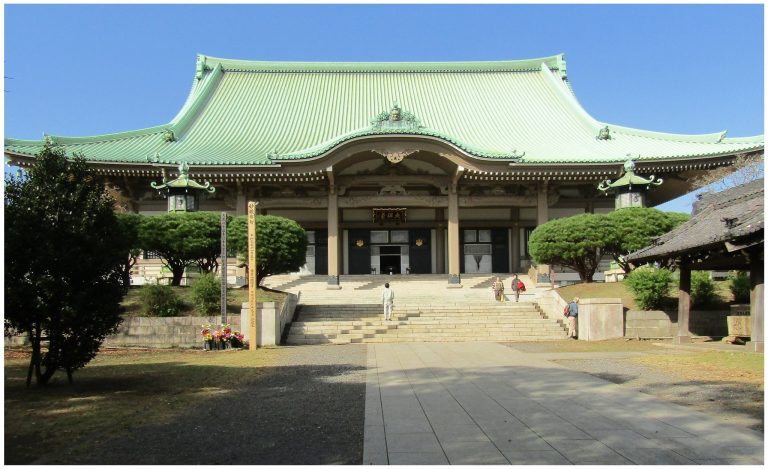
Renshoji’s surviving complex includes a main hall, a bell tower, and a Bishamonten Hall. The cemetery forms another important part of the site, containing the Soul-Mourning Monument, the Korean ossuary, and monuments associated with their relocation and the later renovation of the Korean cemetery.
Temple buildings
The main hall and bell tower are part of the temple complex, whose religious focus is the worship of Amida Buddha. The Bishamonten Hall houses the temple’s image of Bishamonten. Because the figure holds a spear in its left hand, it is also known as the “left-handed Bishamonten.” The image is traditionally attributed to Unkei, a leading sculptor of the late Heian and early Kamakura periods, and is regarded as one of Japan’s Three Great Bishamonten.
Cemetery memorials
Soul-Mourning Monument and Korean ossuary
The cemetery contains the Soul-Mourning Monument and the Korean ossuary originally established by Murao Rikichi in 1933 at his family grave in Mitsuzawa Cemetery. Their presence at Renshoji reflects the later transfer of both memorial elements and their continuing connection with the Korean victims of the post-earthquake massacres.
Relocation-and-reburial monument
The 1947 relocation-and-reburial monument stands beside the earlier memorials. Its inscription explains the transfer of the ossuary, with additional text engraved on the reverse. The monument therefore preserves a record of how the remains and memorials came to be placed at Renshoji.
Korean cemetery renovation monument
A separate monument added in 1989 commemorates the renovation of the Korean cemetery. Together with the earlier memorials and the 1947 monument, it forms part of the cemetery’s memorial complex.