Kozukue Castle: A Sengoku-Era Hill Fortress in Yokohama


Site at a Glance
- Rating
- 3.9
- Popularity
- Low
- Country
- Japan
- Primary era
- Medieval
- Eras represented
- Medieval, Early Modern
- Civilizations
- Later Hōjō
- Site type
- Military
- Remains
- Castle
On this page10 sections
History
Kozukue Castle is a fifteenth-century hill castle in Japan, located in Kozukue, Yokohama. Generally placed around the Eikyo Disturbance of 1438 to 1439, its foundation date remains uncertain, and a fourteenth-century origin has also been proposed. The castle was also known as Iida Castle and Negoya Castle.
Foundation and the 1478 rebellion
Kozukue Castle first appears clearly in the historical record during the 1478 phase of the Nagao Kageharu rebellion. Kageharu was a warrior who rebelled against the Yamanouchi branch of the Uesugi clan, a powerful medieval lineage whose members held the office of Kanto kanrei, a senior deputy position in the shogun’s government. Because Kozukue supported Kageharu, Ota Dokan attacked it. Dokan was a samurai commander and castle builder serving the Uesugi family.
Dokan established a camp at Kamenokoyama on the opposite bank of the Tsurumi River and reportedly captured Kozukue Castle after a siege lasting about two months. The castle was then abandoned. Local traditions connect the battle with nearby place names associated with fallen soldiers, the execution of surviving defenders attributed to Dokan, and a valley said to have been reddened by their blood.
The Later Hojo stronghold
About 1524, after the region came under the authority of the Later Hojo clan, Hojo Ujitsuna repaired the abandoned castle. The Later Hojo were the Sengoku-period family that ruled much of the Kanto region from Odawara. Ujitsuna, a leader of the clan and son of its founder, Hojo Soun, appointed the senior retainer Kasahara Nobutame as governor. A castle governor was the resident commander responsible for administration and defense on behalf of the nominal lord.
Under the Later Hojo, Kozukue became a major stronghold in southern Musashi during the Sengoku period, an era of intense military competition among regional warlords from the fifteenth to the late sixteenth century. It was the largest and most important castle in the area now occupied by Yokohama. The surrounding Kozukue contingent, a locally organized group of warriors assigned to military service, comprised 29 men with a combined assessed revenue of approximately 3,438.192 units.
The castle was administered by members of the Hojo family. The succession included Hojo Tamemasa, Hojo Gennan, Hojo Tokinaga, Hojo Ujitaka, Hojo Ujinobu, Uesugi Kagetora, and Hojo Ujimitsu. Tamemasa, Ujitsuna’s second son, held office until about 1542. Gennan, the fourth son of Ise Moritoki, followed until about 1556; his eldest son Tokinaga served until about 1560. Ujitaka, Ujitsuna’s third son, held the position until about 1562, followed by Gennan’s second son Ujinobu until about 1569. Uesugi Kagetora, the seventh son of Hojo Ujiyasu and adopted son of Uesugi Kenshin, served until about 1570. Ujimitsu, Ujitaka’s second son, remained in office until 1590. Ujimitsu was followed by Ujinori and Ujikiyo, after which the succession is no longer recorded.
Gennan, Tokinaga, and Ujinobu belonged to the Kuno-Hojo line, while Ujitaka and Ujimitsu were known as the Kozukue-Hojo line. The Kasahara clan’s Echizen-no-kami house held the hereditary governorship. Its governors were Kasahara Nobutame, his son Yasukatsu, Yasukatsu’s son Terushige, and Terushige’s son Shigemasa. Nobutame and Yasukatsu also commanded the Later Hojo military formation called the White Division of the Five Colors.
The contingent’s leading retainers included Kasahara Sado-no-kami, Soya Geki, Soya Uneme-no-suke, Kanda Jirozaemon, Ichino Suketaro, Masuda Mitsuhide, Zama Bungo-no-kami, Murashima Saemon, Ninomiya Yoshitada, Iwamoto Izumi-no-kami, Takada Genba-no-suke, Saruwatari Takumi-no-suke, Nakata Kaga-no-kami, Hasegawa Tamehisa, Numagami Dewa-no-kami, Ishihara Yukimori, and Osone Hida-no-kami. Zama commanded Chigasaki Castle, while Saruwatari and Nakata commanded Saedo and Yagami castles.
Abandonment and later memory
In 1590, Toyotomi Hideyoshi’s campaign against Odawara brought the Later Hojo regime to an end. Hideyoshi, the military ruler who unified most of Japan in the late sixteenth century, received Kozukue Castle’s surrender without resistance. The castle was left undamaged, but it was later abandoned when Tokugawa Ieyasu entered the Kanto region and established the political order that became the Tokugawa shogunate.
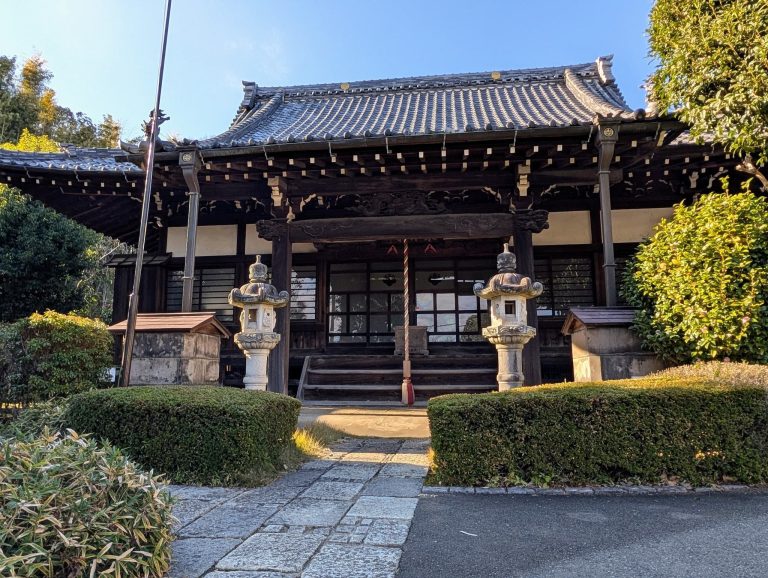
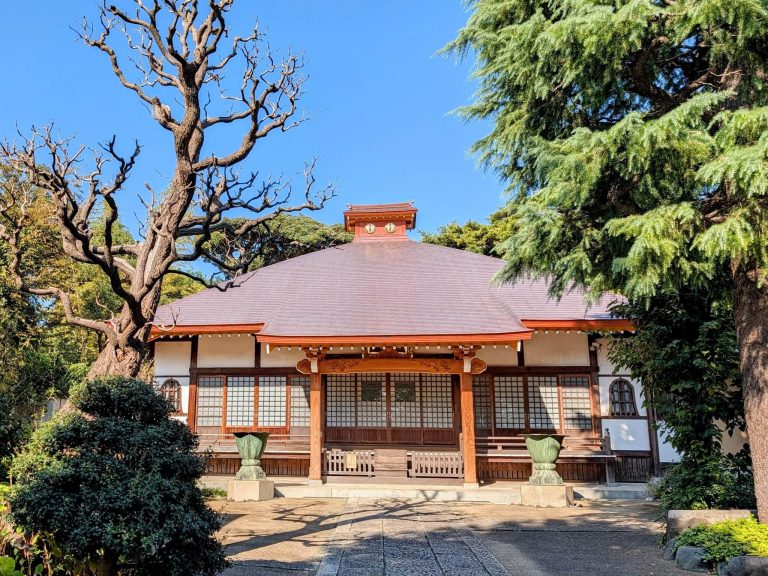
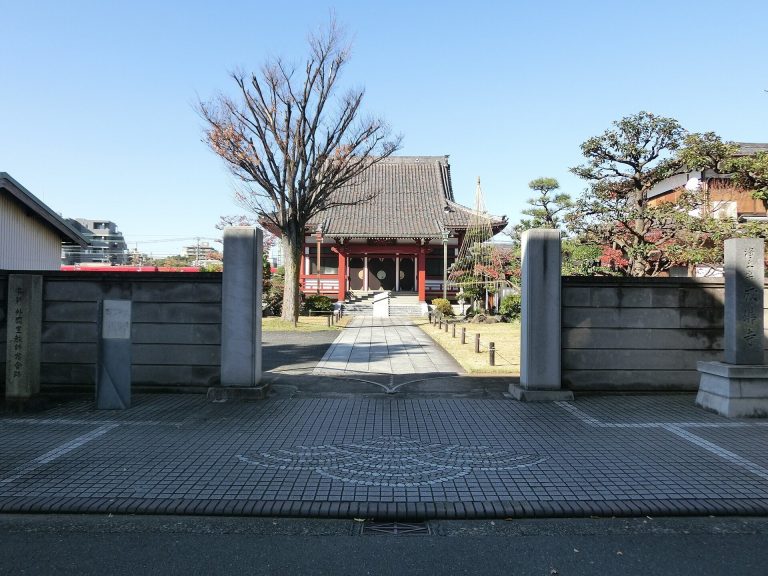
Kozukue’s later history remained connected with the Kasahara family. Kasahara Nobutame founded the Soto Zen temple Unshoin as a memorial for his father, Kasahara Nobutaka. Soto is a major branch of Zen Buddhism. A fire during the tenure of the temple’s second abbot led to its relocation from the area now called Kandaiji to Kozukue, where it became the present Unshoin. Local farmers later found an urn and six-mon coins near the Salt-Tasting Jizo, a statue associated with offerings of salt for treating warts. The urn’s later whereabouts are unknown, and its connection with the Kasahara family remains only a possibility. Local tradition places the statue before the gate of the former temple.
In 1892, nine settlements of Kozukue Village adopted the name Shirosato, meaning “castle village,” because the castle had stood there. The name continued until the area was incorporated into Yokohama in 1927 and survives in local institutional names, including schools. The ruins were designated a Kanagawa Prefecture Special Green Conservation District on 15 May 2006 and have been maintained as Kozukue Castle Ruins Citizens’ Forest. The site is recognized as a buried cultural-property location, although it does not have historic-site designation. In 2017, it was selected as Castle No. 125 in the Continued Top 100 Japanese Castles.
Remains
Kozukue Castle was a hirayama castle, meaning a fortified site built on a hill or low mountain rather than on a high mountain or flat ground. Its defenses were formed chiefly from earthworks rather than a stone-built keep. The main grounds occupy the summit of a wooded hill and follow a connected-enclosure plan, with two principal enclosures separated by a narrow enclosure. Cut and lateral moats, dry moats, earthen ramparts, entrances, earthen bridges, tower platforms, and belt enclosures survive as parts of this defensive arrangement.
Principal enclosures
Western enclosure
The western principal enclosure is labelled the Honmaru, or main enclosure, on site. Part of it is now used for baseball, while the surviving earthworks are gradually deteriorating. Construction of the Third Keihin Road divided and destroyed part of its western side. The present label does not settle the enclosure’s historical role, because interpretations based on investigations extending back to the Edo period have variously favoured the eastern enclosure, the western enclosure, a change from east to west, or neither enclosure specifically.
Eastern enclosure
The eastern principal enclosure is labelled the Ninomaru, or secondary enclosure, and part of the area has been excavated. One modern interpretation identifies it as the historical main enclosure, despite the current on-site designation of the western enclosure as the Honmaru. Four recorded interpretations favour the east, two favour the west, two propose a change from east to west, and three do not identify one principal enclosure.
Ridges and surviving defenses
Fortifications continued along the western ridge. The underground Shiroyama Tunnel of the Yokohama Line heavily destroyed the remains above the ridge. Beside the enclosure across the Third Keihin Road, a trace of a cut moat survives. A cut moat is a ditch excavated across a ridge or approach as a defensive feature. Beyond that point, residential development has advanced, and a mound whose connection with the castle remains uncertain is also present.
Kamenokoyama and the Inkstone Pine
Kamenokoyama, across the Tsurumi River, was associated with Ota Dokan’s camp during the 1478 attack. A pine tree traditionally linked with Dokan was said to have stood beneath the place where he composed a poem encouraging his troops. The tree became known as the Inkstone Pine, was replanted several times, and is accompanied by a surviving monument in Hazawa.