Radvánszky Mansion in Radvaň: A Renaissance Residence
Site at a Glance
- Popularity
- Low
- Country
- Slovakia
- Primary era
- Early Modern
- Eras represented
- Medieval, Early Modern, Modern
- Civilizations
- Habsburg, Hungarian
- Site type
- Domestic
- Remains
- Elite Residence
On this page5 sections
History
Construction and Alterations
The Radvánszky mansion in Radvaň, Slovakia, is a Renaissance residence built during the first half of the sixteenth century. Renaissance architecture drew on renewed interest in classical forms. The mansion was rebuilt and altered during the seventeenth, eighteenth, and nineteenth centuries.
Restoration, Ownership, and Reuse
A reconstruction was completed in 1958, and the mansion was declared a Slovak National Cultural Monument on 26 June 1963. The city acquired it in 1994, and an archive occupied the building until 1997. After a period of disuse, the Slovak Monuments Board assessed its condition as derelict.
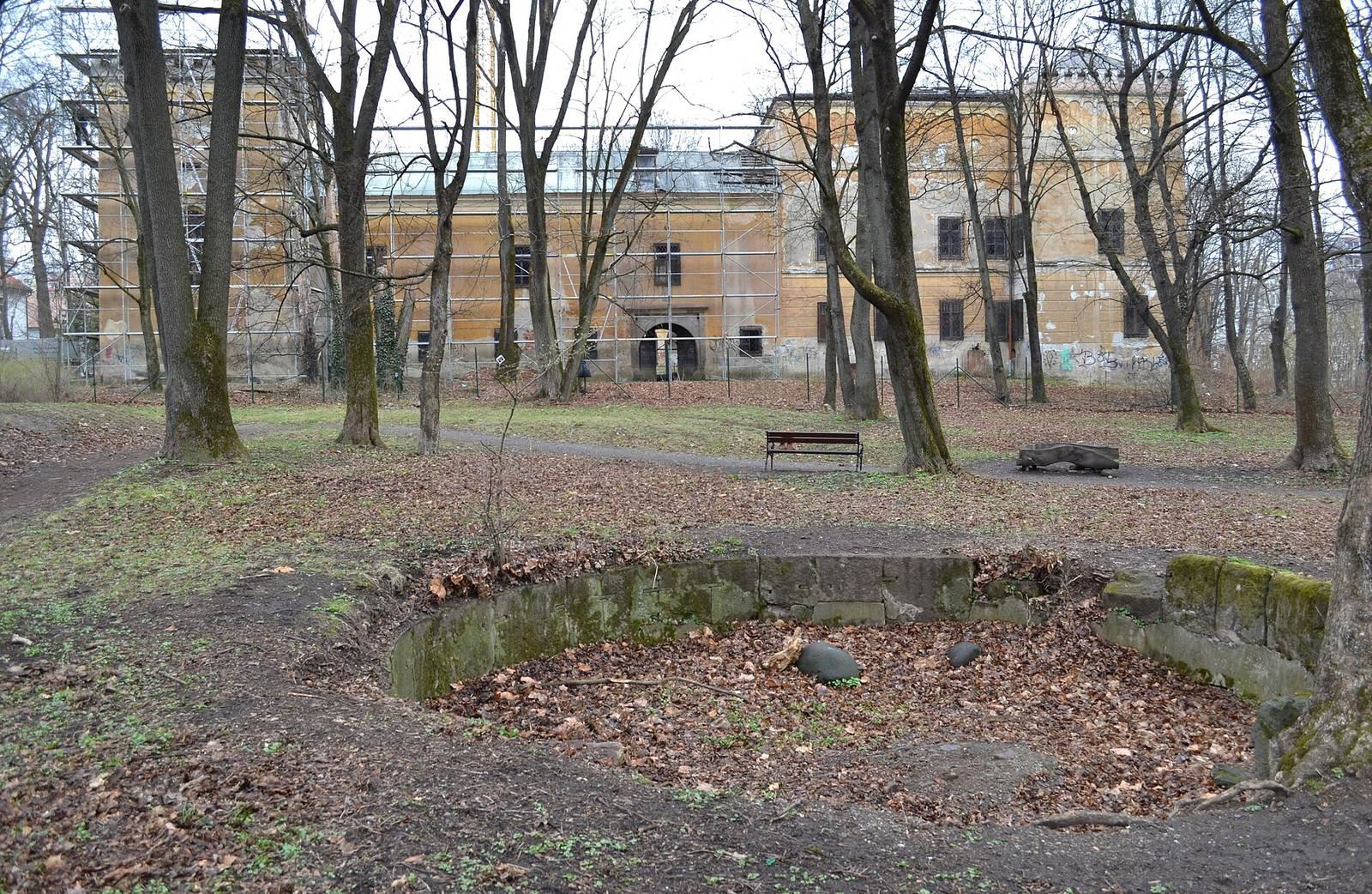
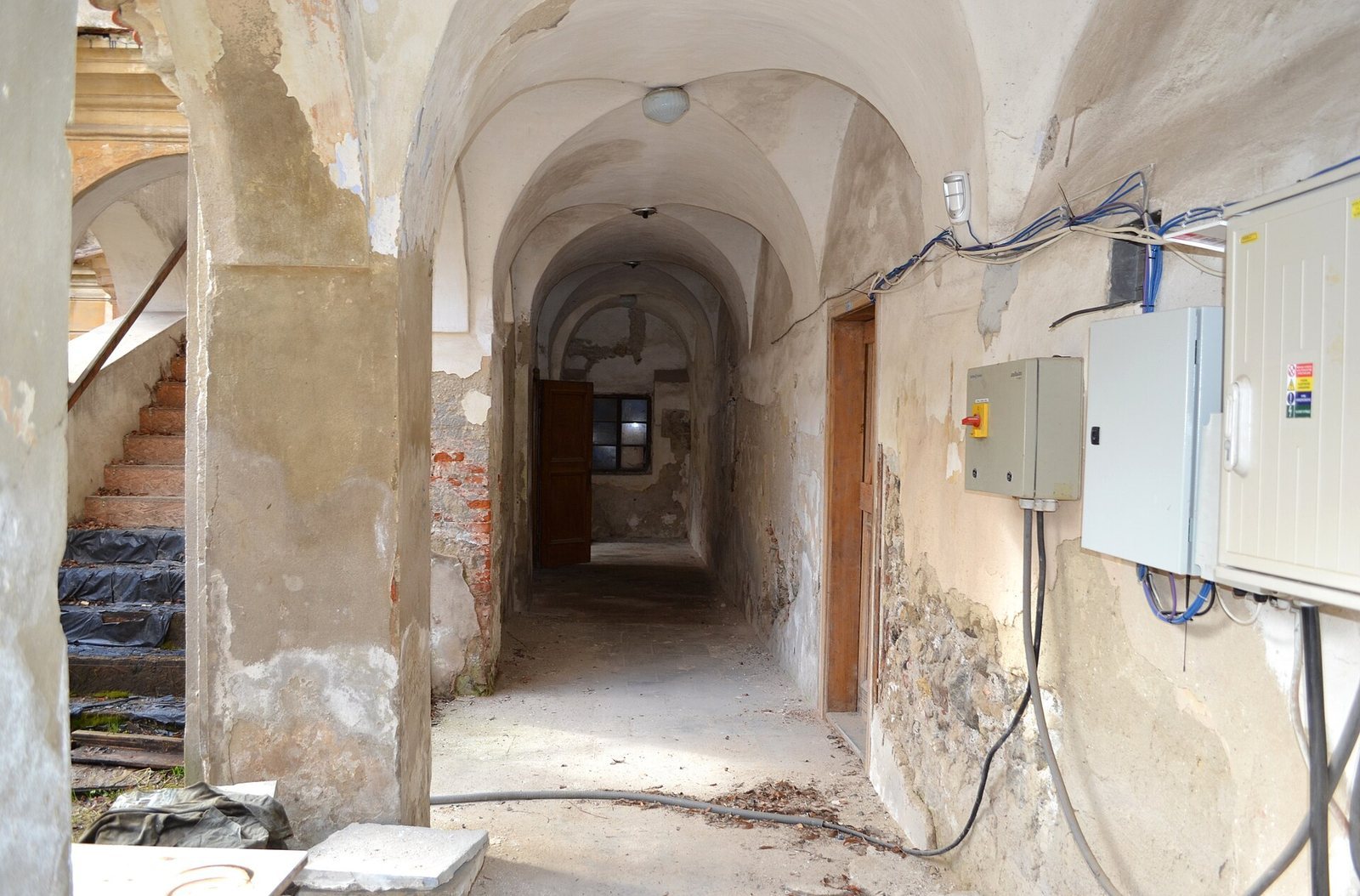
The Slovak Medical University expressed interest in the mansion in 2009, but its proposed reconstruction had not proceeded by 2012. In February 2013, Banská Bystrica approved a long-term lease to the Academy of Arts. The academy proposed opening the building for exhibitions, concerts, and other events, and considered a museum devoted to puppeteer Anton Anderle, who came from Radvaň. It planned to invest using expected Norwegian funds. A government grant was announced in December 2014, and reconstruction began on 15 April 2016. At that point, work was proceeding in its first phase while the academy sought funding for later phases.
Remains
Plan and Architectural Features
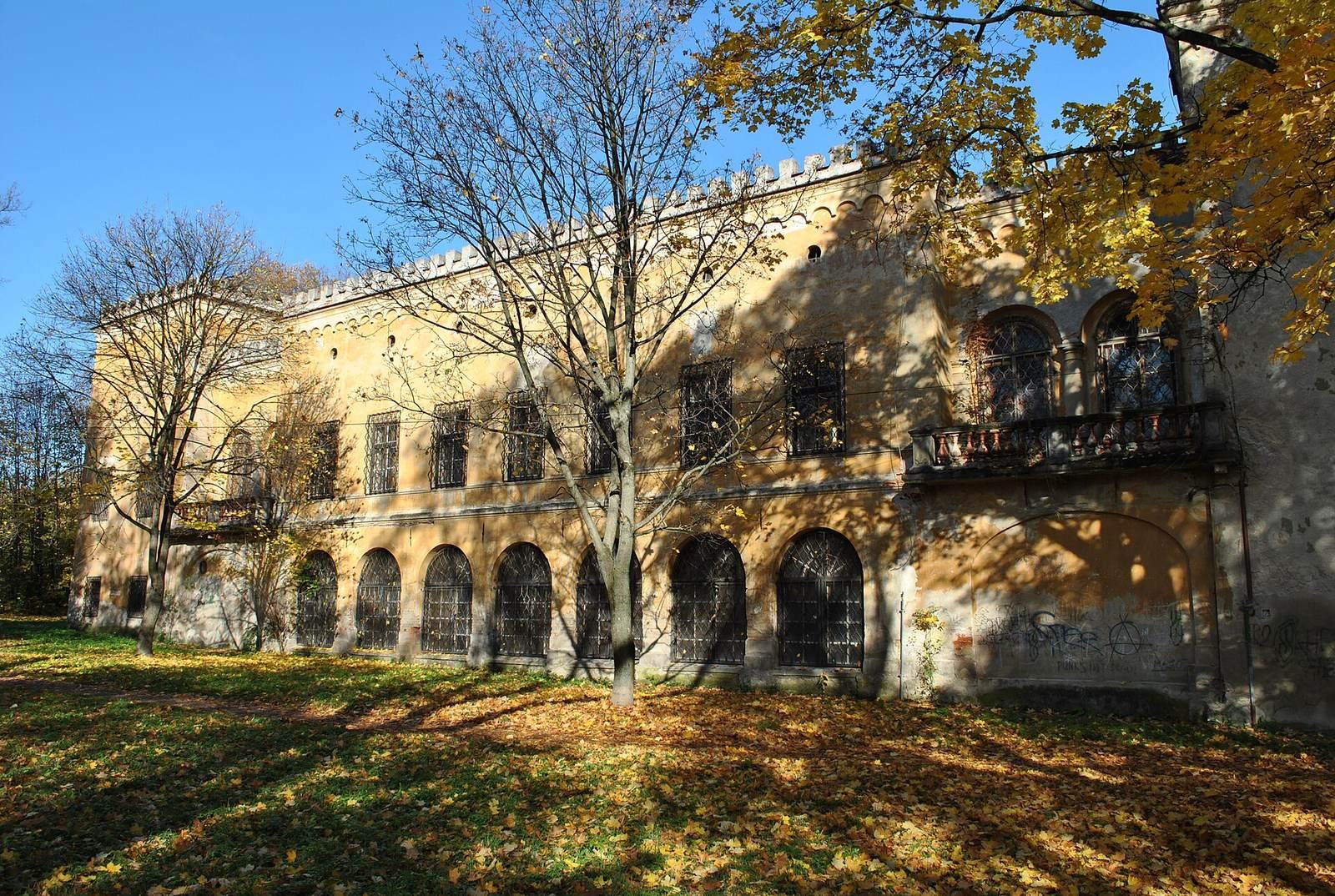
The mansion is a two-storey, single-tract building, meaning its rooms are arranged within one structural depth. It has four towers, an enclosed courtyard, and loggias on both sides. A loggia is a roofed gallery open along one or more sides. The Renaissance building rests on Gothic foundations, reflecting a medieval European architectural tradition. Its rooms have Renaissance vaults, or curved masonry ceilings, as well as flat ceilings dating from the nineteenth century. The southern wing is in the Empire style, a neoclassical form associated with the early nineteenth century.