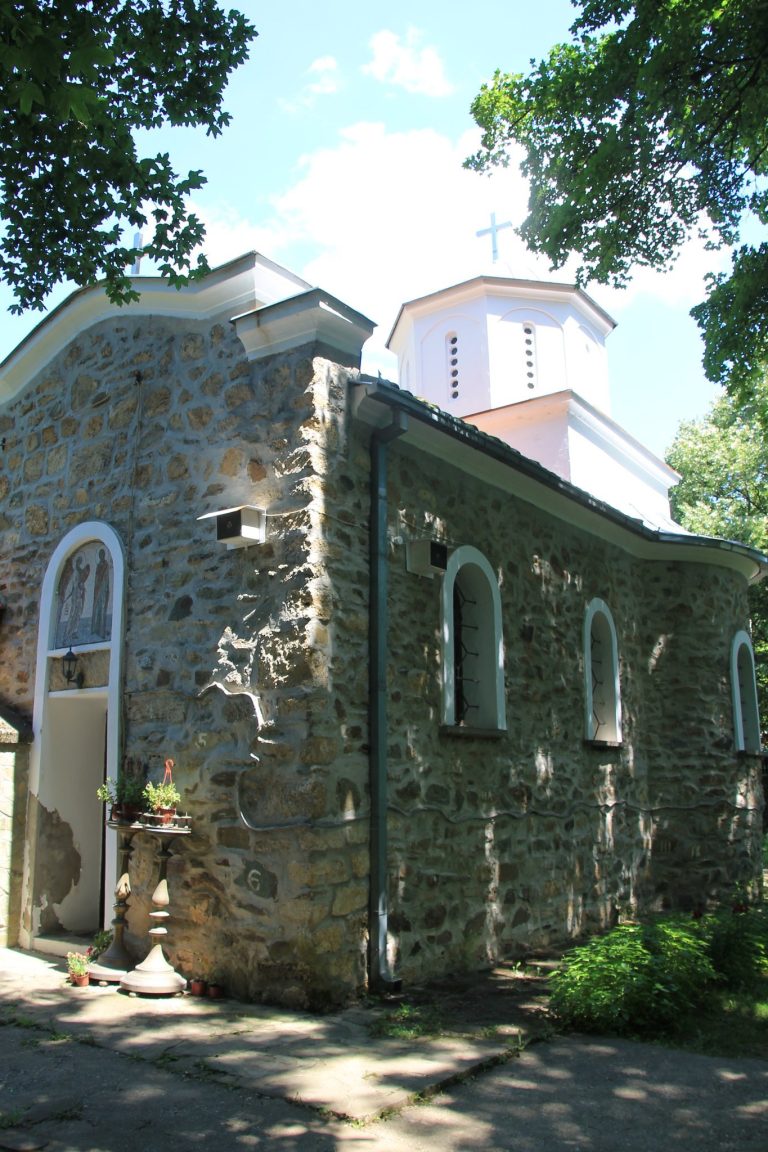
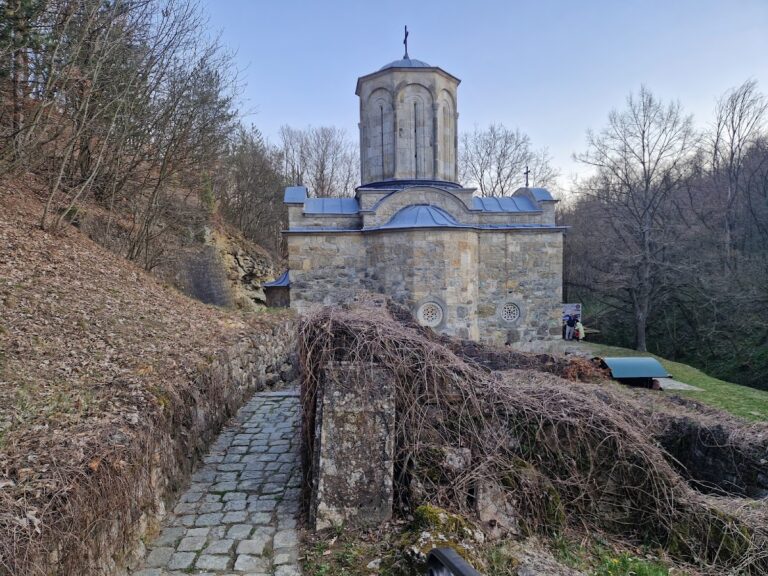
Radovanjski Lug: A Memorial Complex at Karađorđe’s Assassination Site
Site at a Glance
- Popularity
- High
- Country
- Serbia
- Primary era
- Modern
- Eras represented
- Modern
- Civilizations
- Ottoman, Serbian
- Site type
- Civic
- Remains
- Monument
On this page8 sections
History
Radovanjski Lug is a memorial complex in an oak forest near the village of Radovanje, in the municipality of Velika Plana, Serbia. Its history centers on the assassination of Serbian leader Karađorđe Petrović in 1817 and the later creation of a memorial church in Serbian-Byzantine style. Karađorđe had led the First Serbian Uprising, an early nineteenth-century revolt against Ottoman rule.
Karađorđe’s return and assassination
After three years of exile in Russia, Karađorđe secretly returned to Serbia in 1817 with his companion Naum Krnar. On the advice of his godfather, local leader Vujica Vulićević, they sheltered in a field hut belonging to Dragić Vojkić at Radovanjski Lug.
Early on July 26, 1817, the feast of Archangel Gabriel, Karađorđe and Krnar were killed. Miloš Obrenović I, who led the semi-autonomous Principality of Serbia, ordered the assassinations because he feared Karađorđe could threaten his power. He had also reached an arrangement with the Ottoman authorities. Nikola Novaković, a trusted associate of Vulićević, beheaded Karađorđe and shot Krnar.
The two men were buried near the hut without their heads. Their severed heads were skinned, stuffed, and sent to Istanbul to prove their deaths to Ottoman officials and secure their favor. Vulićević had taken part in the killings and later founded the wooden church of Pokajnica in Staro Selo as an act of repentance.
Commemoration and memorial church
A large wooden cross marked the grave in 1845. The grove was first marked during the rule of Prince Alexander Karađorđević, Karađorđe’s son. Karađorđe’s body was later moved and buried more than once, before its final burial at the Church of St. George at Oplenac, a site associated with the Karađorđević dynasty.
Work on a memorial church dedicated to the Holy Archangel Gabriel began with the laying of its cornerstone at the assassination site in 1920. Completed in 1936, it became known as Zahvalnica, meaning “Thanksgiving,” in gratitude for Karađorđe’s deeds. In 1979, Radovanjski Lug was designated immovable cultural heritage of exceptional importance.
Remains
The memorial grounds
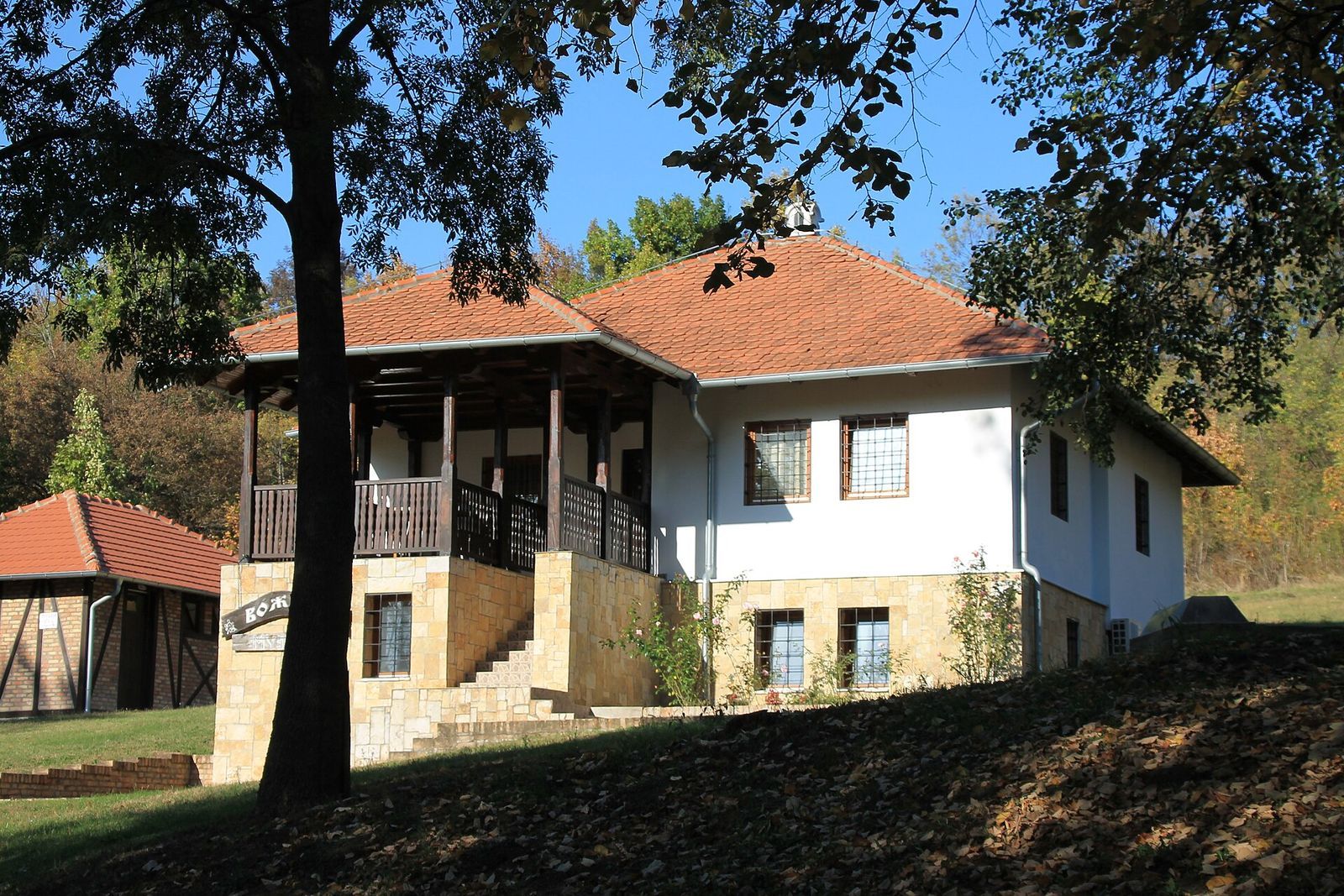
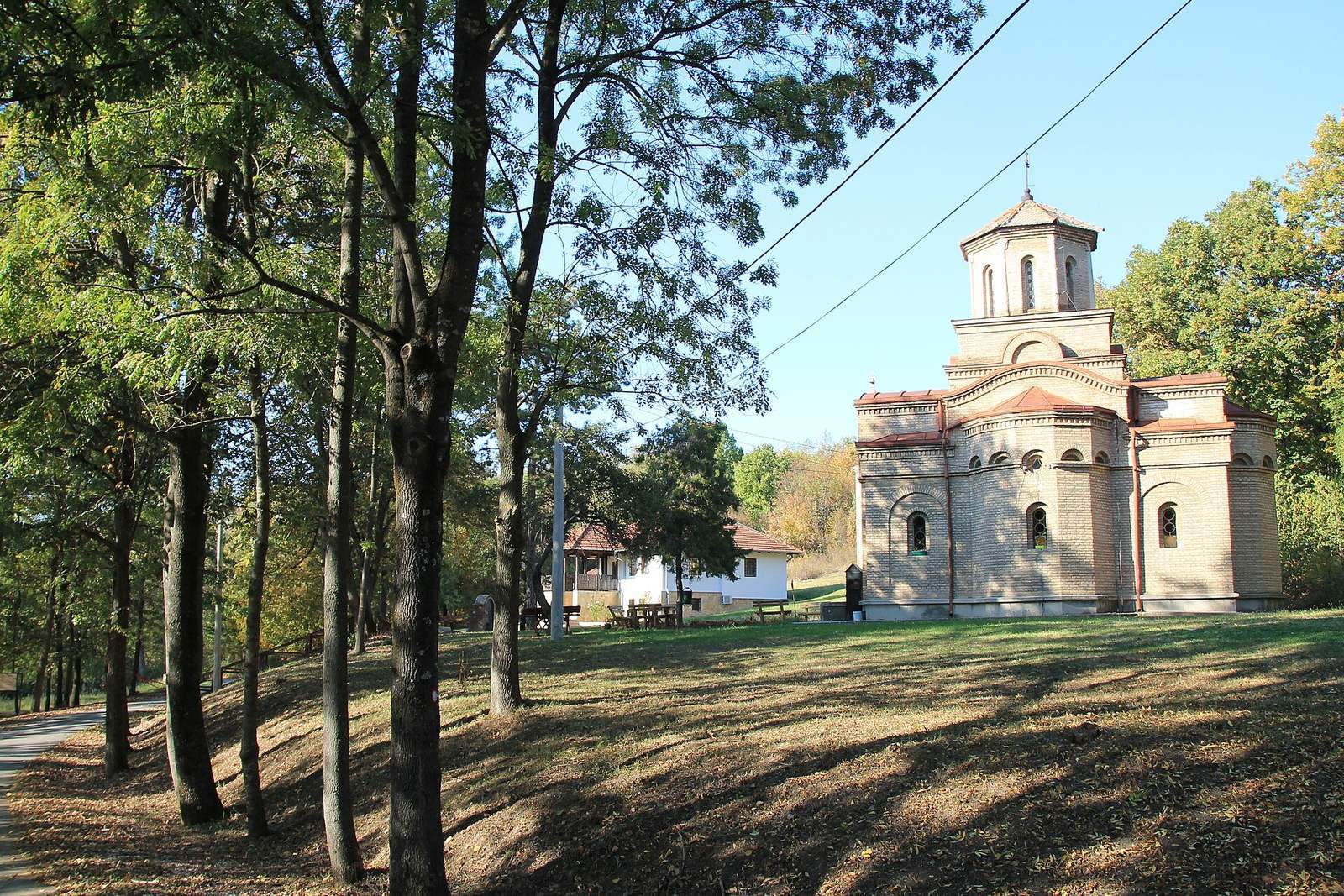
The complex occupies 46 hectares in a century-old oak forest, 8.5 kilometres from Velika Plana. Its features include the marked assassination site and original grave, the Church of the Holy Archangel Gabriel, a parish house, a summer stage, and an entrance gate.
The grave and church
The grave
The grave is marked by a large wooden cross, a marble slab bearing an inscription, and an iron railing. It identifies the burial place beside the field hut where Karađorđe and Krnar were first interred.
The Church of the Holy Archangel Gabriel
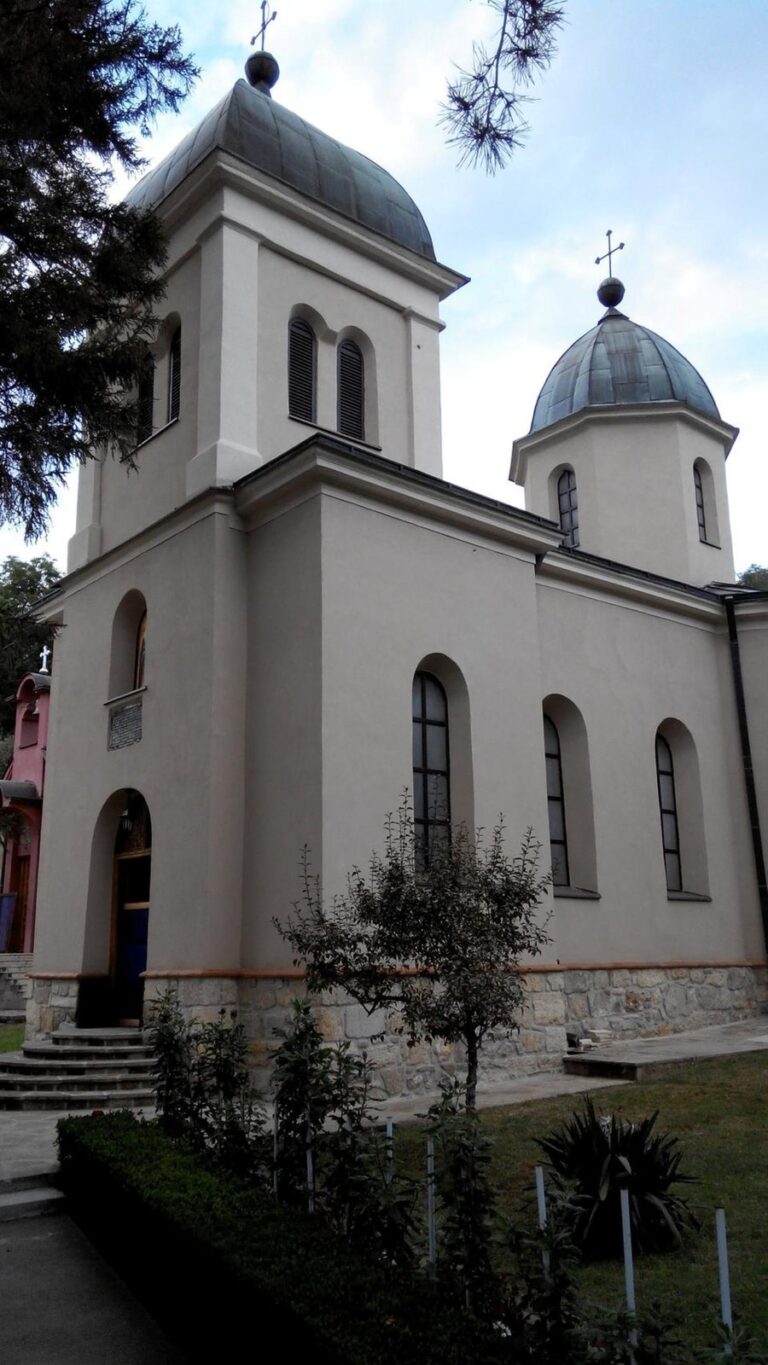
Also called Zahvalnica, the church was designed by architect Vasilije Androsov as a miniature version of the church at Oplenac. It is a brick building measuring 13.58 by 10.53 metres, with one main worship space, sparse architectural decoration, and an octagonal dome.
Inside, an entrance area, the main body of the church, and an altar area form the principal divisions. The altar is believed to stand where Karađorđe was killed. An icon-bearing screen separates it from the main worship space and carries seven icons influenced by Serbian medieval painting. The main body also displays a life-size portrait of Karađorđe by Serbian painter Paja Jovanović, measuring 210 by 110 centimetres.